Magnesium Citrate vs. Glycinate: Key Differences
Discover the differences between magnesium citrate and glycinate to choose the best supplement for digestion, sleep, or muscle support.
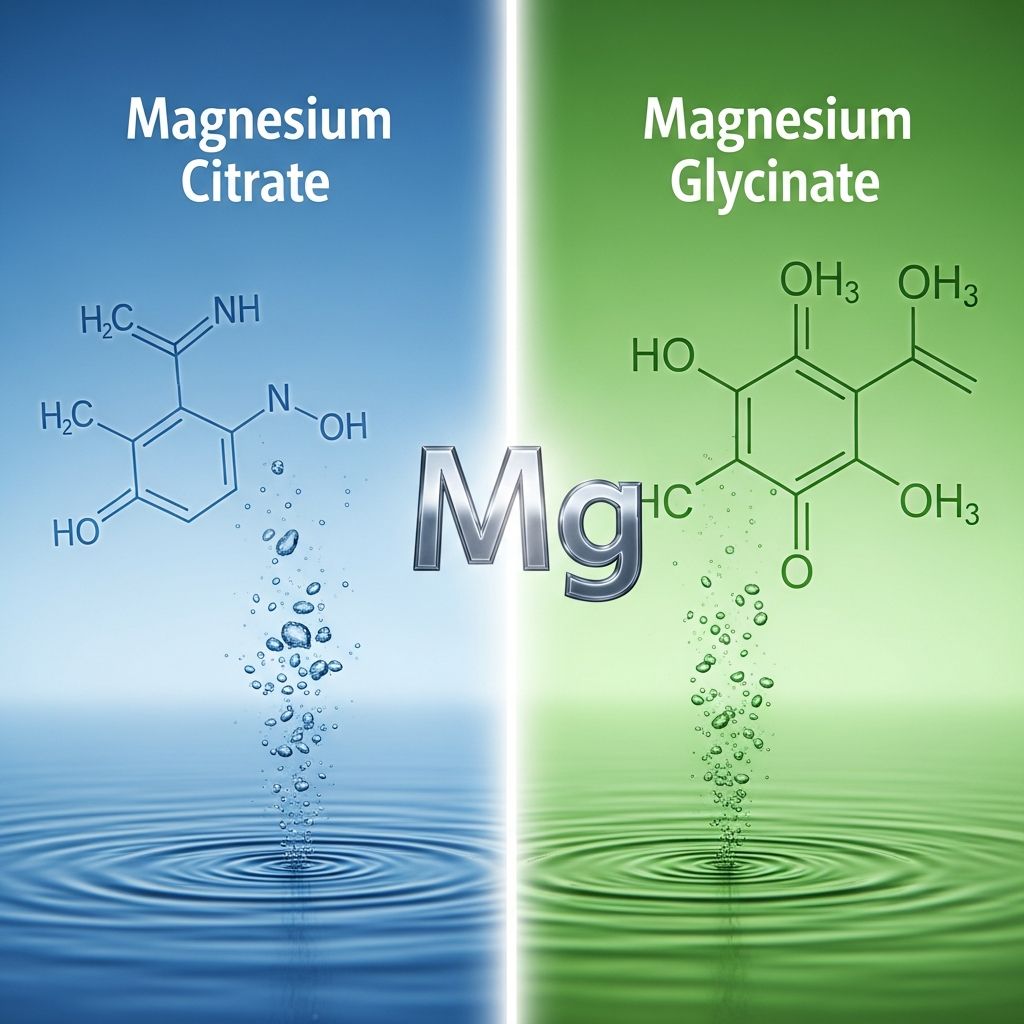
Magnesium citrate and magnesium glycinate are two of the most popular and bioavailable forms of magnesium supplements, each offering distinct benefits based on their chemical composition and effects on the body. Magnesium citrate, bound to citric acid, excels in digestive support and quick absorption, making it ideal for constipation relief. Magnesium glycinate, chelated with the amino acid glycine, provides gentle, high bioavailability for promoting relaxation, better sleep, and anxiety reduction without gastrointestinal upset. Choosing between them depends on your specific health goals, tolerance, and whether you need fast-acting relief or sustained daily support.
What Is Magnesium?
Magnesium is an essential mineral involved in over 300 biochemical reactions in the body, including muscle and nerve function, energy production, bone health, and regulating blood sugar and pressure. Despite its importance, many people don’t get enough from diet alone due to soil depletion and processed foods, leading to widespread deficiency symptoms like fatigue, cramps, insomnia, and irritability. Supplements like citrate and glycinate address this gap effectively due to their superior absorption compared to forms like oxide.
What Is Magnesium Citrate?
Magnesium citrate is an organic salt formed by combining magnesium with citric acid, resulting in 12-16% elemental magnesium by mass—for example, 1,000 mg provides 120-160 mg of actual magnesium. This form is highly water-soluble, promoting rapid absorption in the intestines. Its osmotic laxative effect draws water into the bowels, softening stool and easing passage, which makes it a go-to for occasional constipation, bowel prep, or digestive irregularity during travel or illness. Beyond digestion, it supports muscle relaxation, heart health, and electrolyte balance, especially post-exercise when sweat depletes magnesium. Common forms include powders, liquids, capsules, and it’s often more affordable than glycinate.
What Is Magnesium Glycinate?
Magnesium glycinate is a chelated form where magnesium is bound to glycine, a calming amino acid that aids neurotransmitter production like serotonin and GABA. It contains about 10-14.1% elemental magnesium (100-141 mg per 1,000 mg dose) and stands out for its exceptional bioavailability and gentleness on the stomach. Unlike citrate, it rarely causes laxative effects, making it suitable for long-term use. Glycinate promotes deep relaxation, improves sleep quality, reduces anxiety and stress, supports muscle recovery, and benefits overall nerve and bone health without digestive disruption.
Magnesium Citrate vs. Magnesium Glycinate: Key Differences
The primary differences lie in their binding agents, absorption profiles, elemental magnesium content, and targeted benefits. Both are organic, well-absorbed forms outperforming inorganic options like magnesium oxide, but citrate acts faster with potential GI effects, while glycinate is slower-releasing and stomach-friendly.
| Aspect | Magnesium Citrate | Magnesium Glycinate |
|---|---|---|
| Binding Agent | Citric Acid | Glycine (Amino Acid) |
| Elemental Mg (%) | 12-16% | 10-14.1% |
| Absorption | Fast, high bioavailability | High, gentle & sustained |
| Primary Benefits | Constipation relief, digestion, quick muscle relief | Sleep, anxiety reduction, relaxation |
| GI Tolerance | May cause loose stools | Minimal impact, ideal for sensitive stomachs |
| Best For | Short-term digestive issues, athletes | Daily use, stress/sleep support |
| Cost | More affordable | Slightly higher |
Bioavailability and Absorption
Both forms exhibit high bioavailability as organic magnesium salts, far superior to inorganic types. Magnesium glycinate’s chelation with glycine enhances intestinal uptake with fewer side effects, ideal for those with sensitive digestion. Studies show amino acid-chelated magnesium like glycinate has better tolerability and absorption than salts like oxide. Magnesium citrate absorbs quickly due to its solubility, effective for immediate needs, though high doses can lead to diarrhea from its osmotic action. Overall, glycinate edges out for long-term efficacy without GI distress.
Related Stories



Benefits of Magnesium Citrate
- Constipation Relief: Acts as a mild osmotic laxative, drawing water into intestines for easier bowel movements—perfect for occasional irregularity.
- Muscle Function: Quickly alleviates cramps and tension, replenishes electrolytes lost in sweat.
- General Health: Supports heart rhythm, blood pressure, bone density, and energy metabolism.
Benefits of Magnesium Glycinate
- Sleep and Relaxation: Glycine promotes GABA activity for deeper, restorative sleep and reduced nighttime awakenings.
- Anxiety and Stress: Calms the nervous system, eases symptoms without drowsiness.
- Muscle Recovery: Prevents cramps long-term, supports overall muscle and nerve health.
- Bone and Heart Support: Aids calcium absorption for bones and cardiovascular function.
Side Effects and Precautions
Both are generally safe, but citrate’s laxative effect can cause diarrhea, bloating, or cramping at doses over 350-400 mg elemental magnesium daily—start low (200 mg). Glycinate is better tolerated, with rare mild nausea. Overdose risks hypermagnesemia (low blood pressure, confusion), especially with kidney issues. Consult a doctor if pregnant, on medications (e.g., antibiotics, diuretics), or with GI disorders. RDA is 310-420 mg elemental magnesium daily for adults.
How to Choose Between Them
Select based on needs: citrate for digestive woes or quick boosts; glycinate for sleep/stress or sensitive stomachs. Many alternate—citrate mornings for digestion, glycinate evenings for rest. Consider diet, lifestyle, and test tolerance. Professional guidance ensures optimal dosing.
Dosage Recommendations
Typical doses: 200-400 mg elemental magnesium daily, split if needed. Citrate: 240-400 mg for constipation (short-term). Glycinate: 300-400 mg nightly for sleep. Take with food; powders/liquids for citrate. Track intake to avoid excess.
Frequently Asked Questions (FAQs)
Which is better for sleep: magnesium citrate or glycinate?
Magnesium glycinate is superior for sleep due to glycine’s calming effects on the brain, promoting relaxation without laxative side effects.
Is magnesium citrate or glycinate better for constipation?
Citrate is the clear choice for constipation relief thanks to its osmotic laxative properties, providing faster results than glycinate.
Can I take both magnesium citrate and glycinate?
Yes, strategically: citrate for daytime digestion, glycinate for evening relaxation, but monitor total intake to stay under 400 mg elemental magnesium daily.
Which has higher absorption: citrate or glycinate?
Both are highly bioavailable, but glycinate offers gentler, more sustained absorption, ideal for long-term use without GI issues.
Final Thoughts
Magnesium citrate and glycinate both combat deficiency effectively, but citrate shines for digestive and acute needs, while glycinate excels in restorative wellness. Tailor to your body for maximum benefits.
References
- Office of Dietary Supplements – Magnesium (NIH) — National Institutes of Health. 2022-06-02. https://ods.od.nih.gov/factsheets/Magnesium-HealthProfessional/
- Magnesium Glycinate vs. Citrate — Life Extension. 2023-05-15. https://www.lifeextension.com/wellness/supplements/magnesium-glycinate-vs-citrate
- Bioavailability of magnesium food supplements: A systematic review — Nutrition Journal (PMC). 2021-11-29. https://nutritionj.biomedcentral.com/articles/10.1186/s12937-021-00746-9
- Magnesium Glycinate vs Citrate — BodyBio. 2024-02-12. https://bodybio.com/blogs/blog/magnesium-glycinate-vs-citrate
- Comparison of magnesium citrate and magnesium glycinate absorption — Journal of the American College of Nutrition (PubMed). 2019-08-14. https://pubmed.ncbi.nlm.nih.gov/31398622/
Similar Articles








Read full bio of medha deb