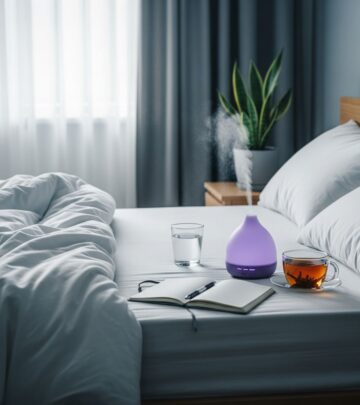
Magnesium For Sleep: 4 Best Types, Doses, And Foods
Discover how magnesium may improve sleep quality, the best types to take, food sources, and expert tips for better rest.

Magnesium for Sleep
Magnesium supplementation can improve subjective and objective measures of sleep quality, including sleep efficiency, duration, and onset latency, particularly in those with insomnia or low magnesium levels.
How Magnesium Promotes Better Sleep
Magnesium, an essential mineral involved in over 300 biochemical reactions, plays a key role in sleep regulation by influencing neurotransmitters like GABA, which promotes relaxation, and by modulating melatonin and cortisol levels. Research shows it binds to NMDA receptors to promote muscle relaxation and suppress excitability in the nervous system. A randomized controlled trial found magnesium supplementation significantly increased sleep time (P=0.002), sleep efficiency (P=0.03), serum melatonin (P=0.007), and decreased sleep onset latency (P=0.02) and cortisol (P=0.008) in elderly subjects with insomnia.
Observational studies link higher magnesium intake to better sleep quality, longer duration, and reduced daytime sleepiness. For instance, a longitudinal study of young adults associated magnesium intake with achieving 7-9 hours of sleep and improved sleep quality scores. Magnesium deficiency, common in up to 50% of populations, disrupts circadian rhythms and exacerbates sleep issues.
4 Types of Magnesium for Sleep
Not all magnesium forms are equally effective for sleep. Here’s a breakdown of the best options based on bioavailability and research:
- Magnesium Glycinate: Highly absorbable, gentle on the stomach, and promotes relaxation via glycine, which calms the brain. Often recommended for insomnia.
- Magnesium L-Threonate: Crosses the blood-brain barrier effectively, potentially enhancing cognitive function and deep sleep stages.
- Magnesium Citrate: Good absorption but may have a laxative effect; useful for those with constipation-related sleep disruption.
- Magnesium Oxide: Less bioavailable but high elemental magnesium; better for deficiency correction than sleep.
A study showed 500mg elemental magnesium (as citrate) improved sleep parameters over 8 weeks.
Best Foods High in Magnesium
Incorporate magnesium-rich foods before relying on supplements to support natural sleep cycles. Aim for 310-420mg daily from diet.
- Almonds (80mg per oz)
- Spinach (79mg per cup cooked)
- Pumpkin seeds (535mg per cup)
- Black beans (120mg per cup)
- Dark chocolate (228mg per 100g, 70-85% cocoa)
- Avocado (44mg per medium)
- Quinoa (64mg per cup cooked)
These foods provide co-factors like fiber and antioxidants that enhance magnesium absorption.
How Much Magnesium Should You Take for Sleep?
The Recommended Dietary Allowance (RDA) is 310-320mg for women and 400-420mg for men daily. For sleep, studies used 250-500mg elemental magnesium, taken 1-2 hours before bed. Start low (200mg) to assess tolerance; upper limit from supplements is 350mg to avoid side effects like diarrhea.
| Group | RDA (mg/day) | Sleep Study Dose (mg) |
|---|---|---|
| Adult Women | 310-320 | 250-500 |
| Adult Men | 400-420 | 250-500 |
| Pregnant | 350-360 | Consult doctor |
Effects may appear in 1-8 weeks.
Who Might Benefit Most from Magnesium for Sleep
- Those with Insomnia: Especially elderly; one trial showed significant ISI score reduction.
- Magnesium-Deficient Individuals: Symptoms include fatigue, muscle cramps; common in diabetics, GI disorders.
- Stressed or Anxious People: Lowers cortisol, boosts GABA.
- Athletes: Improves recovery, HRV, and sleep efficiency.
- Older Adults: Natural decline in absorption; supplementation aids deep sleep.
Magnesium Dosage for Sleep: A Quick Guide
Timing: Evening, with food to enhance absorption.
Forms: Capsules, powders, or gummies; avoid oxide for sleep.
Duration: 4-12 weeks for noticeable effects; track with sleep diary.
Potential Side Effects and Precautions
Magnesium is safe at RDA levels, but excess can cause diarrhea, nausea, or low blood pressure. Those with kidney issues should avoid high doses. A trial reported no adverse events with 100% adherence. Interact with antibiotics, bisphosphonates; consult a doctor if on medications.
Simple Magnesium Recipes for Better Sleep
Magnesium-Rich Bedtime Smoothie
- 1 cup spinach
- 1 banana
- 1 tbsp almond butter
- 1 cup almond milk
- 1/4 avocado
Blend and drink 1 hour before bed. Provides ~150mg magnesium.
Sleepy Seed Pudding
- 2 tbsp chia seeds
- 1 cup coconut milk
- Handful pumpkin seeds
- Dark chocolate shavings
Mix, refrigerate overnight. ~200mg magnesium per serving.
Expert Tips to Maximize Magnesium Benefits
- Combine with vitamin D and B6 for better absorption.
- Practice sleep hygiene: consistent bedtime, no screens.
- Test magnesium levels via bloodwork if deficient.
- Pair with relaxation techniques like meditation.
Frequently Asked Questions (FAQs)
Does magnesium really help you sleep?
Yes, RCTs show improvements in sleep quality, duration, and efficiency, especially for insomnia.
What’s the best magnesium for sleep?
Glycinate or L-threonate for optimal brain relaxation and absorption.
How long does it take for magnesium to work for sleep?
1-4 weeks for subjective improvements; up to 8 weeks for full effects.
Can you take magnesium every night?
Yes, safely long-term at RDA doses, but monitor for side effects.
Is magnesium safe for daily use?
Generally yes, but consult a doctor for kidney issues or medications.
This article synthesizes peer-reviewed evidence showing magnesium’s promise for sleep, though more large RCTs are needed for causality. Always prioritize diet and consult healthcare providers.
References
- Effectiveness of Magnesium Supplementation on Sleep Quality and … — esmed.org. 2022. https://esmed.org/MRA/mra/article/view/5410
- The effect of magnesium supplementation on primary insomnia in … — PMC. 2012-07-01. https://pmc.ncbi.nlm.nih.gov/articles/PMC3703169/
- The Role of Magnesium in Sleep Health: a Systematic Review of … — PubMed. 2022-02-23. https://pubmed.ncbi.nlm.nih.gov/35184264/
- Magnesium for Sleep — Sleep Foundation. Recent (post-2021). https://www.sleepfoundation.org/magnesium
- Association of magnesium intake with sleep duration and sleep quality — Oxford Academic. 2022. https://academic.oup.com/sleep/article/45/4/zsab276/6432454
Similar Articles







Read full bio of Sneha Tete