Magnesium Taurate: 5 Cardiovascular Benefits, Dosage & Uses
Discover the heart health benefits of magnesium taurate, a highly absorbable supplement combining magnesium and taurine for blood pressure support and cardiovascular wellness.
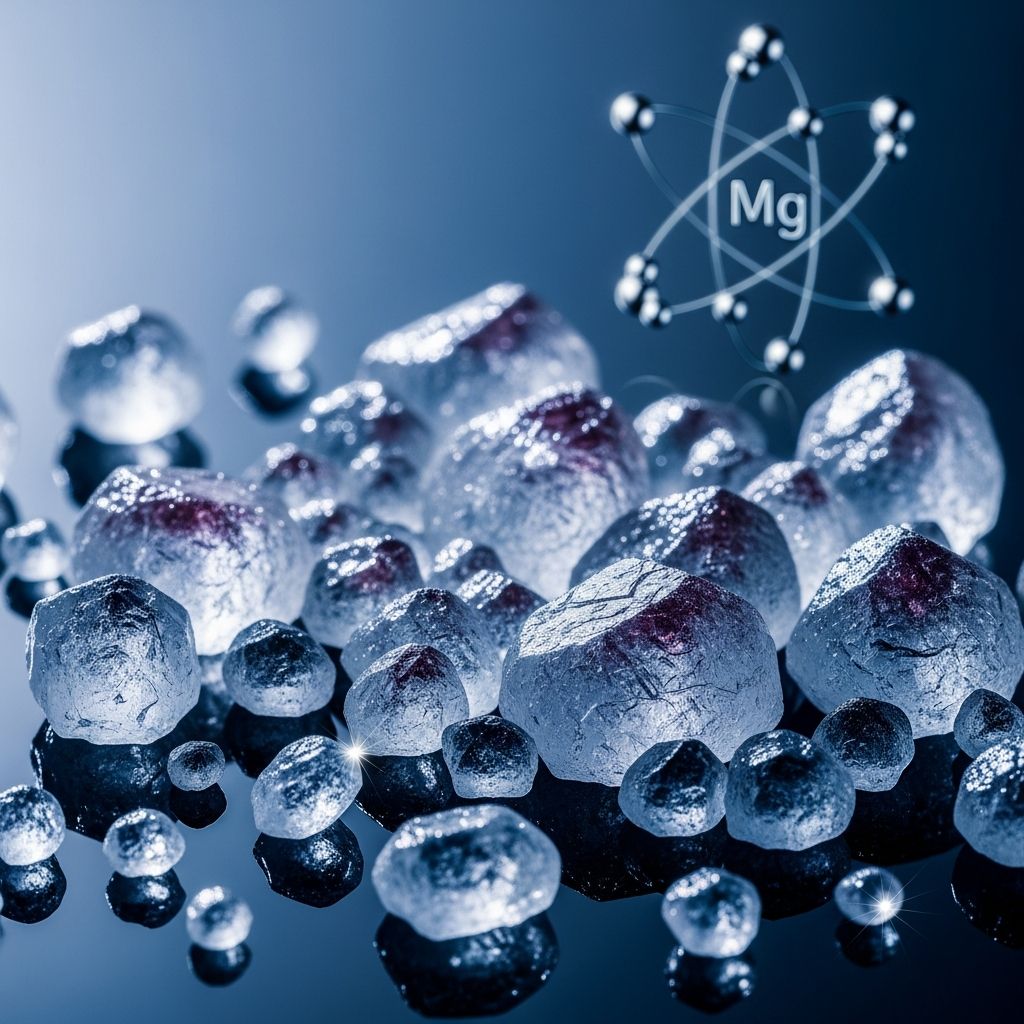
Magnesium taurate is a chelated form of magnesium bound to the amino acid taurine, offering high bioavailability and targeted support for cardiovascular health. This supplement combines magnesium’s essential role in over 300 enzymatic reactions with taurine’s protective effects on the heart and blood vessels.
What Is Magnesium Taurate?
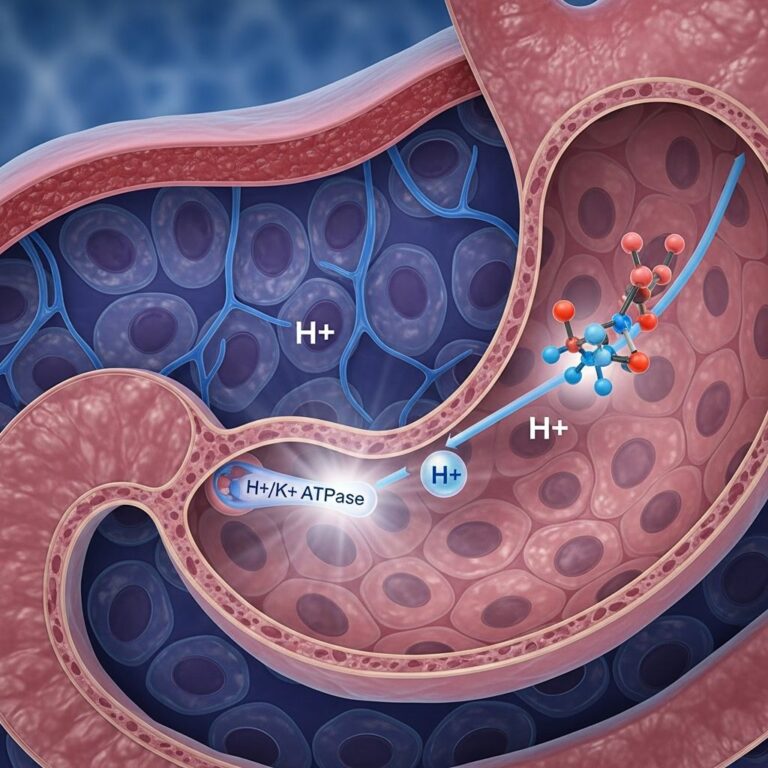
Magnesium taurate consists of magnesium and taurine, a conditionally essential amino acid abundant in meat, seafood, and energy drinks. Unlike inorganic magnesium forms like oxide, taurate is highly absorbable because chelation protects it from stomach acid degradation, allowing better cellular uptake.
Taurine supports cardiovascular function by stabilizing cell membranes, promoting vasodilation, and reducing inflammation. Studies show this combination enhances magnesium delivery to heart tissues, addressing common deficiencies linked to heart disease.
5 Potential Health Benefits of Magnesium Taurate
Research highlights magnesium taurate’s role in heart health, though human trials specifically on this form are limited. Benefits stem from magnesium’s broad functions and taurine’s synergies:
- Blood Pressure Support: Magnesium relaxes blood vessels while taurine improves endothelial function. A meta-analysis found taurine supplementation significantly lowers systolic and diastolic pressure in hypertensives.
- Heart Palpitations: This form stabilizes cardiac rhythms by regulating electrolytes and calming overactive nerves. Taurine-magnesium combos reduce arrhythmia risks in animal models.
- Cardiovascular Inflammation: Both compounds exhibit anti-inflammatory effects, protecting arteries from plaque buildup. Taurine mitigates oxidative stress in endothelial cells.
- Improved Insulin Sensitivity: Magnesium deficiency links to metabolic syndrome; taurate may enhance glucose metabolism alongside heart benefits.
- Migraine Prevention: Magnesium reduces cortical spreading depression; combined with taurine, it may offer adjunct relief for vascular headaches.
Magnesium Taurate vs. Other Magnesium Supplements
Different magnesium forms target specific needs. Here’s a comparison:
| Form | Bioavailability | Primary Benefits | Best For |
|---|---|---|---|
| Magnesium Taurate | High | Heart health, BP support | Cardiovascular issues |
| Magnesium Glycinate | High | Sleep, anxiety relief | Stress, insomnia |
| Magnesium Citrate | Moderate-High | Constipation relief | Digestion |
| Magnesium L-Threonate | High (brain-specific) | Cognitive function | Brain fog, memory |
| Magnesium Oxide | Low | Antacid, laxative | Short-term GI issues |
Magnesium citrate shows higher bioavailability than oxide per urinary excretion studies. Taurate excels for heart-focused needs due to taurine’s synergies.
Magnesium Taurate Dosage
Typical doses range from 125-400 mg elemental magnesium daily, often split into 1-2 servings. Start low (100-200 mg) to assess tolerance. Taurine content varies (500-2000 mg per dose).
- For Blood Pressure: 300-400 mg magnesium daily with meals.
- For Heart Support: 200 mg twice daily.
- Timing: Evening doses aid relaxation; pair with vitamin D for synergy.
The IOM sets a safe upper limit at 350 mg supplemental magnesium daily to avoid GI upset.
Side Effects of Magnesium Taurate
Generally well-tolerated due to high absorption, minimizing laxative effects common in citrate or oxide. Potential issues include:
- GI Discomfort: Mild diarrhea, nausea at high doses (>400 mg).
- Low Blood Pressure: Excessive vasodilation in hypotensives.
- Interactions: Antibiotics, bisphosphonates, diuretics—space by 2 hours.
Renal-impaired individuals risk hypermagnesemia; monitor levels. Toxicity is rare, with diarrhea as the primary warning.
Related Stories



Who Should Take Magnesium Taurate?
- Those with hypertension or family heart disease history.
- Individuals with palpitations or arrhythmias.
- Athletes seeking vascular support.
- Magnesium-deficient people (symptoms: fatigue, cramps, irritability).
- Consult a doctor if pregnant, breastfeeding, or on medications.
How to Choose a Quality Magnesium Taurate Supplement
- Verify third-party testing (USP, NSF).
- Check elemental magnesium content (not total weight).
- Opt for chelated forms without fillers.
- Review taurine ratio for synergy.
Foods High in Magnesium and Taurate Precursors
While supplements fill gaps, prioritize diet:
- Magnesium-Rich: Spinach, almonds, pumpkin seeds, black beans (RDA: 310-420 mg).
- Taurine Sources: Fish, meat, shellfish.
Deficiency affects ~50% of Americans; soil depletion reduces food levels.
Frequently Asked Questions (FAQs)
Is magnesium taurate better for heart health than other forms?
Yes, its taurine component enhances cardiovascular benefits like blood pressure reduction and anti-inflammation, outperforming oxide or citrate for heart issues.
Can magnesium taurate lower blood pressure?
Evidence supports it; taurine meta-analyses show significant reductions, amplified by magnesium’s vasodilatory effects.
What’s the best time to take magnesium taurate?
Evening for relaxation and BP control; consistency matters more than timing.
Does magnesium taurate cause diarrhea?
Rarely, due to high bioavailability; less likely than citrate.
Can I take magnesium taurate with other supplements?
Yes, pairs well with CoQ10, omega-3s for heart health; avoid calcium excess.
Precautions and Considerations
Monitor kidney function; long-term use may require blood tests. Not a substitute for prescribed meds.
Magnesium supports bone health, migraine prevention, and diabetes risk reduction per clinical reviews.
References
- Chih-Chen Tzang, Lin WC, Lin LH, et al. Insights into the cardiovascular benefits of taurine: a systematic review and meta-analysis. — Nutrition Journal. 2024-09-12. https://doi.org/10.1186/s12937-024-00995-5
- The Importance of Magnesium in Clinical Healthcare. — PMC / National Center for Biotechnology Information. 2017-09-28. https://pmc.ncbi.nlm.nih.gov/articles/PMC5637834/
- Santulli G, et al. Functional Role of Taurine in Aging and Cardiovascular Health: An Updated Overview. — Nutrients. 2023-10-05. https://doi.org/10.3390/nu15194236
- Qaradakhi T, et al. The Anti-Inflammatory Effect of Taurine on Cardiovascular Disease. — Nutrients. 2020-09-21. https://doi.org/10.3390/nu12092847
- Kappeler D, et al. Higher bioavailability of magnesium citrate as compared to magnesium oxide. — BMC Nutrition. 2017-12-19. https://doi.org/10.1186/s40795-016-0121-3
Similar Articles








Read full bio of medha deb