Magnesium Vs Omega-3s: 4 Synergistic Benefits For Better Health
Discover the unique benefits of magnesium and omega-3s, how they complement each other, and why taking them together supports heart health, sleep, and more.
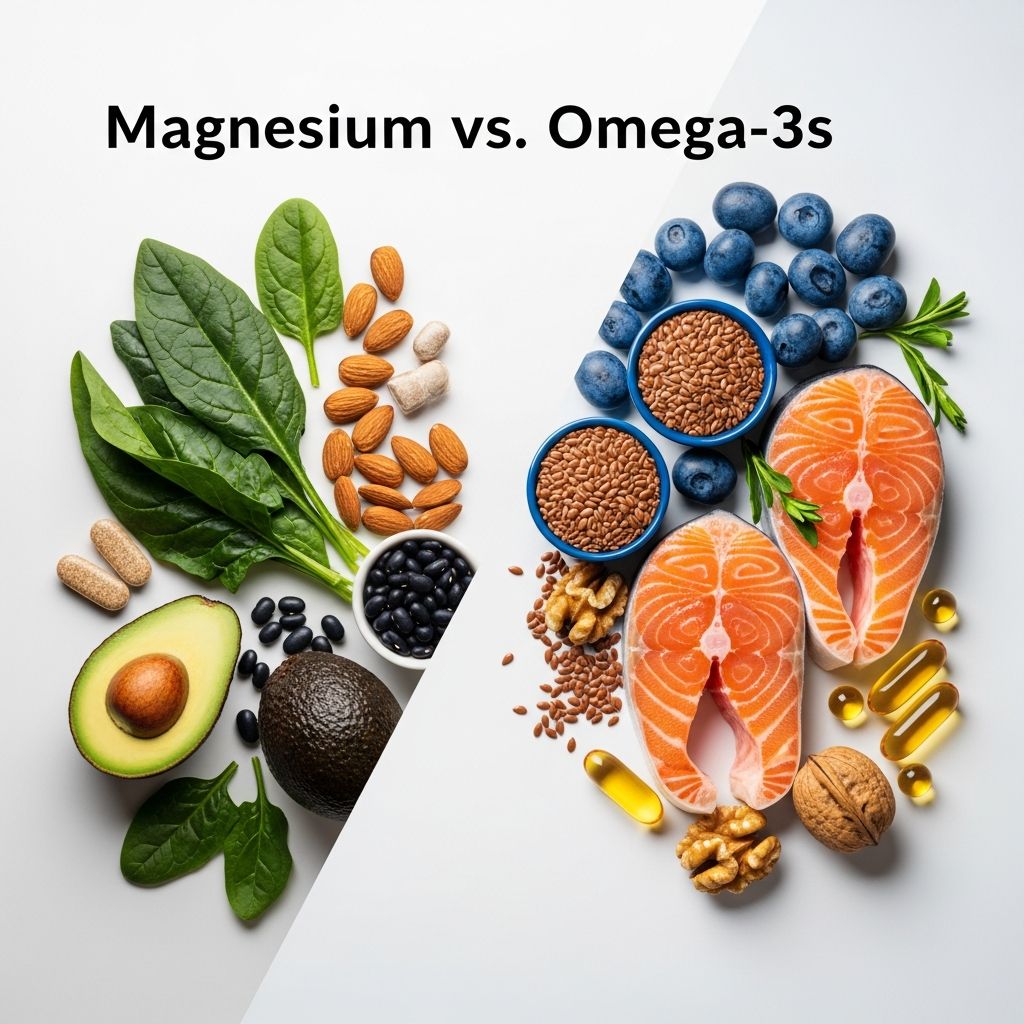
Magnesium and omega-3 fatty acids are two powerhouse nutrients essential for overall wellness, each offering distinct benefits that can be amplified when combined. While
magnesium
supports muscle relaxation, energy production, and stress reduction,omega-3s
excel in fighting inflammation, boosting heart and brain health. This article breaks down their roles, compares their strengths, and explains why taking them together may optimize health outcomes like better sleep, recovery, and cardiovascular protection.What Is Magnesium?
**Magnesium** is a vital mineral involved in over 300 biochemical reactions in the body, acting as a cofactor for enzymes that produce cellular energy (ATP). It is the fourth most abundant mineral in the body, primarily stored in bones, muscles, and soft tissues. Magnesium deficiency is common, affecting up to 50% of populations in developed countries due to soil depletion and processed diets.
Food sources include leafy greens like spinach, nuts (almonds, cashews), seeds (pumpkin, chia), whole grains, and legumes. Supplements come in forms like magnesium glycinate (for sleep), citrate (for digestion), and oxide (higher elemental magnesium but lower absorption).
Benefits of Magnesium
- Muscle Relaxation and Stress Reduction: Known as the ‘relaxation mineral,’ magnesium regulates muscle contractions by balancing calcium and prevents cramps, spasms, and tension. It calms the nervous system by blocking excitatory neurotransmitters, reducing anxiety and promoting GABA activity for better sleep.
- Energy Production and Bone Health: Essential for ATP synthesis, magnesium combats fatigue. It enhances vitamin D activation and calcium absorption, strengthening bones and reducing osteoporosis risk.
- Heart and Blood Pressure Support: Magnesium relaxes blood vessels, lowers blood pressure, and stabilizes heart rhythm, potentially reducing arrhythmia risk.
- Migraine Prevention and Blood Sugar Control: Studies link adequate magnesium to fewer migraines and improved insulin sensitivity, aiding diabetes management.
What Are Omega-3 Fatty Acids?
**Omega-3 fatty acids** are essential polyunsaturated fats the body cannot produce, requiring dietary intake. Key types are ALA (plant-based, from flaxseeds, walnuts), EPA (anti-inflammatory), and DHA (brain/eye health), primarily from fatty fish like salmon, mackerel, sardines.
Supplements include fish oil, krill oil, or algal oil (vegan). The NIH recommends 250-500 mg combined EPA/DHA daily for adults, higher for specific conditions. Observational studies associate higher omega-3 levels with lower heart failure and coronary disease risk.
Benefits of Omega-3s
- Anti-Inflammatory and Cardiovascular Health: EPA/DHA reduce triglycerides, improve arterial elasticity, and lower hypertension/atherosclerosis risk. The REDUCE-IT trial showed 4g/day EPA cut cardiovascular events by 25% in high-risk patients.
- Cognitive Function and Mood: DHA comprises 40% of brain neuronal membranes; omega-3s enhance memory, learning, and serotonin production for emotional balance, potentially easing depression.
- Eye Health and Pregnancy Support: DHA supports retinal health and fetal neurodevelopment. Maternal seafood intake (8-12 oz/week) links to better child cognition without mercury risks at moderate levels.
- Joint and Skin Health: Reduces rheumatoid arthritis symptoms and supports skin barrier function.
Magnesium vs. Omega-3s: Key Differences
| Aspect | Magnesium | Omega-3s |
|---|---|---|
| Primary Role | Mineral for enzymatic reactions, relaxation | Fatty acids for cell membranes, inflammation |
| Best For | Sleep, cramps, energy, bones | Heart, brain, joints, mood |
| Deficiency Signs | Fatigue, cramps, anxiety, insomnia | Dry skin, poor focus, high triglycerides |
| Sources | Nuts, greens, supplements | Fish, algae, flax |
| Dosage | 300-420 mg/day elemental | 250-2000 mg EPA/DHA |
While both support heart health, magnesium focuses on immediate relaxation and metabolism, omega-3s on long-term inflammation control. Neither is ‘better’—they target complementary pathways.
Can You Take Magnesium and Omega-3s Together?
Yes,
magnesium and omega-3s can be safely taken together
with no known adverse interactions. They work on distinct pathways: magnesium via mineral-dependent enzymes, omega-3s through lipid membranes. Their combination offers synergistic benefits.Related Stories



Synergistic Benefits
- Muscle Recovery: Omega-3s curb exercise-induced inflammation; magnesium relaxes muscles and balances electrolytes, reducing soreness and cramps for athletes.
- Nervous System Support: Omega-3s fortify neuron integrity; magnesium dampens excitability, enhancing stress resilience, sleep, and cognition.
- Metabolic Health: Magnesium aids glucose metabolism; omega-3s boost insulin sensitivity and lower triglycerides, preventing diabetes and aiding weight management.
- Heart Protection: Combined, they regulate blood pressure, reduce inflammation, and stabilize rhythms more effectively than alone.
How to Take Magnesium and Omega-3s Together
- Timing: Take magnesium in the evening (200-400 mg) for sleep benefits. Omega-3s (1-2g EPA/DHA) with fatty meals (breakfast/dinner) for 30-50% better absorption.
- Dosage Guidelines: Start low; consult a doctor if on medications (e.g., blood thinners for omega-3s, antibiotics for magnesium).
- Forms: Magnesium glycinate (gentle, absorbable); high-quality fish oil tested for purity (no mercury).
- Food First: Pair with magnesium-rich spinach salad and salmon for natural synergy.
Who Benefits Most from Magnesium + Omega-3s?
- Stressed Individuals/Sleep Issues: Dual action on GABA/serotonin promotes calm and restorative sleep.
- Athletes: Faster recovery, fewer injuries.
- Heart Risk Groups: Lowers triglycerides, blood pressure per NIH data.
- Pregnant Women: Supports fetal brain/bone development (moderate seafood + magnesium).
- Older Adults: Counters age-related declines in cognition, bones, inflammation.
Potential Side Effects and Precautions
Magnesium: Diarrhea at high doses (>350 mg supplemental); avoid in kidney disease. Omega-3s: Fishy aftertaste, mild bleeding risk at high doses. No interactions between them; omega-3 supplements are purified of contaminants like mercury. Always test for deficiencies via bloodwork.
Frequently Asked Questions (FAQs)
What is the best time to take magnesium and omega-3s?
Magnesium at night for relaxation; omega-3s with meals containing fat for optimal absorption.
Can magnesium and omega-3s help with anxiety?
Yes, magnesium calms nerves, omega-3s balance mood via serotonin—together, they enhance emotional well-being.
Are there foods high in both magnesium and omega-3s?
Fatty fish like salmon (omega-3s) paired with magnesium-rich sides like almonds or spinach.
Is it safe for daily long-term use?
Yes, at recommended doses, supported by extensive research with no adverse interactions.
How much omega-3 do I need if I eat fish weekly?
1-2 servings provide ~500 mg EPA/DHA; supplement if diet lacks.
References
- Omega-3 Fatty Acids – Health Professional Fact Sheet — Office of Dietary Supplements, NIH. 2023-07-20. https://ods.od.nih.gov/factsheets/Omega3FattyAcids-HealthProfessional/
- Magnesium – Health Professional Fact Sheet — Office of Dietary Supplements, NIH. 2022-06-02. https://ods.od.nih.gov/factsheets/Magnesium-HealthProfessional/
- Can magnesium and Omega-3 be taken together? — NDL Pro-Health. 2024. https://ndlprohealth.com/en/blogs/tips/can-magnesium-and-omega-3-be-taken-together
- Marine Oils – Health Professional Fact Sheet — Office of Dietary Supplements, NIH. 2023. https://ods.od.nih.gov/factsheets/Omega3FattyAcids-HealthProfessional/
- REDUCE-IT Trial: Cardiovascular Risk Reduction with Icosapent Ethyl — New England Journal of Medicine. 2019-01-03. https://www.nejm.org/doi/full/10.1056/NEJMoa1812792
Similar Articles








Read full bio of medha deb