Maintain Muscle Mass While Losing Weight
Preserve lean muscle while losing fat with proven strategies combining nutrition, strength training, and smart calorie management.
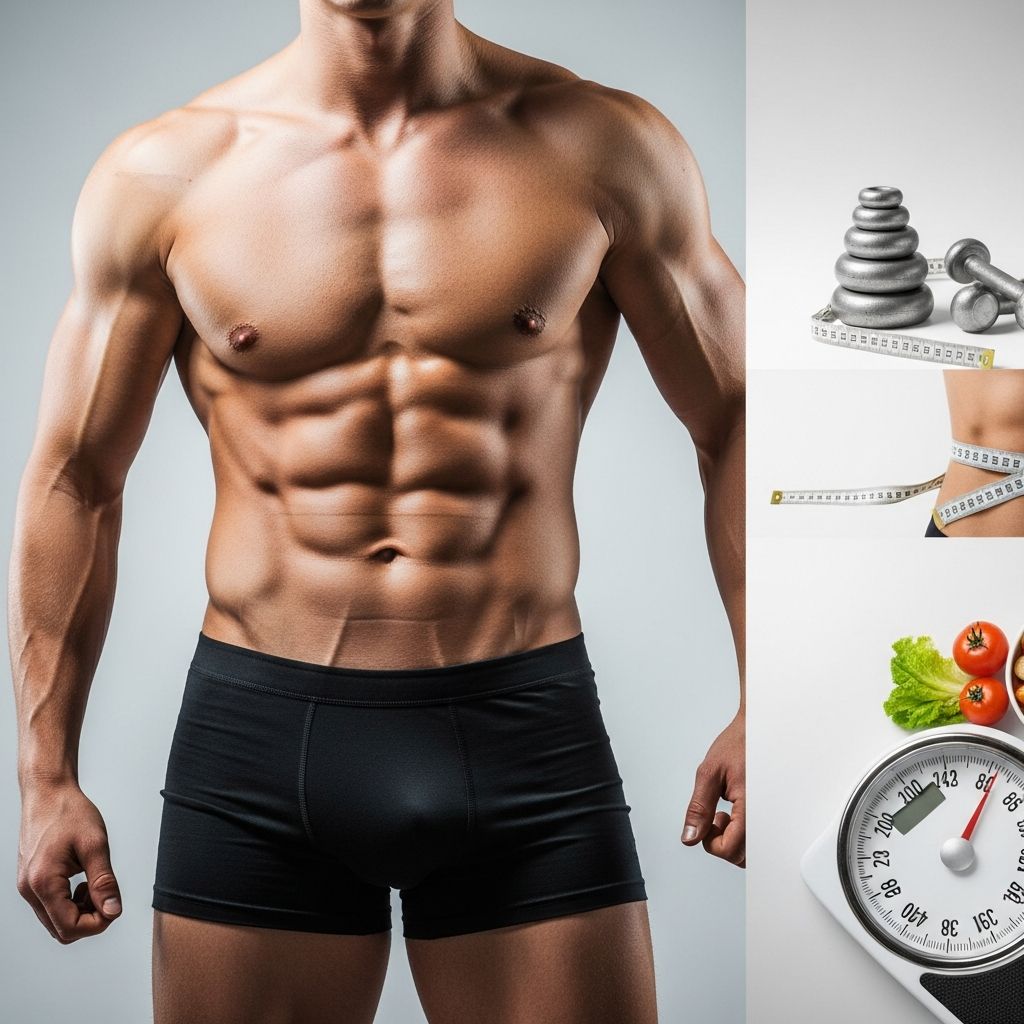
Weight loss is a common goal, but many people face a significant challenge: losing muscle along with fat. When muscle mass decreases during weight loss, it can lead to a slower metabolism, reduced strength, diminished muscle tone, and potential long-term health complications. The good news is that muscle loss during weight loss is not inevitable. With the right combination of nutrition and exercise, you can achieve sustainable fat loss while preserving lean muscle mass.
Understanding Muscle Loss During Weight Loss
Many people assume that weight loss is simply about cutting calories, but the reality is more complex. While a calorie deficit is necessary to lose fat, it can inadvertently lead to muscle loss if not managed carefully. Research shows that persons with obesity who undergo diet-induced weight loss often experience reductions in muscle mass, though this outcome can be significantly minimized with proper strategies.
When your body is in a calorie deficit, it searches for energy from various sources. Without adequate nutrition and exercise stimulus, muscle tissue becomes a target for breakdown. The body essentially asks: “If I don’t need this muscle for anything, why maintain it?” This is why a comprehensive approach combining proper nutrition, strength training, and adequate recovery is essential.
The Critical Role of Protein Intake
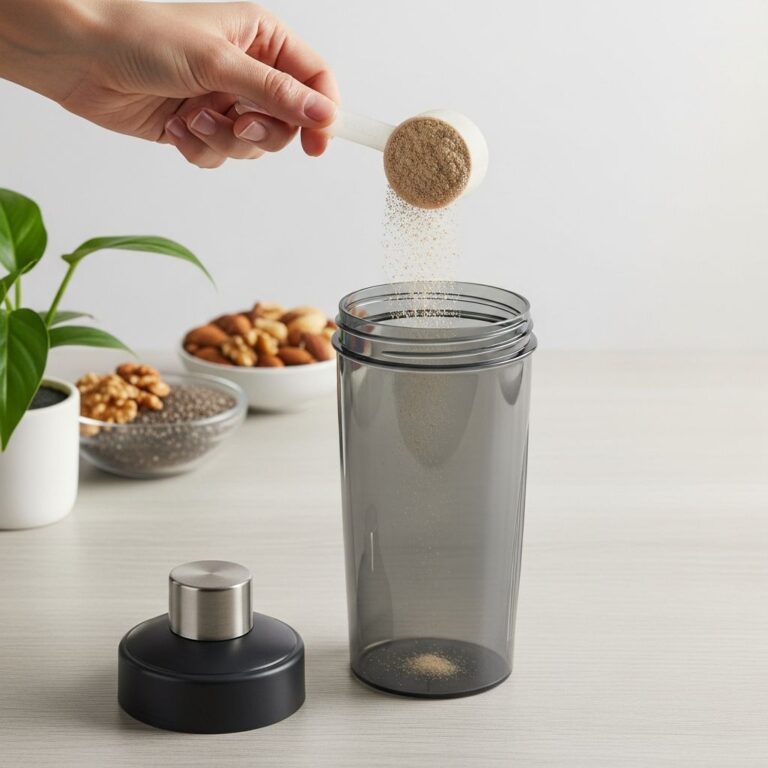
Protein is your muscles’ primary defense during weight loss. Muscle tissue is composed primarily of protein and amino acids, which are the building blocks your body uses to repair and maintain muscle fibers. When you’re in a calorie deficit, adequate protein intake becomes even more important.
Recommended Protein Amounts
Research suggests that adequate (but not excessive) protein intake helps preserve lean body and muscle mass during weight loss. Most experts recommend consuming between 1.2 to 2.0 grams of protein per kilogram of body weight per day during weight loss. For a 165-pound person, this translates to approximately 90 to 145 grams of protein daily.
Quality Protein Sources and Distribution
Not all proteins are equal. Focus on high-quality protein sources that contain all essential amino acids, including:
- Dairy products (Greek yogurt, cottage cheese, milk)
- Eggs
- Fish and seafood
- Poultry (chicken, turkey)
- Plant-based options (soy, legumes, quinoa)
- Protein supplements and blends
Distribution matters as much as total intake. Spread your protein consumption throughout the day—approximately every 3 to 4 hours—to keep muscle-building processes active. Aim for 20 to 35 grams of protein per meal for optimal muscle protein synthesis.
The Importance of Essential Amino Acids
Within the protein category, certain amino acids deserve special attention. Leucine, in particular, plays a critical role in triggering muscle protein synthesis—the process of building and repairing muscle tissue. Research suggests aiming for approximately 2.5 to 2.8 grams of leucine per day to support muscle maintenance.
Prioritize Strength-Based Exercise
While any physical activity is beneficial, resistance training is the single most effective way to maintain muscle during weight loss. When you engage in strength training, you send a clear signal to your body that your muscles are needed, which motivates your body to preserve and maintain them even in a calorie deficit.
Related Stories



Types of Resistance Training
Resistance training encompasses various forms of exercise that cause muscles to contract against external resistance:
- Free weights (dumbbells, barbells)
- Resistance bands and cables
- Bodyweight exercises (push-ups, pull-ups, squats)
- Weight machines
- Functional training movements
Frequency and Consistency
Aim for 2 to 3 resistance training sessions per week to effectively maintain muscle mass. However, consistency matters more than intensity. Regular daily movement stimulates metabolism, improves blood flow, and preserves strength. This doesn’t mean you need to exercise vigorously every single day—even moderate, structured activity makes a significant difference.
Research demonstrates that both endurance- and resistance-type exercise help preserve muscle mass during weight loss, with resistance-type exercise also improving muscle strength.
Maintain a Sustainable Calorie Deficit
While a calorie deficit is necessary for fat loss, extreme calorie restriction is counterproductive. Aggressive diets may drive faster weight loss, but they almost always sacrifice muscle. Instead, aim for a moderate calorie deficit that allows for sustainable fat loss while protecting lean mass.
A modest deficit—typically 300 to 500 calories below your maintenance level—combined with proper nutrition and exercise is more likely to preserve muscle than a severe deficit. This approach also improves adherence and long-term success.
Optimize Your Diet Composition
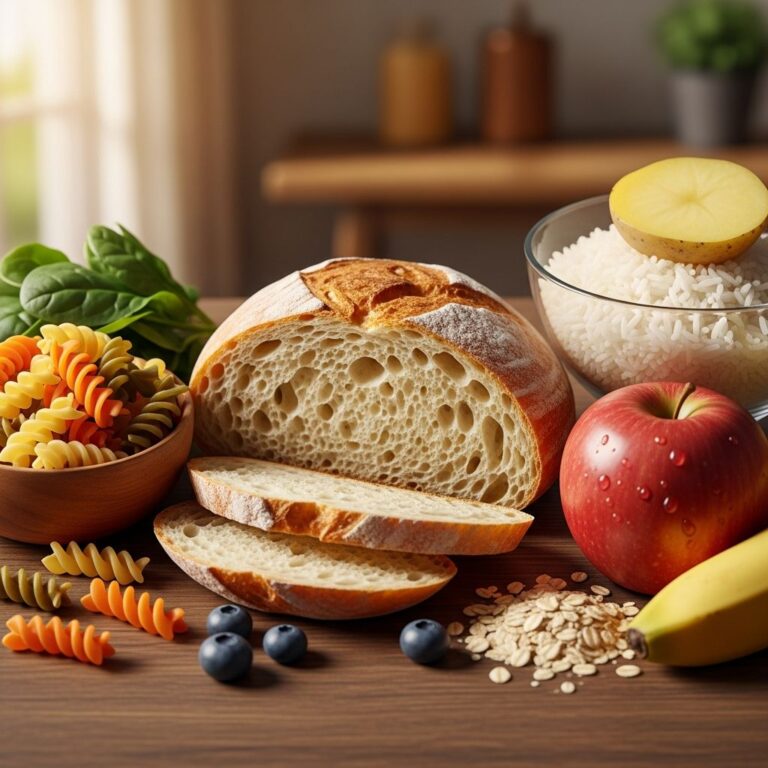
Beyond protein, your overall diet composition significantly affects muscle retention during weight loss. A well-rounded diet should include macronutrients, fiber, vitamins, and minerals to support overall health and muscle maintenance.
Sample Balanced Daily Menu
Breakfast
- 3 scrambled eggs with spinach and tomatoes
- 1 slice of whole grain toast
- 1 small apple
- Black coffee or green tea
Mid-Morning Snack
- Greek yogurt (plain, non-fat) with a handful of berries and chia seeds
Lunch
- Grilled chicken breast
- Quinoa or brown rice
- Steamed broccoli and carrots
- Olive oil and lemon dressing
Afternoon Snack
- Protein shake or smoothie with banana, almond butter, and unsweetened almond milk
Dinner
- Baked salmon or tofu
- Roasted sweet potatoes
- Mixed greens salad with avocado and pumpkin seeds
Optional Evening Snack
- Cottage cheese with a few walnuts or a boiled egg
The Role of Digestion and Nutrient Absorption
Your body needs to efficiently extract and use nutrients—especially protein, amino acids, vitamins, and minerals—to support muscle repair and growth. If your digestion is compromised due to poor gut health, low fiber intake, or gastrointestinal distress, you may not absorb enough essential nutrients even if you’re eating well. This can result in reduced muscle protein synthesis and greater muscle loss during weight loss.
To support optimal digestion:
- Consume adequate fiber from whole grains, vegetables, and fruits
- Stay properly hydrated; water supports digestion, nutrient transport, and muscle function
- Manage stress, which can compromise digestive function
- Consider digestive support if needed (probiotics, digestive enzymes)
Key Micronutrients for Muscle Health
Beyond protein and macronutrients, specific micronutrients play important roles in muscle preservation and function. Vitamin D and various minerals are particularly critical for maintaining muscle health as you age and lose weight.
Vitamin D
Vitamin D works synergistically with protein and exercise to support muscle health. Research indicates that consuming adequate vitamin D—along with physical activity and protein—is one of the most researched solutions for optimal muscle health.
Important Minerals
Minerals including iron, zinc, magnesium, and potassium all contribute to muscle function and recovery. These are found in foods like dark leafy greens, nuts, seeds, legumes, and whole grains.
Track Progress Beyond the Scale
Weight alone does not tell the full story of your progress. During weight loss with proper muscle-preserving strategies, your body composition changes significantly even if the scale doesn’t move as quickly as expected. Track additional metrics to get a complete picture:
- Strength improvements (how much weight you can lift)
- Muscle tone and definition
- How your clothes fit
- Energy levels and physical performance
- Body measurements (chest, arms, waist, thighs)
- Body composition analysis (if available)
These measurements often show positive changes even when the scale remains stable, indicating that fat loss is occurring alongside muscle preservation.
Dietary Patterns for Long-Term Success
Research suggests that certain dietary patterns offer inherent protection for muscle health. Mediterranean and Japanese diets, which are low in fat while being high in vegetables, fruits, and high-quality protein, may offer protection from muscle loss. In contrast, a typical Western diet—high in processed foods, refined grains, red and processed meats, and high-sugar drinks—is linked to increased muscle loss.
The Complete Strategy: Rest and Recovery
Muscle is not built during workouts; it’s built during recovery. Adequate sleep, stress management, and rest days are essential components of muscle preservation during weight loss. Aim for 7 to 9 hours of quality sleep per night, and allow at least one full rest day per week from structured exercise.
Frequently Asked Questions
Q: How long does it take to see results in muscle preservation while losing weight?
A: Most people notice improvements in strength and body composition within 4 to 6 weeks of consistent resistance training and proper nutrition. However, significant muscle preservation becomes apparent over 8 to 12 weeks of sustained effort.
Q: Can I build muscle while losing weight?
A: Yes, especially if you’re new to strength training or returning to exercise after a break. With proper nutrition (particularly adequate protein), resistance training, and a moderate calorie deficit, you can often build muscle while losing fat simultaneously.
Q: Is it better to do cardio or strength training for weight loss while maintaining muscle?
A: Strength training should be your priority for muscle preservation. Cardio is beneficial for overall health and can contribute to calorie deficit, but resistance training is the single most effective exercise type for maintaining muscle during weight loss. Ideally, incorporate both with strength training as the foundation.
Q: How much protein is too much?
A: While adequate protein intake helps preserve muscle, excessive protein does not improve muscle strength and could have adverse effects on metabolic function. Stay within the recommended range of 1.2 to 2.0 grams per kilogram of body weight daily.
Q: What if I have digestive issues that prevent adequate nutrient absorption?
A: Address underlying digestive issues by increasing fiber intake, staying hydrated, managing stress, and considering professional guidance. In some cases, digestive support supplements or medical consultation may be necessary to optimize nutrient absorption.
Conclusion: A Sustainable, Health-First Approach
Maintaining muscle mass while losing weight is achievable through a balanced, sustainable approach that prioritizes adequate protein intake, consistent resistance training, and a moderate calorie deficit. The key is embracing long-term habits rather than seeking quick fixes. By combining proper nutrition, regular strength-based exercise, adequate recovery, and tracking progress beyond the scale, you can successfully lose fat while preserving or even building lean muscle mass. This approach not only improves your physical appearance but also supports a faster metabolism, better strength, and improved overall health.
References
- Preserving Healthy Muscle During Weight Loss — National Institutes of Health, National Center for Biotechnology Information. 2017-06-08. https://pubmed.ncbi.nlm.nih.gov/28507015/
- Maintaining Muscle Mass While Losing Weight — Ask The Scientists. 2024. https://askthescientists.com/maintaining-muscle-mass/
- How to Maintain Muscle During Weight Loss: 5 Proven Tips — Sword Health. 2025. https://swordhealth.com/articles/maintain-muscle-during-weight-loss
- 8 Foods to Protect Your Muscles as You Age — AARP. 2024. https://www.aarp.org/health/healthy-living/foods-to-preserve-muscle-mass/
Similar Articles








Read full bio of medha deb