How to Make Hair Grow Faster: 6 Proven Strategies
Discover science-backed strategies to stimulate hair growth, from diet tweaks to expert treatments for thicker, healthier strands.
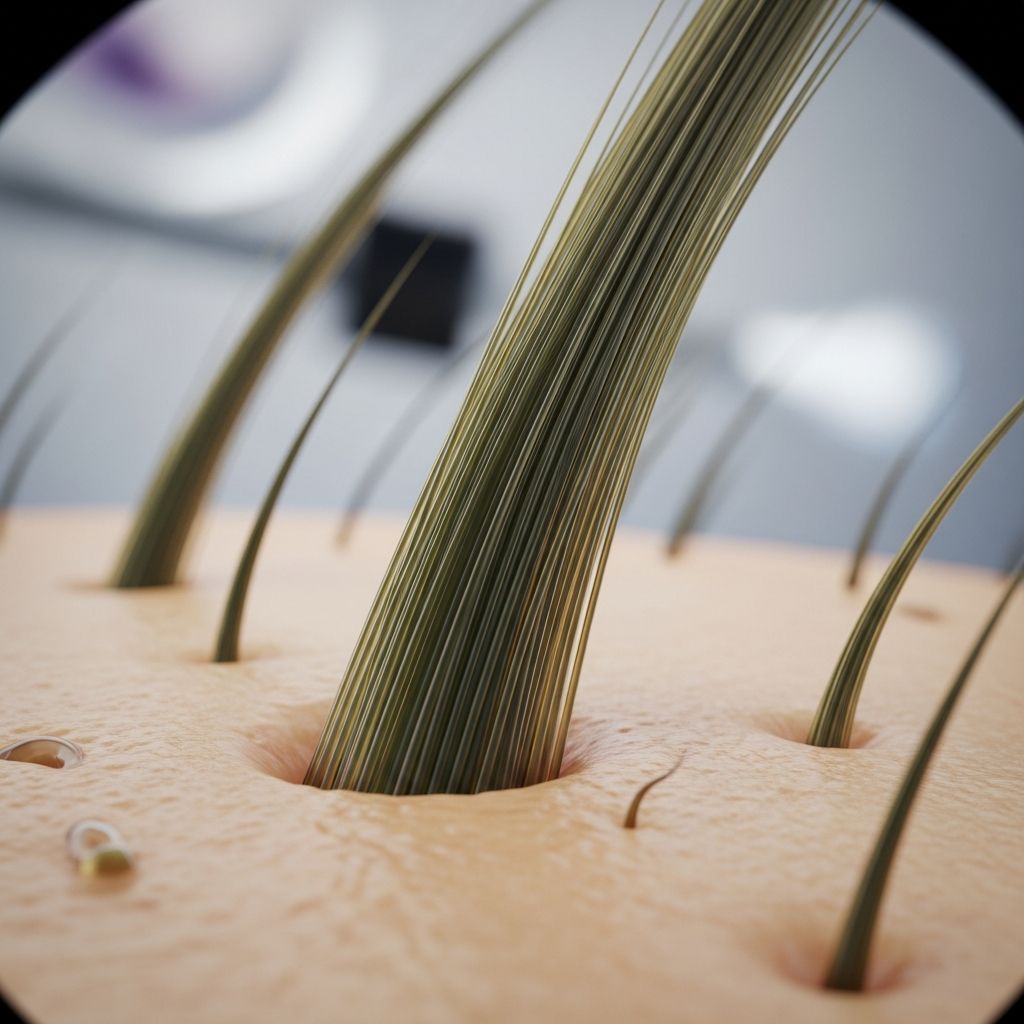
Hair grows about 0.5 inches per month on average, but certain strategies can optimize this process by supporting follicle health and minimizing breakage. Factors like nutrition, scalp care, and avoiding damage play key roles in promoting faster, stronger growth.
Understanding Hair Growth Cycles
The hair growth cycle consists of three phases: anagen (growth, lasting 2-7 years), catagen (transition, 2-3 weeks), and telogen (resting, 3 months), followed by shedding. Approximately 90% of hair is in the anagen phase at any time. Disruptions like stress or nutrient deficiencies can shorten anagen or prolong telogen, leading to thinner hair. Optimizing these cycles through targeted interventions can enhance visible length and density.
Nutritional Strategies for Faster Hair Growth
Diet profoundly impacts hair health, as follicles are highly metabolically active. Deficiencies in key nutrients can impair growth, while balanced intake supports proliferation.
- Protein-rich foods: Hair is primarily keratin, a protein. Inadequate intake leads to weakened strands and slowed growth.
- Iron: Essential for oxygen delivery to follicles; deficiency (ID) is linked to hair loss via impaired DNA synthesis in matrix cells.
- Zinc: Supports follicle repair; supplementation may help in deficiency cases, but excess causes toxicity.
- Omega fatty acids: Modulate androgen activity and promote proliferation; deficiencies are rare but correctable.
Over-supplementation risks harm: excess selenium, vitamin A, or E directly causes hair loss.
Key Nutrients Table
| Nutrient | Role in Hair Growth | Food Sources | Deficiency Risk |
|---|---|---|---|
| Iron | Cofactor for DNA synthesis in follicles | Spinach, red meat, lentils | Common in women, linked to telogen effluvium |
| Zinc | Follicle proliferation and repair | Oysters, nuts, seeds | Alopecia improvement with correction |
| Vitamin D | Regulates follicle cycling | Fatty fish, sunlight exposure | Animal models show hair loss in deficiency |
| Omega-3/6 | Inhibits 5α-reductase, enhances growth | Fish oil, flaxseeds | Rare, but topical oils aid deficiency |
Vitamin-Specific Insights
Vitamin D
Vitamin D receptors in follicle keratinocytes increase during anagen. Animal studies link deficiency to rickets-like hair loss; human data suggests supplementation benefits low levels.
Vitamin A
Activates stem cells but requires precise levels. Excess (hypervitaminosis A) strongly causes hair loss, skin issues, and bone changes.
Vitamin E
Antioxidant tocotrienols (100mg daily) increased hair count in one small study. However, high doses (600 IU) reduce thyroid hormones and harm growth.
Scalp Health and Massage
A healthy scalp is crucial for follicle function. Daily massages increase blood flow, delivering nutrients and potentially extending anagen. Use fingertips or tools for 4-5 minutes daily with oils like rosemary, which rivals minoxidil in studies for androgenetic alopecia.
- Cleanse gently 2-3 times weekly to avoid stripping oils.
- Exfoliate buildup with salicylic acid shampoos.
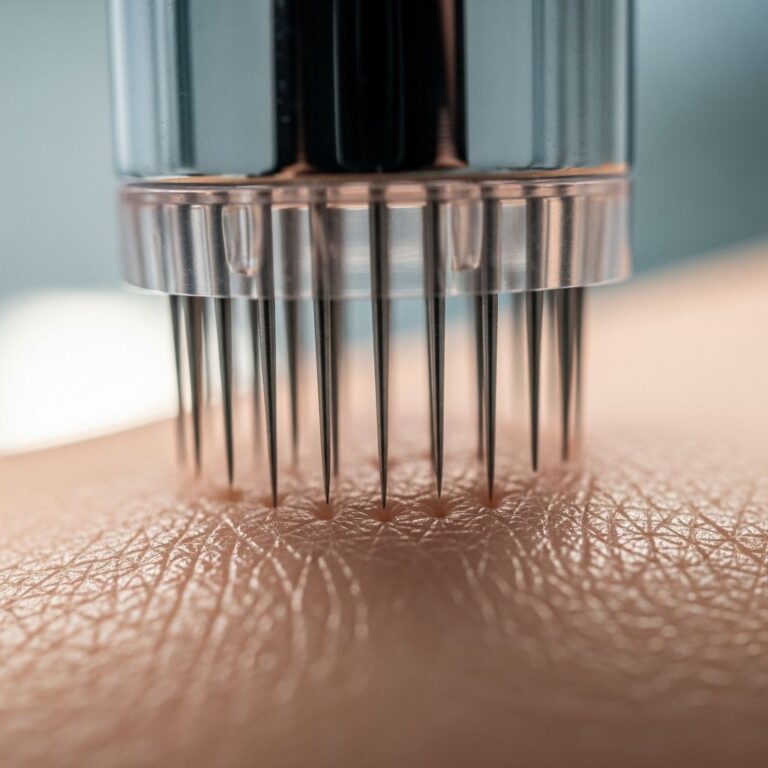
- Microneedling (0.5-1.5mm dermarollers) stimulates collagen and growth factors weekly.
Minimize Hair Damage from Styling
Mechanical and thermal damage causes breakage, mimicking slowed growth. Protective habits preserve length.
- Heat styling: Limit to 350°F max; use protectants.
- Chemicals: Space color treatments 8-12 weeks.
- Tight styles: Avoid ponytails causing traction alopecia.
- Tools: Silk pillowcases, wide-tooth combs reduce friction.
Lifestyle Factors Influencing Growth
Sleep (7-9 hours) regulates hormones; chronic stress elevates cortisol, pushing follicles to telogen. Exercise boosts circulation, while smoking impairs vascular supply.
- Manage stress via meditation or yoga.
- Hydrate (8+ glasses daily) for follicle hydration.
- Quit smoking for better oxygenation.
Related Stories



Supplements: Proceed with Caution
Only supplement proven deficiencies; multivitamins with biotin (if low) or marine collagen may help. Avoid high-dose combos with vitamin A/E/selenium due to toxicity risks. Consult doctors for blood tests.
Medical and Professional Treatments
For stubborn cases:
- Minoxidil (5% topical): FDA-approved; prolongs anagen.
- PRP therapy: Platelet-rich plasma injections stimulate follicles.
- Laser caps (LLLT): Low-level light therapy enhances cellular activity.
- Finasteride (oral/topical): For hormonal hair loss.
Dermatologist evaluation rules out thyroid issues, alopecia areata, etc.
Frequently Asked Questions (FAQs)
Can diet really make hair grow faster?
Yes, correcting deficiencies like iron or zinc supports growth cycles, but excess nutrients harm hair.
Does scalp massage work?
Studies show increased thickness via better circulation; consistency is key.
Is biotin effective for everyone?
Only if deficient; otherwise, no proven benefit and potential acne side effects.
How long to see results?
3-6 months for measurable growth; track with photos.
Does cutting hair ends make it grow faster?
No, it prevents split ends for healthier appearance but doesn’t affect rate.
Conclusion
Combining nutrition, gentle care, and professional input maximizes hair growth potential. Patience and consistency yield the best outcomes for lustrous, fast-growing hair.
References
- Diet and hair loss: effects of nutrient deficiency and supplement use — Guo EL, Katta R. Dermatol Clin. 2013-01-01. https://pmc.ncbi.nlm.nih.gov/articles/PMC5315033/
- Vitamin D and the hair follicle — Amor KT et al. Rev Endocr Metab Disord. 2010-03. https://doi.org/10.1007/s11154-009-9138-9
- Iron deficiency and hair loss — Trost LB et al. J Am Acad Dermatol. 2006-10. https://doi.org/10.1016/j.jaad.2006.05.001
- Zinc therapy in dermatology — Gupta M et al. Indian Dermatol Online J. 2014-07. https://pmc.ncbi.nlm.nih.gov/articles/PMC4120804/
- Effects of tocotrienol supplementation on hair growth — Beoy LA et al. Trop Life Sci Res. 2010-11. https://pmc.ncbi.nlm.nih.gov/articles/PMC4145253/
Similar Articles








Read full bio of Sneha Tete