Malabsorption: Causes, Symptoms, and Treatment Options
Comprehensive guide to understanding malabsorption syndrome, its causes, symptoms, diagnosis, and effective treatment strategies.
What Is Malabsorption?
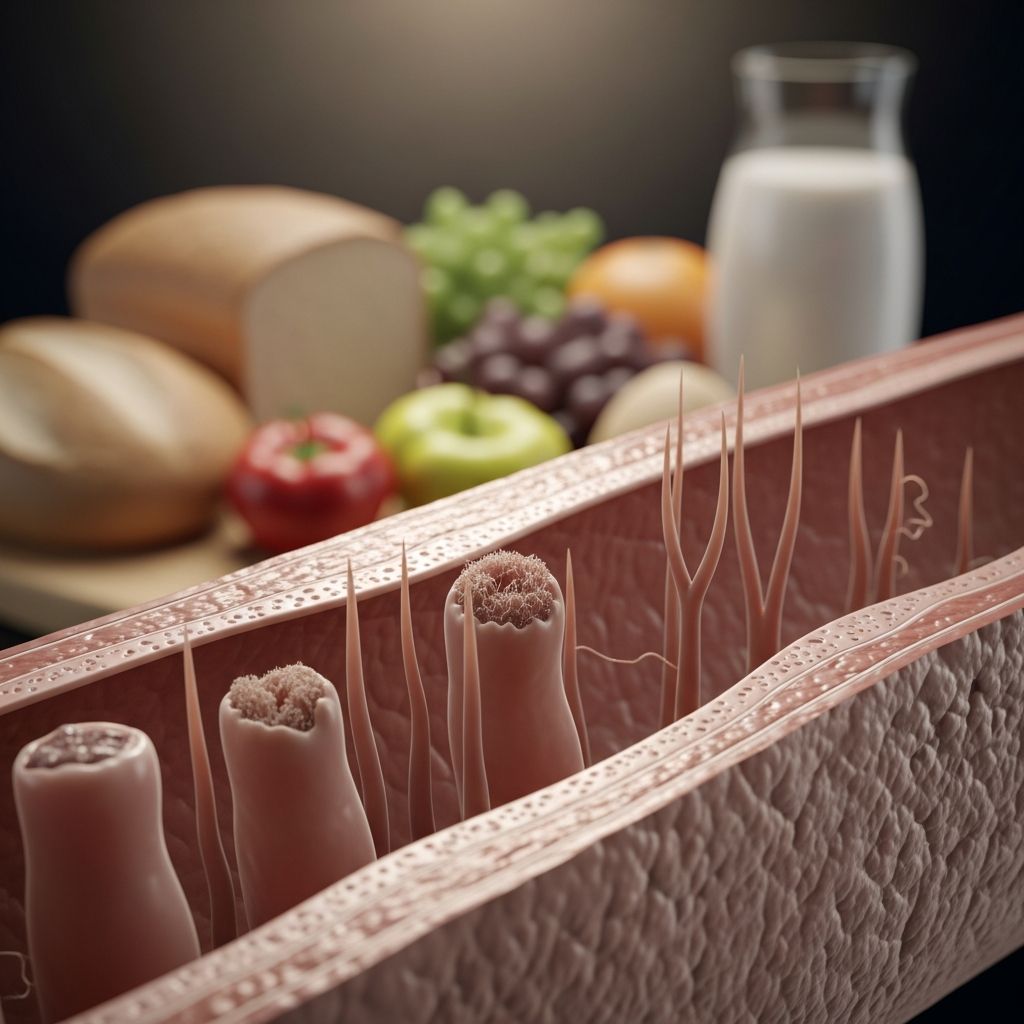
Malabsorption is a digestive disorder in which your small intestine cannot properly absorb nutrients from the foods you eat. This condition prevents your body from obtaining essential vitamins, minerals, proteins, fats, and carbohydrates needed for optimal health and functioning. When malabsorption occurs, nutrients pass through your digestive system without being properly absorbed, leading to nutritional deficiencies and various health complications. Understanding malabsorption is important because it can significantly impact your overall well-being and quality of life if left untreated.
Understanding the Digestive Process
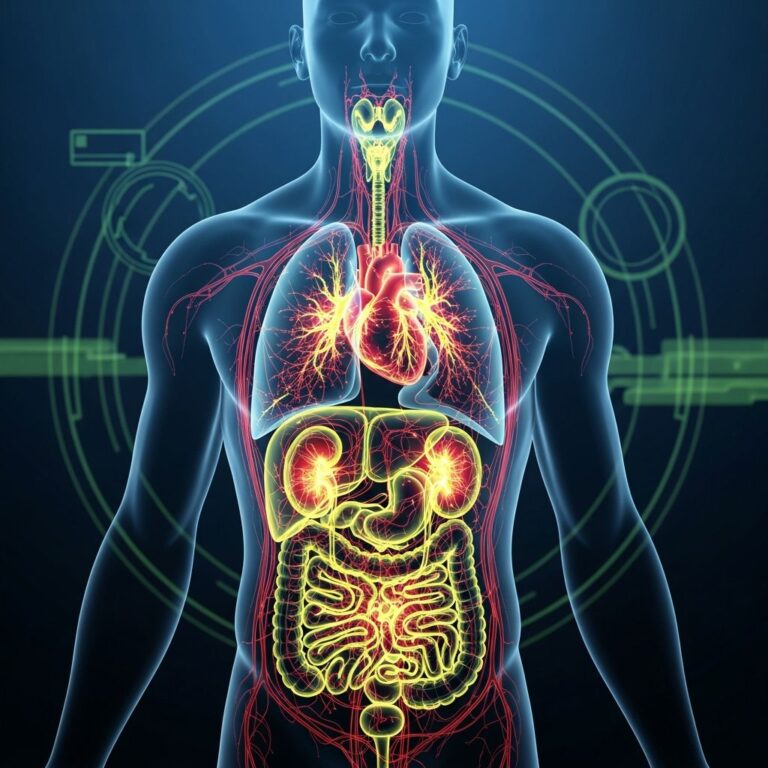
To comprehend malabsorption, it’s helpful to understand how normal digestion works. When you consume food, your digestive system breaks it down into smaller components through mechanical and chemical processes. Your stomach produces enzymes and acid to help digest food, while your pancreas contributes additional enzymes. These digestive substances work together to break food into absorbable nutrients. The small intestine, particularly the lining of the intestinal wall, plays the crucial role of absorbing these nutrients into the bloodstream. When this absorption process is compromised, malabsorption syndrome develops.
Common Causes of Malabsorption
Malabsorption can result from various underlying conditions and factors that damage or impair the small intestine’s absorptive capacity:
Intestinal Damage and Inflammation
Damage to the intestinal lining represents one of the primary causes of malabsorption. This damage can occur from infections, inflammatory conditions, trauma, or surgical procedures. Inflammatory bowel diseases like Crohn’s disease cause chronic inflammation of the gastrointestinal tract, affecting nutrient absorption. Celiac disease, an autoimmune condition triggered by gluten consumption, damages the intestinal lining and prevents nutrient uptake. Tropical sprue, a bacterial-mediated disease, produces similar effects to celiac disease and should be suspected in individuals with malabsorption who have traveled to tropical regions.
Pancreatic and Hepatic Disorders
The pancreas plays a vital role in digestion by producing enzymes that break down food components. Chronic pancreatitis and pancreatic insufficiency reduce enzyme production, impairing the digestive process. Similarly, diseases affecting the liver or gallbladder, such as chronic liver disease and cholestasis, interfere with bile production and flow. Bile is essential for fat digestion and fat-soluble vitamin absorption, so reduced bile availability directly contributes to malabsorption.
Genetic and Congenital Conditions
Some individuals are born with conditions that predispose them to malabsorption. Biliary atresia occurs when bile ducts don’t develop normally, preventing bile flow from the liver. Cystic fibrosis affects pancreatic enzyme production and secretion. Abetalipoproteinemia and Shwachman-Diamond syndrome are rare genetic disorders that impair nutrient absorption and pancreatic function respectively.
Surgical Complications
Surgical removal of portions of the small intestine, such as in gastric bypass procedures for weight loss or treatment of cancer, reduces the absorptive surface area. Short bowel syndrome develops when significant intestinal length is lost, limiting the body’s ability to absorb nutrients efficiently.
Infections and Parasites
Parasitic infections and certain bacterial overgrowth in the small intestine can damage the intestinal lining and interfere with nutrient absorption. Prolonged antibiotic use may disrupt the normal gut flora balance, contributing to malabsorption. Infections with organisms like those causing tropical sprue require specific antimicrobial treatment.
Medication Side Effects
Certain medications can injure the intestinal lining or interfere with nutrient absorption. Tetracycline, colchicine, and cholestyramine are known to cause malabsorption as a side effect. Some antacids and medications used for obesity management may also compromise nutrient absorption.
Related Stories



Food Intolerances
Lactose intolerance results from lactase deficiency, an enzyme needed to digest milk sugar. Cow’s milk protein intolerance and soy protein intolerance represent immune responses to specific food proteins that damage the intestinal lining and impair absorption.
Recognizing the Symptoms
Malabsorption presents with a variety of symptoms that can range from mild to severe, depending on which nutrients are being inadequately absorbed:
Gastrointestinal Symptoms
The most common gastrointestinal manifestations include chronic diarrhea, bloating, flatulence, and abdominal cramping. These symptoms occur because unabsorbed nutrients and fluids remain in the intestine, stimulating increased bowel movements. Steatorrhea, or fatty, greasy stools, indicates fat malabsorption. Some individuals experience constipation alternating with diarrhea, depending on the specific cause.
Systemic Symptoms
Weight loss despite adequate food intake is a hallmark symptom of malabsorption. As your body fails to absorb sufficient calories and nutrients, it begins using stored energy reserves. Fatigue and weakness develop due to insufficient caloric intake and micronutrient deficiencies. Muscle wasting may become apparent as protein malabsorption progresses. Some individuals report joint pain and generalized aching.
Signs of Nutritional Deficiencies
Specific nutritional deficiencies produce characteristic symptoms. Iron deficiency anemia causes pallor, shortness of breath, and cognitive difficulties. Vitamin D deficiency leads to bone pain, muscle weakness, and increased fracture risk. Vitamin B12 deficiency results in neurological symptoms including peripheral neuropathy and cognitive changes. Folate deficiency causes megaloblastic anemia. Vitamin K deficiency impairs blood clotting. Calcium deficiency contributes to osteoporosis and muscle cramps.
Diagnostic Approaches
Diagnosing malabsorption requires a comprehensive evaluation combining clinical assessment, laboratory testing, and imaging studies:
Clinical History and Physical Examination
Your healthcare provider will assess your symptom timeline, dietary habits, travel history (particularly to tropical regions), and medication use. Physical examination may reveal signs of malnutrition, such as weight loss, muscle wasting, and skin changes. Specific findings like glossitis or angular cheilitis suggest B vitamin deficiency.
Laboratory Testing
Blood tests evaluate levels of key nutrients including vitamin B12, folate, iron, vitamin D, and fat-soluble vitamins. Prothrombin time measures vitamin K status through clotting function. Albumin and prealbumin levels indicate protein nutrition status. Stool studies, including 72-hour fecal fat quantification, confirm fat malabsorption when fecal fat exceeds 7 grams daily.
Specialized Diagnostic Tests
Hydrogen breath tests detect carbohydrate malabsorption and bacterial overgrowth. Small intestinal biopsy provides direct visualization of intestinal lining pathology. Imaging studies including CT or MR enterography evaluate intestinal structure and identify inflammation or obstruction. Pancreatic insufficiency is assessed through pancreatic enzyme studies or imaging showing pancreatic atrophy or calcification.
Treatment Strategies
Malabsorption treatment focuses on addressing the underlying cause while managing symptoms and restoring nutritional status:
Treating the Underlying Cause
Specific treatment depends on the identified cause. For celiac disease, strict gluten avoidance allows intestinal healing and restoration of absorptive capacity. Crohn’s disease treatment may involve anti-inflammatory medications or immunosuppressants. Bacterial infections like tropical sprue require antibiotic therapy, often tetracycline for six months. Pancreatic insufficiency is managed with pancreatic enzyme replacement therapy. Surgical obstructions may require endoscopic removal or surgical intervention. When malabsorption results from simple food intolerances, dietary modification provides relief.
Nutritional Support and Supplementation
A high-calorie diet provides essential macronutrients and micronutrients to compensate for malabsorption. Vitamin and mineral supplements address specific deficiencies, including high-dose iron, folic acid, and vitamin B12. Enzyme supplements enhance nutrient breakdown and absorption. Fat-soluble vitamins (A, D, E, K) require special consideration as their absorption depends on adequate fat digestion. Medium-chain triglycerides may be recommended as they require less enzymatic breakdown for absorption.
Dietary Modifications
Your healthcare provider or registered dietitian may recommend specific dietary adjustments based on the underlying cause. For bile acid malabsorption, a low-fat and low-fiber diet reduces diarrhea. Foods high in potassium help maintain electrolyte balance. In some cases, smaller, more frequent meals improve tolerance and absorption. Avoiding trigger foods prevents symptom exacerbation.
Pharmacological Management
Antidiarrheal medications such as loperamide may be prescribed to reduce bowel frequency and allow more time for nutrient absorption. Bile acid sequestrants like cholestyramine help manage bile acid malabsorption. Acid-reducing medications may be used when hypersecretion contributes to malabsorption. Anti-inflammatory medications or steroids address underlying inflammatory conditions.
Advanced Nutritional Support
When oral supplementation proves insufficient, tube feeding or specialized nutritional formulas provide additional support. Total parenteral nutrition (TPN) delivers nutrition directly into the bloodstream through a vein when intestinal absorption is severely compromised. Your healthcare team determines the appropriate caloric content and nutrient composition based on your specific needs.
Management of Dehydration
Chronic diarrhea associated with malabsorption increases dehydration risk. Signs of dehydration include increased thirst, reduced urine output, and dry mouth, skin, or tongue. Adequate fluid and electrolyte replacement is essential. Oral rehydration solutions containing appropriate sodium and potassium ratios help restore balance more effectively than water alone.
Long-Term Outlook and Prognosis
The prognosis for malabsorption depends significantly on the underlying cause and how effectively it can be addressed. Some causes, such as food intolerances, respond well to simple dietary modifications with excellent long-term outcomes. Infectious causes like tropical sprue often resolve completely with appropriate antibiotic therapy. Genetic conditions like cystic fibrosis require ongoing management but life expectancy has improved dramatically with modern therapeutic approaches. Inflammatory conditions require sustained treatment to maintain remission and prevent complications. Early diagnosis and appropriate treatment are crucial for preventing serious nutritional deficiencies and their associated complications.
Frequently Asked Questions
Q: How is malabsorption different from malnutrition?
A: Malabsorption is a digestive dysfunction preventing nutrient absorption, while malnutrition is the resulting nutritional deficiency state. Malabsorption causes malnutrition, but malnutrition can also result from inadequate dietary intake.
Q: Can malabsorption be cured?
A: The curability of malabsorption depends on its cause. Food intolerances respond well to dietary avoidance. Some infections resolve with appropriate treatment. Inflammatory conditions require ongoing management. Genetic conditions typically require lifelong management but improved quality of life is achievable with proper treatment.
Q: What complications can develop from untreated malabsorption?
A: Untreated malabsorption can lead to severe nutritional deficiencies, anemia, osteoporosis, neurological damage from B12 deficiency, impaired immune function, growth delays in children, and general wasting.
Q: How long does treatment take to show results?
A: Treatment response timelines vary. Simple dietary modifications may provide symptom relief within days. Some conditions like celiac disease show gradual intestinal healing over weeks to months. Nutritional repletion may take several months depending on deficiency severity.
Q: Can I manage malabsorption with diet alone?
A: Diet plays an important role in managing malabsorption, particularly for food intolerances. However, most cases require additional interventions including supplements, medication, or treatment of underlying conditions. Your healthcare provider will determine the appropriate treatment approach.
References
- Malabsorption Syndrome: Causes, Symptoms, and Risk Factors — Healthline. 2024. https://www.healthline.com/health/malabsorption
- Malabsorption — MedlinePlus Medical Encyclopedia, U.S. National Library of Medicine. 2024. https://medlineplus.gov/ency/article/000299.htm
- Malabsorption Syndromes — StatPearls, National Center for Biotechnology Information. 2024. https://www.ncbi.nlm.nih.gov/books/NBK553106/
- Malabsorption (Syndrome): Symptoms, Causes & Treatment — Cleveland Clinic. 2024. https://my.clevelandclinic.org/health/diseases/22722-malabsorption
- Malabsorption Information — Mount Sinai Health System. 2024. https://www.mountsinai.org/health-library/diseases-conditions/malabsorption
- Malabsorption Syndrome — Kaiser Permanente Health Encyclopedia. 2024. https://healthy.kaiserpermanente.org/health-wellness/health-encyclopedia/he.malabsorption-syndrome.tm6318
Similar Articles








Read full bio of medha deb