Malabsorption Syndrome: Symptoms, Causes & Treatment
Understanding malabsorption syndrome: Comprehensive guide to symptoms, causes, diagnosis, and evidence-based treatment options.
Understanding Malabsorption Syndrome
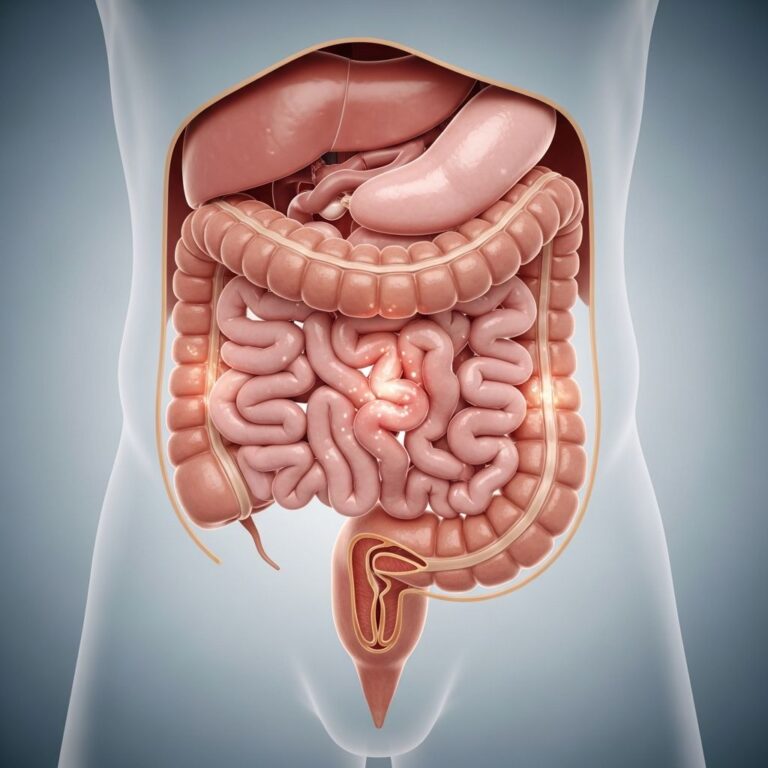
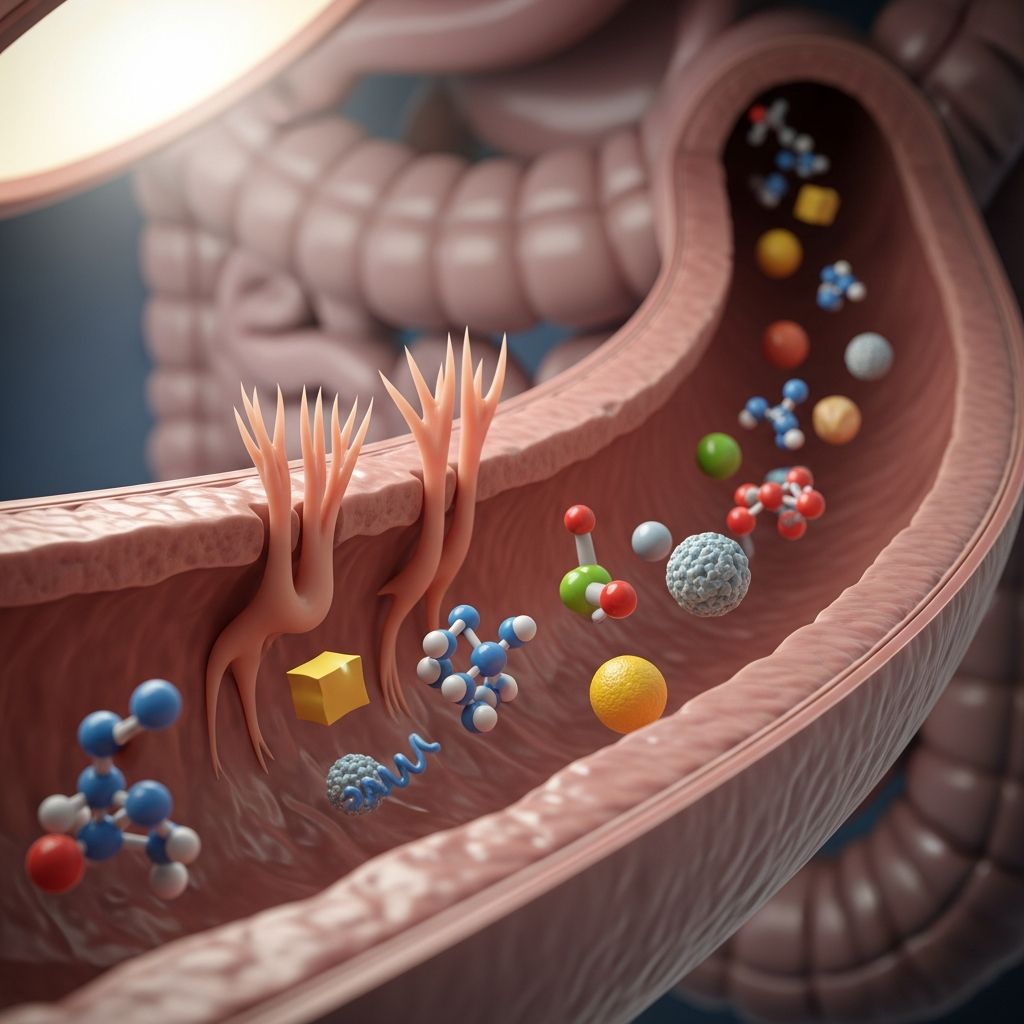
Malabsorption syndrome is a complex gastrointestinal condition characterized by the inability of your digestive system to properly absorb nutrients from the food you consume. This disorder affects how your body processes and utilizes essential nutrients, including fats, proteins, carbohydrates, vitamins, and minerals. When your intestines cannot adequately absorb these vital components, it can lead to serious nutritional deficiencies and related health complications. Malabsorption can develop suddenly or progress gradually, and its severity varies widely depending on the underlying cause and the extent of intestinal involvement.
The condition represents a significant challenge in modern healthcare because it can result from numerous different causes, each requiring specific diagnostic approaches and treatment strategies. Understanding malabsorption syndrome is crucial for both healthcare providers and patients, as early recognition and appropriate management can prevent serious complications and significantly improve quality of life.
What Causes Malabsorption Syndrome?
Malabsorption syndrome can develop from various underlying conditions that interfere with normal nutrient absorption. These causes can be broadly categorized into several groups:
Gastrointestinal Surgical Procedures
Surgical removal or alteration of portions of the digestive tract is one of the most common causes of malabsorption. Procedures such as gastric bypass surgery, small bowel resection, or removal of the terminal ileum can significantly reduce the surface area available for nutrient absorption. These surgeries, while sometimes necessary for treating other conditions like obesity or Crohn’s disease complications, can result in long-term malabsorption issues that require careful nutritional management.
Inflammatory Bowel Diseases
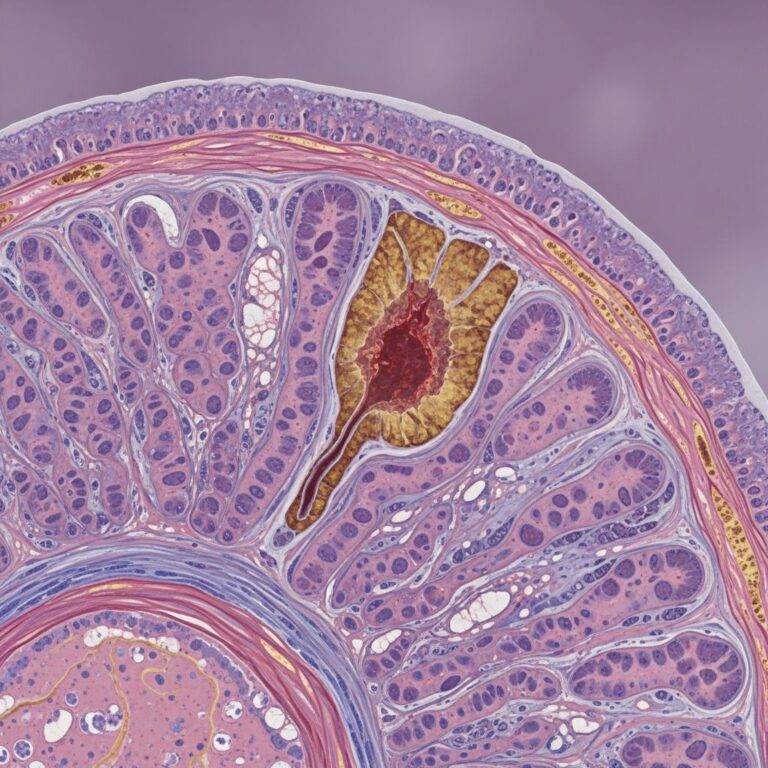
Conditions such as Crohn’s disease and ulcerative colitis cause chronic inflammation of the digestive tract, damaging the intestinal lining and reducing its capacity to absorb nutrients effectively. The inflammatory process can create areas of scarring and strictures that further impair nutrient absorption and gastrointestinal motility.
Pancreatic Insufficiency
The pancreas produces enzymes essential for breaking down fats, proteins, and carbohydrates. When pancreatic function is compromised due to chronic pancreatitis, cystic fibrosis, or pancreatic cancer, insufficient enzyme production leads to incomplete nutrient digestion and malabsorption. This is particularly problematic for fat-soluble vitamins that require pancreatic lipase for proper absorption.
Bile Acid Malabsorption
Bile acids are crucial for fat digestion and absorption. When the terminal ileum is damaged or surgically removed, bile acid reabsorption is impaired, leading to malabsorption of fats and fat-soluble vitamins. This can result from Crohn’s disease, radiation therapy, or surgical procedures affecting this region of the small intestine.
Small Intestinal Bacterial Overgrowth
When bacteria colonize the small intestine in excessive numbers, they can interfere with normal nutrient absorption and cause inflammation. This condition, known as SIBO, can develop as a complication of other gastrointestinal disorders and requires specific treatment approaches.
Celiac Disease
This autoimmune disorder damages the small intestinal lining when gluten is consumed, severely impairing nutrient absorption. Celiac disease can affect the absorption of multiple nutrients, including iron, calcium, and B vitamins.
Related Stories



Mesenteric Ischemia
Reduced blood flow to the intestines can damage the intestinal lining and impair its absorptive capacity. This serious condition requires prompt medical intervention to prevent intestinal tissue death.
Other Contributing Factors
Additional causes include radiation enteritis from cancer treatment, certain medications, tropical sprue, whipple’s disease, and various genetic disorders affecting digestive enzyme production or nutrient transport mechanisms.
Recognizing Symptoms of Malabsorption
Malabsorption syndrome presents with a characteristic constellation of symptoms that often become more pronounced as the condition progresses. Recognizing these signs early is essential for timely diagnosis and intervention.
Primary Gastrointestinal Symptoms
The most notable symptoms include chronic diarrhea, which is often fatty and particularly foul-smelling due to unabsorbed fats in the stool. Patients frequently experience significant abdominal bloating, gas, and cramping pain. These symptoms typically worsen after eating and can severely impact daily activities and quality of life. Nausea and loss of appetite are common, further contributing to reduced nutritional intake at a time when the body is already struggling to absorb available nutrients.
Signs of Nutritional Deficiency
As malabsorption progresses, patients often develop visible signs of malnutrition. Unexplained weight loss occurs despite adequate food intake, representing one of the hallmark features of the syndrome. Muscle wasting becomes evident as the body breaks down muscle tissue for energy due to inadequate protein absorption. Hair loss, dry skin, and brittle nails develop from deficiencies in essential fatty acids and fat-soluble vitamins. Anemia may develop from inadequate iron, vitamin B12, or folate absorption, causing fatigue, weakness, and shortness of breath.
Bone and Systemic Manifestations
Prolonged malabsorption leads to bone disease, manifesting as bone pain, increased fracture risk, and in severe cases, osteoporosis. Neurological symptoms such as peripheral neuropathy, numbness, and tingling can result from vitamin B12 and other nutrient deficiencies. Some patients experience night blindness and vision problems from vitamin A deficiency, while others develop dermatological manifestations including dermatitis and eczema.
Varied Presentation
It is important to note that malabsorption symptoms can vary considerably between individuals. Some people experience predominantly gastrointestinal symptoms, while others present primarily with signs of malnutrition. The severity and combination of symptoms often depend on the specific cause, duration of malabsorption, and the extent of intestinal involvement.
Diagnosing Malabsorption Syndrome
Diagnosing malabsorption syndrome is often a systematic process that begins with a thorough clinical evaluation and progresses through various diagnostic tests to identify the underlying cause.
Initial Clinical Assessment
Your healthcare provider will conduct a comprehensive history and physical examination, paying particular attention to your gastrointestinal symptoms, dietary habits, and any history of gastrointestinal surgery or chronic disease. A known history of inflammatory bowel disease, pancreatic disease, or previous abdominal surgery raises clinical suspicion for malabsorption. Physical examination findings such as obvious muscle wasting, dermatological manifestations, or signs of anemia can be highly suggestive of malabsorption and malnutrition.
Laboratory Testing
Initial laboratory tests typically include a complete blood count to assess for anemia, comprehensive metabolic panel to evaluate electrolytes and organ function, and measurement of serum albumin and prealbumin to assess nutritional status. More specific tests may include measurement of fat-soluble vitamins (A, D, E, and K) and vitamin B12 levels. Fecal fat testing, which measures the amount of fat in your stool over several days, can confirm fat malabsorption. Elevated fecal fat levels are highly indicative of malabsorption syndrome.
Specialized Diagnostic Tests
Depending on clinical suspicion, additional tests may include the SeHCAT test for bile acid malabsorption, which uses a radioactive tracer to measure bile acid reabsorption. Hydrogen breath testing can diagnose carbohydrate malabsorption and small intestinal bacterial overgrowth. Tissue transglutaminase (tTG) antibody testing helps screen for celiac disease. Pancreatic elastase testing can assess pancreatic enzyme production.
Imaging and Endoscopy
Imaging studies such as computed tomography or magnetic resonance imaging can visualize intestinal structure and identify abnormalities. Upper endoscopy and colonoscopy with biopsy allow direct visualization of the intestinal lining and collection of tissue samples to evaluate for inflammation, infection, or other pathology. These procedures are particularly valuable when celiac disease, inflammatory bowel disease, or other mucosal conditions are suspected.
Treatment Approaches for Malabsorption
Treatment of malabsorption syndrome depends on identifying and addressing the underlying cause, combined with nutritional support to correct existing deficiencies and prevent future complications.
Treating the Underlying Cause
When malabsorption results from a specific treatable condition, addressing that condition is the primary therapeutic goal. For celiac disease, this means strict adherence to a gluten-free diet. For bile acid malabsorption, bile acid sequestrants can be used to bind bile acids in the intestine and prevent diarrhea. For small intestinal bacterial overgrowth, specific antibiotics may be prescribed. For inflammatory bowel disease, anti-inflammatory medications and biologics may improve intestinal healing and nutrient absorption.
Dietary Modifications
Dietary adjustments are fundamental to managing malabsorption. For food intolerance-related malabsorption, elimination of the offending food is often sufficient. For general malabsorption, a diet low in fat combined with increased protein and calorie intake helps compensate for absorption losses. Some patients benefit from consuming frequent, small meals rather than three large meals daily. For lactose intolerance-related malabsorption, dairy avoidance or lactase enzyme supplementation may be necessary.
Nutritional Supplementation
Oral nutritional supplements are often necessary to meet increased caloric and nutrient requirements. These supplements come in various formulations designed for different absorption capacities and nutritional needs. When oral intake is inadequate, enteral nutrition delivered through nasogastric tubes or percutaneous endoscopic gastrostomy tubes may be necessary. In severe cases with extensive intestinal damage or failure, parenteral nutrition delivered intravenously may be required to maintain adequate hydration and nutrition.
Enzyme Replacement
Pancreatic enzyme replacement therapy is essential for patients with pancreatic insufficiency. These enzymes must be taken with meals to assist in nutrient digestion. Dosing is adjusted based on symptom response and stool consistency. Some patients require high-dose enzyme therapy to achieve adequate nutrient absorption.
Micronutrient Replacement
Specific vitamin and mineral supplementation is often necessary. Fat-soluble vitamins (A, D, E, and K) may require administration in special formulations or by injection to bypass the impaired digestive absorption. Vitamin B12 may require intramuscular injection when ileal absorption is compromised. Iron, calcium, and other minerals are supplemented based on laboratory test results and clinical presentation.
Prognosis and Long-Term Management
The prognosis for malabsorption syndrome varies significantly based on the underlying cause and the extent of intestinal involvement. Some causes, such as food intolerance-related malabsorption or specific infectious causes, may be completely reversible with appropriate treatment. Others, such as extensive small bowel resection or severe pancreatic insufficiency, require lifelong management and nutritional support.
Many patients with malabsorption can significantly improve their symptoms and nutritional status through a combination of treating the underlying cause and implementing appropriate dietary and supplemental interventions. Regular follow-up with healthcare providers, including gastroenterologists and nutritionists, is essential for monitoring nutritional status and adjusting treatment plans as needed. Lifestyle modifications, medication adherence, and consistent monitoring can help most patients with malabsorption maintain adequate nutrition and quality of life.
Frequently Asked Questions About Malabsorption Syndrome
Q: Can malabsorption syndrome be completely cured?
A: The curability of malabsorption depends on its underlying cause. If malabsorption results from a treatable condition like celiac disease or food intolerance, proper treatment may lead to complete resolution. However, malabsorption from extensive intestinal surgery or permanent pancreatic damage typically requires lifelong management rather than cure. Your healthcare provider can discuss the specific prognosis for your condition.
Q: How long does it take to see improvement after starting treatment?
A: The timeline for improvement varies widely depending on the cause and type of treatment. Some patients notice symptom improvement within days to weeks after starting appropriate therapy, while others may require several months for significant changes. Nutritional status typically improves more slowly than symptom resolution, often requiring several weeks to months of consistent supplementation.
Q: Are there any foods I should avoid with malabsorption syndrome?
A: Dietary recommendations depend on the specific cause of your malabsorption. Generally, a low-fat diet with adequate protein is recommended for most patients. However, specific food restrictions depend on whether you have lactose intolerance, celiac disease, or other specific conditions. Your nutritionist can provide personalized dietary guidance based on your particular situation.
Q: Can stress make malabsorption worse?
A: Stress can exacerbate gastrointestinal symptoms and may worsen some underlying conditions that cause malabsorption. Stress management techniques such as relaxation exercises, meditation, and counseling may help some patients manage their symptoms more effectively alongside medical treatment.
Q: What happens if malabsorption is left untreated?
A: Untreated malabsorption can lead to serious complications including severe malnutrition, anemia, osteoporosis, peripheral neuropathy, and other nutrient deficiency-related conditions. Prolonged malabsorption can also result in decreased quality of life, increased infection risk due to impaired immune function, and potentially life-threatening complications. Prompt diagnosis and treatment are essential to prevent these serious outcomes.
References
- Intestinal Failure Management at the Cleveland Clinic — Cleveland Clinic, JAMA Surgery. 2024. https://jamanetwork.com/journals/jamasurgery/fullarticle/406046
- Bile Acid Malabsorption: Symptoms, Causes & Treatment — Cleveland Clinic. 2024. https://my.clevelandclinic.org/health/diseases/24312-bile-acid-malabsorption
- SIBO: Small Intestinal Bacterial Overgrowth — Cleveland Clinic. 2024. https://my.clevelandclinic.org/health/diseases/21820-small-intestinal-bacterial-overgrowth-sibo
- Malnutrition: Definition, Causes, Symptoms & Treatment — Cleveland Clinic. 2024. https://my.clevelandclinic.org/health/diseases/22987-malnutrition
Similar Articles








Read full bio of Sneha Tete