Malaria: Causes, Symptoms, Diagnosis, Treatment & Prevention
Complete guide to malaria: understanding causes, symptoms, diagnosis, and effective treatment options.
Understanding Malaria: A Serious Parasitic Disease
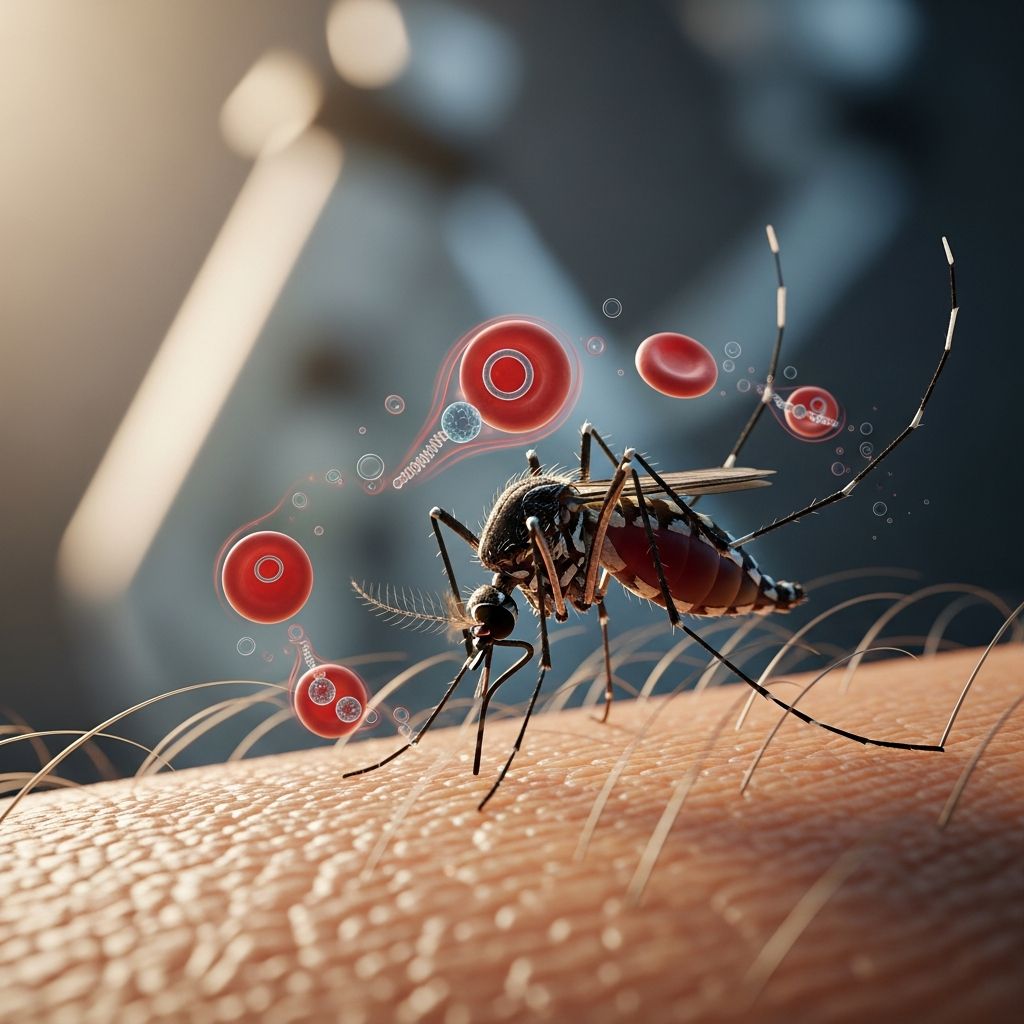
Malaria is a serious, sometimes fatal, illness caused by parasites that are transmitted through the bite of infected mosquitoes. This disease poses a significant public health threat, particularly in warm, humid regions of the world. When left untreated, malaria can rapidly progress to severe complications that may be life-threatening. However, with prompt diagnosis and appropriate antimalarial medications, malaria can be effectively cured. Understanding the disease, recognizing its symptoms, and seeking immediate medical attention are crucial steps in managing this condition successfully.
Geographic Distribution and Risk Areas
Malaria is most common in areas with warm temperatures and high humidity. The disease is endemic in tropical and subtropical regions across Africa, Asia, Latin America, and the Middle East. Travelers and individuals living in these regions face the highest risk of infection. It is essential for anyone planning to visit these areas to be aware of malaria transmission patterns and take appropriate preventive measures. The risk varies by season, altitude, and specific location within endemic countries, so consulting travel health resources before departure is recommended.
The Malaria Parasite: Plasmodium Species
Malaria is caused by Plasmodium parasites, which are transmitted to humans through mosquito bites. There are several species of Plasmodium that cause malaria in humans, each with different characteristics and treatment requirements. Plasmodium falciparum and P. knowlesi are the most dangerous species, as they can cause rapidly progressive severe illness or death if not treated promptly. The other species—P. vivax, P. ovale, and P. malariae—are generally less likely to cause severe disease, though they still require appropriate treatment.
An important distinction exists for P. vivax and P. ovale infections: these species have a dormant liver stage called hypnozoites that can cause relapsing episodes months or even years after the initial infection. Additionally, different Plasmodium species exhibit varying patterns of drug resistance depending on their geographic location, which significantly influences treatment decisions.
Recognizing Malaria Symptoms
The symptoms of malaria typically appear between 10 to 15 days after a mosquito bite, though in some cases they may not manifest for several weeks or even months. Early recognition of these symptoms is vital for timely diagnosis and treatment. Common malaria symptoms include:
- High fever and chills
- Severe headache and body aches
- Fatigue and general weakness
- Nausea and vomiting
- Diarrhea
- Anemia (low red blood cell count)
- Jaundice (yellowing of skin and eyes)
Symptoms may occur in cycles, often following a pattern of fever spikes alternating with periods of sweating and chills. Anyone who has traveled to or lives in a country where malaria is common and develops these symptoms should seek immediate medical attention.
Severe Complications of Untreated Malaria
If left untreated, malaria can cause severe and potentially fatal complications. These serious conditions include:
- Cerebral malaria (affecting the brain and causing coma or permanent neurological damage)
- Severe anemia requiring blood transfusions
- Acute kidney injury or complete kidney failure
- Acute respiratory distress syndrome
- Circulatory collapse and shock
- Disseminated intravascular coagulation (abnormal blood clotting)
- Metabolic acidosis
- Multi-organ failure
Related Stories



These complications can be fatal, underscoring the critical importance of early diagnosis and immediate treatment.
Diagnostic Methods for Malaria
Healthcare providers use several diagnostic approaches to confirm malaria and identify the specific parasite species causing the infection. Accurate diagnosis is essential for determining the appropriate treatment regimen.
Blood Smear Microscopy
The blood smear is the most common and accurate malaria test. A lab technician, doctor, or nurse collects a blood sample and sends it to a laboratory. The technician applies a special stain to make parasites visible, spreads the blood on a glass slide, and examines it under a microscope. A thick smear is typically used to diagnose malaria, while a thin smear helps identify the specific Plasmodium species and determines the percentage of infected red blood cells.
Antibody Testing
Doctors use antibody tests to determine if a patient has had malaria previously. This test detects antibodies—proteins produced by the immune system in response to malaria exposure. While useful for identifying past infections, antibody tests are not typically used for acute infection diagnosis.
Drug Resistance Testing
Some malaria parasites have developed resistance to certain antimalarial medications. The CDC recommends that doctors test malaria parasites to determine which drugs will be effective against the specific infection. This testing is particularly important for infections acquired in areas known to have drug-resistant parasites.
Additional Blood Tests
Healthcare providers often order additional blood tests including complete blood counts and chemistry panels. These tests help assess the severity of infection and identify potential complications such as anemia, kidney dysfunction, or liver involvement.
Malaria Treatment Approach
Once malaria is diagnosed, appropriate antimalarial treatment must be initiated immediately. Treatment should be guided by four main factors: the infecting Plasmodium species, the patient’s clinical status, the expected drug susceptibility of the parasite based on geographic origin, and any previous use of antimalarials including prophylaxis medications.
Uncomplicated vs. Severe Malaria
Patients with uncomplicated malaria can typically be treated effectively with oral antimalarial medications at home or in an outpatient setting. However, patients with severe malaria—defined by clinical criteria such as impaired consciousness, severe anemia (hemoglobin <7 g/dL), acute kidney injury, respiratory distress, circulatory collapse, disseminated intravascular coagulation, acidosis, jaundice with other severe signs, or parasitemia ≥5%—require aggressive treatment with intravenous antimalarial therapy, often in a hospital setting.
Antimalarial Medications
Several antimalarial medications are available, and the choice depends on the parasite species, drug resistance patterns, and disease severity.
Chloroquine and Hydroxychloroquine
These medications are recommended for chloroquine-sensitive P. falciparum, P. malariae, and P. knowlesi infections with uncomplicated symptoms. Chloroquine-sensitive malaria strains are found in Central America west of the Panama Canal, Haiti, and the Dominican Republic.
Combination Therapies
For chloroquine-resistant infections, doctors may prescribe quinine sulfate combined with doxycycline, tetracycline, or clindamycin. Primaquine phosphate can be added to chloroquine or hydroxychloroquine for chloroquine-resistant P. vivax or P. ovale infections, as it effectively eliminates the dormant liver forms that cause relapses.
Intravenous Treatments
For severe malaria, artesunate is administered intravenously for the first 24 hours, followed by three days of artemisinin-based combination therapy. Quinidine gluconate is another IV option for serious infections, sometimes combined with clindamycin, doxycycline, or tetracycline depending on symptom severity.
Treatment Duration and Recovery
Antimalarial medications can cure malaria, especially when started early in the disease course. Treatment typically lasts approximately two weeks, though patients often begin feeling better within a few days of starting therapy. Many patients may require hospitalization, at least to initiate treatment and ensure proper monitoring. It is crucial to take all medications exactly as prescribed, even if symptoms improve, to ensure complete parasite elimination and prevent relapse. Patients should contact their healthcare provider immediately if they do not improve or if symptoms worsen during treatment.
Monitoring Treatment Response
For P. falciparum, P. knowlesi, or suspected chloroquine-resistant P. vivax infections, blood smears should be repeated every 12 to 24 hours to monitor parasitological response to treatment and track the decrease in parasite density. It is recommended to document a negative malaria smear after treatment completion, though this can be done on an outpatient basis depending on the patient’s clinical and parasitological response and the clinician’s judgment.
Malaria Prevention Strategies
Prevention is the most effective approach to malaria control. Several strategies can significantly reduce infection risk for travelers and residents of endemic areas.
Preventive Medications
Healthcare providers can prescribe antimalarial medications such as chloroquine, primaquine, or Malarone (atovaquone-proguanil) for chemoprophylaxis. The specific drug recommended depends on the travel destination and potential interactions with other medications. These preventive medications should be taken before travel, during the stay in the endemic area, and for a specified period after returning home.
Mosquito Bite Prevention
Wearing long pants and long-sleeved shirts from dusk to dawn—the time when malaria-transmitting mosquitoes are most active—is an effective protective measure. Additional precautions include using insect repellents containing DEET or picaridin, sleeping under insecticide-treated bed nets, and staying in screened or air-conditioned accommodations when possible.
When to Seek Medical Care
Anyone who has traveled to or lives in a country where malaria is common and develops symptoms consistent with malaria should see a healthcare provider right away. Early diagnosis provides the best chance for a full recovery without complications. It is important to inform healthcare providers about travel history within the past year so they know to test for malaria.
Frequently Asked Questions
Q: How long does it take for malaria symptoms to appear?
A: Malaria symptoms typically appear between 10 to 15 days after an infected mosquito bite, though symptoms can sometimes develop several weeks or even months later. This delayed onset makes travel history crucial for diagnosis.
Q: Can malaria be cured?
A: Yes, malaria can be cured with appropriate antimalarial medications, especially when treatment is started early. Medications kill the Plasmodium parasites and allow for complete recovery when taken as prescribed.
Q: Which areas of the world have the highest malaria risk?
A: Malaria is most common in tropical and subtropical regions with warm temperatures and high humidity, including parts of Africa, Asia, Latin America, and the Middle East. Risk levels vary by specific location and season.
Q: Is malaria preventable?
A: Yes, malaria is largely preventable through antimalarial medications, insect repellents, protective clothing, and bed nets. Travelers to endemic areas should consult healthcare providers about appropriate prevention strategies.
Q: What should I do if I think I have malaria?
A: Seek immediate medical attention if you have symptoms consistent with malaria, especially if you have traveled to or live in a malaria-endemic area. Early diagnosis and treatment are essential for preventing serious complications.
References
- General Approach to Treatment | Malaria — Centers for Disease Control and Prevention. 2024. https://www.cdc.gov/malaria/hcp/clinical-guidance/general-treatment.html
- Malaria: Causes, Symptoms, and Treatment — WebMD. 2024. https://www.webmd.com/a-to-z-guides/malaria
- Malaria: Causes, Symptoms, Diagnosis, Treatment & Prevention — Cleveland Clinic. 2024. https://my.clevelandclinic.org/health/diseases/15014-malaria
- Protecting yourself against malaria — Cleveland Clinic Journal of Medicine. 2005. https://www.ccjm.org/content/ccjom/69/6/480.full.pdf
Similar Articles








Read full bio of Sneha Tete