Malaria: 5 Essential Facts About Causes, Symptoms, Treatment
Understand malaria: causes, symptoms, prevention, and treatment of this life-threatening mosquito-borne disease.
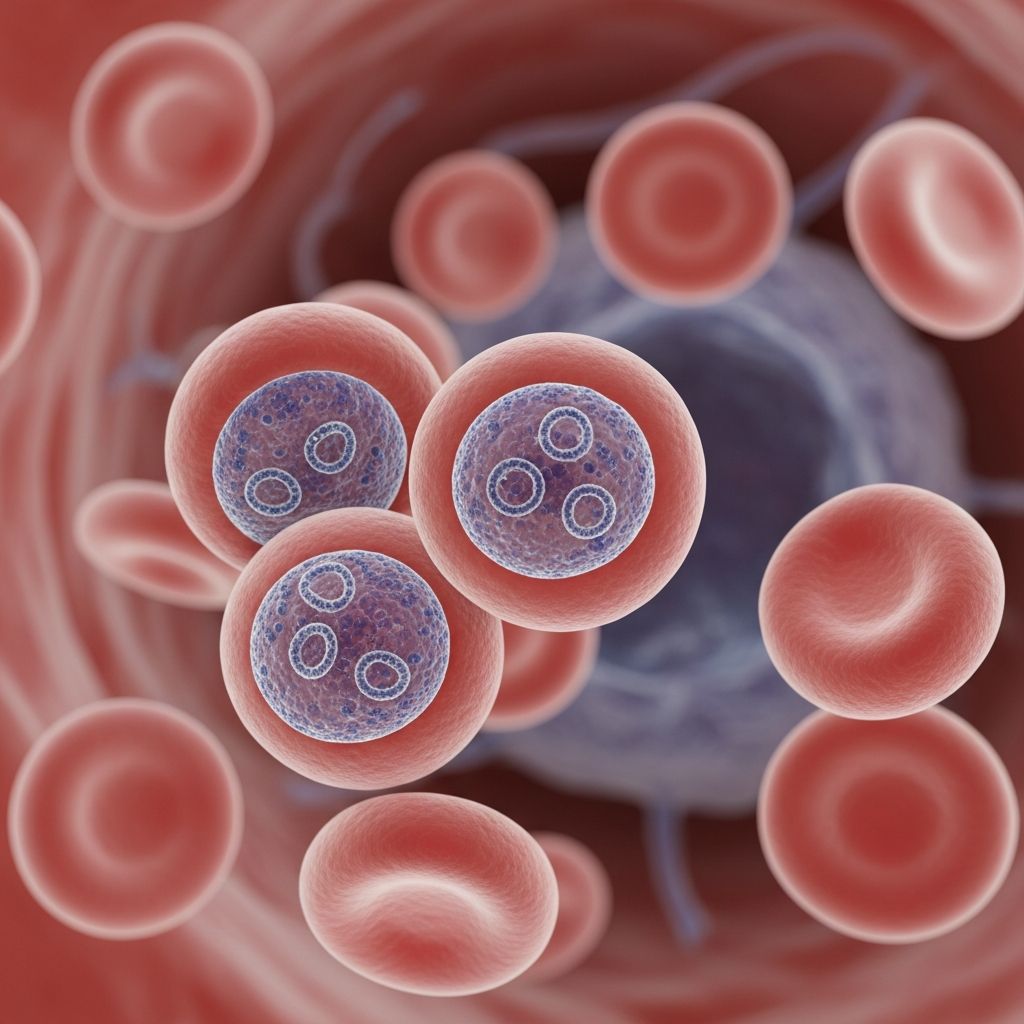
Malaria is a life-threatening disease caused by Plasmodium parasites and transmitted to humans through the bites of infected Anopheles mosquitoes. It remains a major global health challenge, primarily affecting tropical and subtropical regions, with preventable and treatable measures available.
What Is Malaria?
Malaria is an infectious disease caused by protozoan parasites of the genus Plasmodium, which infect humans via mosquito bites. The disease does not spread directly from person to person but through the vector, the female Anopheles mosquito. It is most prevalent in sub-Saharan Africa, where P. falciparum dominates, but also occurs in parts of Asia, Latin America, and Oceania.
Historically termed “mal’aria” or “bad air” due to its association with marshy areas, malaria has evolved into a well-understood parasitic illness. Over 200 Plasmodium species exist, but five primarily affect humans: P. falciparum, P. vivax, P. ovale, P. malariae, and P. knowlesi. P. falciparum is the most severe and deadly, responsible for the majority of fatalities, especially among children under five.
Symptoms of Malaria
Symptoms typically appear 10-15 days after a bite from an infected mosquito, starting as flu-like: fever, chills, headache, muscle aches, fatigue, nausea, and vomiting. These cycle every 48-72 hours depending on the parasite species.
In severe cases, particularly with P. falciparum, complications escalate rapidly to severe anemia, respiratory distress, kidney failure, seizures, confusion, coma, and death if untreated. Children under five, pregnant women, and non-immune travelers are at highest risk for severe outcomes.
- Mild symptoms: Fever, chills, sweats, headache, body aches, nausea, vomiting.
- Severe symptoms: Jaundice, hemoglobinuria (dark urine), impaired consciousness, multiple convulsions, acute kidney injury.
Untreated, the parasite’s erythrocytic cycle causes red blood cell rupture, leading to cyclic fevers and organ damage.
Causes
The root cause is infection by Plasmodium parasites, injected as sporozoites in mosquito saliva during a bite. These travel to the liver for the exoerythrocytic phase, multiplying into merozoites that invade red blood cells, causing the erythrocytic phase and symptoms.
Malaria Parasites
| Parasite Species | Prevalence | Severity | Key Features |
|---|---|---|---|
| P. falciparum | Africa (most cases) | Deadliest | No hypnozoites; rapid progression to severe disease. |
| P. vivax | Outside Africa | Moderate | Hypnozoites cause relapses up to years later. |
| P. ovale | Africa, Asia | Mild | Hypnozoites; similar to P. vivax. |
| P. malariae | Worldwide | Mild, chronic | Long-lasting infections (decades). |
| P. knowlesi | Southeast Asia | Severe | Zoonotic from macaques; rapid progression. |
Malaria Life Cycle
The parasite’s complex life cycle spans human and mosquito hosts:
- Sporozoite stage: Mosquito injects sporozoites into bloodstream; they invade liver cells.
- Exoerythrocytic (hepatic) phase: Asexual replication in liver; releases merozoites (P. vivax/ovale form dormant hypnozoites).
- Erythrocytic phase: Merozoites infect RBCs, multiply into trophozoites, schizonts, burst releasing more merozoites and gametocytes.
- Mosquito phase: Gametocytes ingested by mosquito; develop into gametes, zygotes, ookinetes, oocysts, sporozoites in salivary glands.
This cycle, involving asexual and sexual reproduction, complicates vaccine development.
Risk Factors
- Living in or traveling to endemic areas (sub-Saharan Africa, South Asia, Latin America).
- Children under 5, pregnant women, HIV-infected individuals, non-immune adults.
- Lack of protective measures like bed nets or prophylaxis.
Related Stories



In 2022, WHO reported 249 million cases and 608,000 deaths globally, 94% in Africa.
Transmission
Primary via Anopheles mosquito bites at dusk/dawn. Rare transmissions: mother-to-fetus (congenital), blood transfusions, shared needles, organ transplants. No person-to-person airborne spread.
Diagnosis and Tests
Rapid diagnosis is critical. Methods include:
- Microscopy: Gold standard; examines blood smears for parasites.
- Rapid Diagnostic Tests (RDTs): Detect antigens in blood.
- PCR: Highly sensitive for low parasitemia or species identification.
Symptom onset prompts immediate testing in endemic areas or for travelers.
Treatment
Antimalarials target parasite stages. Artemisinin-based Combination Therapies (ACTs) are first-line for uncomplicated P. falciparum:
- Uncomplicated: ACTs (artemether-lumefantrine, artesunate-amodiaquine).
- Severe: IV artesunate followed by ACTs.
- P. vivax/ovale: Chloroquine + primaquine (for hypnozoites; G6PD testing required).
Treatment must start promptly to prevent progression. Drug resistance, especially to artemisinin in Southeast Asia, is monitored.
Prevention
Key strategies:
- Vector control: Insecticide-treated bed nets (ITNs), indoor residual spraying (IRS).
- Chemoprophylaxis: Atovaquone-proguanil, doxycycline, mefloquine for travelers.
- Vaccines: RTS,S/AS01 (Mosquirix) for children in Africa; R21/Matrix-M approved 2023.
- Personal protection: DEET repellents, long clothing, avoid dawn/dusk exposure.
WHO’s Global Technical Strategy aims for 90% reduction in cases by 2030.
Complications
Severe malaria leads to cerebral malaria, acute respiratory distress, blackwater fever, hypoglycemia, lactic acidosis. Mortality highest in young children; survivors may face neurological deficits.
Outlook and Living With
With prompt treatment, most recover fully. Chronic infections (P. malariae) possible. High-risk groups need lifelong vigilance. Global efforts reduced deaths by 30% since 2000, but progress stalled.
Frequently Asked Questions (FAQs)
What causes malaria?
Malaria is caused by Plasmodium parasites transmitted by Anopheles mosquitoes.
Is malaria contagious?
No, it does not spread person-to-person except rarely via blood.
How is malaria prevented?
Use bed nets, repellents, prophylaxis, and vaccines in endemic areas.
Can malaria be cured?
Yes, with antimalarial drugs if treated early.
Who is at highest risk for severe malaria?
Children under 5, pregnant women, and non-immune travelers.
References
- Malaria Fact Sheet — World Health Organization. 2024-04-25. https://www.who.int/news-room/fact-sheets/detail/malaria
- Malaria: Causes, Symptoms, Diagnosis, Treatment & Prevention — Cleveland Clinic. 2023-11-01. https://my.clevelandclinic.org/health/diseases/15014-malaria
- Malaria: An Overview — National Center for Biotechnology Information (PMC). 2023-05-15. https://pmc.ncbi.nlm.nih.gov/articles/PMC10237628/
- Malaria – Symptoms & Causes — Mayo Clinic. 2024-02-12. https://www.mayoclinic.org/diseases-conditions/malaria/symptoms-causes/syc-20351184
- About Malaria — Centers for Disease Control and Prevention (CDC). 2024-06-30. https://www.cdc.gov/malaria/about/index.html
Similar Articles








Read full bio of medha deb