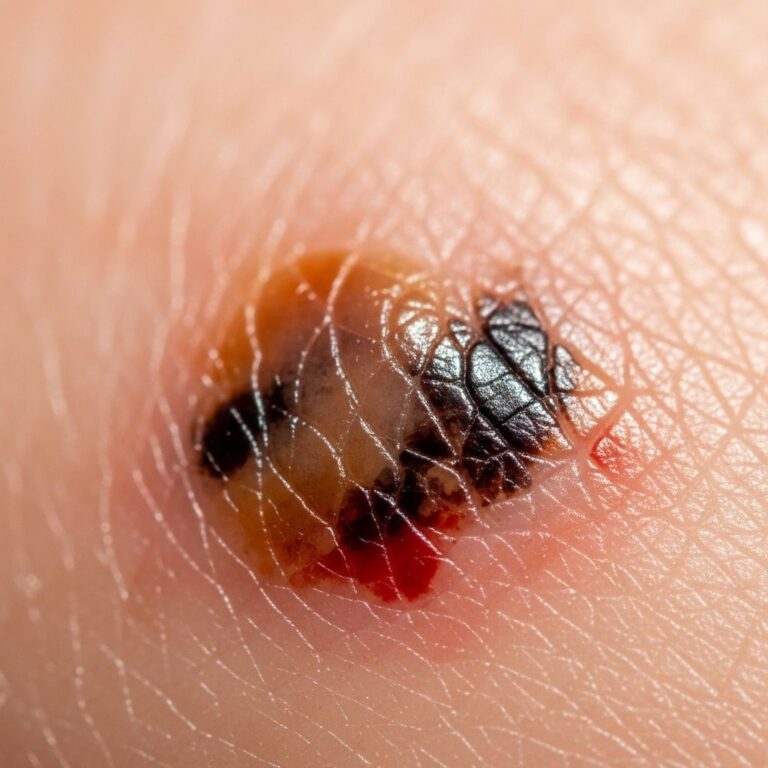
Malassezia Folliculitis: Causes, Diagnosis & Treatment
Complete guide to understanding fungal acne: symptoms, diagnosis, and effective treatment options.
Malassezia Folliculitis: A Comprehensive Clinical Guide
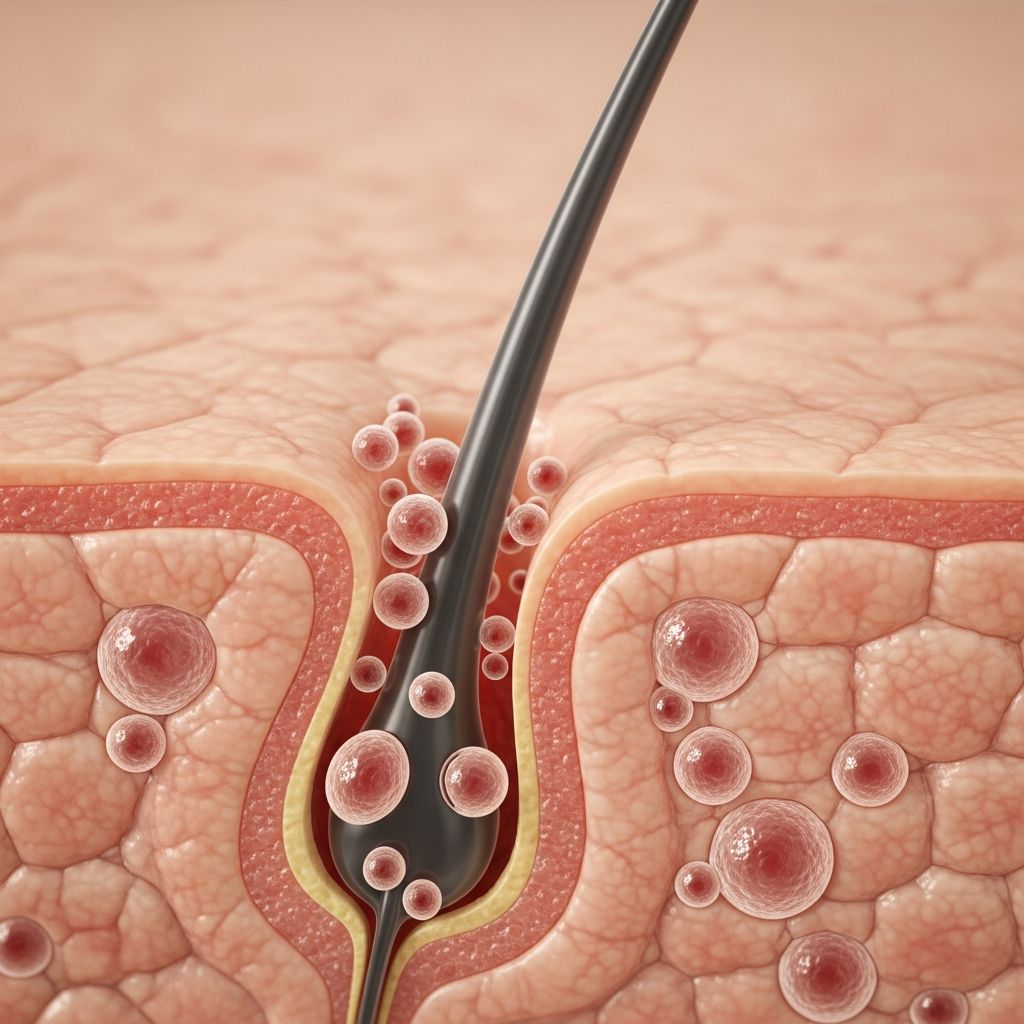
Malassezia folliculitis, also known as pityrosporum folliculitis or fungal acne, is an infection of the pilosebaceous unit caused by lipophilic Malassezia yeasts. Although these yeasts are normal inhabitants of the human skin surface, they can cause disease under specific conditions. Understanding this condition is essential for healthcare providers and patients, as it is frequently misdiagnosed as bacterial acne vulgaris.
Introduction and Overview
Malassezia folliculitis represents a significant dermatological concern that is often overlooked or misidentified in clinical practice. The condition is caused primarily by three species of Malassezia: M. globosa, M. sympodialis, and M. restricta. These lipophilic yeasts are part of the normal skin microbiota but can transition from a harmless saprophytic state to a pathogenic mycelial phase under favorable conditions. The prevalence of this condition has increased recognition in recent years, particularly among patients with compromised immune function or those using certain medications.
Demographics and Risk Factors
Malassezia folliculitis can affect individuals across various age groups and demographics, though certain populations are at higher risk. The condition develops when specific predisposing factors create an environment favorable for yeast overgrowth. Key risk factors include:
- Immunosuppression or immunocompromised states
- Prolonged antibiotic use, which disrupts normal bacterial flora
- Increased temperature and humidity exposure
- Excessive sebum production and greasy skin
- Frequent sweating and moisture accumulation
- Hormonal changes affecting androgen concentration
- Use of occlusive clothing or products
- Follicular obstruction or damage
The association between antibiotic use and Malassezia folliculitis is particularly noteworthy. While antibiotics reduce beneficial bacterial populations, they do not affect Malassezia yeast, leading to a relative overgrowth of the fungal organisms. This explains why some patients develop or experience worsening of fungal acne while being treated for bacterial infections.
Clinical Features and Presentation
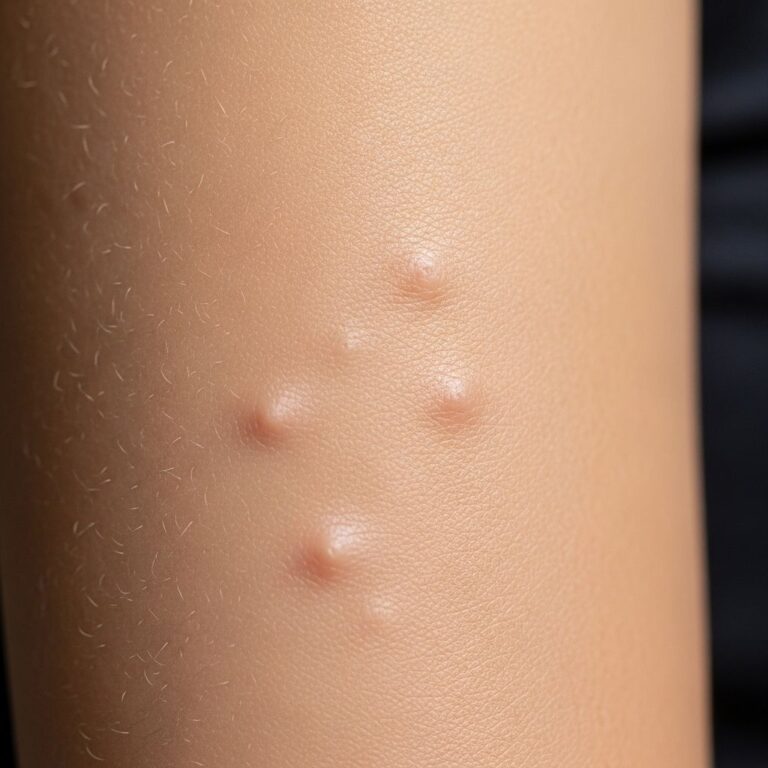
The clinical presentation of Malassezia folliculitis is distinctive yet often confused with acne vulgaris. Patients typically present with monomorphic papules and pustules, characterized by uniform appearance and consistent morphology. This uniformity differs from the polymorphic lesions often seen in bacterial acne.
Location of Lesions
The eruptions commonly appear on specific body regions, reflecting areas with high sebaceous gland density and potential for follicular occlusion:
- Chest and upper torso
- Back and interscapular region
- Posterior arms and shoulders
- Neck
- Face, particularly the forehead and cheeks
Symptomatology
Patients with Malassezia folliculitis frequently report pruritus (itching), which is often more pronounced than in bacterial acne. The lesions are erythematous (red) and may be tender to touch. Many patients describe significant discomfort and social distress due to the visible nature of the eruption. The itching may worsen with heat, sweating, or friction from clothing, and may improve temporarily with cooling measures.
Concurrent Conditions
An important clinical consideration is that Malassezia folliculitis can occur simultaneously with acne vulgaris. This mixed presentation requires careful evaluation and may necessitate combination therapy addressing both bacterial and fungal components. Some patients initially diagnosed and treated for acne vulgaris may actually have fungal acne, or may have both conditions coexisting.
Related Stories



Pathophysiology and Disease Mechanisms
Understanding the mechanisms underlying Malassezia folliculitis provides insight into why certain treatments are effective and why recurrence is common. The pathogenesis involves multiple factors working in concert:
Follicular Colonization and Nutrient Acquisition
Malassezia yeasts are lipophilic organisms, meaning they require lipids for survival and growth. These organisms utilize their own lipases and phospholipases to hydrolyze triglycerides from sebum into free fatty acids, which serve as their primary nutritive source. When follicles become blocked or damaged, sebum accumulates, providing an abundant food source that allows rapid yeast proliferation. The yeast establishes infection deep within the hair follicle structure, particularly in the infundibulum, making topical treatment alone often insufficient.
Inflammatory Cascade
The inflammatory component of Malassezia folliculitis involves multiple mechanisms. The yeast induces keratinocyte production of inflammatory cytokines through Toll-like receptor 2 (TLR 2) activation. This leads to release of interleukins (IL-1α, IL-6, IL-8, IL-12) and tumor necrosis factor (TNF)-α. Additionally, Malassezia activates complement cascades through both classical and alternative pathways, amplifying the inflammatory response. The lipase and phospholipase enzymes also directly damage the epithelial barrier function, contributing to inflammation and increased skin permeability.
Transition to Pathogenic State
Under normal circumstances, Malassezia exists in a saprophytic (non-pathogenic) phase. The transition to pathogenic mycelial phase occurs when conditions favor yeast proliferation, including increased temperature, greasy skin, sweating, and immunosuppression. Increased androgen concentration alters the composition of fatty acids produced by sebaceous glands, potentially promoting yeast growth and pathogenicity.
Diagnosis and Diagnostic Methods
Accurate diagnosis of Malassezia folliculitis is crucial for appropriate treatment, as clinical appearance alone is insufficient for confirmation. Several diagnostic approaches can be employed:
Clinical Examination
The monomorphic nature of papules and pustules, their distribution pattern, and associated pruritus provide clinical clues. However, these features overlap significantly with bacterial acne, making laboratory confirmation essential.
Fungal Scrape and Culture
A fungal scrape involves gently scraping affected skin with a sterile instrument and examining the specimen under microscopy or culturing it on specialized media. This method can identify the presence of yeast and confirm the diagnosis. The procedure is non-invasive and can be performed in office settings.
Histopathology
Skin biopsy, while not routinely necessary, can be valuable in unclear cases. Histological examination typically reveals dense collections of neutrophils within the hair follicle infundibulum, along with a perifollicular lymphohistiocytic and neutrophilic infiltrate. This inflammatory pattern confirms the diagnosis of Malassezia folliculitis when yeast organisms are identified within follicular structures.
Response to Treatment
Rapid improvement following antifungal therapy serves as a diagnostic tool itself. The drastic and swift response to appropriate antifungal medications is characteristic of Malassezia folliculitis and can help confirm diagnosis when clinical suspicion is high.
Differential Diagnoses
Several conditions must be distinguished from Malassezia folliculitis to ensure appropriate treatment:
- Acne vulgaris: The most common misdiagnosis; typically shows polymorphic lesions with comedones
- Bacterial folliculitis: Usually caused by Staphylococcus aureus; responds to antibiotics rather than antifungals
- Rosacea: Features persistent erythema and may include vascular components
- Keratosis pilaris: Characterized by rough, bumpy skin with keratotic plugs
- Miliaria: Heat rash with different clinical context and distribution
- Eosinophilic folliculitis: Often associated with HIV; histology shows eosinophilic infiltrate
Treatment Strategies
Treatment of Malassezia folliculitis requires addressing both the fungal infection and predisposing factors. A comprehensive approach incorporating pharmacological and lifestyle modifications yields the best outcomes.
Topical Antifungal Agents
Topical treatments are effective in many cases and are particularly useful for maintenance therapy and preventing recurrence:
- Selenium sulfide shampoo: Applied to affected areas; effective but may require longer courses than systemic agents
- Econazole solution: Topical antifungal with good skin penetration
- Ketoconazole: Available in various formulations including creams and shampoos; commonly used and well-tolerated
- Clotrimazole cream: Applied topically; useful as adjunctive therapy
Topical treatments may require ongoing weekly application for maintenance therapy to prevent recurrence. While effective, they are limited by penetration into deep follicular structures where yeast organisms reside.
Oral Antifungal Medications
Oral antifungals are generally more effective than topical agents alone, particularly for initial treatment, as they achieve higher concentrations within follicular structures. Common oral agents include:
- Fluconazole: Dosing of 100-200 mg daily for 1-4 weeks; increasingly used due to superior side effect profile compared to itraconazole
- Itraconazole: Dosing of 100-200 mg daily for 1-4 weeks; two weeks of 200 mg daily results in complete recovery in approximately 79.6% of patients
Studies demonstrate that 11 of 13 patients treated with oral antifungals showed negative mycological exams at week 5, compared to only one in placebo groups. Itraconazole appears to delay relapse, though both agents are effective.
Combination Therapy
Combining oral and topical antifungal agents may be beneficial, particularly in severe cases or those with concurrent acne vulgaris. When Malassezia folliculitis occurs alongside bacterial acne, combination therapy with both antifungals and acne medications (such as tretinoin or other retinoids) may be necessary.
Maintenance and Prophylactic Therapy
Because recurrence is common, maintenance therapy is recommended. Options include:
- Weekly topical antifungal applications
- Monthly oral antifungal therapy
- Regular use of antifungal shampoos
Alternative Treatments
For patients with recurrent disease, intolerance to oral antifungals, or those experiencing adverse effects, alternative therapies include:
Photodynamic Therapy (PDT)
Photodynamic therapy using topical methyl aminolevulinate (MAL) cream as a photosensitizer has shown promise in pilot studies. Treatment involves three sessions at two-week intervals with assessment at one month following the last treatment. Minimal side effects are reported, with mild burning sensation immediately after treatment and slight hyperpigmentation that resolves within months. Proposed mechanisms include complete destruction of fungal hyphae and inactivation of spores, destruction of the pilosebaceous unit, and anti-inflammatory properties of red light. In clinical trials, outcomes included strong improvement in approximately 50% of patients, with no reported recurrence after four months.
Isotretinoin
Isotretinoin has been used with some success in small case series of recalcitrant disease, though it requires careful monitoring due to potential side effects and teratogenicity.
Side Effects and Adverse Effects
Oral antifungal medications can produce adverse effects including nausea, vomiting, diarrhea, abdominal pain, and hepatotoxicity. These side effects have prompted investigation into alternative treatments. Monitoring liver function tests may be warranted with prolonged oral antifungal therapy.
Prevention and Management of Recurrence
Since Malassezia folliculitis has a strong tendency to recur, addressing predisposing factors is essential at the outset of treatment. Key prevention strategies include:
- Managing immunosuppression when possible
- Minimizing unnecessary antibiotic use
- Keeping affected areas cool and dry
- Avoiding occlusive clothing and products
- Regular cleansing with antifungal or regular soaps
- Maintaining maintenance therapy as prescribed
- Addressing underlying sebaceous gland hyperactivity
- Managing hormonal factors when relevant
Patients should be counseled that even with successful initial treatment, maintenance therapy is often necessary to prevent relapse, as the condition’s recurrent nature reflects the persistent nature of the underlying predisposing factors.
Frequently Asked Questions
Q: Is Malassezia folliculitis the same as acne vulgaris?
A: No. While both conditions present with papules and pustules, Malassezia folliculitis is a fungal infection caused by yeast organisms, whereas acne vulgaris is primarily a bacterial and sebaceous gland condition. Malassezia folliculitis typically shows monomorphic (uniform) lesions and greater pruritus. The two conditions can coexist, but they require different treatment approaches.
Q: Can I get Malassezia folliculitis from another person?
A: Malassezia yeasts are already present on everyone’s skin. The condition develops when personal factors allow overgrowth, not from transmission. However, avoiding shared towels, clothing, or close contact may be prudent during active infection.
Q: How long does treatment typically take?
A: Oral antifungal treatment usually results in rapid improvement within 1-4 weeks. However, maintenance therapy is often needed for weeks to months to prevent recurrence, as the underlying predisposing factors persist.
Q: Why does my condition keep coming back?
A: Malassezia folliculitis frequently recurs because the predisposing factors (such as oily skin, immunosuppression, antibiotic use, or increased sweating) often remain unchanged. Addressing these underlying factors and using maintenance antifungal therapy helps prevent relapse.
Q: Are oral antifungals safe?
A: Oral antifungals like fluconazole and itraconazole are generally safe when used as directed. However, they can cause gastrointestinal side effects and rarely hepatotoxicity. Fluconazole has a superior side effect profile compared to itraconazole and is increasingly preferred.
Q: Can topical treatments alone cure Malassezia folliculitis?
A: Topical treatments can be effective, particularly with consistent use, but oral antifungals are generally more effective for initial treatment due to superior penetration into hair follicles. Many patients benefit from combined oral and topical therapy.
References
- Malassezia (Pityrosporum) Folliculitis — PubMed Central, National Center for Biotechnology Information. 2014. https://pmc.ncbi.nlm.nih.gov/articles/PMC3970831/
- Malassezia (pityrosporum) folliculitis – DermNet — DermNet NZ. 2024. https://dermnetnz.org/topics/malassezia-folliculitis
- Malassezia | Diagnosis & Disease Information — Infectious Disease Advisor. 2024. https://www.infectiousdiseaseadvisor.com/ddi/malassezia/
- Pityrosporum Folliculitis – Dermatology Advisor — Dermatology Advisor. 2024. https://www.dermatologyadvisor.com/ddi/pityrosporum-folliculitis/
- Fungal acne: Malassezia Folliculitis, Pityrosporum Folliculitis — Cleveland Clinic. 2024. https://my.clevelandclinic.org/health/diseases/24341-fungal-acne
- Pityrosporum (Malassezia) Folliculitis: Causes, Symptoms and Treatment — WebMD. 2024. https://www.webmd.com/skin-problems-and-treatments/what-is-pityrosporum-folliculitis
Similar Articles








Read full bio of Sneha Tete