Malassezia Infections: Symptoms, Diagnosis, Treatment Guide
Comprehensive guide to Malassezia yeast skin disorders: causes, symptoms, diagnosis, and effective treatments.
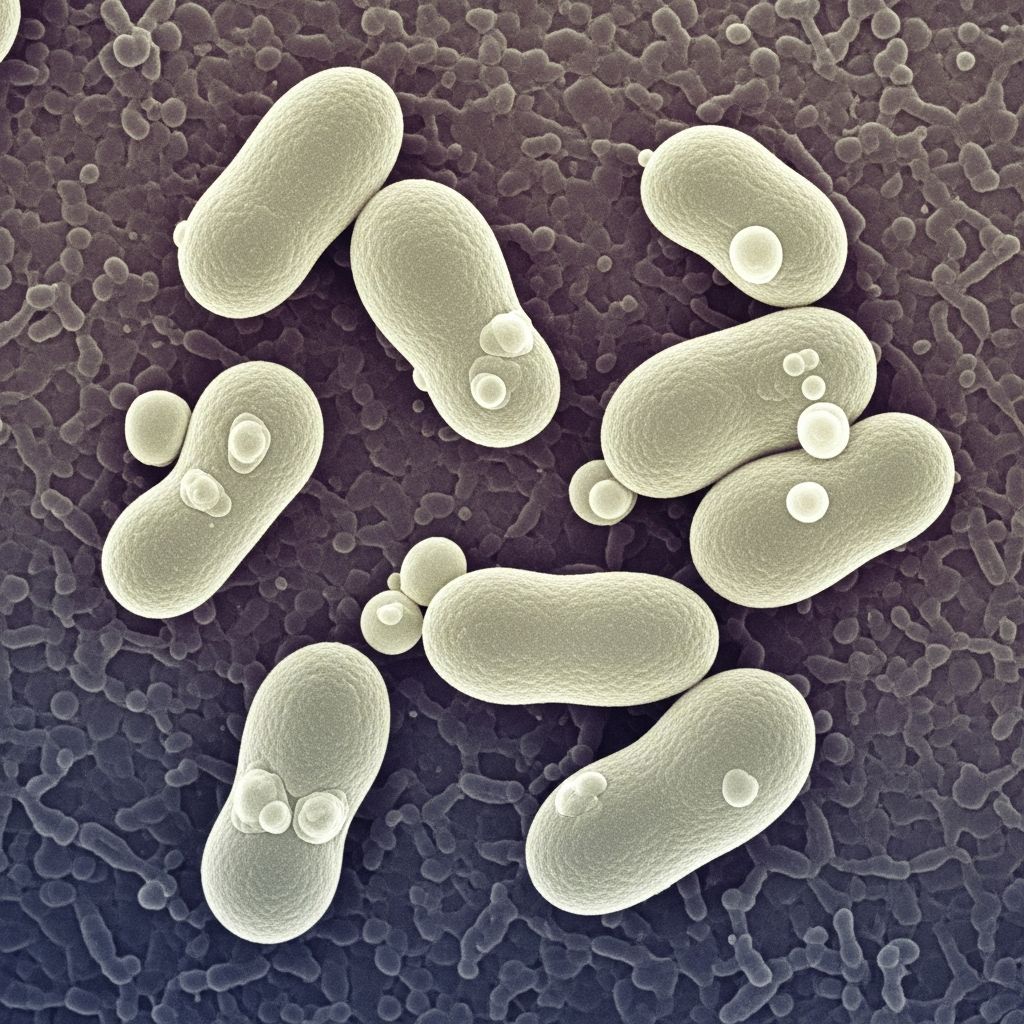
Malassezia (formerly called Pityrosporum) yeasts are a genus of fungi that inhabit the skin of about 90% of adults without causing harm. In some people, the yeast suppresses the body’s expected immune response to it, allowing it to proliferate and cause a skin disorder, often with very little inflammatory response. When Malassezia is associated with dermatitis, irritating metabolites of the yeasts may be responsible (free fatty acids are hydrolysed from triglycerides).
Who gets Malassezia infections?
Malassezia yeasts are normal skin flora that only cause disease under certain conditions. Risk factors include:
- Immunosuppression (e.g., HIV/AIDS, corticosteroid use)
- High sebum production (adolescents, young adults)
- Hot, humid climates
- Oily skin or excessive sweating
- Use of occlusive ointments or antibiotics
- Underlying skin conditions like atopic dermatitis
These yeasts thrive in lipid-rich environments, particularly in sebum-producing areas such as the scalp, face, upper trunk, and flexures. Conditions like pityriasis versicolor are more common in tropical regions, while seborrhoeic dermatitis affects all ages but peaks in infancy and middle age.
What causes Malassezia infections?
Malassezia species are lipophilic yeasts that require lipids for growth. There are currently 18 recognised species, with M. globosa, M. restricta, M. sympodialis, and M. furfur most commonly implicated in skin disease. These yeasts form part of the normal skin microbiome but can shift to pathogenic states through:
- Lipoperoxidation: Yeasts produce toxic free fatty acids that irritate the skin barrier.
- Immune modulation: Suppression of innate immunity allows overgrowth.
- Hyphal transformation: In pityriasis versicolor, yeasts convert to pathogenic hyphae.
- Biofilm formation: Enhances adherence to hair follicles in folliculitis.
In atopic dermatitis, Malassezia acts as a superantigen, triggering IgE-mediated hypersensitivity. Genetic factors and host microbiome dysbiosis also contribute.
Clinical features of Malassezia infections
Malassezia causes a spectrum of disorders, from asymptomatic carriage to overt infections. Key conditions include pityriasis versicolor, Malassezia folliculitis, and seborrhoeic dermatitis.
Pityriasis versicolor
Also known as tinea versicolor, this is a superficial infection of the stratum corneum by Malassezia hyphae and spores (‘spaghetti and meatballs’ on microscopy). It presents as:
- Well-demarcated macules or patches on the upper trunk, neck, and proximal limbs
- Hypo-, hyper-, or erythematous pigmentation with fine scale (evident after stretching or scratching)
- Mild or absent itch
- Common in young adults in hot climates
Lesions may coalesce into larger patches. Hypopigmentation persists due to azelaic acid inhibiting melanocytes.
Malassezia folliculitis
This occurs when yeasts invade hair follicles, mimicking acne. Features include:
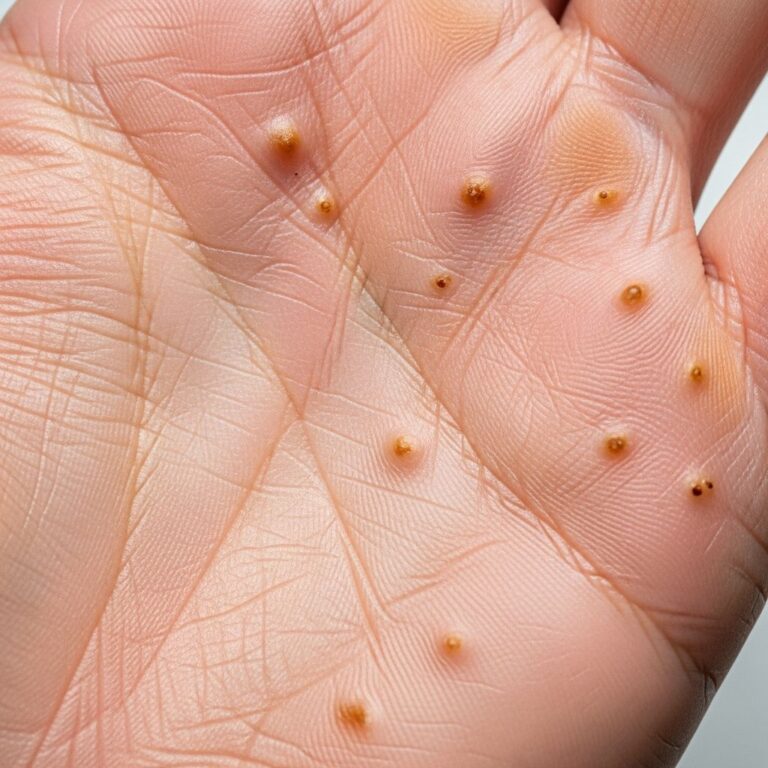
- Uniform itchy papules and pustules on the back, chest, shoulders, and upper arms
- Absence of comedones (distinguishes from acne vulgaris)
- Associated with sweating, occlusion, or antibiotics
- More common in males and immunocompromised patients
In HIV patients, it presents as widespread facial pustules.
Related Stories



Seborrhoeic dermatitis
A chronic inflammatory condition linked to Malassezia overgrowth in sebum-rich areas:
- Greasy yellow scales on scalp (dandruff), eyebrows, nasolabial folds, ears, and chest
- Erythema and itch
- Infantile form: Cradle cap
- Adult form: Often with paranasal involvement
Pathogenesis involves lipases producing irritant fatty acids, triggering inflammation via complement activation.
Other associations
- Head and neck dermatitis: In atopic patients, Malassezia antigens exacerbate eczema via type I hypersensitivity.
- Onychomycosis: Rare nail invasion.
- Systemic: M. furfur fungaemia in neonates on IV lipids.
Diagnosis of Malassezia infections
Diagnosis relies on clinical suspicion confirmed by:
- Wood lamp: Pityriasis versicolor shows yellow-green fluorescence.
- Microscopy: KOH prep reveals yeasts, hyphae, and spores.
- Culture: Lipid-supplemented media (e.g., Dixon agar); species identification via MALDI-TOF.
- Histology: Follicular yeasts in folliculitis biopsies.
- Serology: IgE to Malassezia in atopic cases.
| Condition | Key Diagnostic Feature |
|---|---|
| Pityriasis versicolor | Spaghetti & meatballs on KOH |
| Folliculitis | Intrafollicular yeasts; no comedones |
| Seborrhoeic dermatitis | Clinical; yeasts increased on culture |
Treatment of Malassezia infections
Antifungals target yeast overgrowth; anti-inflammatories address secondary changes. Treatment selection depends on extent and site.
Topical therapy (first-line for localised disease)
- Shampoos: Ketoconazole 2%, selenium sulfide 2.5%, zinc pyrithione 1–2% (apply 5–10 min, rinse; 2–3x/week for 4 weeks, then maintenance)
- Creams/foams: Ketoconazole, ciclopirox, sertaconazole for face/flexures
Oral therapy (extensive or refractory cases)
- Fluconazole: 300–400 mg weekly x 2–4 weeks
- Itraconazole: 200 mg/day x 7 days
- Terbinafine: Less effective against all species
For seborrhoeic dermatitis, combine with mild topical steroids. In atopic head/neck dermatitis, antifungals reduce IgE and eosinophils.
| Condition | First-line Treatment | Duration |
|---|---|---|
| Pityriasis versicolor | Topical ketoconazole shampoo | Daily x 5 days |
| Folliculitis | Oral fluconazole + topical | 2–4 weeks |
| Seborrhoeic dermatitis | Zinc pyrithione shampoo + hydrocortisone | Chronic maintenance |
What is the prognosis for Malassezia infections?
Most respond well to antifungals, but recurrence is common due to persistent carriage. Maintenance therapy (weekly shampoo) prevents relapse. Pigmentation changes in pityriasis versicolor may take months to resolve. Chronic conditions like seborrhoeic dermatitis require long-term management. Resistance is rare but emerging with azoles.
Prevention of Malassezia infections
- Avoid occlusive clothing and heavy emollients
- Daily antifungal shampoos in high-risk individuals
- Control sweating and maintain skin hygiene
- Treat underlying immunosuppression or antibiotics promptly
Related topics
- Seborrhoeic dermatitis
- Pityriasis versicolor
- Tinea capitis
- Atopic dermatitis
Frequently asked questions
Are Malassezia infections contagious?
No, they result from overgrowth of normal skin flora, not person-to-person transmission.
Can Malassezia cause hair loss?
Rarely; severe folliculitis may cause temporary shedding, but not scarring alopecia.
Is dandruff caused by Malassezia?
Yes, mild seborrhoeic dermatitis on the scalp (dandruff) is triggered by M. globosa.
How long does treatment take?
Symptoms improve in 1–2 weeks; full clearance and pigment normalisation may take 1–3 months.
Can I use antifungal shampoos daily?
Limited to 2–3x/week to avoid dryness; alternate with regular shampoo.
References
- Malassezia-Associated Skin Diseases, the Use of Diagnostics and Therapy — Frontiers in Cellular and Infection Microbiology. 2020-03-13. https://pmc.ncbi.nlm.nih.gov/articles/PMC7098993/
- Pityrosporum (Malassezia) Folliculitis: Causes & Treatment — Cleveland Clinic. 2023-10-27. https://my.clevelandclinic.org/health/diseases/22833-pityrosporum-folliculitis
- The Malassezia Genus in Skin and Systemic Diseases — Clinical Microbiology Reviews (ASM Journals). 2012-01-11. https://journals.asm.org/doi/10.1128/cmr.00021-11
- Malassezia Infections of the Skin — Skin Therapy Letter. 2011-07-01. https://www.skintherapyletter.com/family-practice/malassezia-infections-fp/
- Malassezia Infections in Humans and Animals — PubMed Central (NIH). 2014-12-01. https://pmc.ncbi.nlm.nih.gov/articles/PMC4287564/
- Malassezia infections — DermNet NZ. 2023. https://dermnetnz.org/topics/malassezia-infections
Similar Articles








Read full bio of medha deb