Male Infertility: Causes, Diagnosis, and Treatment
Understanding the causes, diagnosis, and treatment options for male infertility.
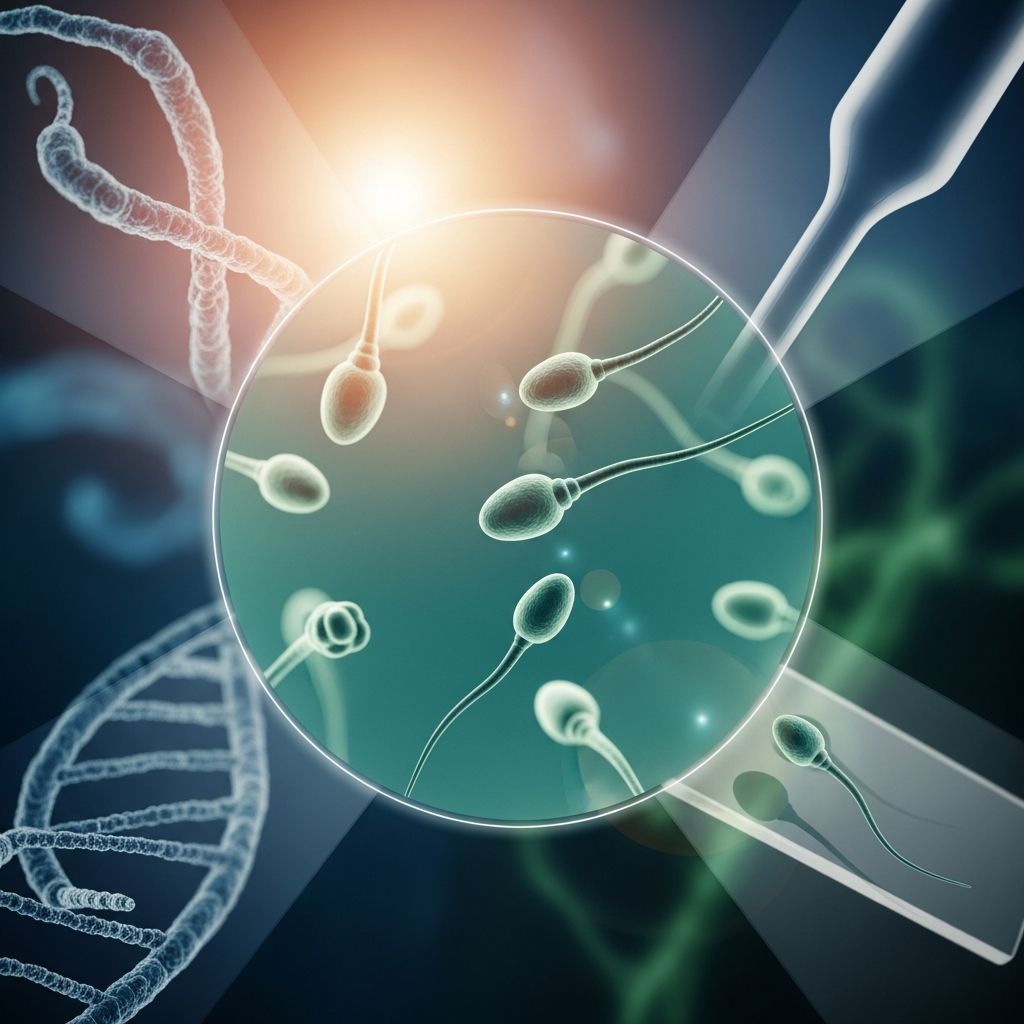
Male infertility is a significant health issue affecting many couples worldwide. It is defined as the inability of a man to cause pregnancy in a fertile female after one year of regular, unprotected sexual intercourse. This article explores the causes, symptoms, diagnosis, and treatment options for male infertility, providing a comprehensive guide for those seeking to understand and address this condition.
Causes of Male Infertility
Male infertility can result from a variety of factors, including low sperm production, abnormal sperm function, and blockages that prevent the delivery of sperm. These issues can be influenced by a range of health conditions, lifestyle choices, and environmental factors.
Low Sperm Production
Low sperm production, also known as oligospermia, is a common cause of male infertility. This can be due to genetic factors, hormonal imbalances, or certain medical conditions. For example, Klinefelter syndrome, a genetic disorder characterized by the presence of an extra X chromosome, can lead to reduced sperm production.
Abnormal Sperm Function
Abnormal sperm function refers to issues with the shape, movement, or ability of sperm to fertilize an egg. This can be caused by genetic mutations, infections, or exposure to toxins. For instance, varicoceles, which are dilated veins in the scrotum, can affect sperm quality and function.
Blockages
Blockages in the male reproductive tract can prevent sperm from being released during ejaculation. These blockages can be congenital (present at birth) or acquired due to infections, injuries, or surgeries. Common causes include vasectomy, scrotal or testicular surgeries, and large abdominal surgeries performed for testicular and rectal cancers.
Lifestyle Factors
Lifestyle choices play a significant role in male fertility. Factors such as smoking, excessive alcohol consumption, and the use of recreational drugs can lower sperm numbers and quality. Obesity, sedentary lifestyle, and poor diet are also associated with reduced fertility. Frequent exposure to high temperatures, such as hot tubs and saunas, can negatively impact sperm production.
Medical Conditions
Several medical conditions can contribute to male infertility. These include:
- Infections: Tuberculosis, frequent urinary tract infections, and sexually transmitted infections can affect sperm production and function.
- Hormonal Imbalances: Disorders of the testicles, hypothalamus, pituitary, thyroid, and adrenal glands can lead to low testosterone levels and other hormonal problems.
- Genetic Mutations: Conditions like Klinefelter syndrome, Young syndrome, and other genetic disorders can cause fertility issues.
- Chronic Diseases: Chronic diseases such as cystic fibrosis can result in infertility. Up to 98% of men with cystic fibrosis experience infertility.
- Erectile Dysfunction: Difficulty achieving and maintaining an erection can be a root cause of male infertility.
- Medications: Certain medications, including alpha-blockers for an enlarged prostate, opioids, and testosterone replacement therapy, can affect fertility.
- Urogenital Abnormalities: Issues affecting the urinary tract and genitals, such as an undescended testicle, can impact sperm production or delivery.
Symptoms of Male Infertility
The primary symptom of male infertility is the inability to get a partner pregnant after one year of regular, unprotected sexual intercourse. Other symptoms may include:
- Problems with sexual function, such as difficulty with ejaculation or small volumes of fluid ejaculated.
- Reduced sexual desire or difficulty maintaining an erection (erectile dysfunction).
- Pain, swelling, or a lump in the testicle area.
- Recurrent respiratory infections.
- Inability to smell.
- Abnormal breast growth (gynecomastia).
- Decreased facial or body hair or other signs of a chromosomal or hormonal abnormality.
- A lower than normal sperm count (fewer than 15 million sperm per milliliter of semen or a total sperm count of less than 39 million per ejaculate).
Related Stories



Diagnosis of Male Infertility
Diagnosing male infertility involves a thorough medical history, physical examination, and a series of tests to identify the underlying cause. The diagnostic process typically includes:
Medical History and Physical Examination
Your healthcare provider will ask about your medical history, including any previous illnesses, surgeries, and medications. They will also perform a physical examination to check for any abnormalities in the reproductive organs.
Semen Analysis
A semen analysis is a key test in diagnosing male infertility. It evaluates the quantity, quality, and movement of sperm. The results can help determine if there are issues with sperm production, function, or delivery.
Hormone Testing
Blood tests can measure hormone levels, including testosterone, follicle-stimulating hormone (FSH), luteinizing hormone (LH), and prolactin. Abnormal hormone levels can indicate underlying issues affecting fertility.
Genetic Testing
Genetic testing may be recommended to identify any genetic mutations or chromosomal abnormalities that could be contributing to infertility.
Imaging Studies
Imaging studies, such as ultrasound, can help detect structural abnormalities in the reproductive organs, such as varicoceles or blockages.
Treatment Options for Male Infertility
Many causes of male infertility are reversible, and there are several treatment options available to help men and their partners successfully conceive. The choice of treatment depends on the underlying cause and the individual’s specific circumstances.
Lifestyle Modifications
Lifestyle changes can significantly improve male fertility. These include:
- Stopping smoking and reducing alcohol consumption.
- Maintaining a healthy weight through a balanced diet and regular exercise.
- Avoiding exposure to high temperatures, such as hot tubs and saunas.
- Managing stress and getting adequate sleep.
Medication
Medications can help manage infections, correct hormone imbalances, and improve sperm production. For example, antibiotics can treat infections, and hormone replacement therapy can address hormonal issues.
Surgical Interventions
Surgical options are available for certain conditions that cause infertility. These include:
- Varicocele repair: Surgery to correct dilated veins in the scrotum.
- Blockage repair: Surgery to remove or bypass blockages in the reproductive tract.
- Vasectomy reversal: Surgery to restore fertility after a vasectomy.
Assisted Reproductive Technologies (ART)
Assisted reproductive technologies (ART) involve removing an egg from the female partner’s ovaries and combining it with the male partner’s sperm in a laboratory. Common ART procedures include:
- Intrauterine insemination (IUI): Sperm is placed directly into the uterus.
- In vitro fertilization (IVF): Eggs are fertilized with sperm in a lab, and the resulting embryos are transferred to the uterus.
- Intracytoplasmic sperm injection (ICSI): A single sperm is injected directly into an egg to facilitate fertilization.
Frequently Asked Questions (FAQs)
Q: How common is male factor infertility?
A: Male factor infertility is a significant issue, affecting up to half of couples experiencing infertility. This means that in nearly half of cases, the problem with conceiving is due to a male factor, such as sperm count or quality, or a combination of male and female factors.
Q: Can male infertility be reversed?
A: Yes, many causes of male infertility are reversible. Treatment options include lifestyle modifications, medication, surgical interventions, and assisted reproductive technologies. The success of treatment depends on the underlying cause and the individual’s specific circumstances.
Q: What are the symptoms of male infertility?
A: The primary symptom is the inability to get a partner pregnant after one year of regular, unprotected sexual intercourse. Other symptoms may include problems with sexual function, pain or swelling in the testicle area, recurrent respiratory infections, and abnormal breast growth.
Q: How is male infertility diagnosed?
A: Diagnosis involves a thorough medical history, physical examination, and a series of tests, including semen analysis, hormone testing, genetic testing, and imaging studies.
Q: What are the treatment options for male infertility?
A: Treatment options include lifestyle modifications, medication, surgical interventions, and assisted reproductive technologies. The choice of treatment depends on the underlying cause and the individual’s specific circumstances.
References
References
- Male Infertility: Causes, Diagnosis, and Treatment — Johns Hopkins Medicine. 2023. http://www.hopkinsmedicine.org/health/conditions-and-diseases/male-infertility
- Male Factor Infertility: Causes, Diagnosis, Treatment & More to Know — CCRM IVF. 2023. https://www.ccrmivf.com/blog/male-infertility-causes-diagnosis-treatment/
- Male Infertility 101: Causes, Symptoms and Treatment — Weill Cornell Medicine. 2023. https://weillcornell.org/news/male-infertility-101-causes-symptoms-and-treatment
- Infertility Causes and Diagnoses in Men — Northwestern Medicine. 2023. https://www.nm.org/conditions-and-care-areas/urology/infertility-female-male/causes-and-diagnoses
- Male Infertility – Symptoms and causes — Mayo Clinic. 2023. https://www.mayoclinic.org/diseases-conditions/male-infertility/symptoms-causes/syc-20374773
- Male Infertility | University of Iowa Health Care — University of Iowa Health Care. 2023. https://uihc.org/services/male-infertility
- Male Infertility: Causes, Symptoms, Tests & Treatment — Cleveland Clinic. 2023. https://my.clevelandclinic.org/health/diseases/17201-male-infertility
- Male Infertility: Symptoms, Diagnosis & Treatment — Urology Health. 2023. https://www.urologyhealth.org/urology-a-z/m/male-infertility
- Male Infertility | Fact Sheets — Yale Medicine. 2023. https://www.yalemedicine.org/conditions/male-infertility
Similar Articles








Read full bio of medha deb