Male Infertility: Causes, Symptoms, Tests & Treatment
Comprehensive guide to understanding male infertility, diagnosis, and personalized treatment options.
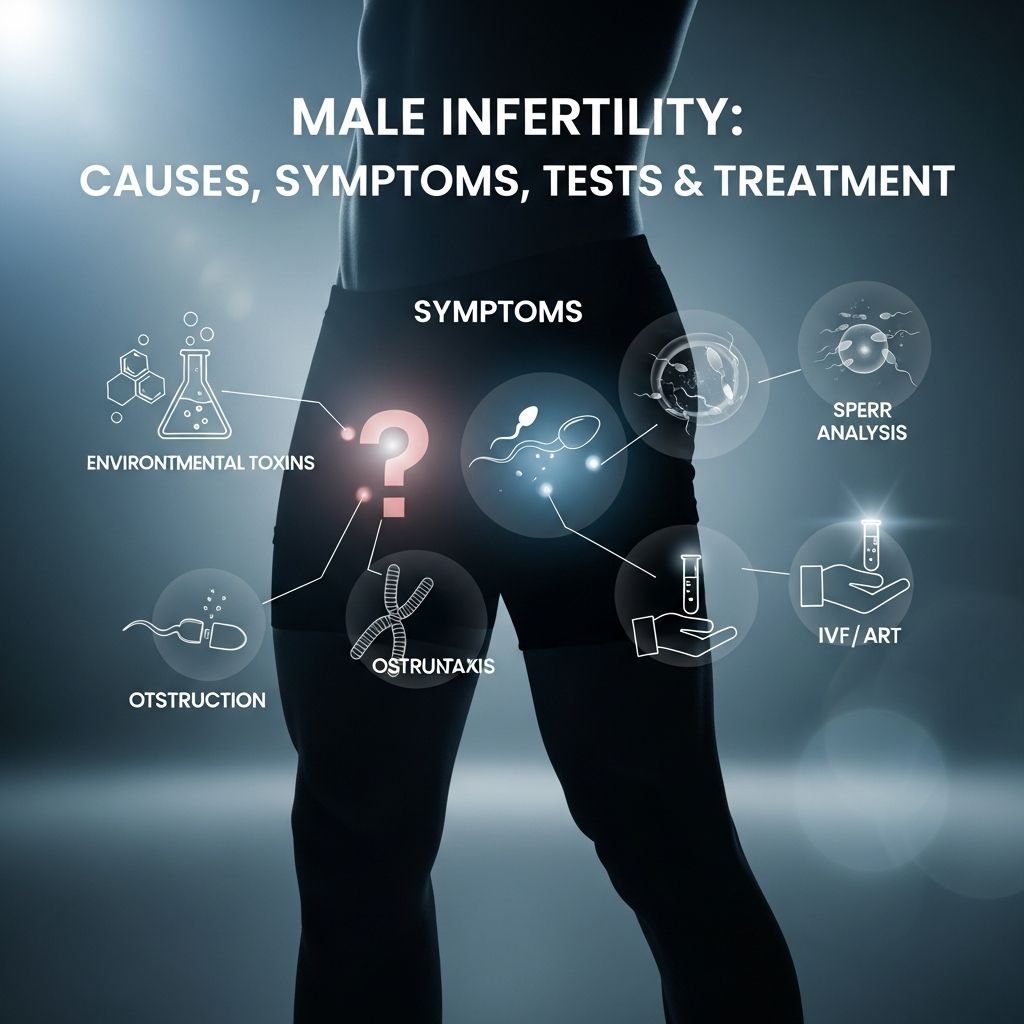
Understanding Male Infertility
Male infertility affects a significant portion of couples struggling to conceive. In at least half of all infertility cases, men are the main or contributing cause of the couple’s inability to achieve pregnancy. Despite this prevalence, many men feel isolated or embarrassed when facing fertility challenges. Understanding male infertility—its causes, symptoms, and available treatments—is the first step toward finding solutions and moving forward with family planning goals.
Conception is a complex biological process requiring multiple systems to work in harmony. When male factor infertility occurs, it can stem from various underlying conditions affecting sperm production, function, or delivery. The good news is that modern reproductive medicine offers comprehensive diagnostic and treatment options to help many couples overcome these challenges.
What Causes Male Infertility?
Male infertility can result from several different factors, ranging from lifestyle choices to medical conditions. Understanding the potential causes is essential for proper diagnosis and treatment planning.
Sperm Production Issues
One of the most common causes of male infertility involves inadequate sperm production. Your body might not produce enough sperm—a condition called oligospermia—or no sperm at all, known as azoospermia. Several factors can contribute to low sperm counts, including hormonal imbalances, genetic conditions, and damage to the reproductive system.
Sperm Quality and Motility Problems
Even when sperm are produced in adequate numbers, they may not function properly. Sperm must be healthy and move fast enough to successfully reach and fertilize an egg. Poor sperm motility or abnormal sperm morphology can significantly reduce fertility potential. Factors affecting sperm quality include oxidative stress, DNA damage, and various lifestyle influences.
Obstruction and Anatomical Issues
Physical blockages in the reproductive tract can prevent sperm from being ejaculated, even when production is normal. Conditions such as varicocele—an enlargement of veins in the scrotum—or damage to the vas deferens can impair sperm transport. Previous vasectomy, infections, or surgical complications may also create obstructions requiring specialized intervention.
Hormonal and Endocrine Factors
Testosterone and other hormones play crucial roles in sperm production. Low testosterone levels (hypogonadism) can result in reduced sperm count and erectile dysfunction. Hormonal imbalances stemming from pituitary disorders, thyroid problems, or other endocrine conditions require specialized evaluation and treatment.
Lifestyle and Environmental Factors
Numerous lifestyle choices impact male fertility. Smoking, heavy alcohol consumption, recreational drug use, and obesity can all reduce sperm count and compromise sperm health. Environmental exposures, heat exposure to the testicles, and certain medications may also negatively affect fertility. Additionally, a history of vasectomy or previous reproductive trauma can influence current fertility status.
Related Stories



Genetic Conditions
Certain genetic conditions like Klinefelter’s Syndrome affect testosterone production and sperm development. These chromosomal or genetic abnormalities may significantly impact fertility potential and may require specialized reproductive techniques.
Recognizing Symptoms and When to Seek Help
Male infertility often has no obvious symptoms. Many men do not realize they have fertility issues until their partner struggles to become pregnant. However, some underlying conditions may present with recognizable signs.
Difficulty achieving or maintaining erections (erectile dysfunction) can sometimes indicate hormonal imbalances or vascular problems affecting fertility. Chronic testicular pain (orchalgia) may suggest varicocele or other scrotal conditions. In some cases, men notice reduced ejaculatory volume or notice painful ejaculation, which could indicate obstruction or infection.
The primary indicator of male infertility is the inability of a couple to conceive after 12 months of regular, unprotected sexual intercourse. For couples where the female partner is over 35 years old, evaluation after six months of attempting conception is recommended.
Diagnostic Testing and Evaluation
Proper diagnosis of male infertility involves a systematic approach combining medical history, physical examination, and specialized testing.
Medical History and Initial Assessment
During your first consultation, your healthcare provider will ask detailed questions about your health history, medical conditions, medications, and lifestyle factors. Be prepared to discuss past surgeries, infections, exposure to medications or environmental toxins, and any previous reproductive procedures. Your provider will also want to understand your conception timeline and any patterns you’ve noticed.
Semen Analysis
The semen analysis is the cornerstone test in male infertility evaluation. This test examines multiple parameters of your ejaculate, including sperm count, motility, and morphology. Cleveland Clinic performs over 1,000 semen analyses annually, utilizing advanced microscopic and video equipment for accurate assessment. Advanced semen-testing options may include measurement of reactive oxygen species, antioxidant levels, and sperm DNA damage to provide comprehensive fertility assessment.
Blood Testing
Blood tests can reveal important hormonal information, particularly testosterone levels. Low testosterone may indicate hypogonadism and could explain low sperm counts or erectile dysfunction. Hormone panels may also assess follicle-stimulating hormone (FSH), luteinizing hormone (LH), and prolactin levels to identify endocrine causes of infertility.
Scrotal Ultrasound
A scrotal ultrasound is a painless imaging study that typically takes only a few minutes. This test allows your provider to visualize your testicles and identify any obvious structural problems, such as varicocele, tumors, or cysts. Ultrasound can also assess testicular size and blood flow, providing valuable diagnostic information.
Additional Specialized Testing
Depending on initial findings, additional tests may be recommended. Testicular biopsy can help determine whether sperm production is occurring when azoospermia is present, distinguishing between obstructive and non-obstructive causes. Post-ejaculatory urinalysis may identify retrograde ejaculation. Immunologic testing can detect antisperm antibodies that impair fertility.
Treatment Options
Treatment for male infertility varies significantly based on the underlying cause, severity, and individual circumstances. A personalized approach combining your test results, goals, and timeline ensures the most appropriate intervention.
Empiric Medical Therapy
For patients with infertility and low testosterone, several medications can stimulate testosterone and sperm production. Clomiphene and anastrozole activate testicular function to create more testosterone naturally. Human chorionic gonadotropin (HCG), administered by injection three times weekly, offers particularly potent benefits for qualifying patients. Testosterone replacement therapy, including subcutaneous pellet implantation, addresses hypogonadism and related fertility issues.
Surgical Interventions
Many anatomical causes of male infertility respond well to surgical correction. Varicocelectomy addresses enlarged scrotal veins that impair fertility. Microsurgical vas deferens reconstructions can restore fertility after vasectomy or repair damage from trauma or infection. For non-obstructive azoospermia, microsurgical testicular sperm extraction offers improved outcomes compared to conventional techniques. Advanced procedures like transurethral resection of ejaculatory ducts address specific obstructive conditions.
Sperm Retrieval Techniques
When ejaculation is impaired or absent, specialized sperm retrieval methods can obtain viable sperm for fertility treatment. Percutaneous epididymal aspiration and microsurgical sperm extraction are minimally invasive techniques that recover sperm for use in assisted reproduction. For men facing cancer treatment, sperm cryopreservation prior to chemotherapy or radiation provides fertility preservation options.
Assisted Reproductive Technologies
In vitro fertilization (IVF) combined with intracytoplasmic sperm injection (ICSI) represents frontline treatment for many male factor infertility cases. During this process, your partner’s ovaries are stimulated with fertility medications to mature multiple eggs. Once ready, eggs are collected through a minimally invasive procedure. Your sperm is then used to fertilize these eggs. ICSI involves injecting a single healthy sperm directly into each mature egg, making it effective even for severe male infertility.
Intrauterine insemination (IUI) places specially processed sperm directly into your partner’s uterus during ovulation, bypassing certain fertility barriers. Cleveland Clinic performs nearly 1,200 intrauterine inseminations annually.
Lifestyle Modifications
While not a primary treatment, addressing lifestyle factors can improve fertility outcomes. Smoking cessation, limiting alcohol consumption, avoiding recreational drugs, achieving healthy weight, and reducing stress all support sperm production and quality. These modifications are often recommended alongside medical or surgical interventions.
Specialized Care and Support
Male infertility requires multidisciplinary expertise. Cleveland Clinic’s Center for Male Fertility brings together reproductive urologists, andrologists, fertility specialists, and embryologists to provide comprehensive care. This team approach ensures thorough evaluation and personalized treatment planning that considers both medical and emotional aspects of infertility.
The center offers access to world-class andrology facilities with cryopreservation capabilities and cutting-edge reproductive technology including advanced IVF and ICSI procedures. Close collaboration with female reproductive specialists (Reproductive Endocrinologists) ensures coordinated care for couples, maximizing treatment success rates.
Frequently Asked Questions
Q: How common is male infertility?
A: Male factor infertility is quite common, accounting for at least half of all infertility cases in couples. Many men experience sperm-related issues at some point, making comprehensive evaluation and treatment important for family planning.
Q: How long should couples try to conceive before seeking evaluation?
A: Couples should seek evaluation after 12 months of regular, unprotected sexual intercourse without conceiving. If the female partner is older than 35 years, evaluation after six months is recommended, as age affects female fertility significantly.
Q: What is the most important test for male infertility?
A: The semen analysis is the primary diagnostic test for male infertility. It evaluates sperm count, motility, and morphology, providing essential information about reproductive capacity and guiding further diagnostic testing.
Q: Can lifestyle changes alone treat male infertility?
A: While lifestyle modifications like smoking cessation, weight loss, and stress reduction can improve sperm quality, many cases of male infertility require medical or surgical intervention. Lifestyle changes often complement, rather than replace, medical treatment.
Q: Is male infertility reversible?
A: Many causes of male infertility are treatable or reversible, depending on the underlying cause. Hormonal imbalances respond to medication, anatomical obstructions can be surgically corrected, and sperm retrieval techniques enable fertility even with azoospermia. However, outcomes vary based on specific diagnosis and individual factors.
Q: What is ICSI and when is it used?
A: Intracytoplasmic sperm injection (ICSI) is a procedure where a single sperm is injected directly into an egg for fertilization. It is particularly valuable for severe male factor infertility, very low sperm counts, or poor sperm motility.
Q: Can men freeze sperm before cancer treatment?
A: Yes, sperm cryopreservation is available for men facing cancer treatment. Sperm is frozen prior to chemotherapy, radiation therapy, or surgical procedures that may affect fertility, allowing men to preserve reproductive options.
References
- Male Fertility Services and Conditions — Cleveland Clinic, Glickman Urological and Kidney Institute. 2024. https://my.clevelandclinic.org/departments/urology-kidney/depts/male-fertility
- Get Male Infertility Treatment — Cleveland Clinic. 2024. https://my.clevelandclinic.org/services/male-infertility-treatment
- Clinical Pearls for Treating Infertility and Low Testosterone in Men — Cleveland Clinic Journal of Medicine, ConsultQD. 2024. https://consultqd.clevelandclinic.org/clinical-pearls-for-treating-infertility-and-low-testosterone-in-men
- Male Infertility: Current Guidelines and Future Possibilities — Cleveland Clinic Journal of Medicine, ConsultQD. 2024. https://consultqd.clevelandclinic.org/male-infertility-current-guidelines-and-future-possibilities
- Infertility: A Practical Framework — Cleveland Clinic Journal of Medicine, Vol. 86, No. 7. 2019. https://www.ccjm.org/content/86/7/473
Similar Articles








Read full bio of medha deb