Male Reproductive System: Structure & Function
Comprehensive guide to male reproductive anatomy, organs, hormones, and their critical functions.
Male Reproductive System: Structure and Function
The male reproductive system is a complex network of organs, glands, and structures that work together to facilitate sexual function, urination, and reproduction. Most of the male reproductive system exists outside of the body, making it distinctly different from the female reproductive system. These organs and tissues are divided into external and internal components, each playing a vital role in maintaining reproductive health and sexual function.
The male reproductive system is responsible for producing testosterone, creating sperm, and transporting these sex cells to enable fertilization. Together, the various components work in harmony, coordinated by hormonal signals and muscular contractions, to accomplish these essential biological functions.[10]
External Reproductive Organs
The external organs of the male reproductive system are visible and palpable structures located outside the body. These organs include the penis, scrotum, and testicles, collectively known as the genitals or genitalia. Understanding these structures is fundamental to comprehending male sexual anatomy and function.
The Penis
The penis is the male organ for sexual intercourse and contains numerous sensitive nerve endings that contribute to sexual pleasure and sensation. This remarkable organ consists of three distinct anatomical parts that work together to enable its dual functions of urination and sexual reproduction.
The body of the penis is cylindrical in shape and comprises three circular chambers made up of specialized, sponge-like tissue. These chambers contain thousands of large spaces that fill with blood during sexual arousal, causing the penis to become rigid and erect—a process essential for penetration during sexual intercourse. The glans, located at the tip of the penis, is the most sensitive part and contains the opening of the urethra, through which both urine and semen exit the body. The shaft, or body, extends from the base to the glans and is surrounded by loose, elastic skin that allows for changes in penis size during erection.
The Scrotum
The scrotum is a thick sac of skin that surrounds and contains the testicles and other reproductive organs. This specialized structure serves a critical thermoregulatory function, as sperm production requires temperatures slightly lower than normal body temperature. Special muscles in the wall of the scrotum allow it to contract and relax, moving the testicles closer to the body for warmth or farther away to cool their temperature. This automatic temperature regulation is essential for maintaining optimal conditions for sperm production and viability.
The Testicles (Testes)
The testicles are oval-shaped organs approximately the size of two large olives that lie in the scrotum on the left and right sides. Most people have two testicles, held in place by the spermatic cord, which also supplies them with blood and nutrients. These vital organs serve two primary functions: producing testosterone, the main male sex hormone, and generating sperm cells through a process called spermatogenesis.
Within each testicle are coiled masses of tubes called seminiferous tubules, which are directly responsible for producing sperm cells. The testicles begin producing sperm around puberty and continue throughout a man’s life, typically producing millions of sperm daily. The testosterone produced by the testicles is crucial not only for sexual function but also for the development and maintenance of male secondary sex characteristics.
Internal Reproductive Organs
The internal organs of the male reproductive system are located within the body and include several accessory glands and ducts that are essential for sperm transport, maturation, and the production of seminal fluid. These structures work in coordinated fashion to prepare sperm for ejaculation and fertilization.
Related Stories



The Epididymis
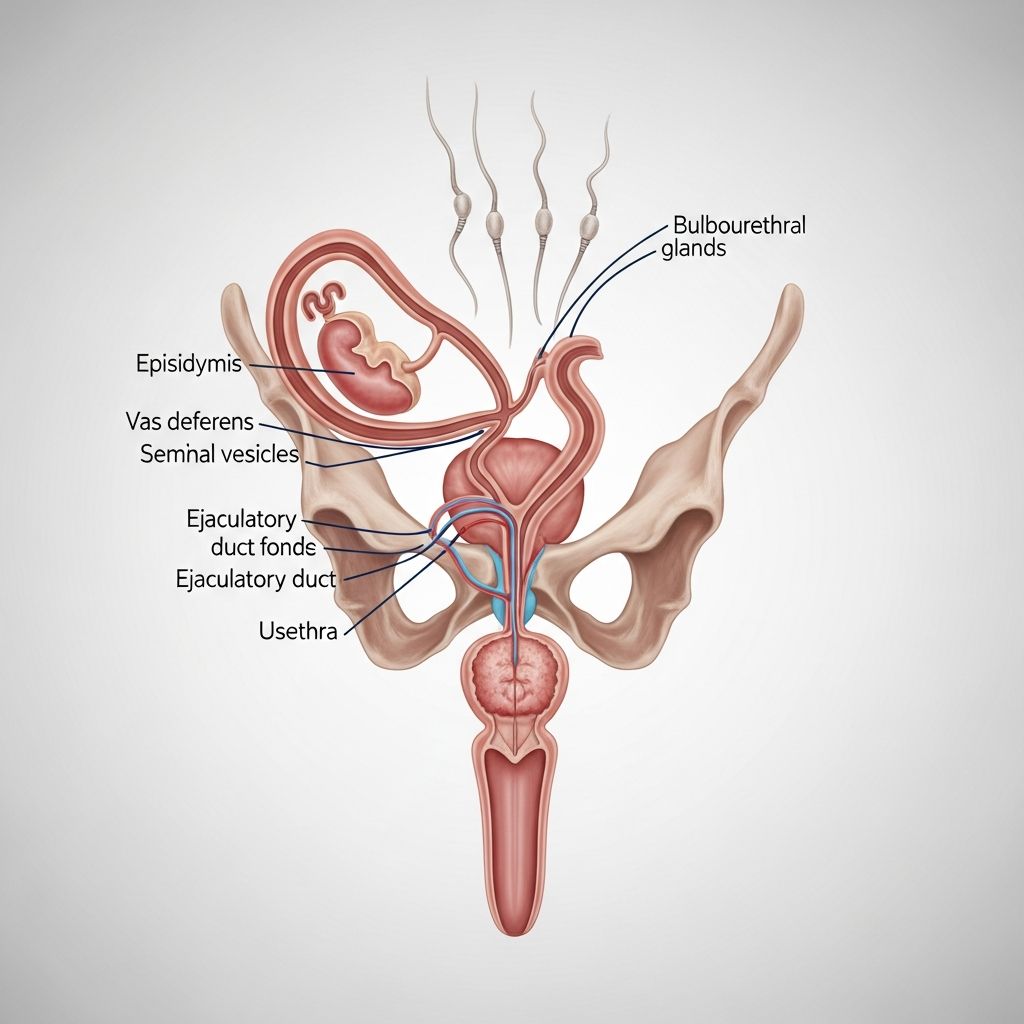
The epididymis is a long, coiled tube that rests on the back of each testicle and serves multiple critical functions in sperm development and transport. This structure carries and stores sperm cells produced in the testicles, but importantly, it also brings the sperm to maturity. The sperm that emerge from the testicles are immature and incapable of fertilization; the epididymis provides the necessary conditions and time for these cells to mature fully.
During sexual arousal, muscle contractions force mature sperm from the epididymis into the vas deferens, initiating the ejaculation process. This transport mechanism is finely tuned to ensure that only mature, viable sperm are delivered for ejaculation.
The Vas Deferens
The vas deferens, also called the ductus deferens or sperm duct, is a long muscular tube that travels from the epididymis into the pelvic cavity, just behind the urinary bladder. This structure is surrounded by the spermatic cord and serves as the primary transport pathway for mature sperm. During sexual arousal, muscle contractions move sperm from the epididymis through the vas deferens and into the urethra, enabling ejaculation.
Each testicle has its own vas deferens that joins with the duct of the seminal vesicle to form the ejaculatory duct. This anatomical arrangement ensures that fluid from the seminal vesicles is combined with sperm before ejaculation, creating the complete ejaculate.
The Ejaculatory Ducts
The ejaculatory ducts are formed where each vas deferens joins with the duct from the seminal vesicle. These short ducts pass through the prostate gland, where they collect additional fluid that is added to the semen. The ejaculatory ducts then empty into the urethra, completing the pathway for seminal fluid during ejaculation.
The Urethra
The urethra is a tube that serves dual functions in the male reproductive and urinary systems. It carries urine from the bladder outside the body during urination and also transports semen during ejaculation at orgasm. When the penis is erect during sexual intercourse, the flow of urine is blocked from the urethra, allowing only semen to be ejaculated. The urethra runs through the center of the prostate gland before exiting at the tip of the penis.
The Seminal Vesicles
The seminal vesicles are sac-like pouches located behind the bladder and in front of the rectum that attach to the vas deferens near the base of the bladder. These coiled structures, approximately 2 inches long, work together with other reproductive organs to facilitate ejaculation and support sperm function.
The fluids produced in the seminal vesicles comprise approximately 50 to 80 percent of the semen’s volume. These secretions contain fructose, an energy source that nourishes sperm and helps them move, or swim, toward the egg during reproduction. The seminal fluid also contains other substances that support sperm survival during their journey through the female reproductive tract.
The Prostate Gland
The prostate is a walnut-sized gland located below the bladder and in front of the rectum. This accessory gland adds additional fluid to the ejaculate during orgasm, which helps nourish the sperm and enhance their motility. The urethra runs through the center of the prostate gland, and the ejaculatory ducts pass through it as well.
Beyond its role in reproduction, the prostate converts some testosterone into another hormone called dihydrotestosterone (DHT), which plays an important role in sexual development throughout a man’s life. The prostate’s secretions are acidic, which helps protect sperm during ejaculation and transport.
The Bulbourethral Glands
The bulbourethral glands, also known as Cowper’s glands, are small glands that secrete fluid into the urethra. These glands produce a clear, alkaline fluid that helps neutralize the acidic environment of the urethra and provides lubrication during sexual arousal. This fluid is released before ejaculation occurs.
The Ten Components of the Male Reproductive System
The complete male reproductive system comprises ten distinct anatomical structures, each with specialized functions:
1. The penis — the external male sex organ for intercourse
2. The testicles — produce testosterone and sperm
3. The scrotum — protective sac containing the testicles
4. The epididymis — stores and matures sperm
5. The vas deferens — transports mature sperm
6. The urethra — carries urine and semen
7. The seminal vesicles — produce seminal fluid rich in nutrients
8. The prostate gland — adds fluid to ejaculate
9. The ejaculatory ducts — combine sperm with seminal fluid
10. The bulbourethral glands — secrete lubricating fluid
Functions of the Male Reproductive System
The male reproductive system performs several interconnected functions that are essential for sexual health, reproduction, and overall wellbeing:
– Produces, maintains, and transports sperm, the male reproductive cells, along with protective fluid called semen
– Discharges sperm during sexual intercourse to enable fertilization
– Produces and secretes male sex hormones, particularly testosterone, responsible for maintaining the reproductive system and male characteristics
– Facilitates urination by transporting urine from the bladder outside the body
Hormonal Regulation of the Male Reproductive System
The entire male reproductive system depends on hormones—chemical messengers that stimulate and regulate activity in cells and organs. The primary hormones that help the male reproductive system function include testosterone, which is the main male sex hormone, and other regulatory hormones produced by the hypothalamus and pituitary gland.
Puberty marks the beginning of full reproductive function. During this critical developmental period, the hypothalamus and pituitary gland begin producing hormones that signal the testicles to start manufacturing testosterone and sperm. Testosterone is responsible for the growth and development of the penis, testicles, scrotum, prostate gland, and seminal vesicles. Additionally, testosterone promotes the development of secondary sex characteristics, including facial hair, genital hair, and armpit hair; increased muscle development; voice deepening; and growth spurts that increase height.
Understanding Sperm Production and Function
Sperm are male sex cells with three main anatomical parts: a head containing genetic material, a midpiece packed with mitochondria that provide energy, and a tail that propels the cell forward. Males begin to produce sperm around puberty and continue throughout their lives, generating millions of new sperm cells daily.
The journey of sperm from production to ejaculation is complex and carefully regulated. Sperm are produced in the seminiferous tubules of the testicles, then transported to the epididymis where they mature over several weeks. During sexual arousal, mature sperm are propelled through the vas deferens and combine with fluids from the seminal vesicles and prostate to form semen, which is then ejaculated through the urethra.
The Role of the Male Reproductive System in Reproduction
The male reproductive system’s primary role in reproduction is to produce and deliver viable sperm to the female reproductive tract.[10] During sexual intercourse, the penis becomes erect and enters the vagina. At orgasm, muscular contractions propel semen containing millions of sperm into the vagina, where they begin their journey toward the egg in the fallopian tube.
The seminal fluid produced by the seminal vesicles and prostate is critical to successful reproduction. This fluid provides energy for sperm, protects them from the acidic environment of the vagina, and facilitates their movement through the female reproductive tract. Without these supportive fluids, sperm survival and fertilization would be significantly compromised.
Frequently Asked Questions (FAQs)
Q: What are the 10 parts of the male reproductive system?
A: The ten parts include the penis, testicles, scrotum, epididymis, vas deferens, urethra, seminal vesicles, prostate gland, ejaculatory ducts, and bulbourethral (Cowper’s) glands. Each part plays a specific role in sexual function and reproduction.
Q: When does the male reproductive system become fully functional?
A: The male reproductive system does not function fully until puberty, when the hypothalamus and pituitary gland begin producing hormones that stimulate the testicles to produce testosterone and sperm.
Q: What is the primary function of testosterone?
A: Testosterone is the main male sex hormone responsible for growth and development of reproductive organs, production of sperm, and development of secondary sex characteristics such as facial hair, muscle development, and voice deepening.[10]
Q: How long does sperm maturation take?
A: Sperm produced in the testicles are immature and must travel to the epididymis where they mature over several weeks before becoming capable of fertilization.
Q: What percentage of semen comes from the seminal vesicles?
A: The seminal vesicles produce approximately 50 to 80 percent of semen’s volume, providing essential nutrients and energy for sperm survival and motility.
Q: What is the role of the prostate gland?
A: The prostate gland adds fluid to the ejaculate that helps nourish sperm and promotes their movement. It also converts testosterone into dihydrotestosterone (DHT), which is important for sexual development.
Q: How does the scrotum regulate temperature?
A: Special muscles in the scrotum wall allow it to contract and relax, moving the testicles closer to the body for warmth or farther away to cool them, maintaining optimal conditions for sperm production.
Q: Can the male reproductive organs change over time?
A: Yes, external reproductive organs may look different between individuals and can change slightly over time. However, if you experience any symptoms or concerns about your genitals, it is important to consult with a healthcare provider.
References
- The Male Reproductive System: Organs, Function, and More — WebMD. 2024. https://www.webmd.com/sex-relationships/male-reproductive-system
- Vas Deferens: Function, Anatomy & Conditions — Cleveland Clinic. 2024. https://my.clevelandclinic.org/health/body/22763-vas-deferens
- Male Reproductive System: Structure & Function — Cleveland Clinic. 2024. https://my.clevelandclinic.org/health/body/9117-male-reproductive-system
- Seminal Vesicle: Location, Anatomy, Function & Disorders — Cleveland Clinic. 2024. https://my.clevelandclinic.org/health/body/22433-seminal-vesicle
- Testicles (Testes): Location, Anatomy, Function & Conditions — Cleveland Clinic. 2024. https://my.clevelandclinic.org/health/body/23964-testicles
- Chapter 6 Male Reproductive System Terminology — National Center for Biotechnology Information (NCBI). 2024. https://www.ncbi.nlm.nih.gov/books/NBK607440/
Similar Articles








Read full bio of Sneha Tete