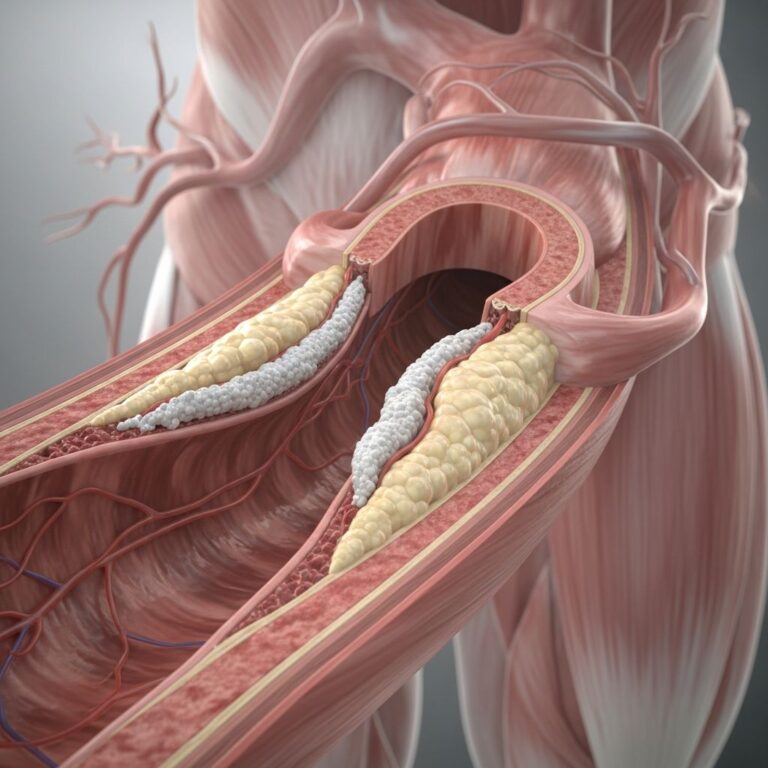
Male Yeast Infection: Symptoms, Causes & Treatment
Complete guide to male yeast infections: recognize symptoms, understand causes, and explore effective treatment options.
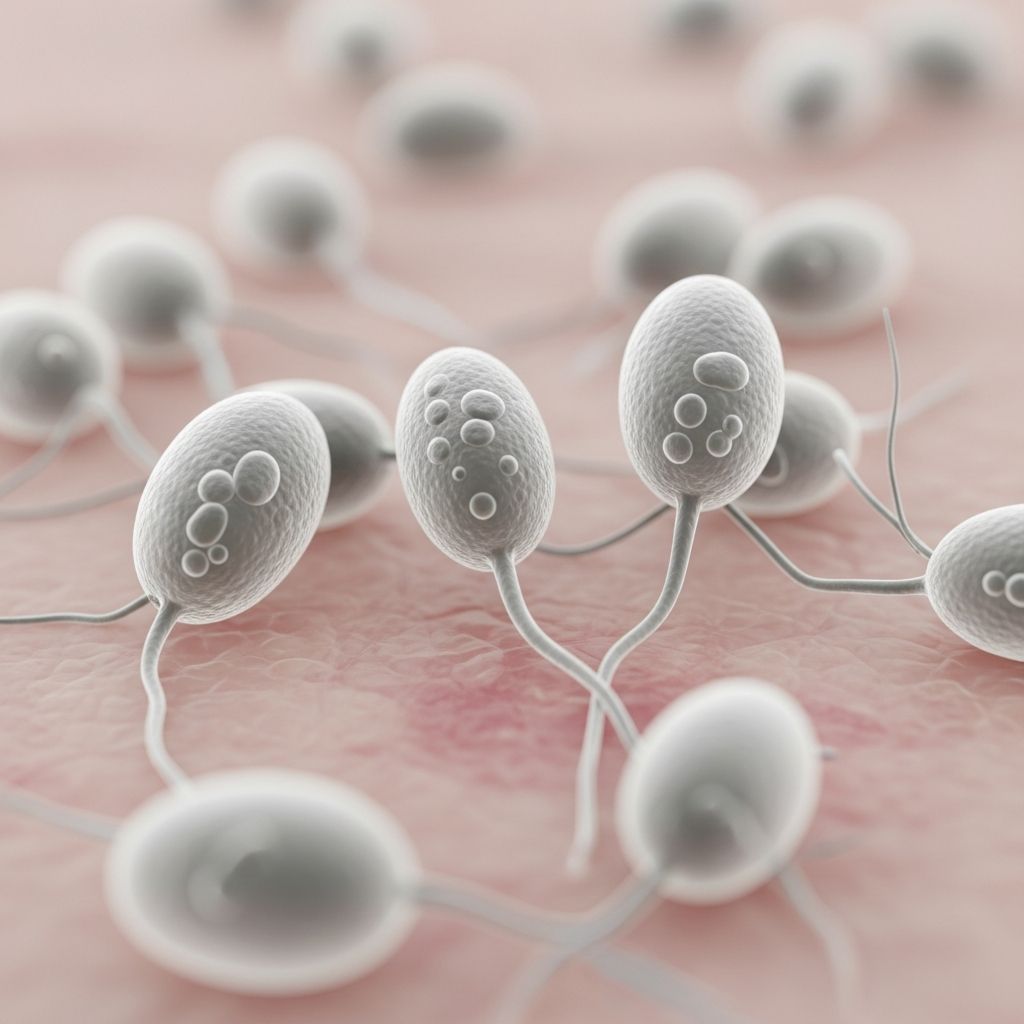
Male Yeast Infection: A Comprehensive Guide
A male yeast infection, medically known as penile candidiasis or balanitis when affecting the glans, is a fungal infection caused by Candida albicans overgrowth. While yeast infections are commonly associated with women, men can also develop these uncomfortable infections. Understanding the signs, causes, and treatment options is essential for maintaining genital health and seeking appropriate medical care when needed.
What Causes Male Yeast Infections?
Male yeast infections develop when Candida albicans, a naturally occurring fungus, grows excessively on or in the genital area. Several factors can contribute to the development of a yeast infection in men:
- Sexual transmission: Unprotected sexual contact with a partner who has a yeast infection significantly increases infection risk
- Poor hygiene: Inadequate genital hygiene or failure to keep the area clean and dry creates an ideal environment for fungal growth
- Diabetes: High blood sugar levels provide favorable conditions for Candida proliferation
- Weakened immune system: Conditions like HIV/AIDS or medications that suppress immunity increase susceptibility
- Antibiotic use: Antibiotics can kill beneficial bacteria that normally keep yeast in check
- Warm, moist environments: Tight clothing or excessive sweating creates conditions favorable for fungal growth
- Sexual practices: Engaging in oral sex with an infected partner can introduce Candida to the genital area
Recognizing the Symptoms
Male yeast infections present with several distinctive symptoms that warrant medical attention. The severity and combination of symptoms can vary between individuals:
- Itching or burning sensation: Typically occurs around the tip or head of the penis and can be intensely uncomfortable
- Redness and swelling: The foreskin or glans may appear inflamed and discolored
- White, thick discharge: A cottage cheese-like discharge may accumulate under the foreskin
- Pain during urination: Urinating can cause significant discomfort or burning sensations
- Pain during intercourse: Sexual activity may be painful due to inflammation and irritation
- Soreness and rash: The affected area may develop a painful rash or patches
- Difficulty retracting the foreskin: Uncircumcised men may experience difficulty pulling back the foreskin
- Cracked or peeling skin: The affected skin may become dry, cracked, or show signs of scaling
It’s important to note that many of these symptoms overlap with other sexually transmitted infections and conditions. Therefore, an accurate diagnosis from a healthcare provider is crucial before beginning treatment.
Diagnosis of Male Yeast Infections
Proper diagnosis ensures you receive appropriate treatment for your specific condition. Healthcare providers typically use several diagnostic methods:
Physical examination: Your provider will visually inspect the affected area for signs of infection, such as redness, swelling, or discharge. Microscopic examination: A sample of the discharge may be collected and examined under a microscope to identify Candida cells. Culture testing: In some cases, a sample may be cultured in a laboratory to confirm the presence of Candida albicans and identify the specific strain. Additional testing: Your healthcare provider may recommend tests to rule out other sexually transmitted infections or underlying conditions like diabetes.
Treatment Options for Male Yeast Infections
The good news is that male yeast infections are highly treatable with appropriate antifungal medications. Treatment selection depends on infection severity and individual circumstances.
Over-the-Counter Treatments
Many effective antifungal creams and ointments are available without a prescription. These topical treatments are usually applied directly to the affected area as directed:
- Clotrimazole (Lotrimin AF): A commonly used azole antifungal available in cream form
- Miconazole (Monistat, Micatin): Another effective topical azole medication
- Tioconazole: A potent single-dose antifungal cream option
These over-the-counter options are particularly suitable for first-time infections or mild to moderate cases. However, it’s crucial to follow package instructions carefully regarding application frequency and duration.
Related Stories



Prescription Treatments
More severe or persistent infections may require prescription-strength medications. Your healthcare provider might prescribe:
- Oral antifungal medications: Prescription pills like fluconazole (Diflucan) are taken by mouth and are effective for more serious infections
- Prescription-strength topical creams: Stronger formulations available by prescription may be recommended for stubborn infections
- Hydrocortisone cream: In some cases, a combination approach using hydrocortisone may reduce inflammation alongside antifungal treatment
Supportive Care Measures
Alongside antifungal medication, maintaining proper hygiene is essential for recovery:
- Keep the area clean and dry: Gently wash the area with unscented soap and water, then dry thoroughly
- Avoid irritants: Use only gentle, unscented soaps and avoid perfumed products
- Wear breathable clothing: Choose loose-fitting, moisture-wicking underwear to reduce moisture buildup
- Avoid sexual contact: Refrain from sexual activity during treatment to prevent transmission and allow healing
Recovery Timeline
Most mild to moderate male yeast infections respond well to treatment. You can typically expect:
- Two to three days: Symptoms begin improving with topical antifungal cream treatment
- One to two weeks: Complete resolution of infection and symptoms
- Severe cases: May require two to three weeks for complete clearance
It’s essential to continue using your prescribed medication for the full recommended duration, even if symptoms disappear earlier. Premature discontinuation can lead to infection recurrence.
When to Seek Medical Attention
While many yeast infections can be managed at home with over-the-counter treatments, certain situations warrant professional medical evaluation:
- First suspected yeast infection: Initial diagnosis should be confirmed by a healthcare provider
- No improvement within a few days: If symptoms persist despite appropriate home treatment, seek medical care
- Worsening symptoms: Increasing severity, spread, or new symptoms indicate the need for professional evaluation
- Persistent redness, itching, or pain: Lingering symptoms may indicate a different condition requiring specific treatment
- Thick white discharge: Excessive or foul-smelling discharge warrants professional assessment
- Recurrent infections: Repeated yeast infections may signal underlying health issues like diabetes or immune system problems
- Severe symptoms: Significant swelling, severe pain, or extensive rash requires urgent evaluation
Prevention Strategies
Reducing your risk of developing a male yeast infection involves maintaining good genital hygiene and making informed lifestyle choices:
- Practice good hygiene: Wash the genital area daily with unscented soap and water, and dry thoroughly
- Maintain dry conditions: Change out of damp clothing promptly, especially after sweating or swimming
- Use protection: Condoms can reduce transmission risk when one partner has a yeast infection
- Manage blood sugar: If diabetic, maintaining proper blood sugar control reduces infection risk
- Limit antibiotic use: Only use antibiotics when medically necessary and prescribed by a healthcare provider
- Support immune health: Maintain overall wellness through proper nutrition, exercise, and stress management
- Communicate with partners: If you have a yeast infection, inform sexual partners to prevent mutual transmission
Complications and When to Seek Emergency Care
While uncommon, untreated yeast infections can lead to complications. Seek emergency care if you experience high fever above 103 degrees Fahrenheit (40 degrees Celsius), spreading rash or open wounds, or signs of systemic infection. In rare cases, yeast infections can become invasive, affecting internal organs, though this is uncommon in otherwise healthy men.
Frequently Asked Questions
Q: Can male yeast infections go away on their own?
A: While mild infections sometimes improve with proper hygiene alone, most male yeast infections require antifungal treatment for complete resolution. Without treatment, symptoms typically persist or worsen over time.
Q: Is a male yeast infection considered a sexually transmitted infection?
A: While Candida can be transmitted sexually, yeast infections aren’t classified as STIs in the traditional sense. However, sexual transmission is possible, and partners should be informed if infection occurs.
Q: Can I infect my partner with my yeast infection?
A: Yes, unprotected sexual contact with an infected partner can transmit the yeast infection. Using condoms and treating the infection reduces transmission risk significantly.
Q: How long do male yeast infections last without treatment?
A: Without treatment, symptoms can persist indefinitely and may worsen over time. Prompt treatment typically resolves symptoms within a few days to two weeks.
Q: What’s the difference between balanitis and yeast infection?
A: Balanitis is inflammation of the glans (head of the penis), which can be caused by various factors including yeast infections. Not all balanitis cases involve yeast; some are bacterial or due to irritation.
Q: Should I be concerned about recurrent yeast infections?
A: Recurrent infections warrant medical evaluation, as they may indicate underlying conditions like diabetes, immune system issues, or uncontrolled blood sugar levels. Your healthcare provider can help identify and address the underlying cause.
Q: Are there natural remedies for male yeast infections?
A: While some natural substances have antifungal properties, clinical evidence for their effectiveness against genital yeast infections is limited. Standard antifungal medications remain the most reliable treatment. Consult your healthcare provider before trying alternative approaches.
Q: Can I use my partner’s yeast infection medication?
A: It’s best to use medications prescribed specifically for you. While some over-the-counter creams work for both men and women, proper diagnosis ensures you’re using the appropriate treatment for your specific infection.
References
- What Is Candidiasis? Yeast Infection Signs & Symptoms — Cleveland Clinic. 2025-05-13. https://my.clevelandclinic.org/health/diseases/23198-candidiasis
- Balanitis: Causes, Symptoms, Treatment & Prevention — Cleveland Clinic. https://my.clevelandclinic.org/health/diseases/21186-balanitis
- What Is Candida Albicans? An Overview — Cleveland Clinic. https://my.clevelandclinic.org/health/diseases/22961-candida-albicans
- Yeast Infection in Men: Symptoms, Causes, and Treatment — GoHealth Urgent Care. https://www.gohealthuc.com/library/yeast-infection-in-men
- Invasive Candidiasis: Causes, Symptoms & Treatment — Cleveland Clinic. https://my.clevelandclinic.org/health/diseases/22308-invasive-candidiasis
- Doctor Explains YEAST INFECTION (CANDIDA/THRUSH) in Men — Medical Educational Content. https://www.youtube.com/watch?v=hBLMOGdWhbs
Similar Articles








Read full bio of Sneha Tete