Malic Acid Benefits: Energy, Skin, Fibromyalgia And Dosage
Discover the science-backed benefits of malic acid for energy, skin health, fibromyalgia relief, and more in this comprehensive guide.

Malic acid, a naturally occurring organic compound found in fruits like apples and grapes, plays a vital role in human physiology and offers multiple health benefits. As an alpha hydroxy acid (AHA), it supports cellular energy production through the Krebs cycle, aids skin health, and may alleviate symptoms of certain conditions like fibromyalgia.
What Is Malic Acid?
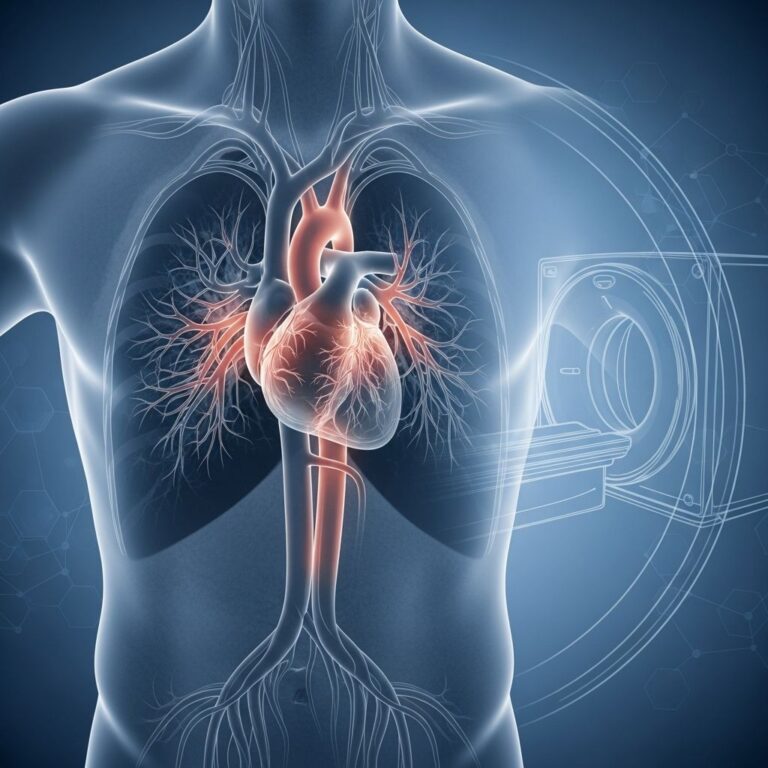
Malic acid is a dicarboxylic acid produced endogenously in the body and abundant in many fruits. It functions as a key intermediate in the Krebs cycle (citric acid cycle), where it helps convert carbohydrates, proteins, and fats into adenosine triphosphate (ATP), the primary energy currency of cells.
In food and cosmetics, malic acid provides tartness and acts as a preservative or exfoliant. Supplements are derived from natural sources or synthesized for therapeutic use. Its sour taste comes from its acidic nature, with a pKa that allows gentle penetration into skin and tissues.
How Malic Acid Works in the Body
Malic acid participates directly in mitochondrial energy metabolism. Within cells, it converts to oxaloacetate and pyruvate, intermediates that fuel ATP synthesis. This process enhances nutrient conversion to usable energy, benefiting those with fatigue.
Research shows malic acid supplementation improves mitochondrial function, sparing carbohydrates and oxygen during exercise while boosting endurance. In animal studies, it increased anaerobic endurance without higher carb or oxygen use.
Potential Health Benefits of Malic Acid
May Support Energy Levels
Malic acid’s primary benefit is enhancing cellular energy. By optimizing the Krebs cycle, it boosts ATP production, combating fatigue. Studies indicate it improves energy during exercise and daily activities, particularly for those with deficiencies.
For healthy individuals, malic acid maximizes energy output. In fibromyalgia patients, it addresses cellular energy deficits linked to pain and tiredness. Evidence from biochemical journals confirms enhanced mitochondrial ATP production.
May Improve Skin Health
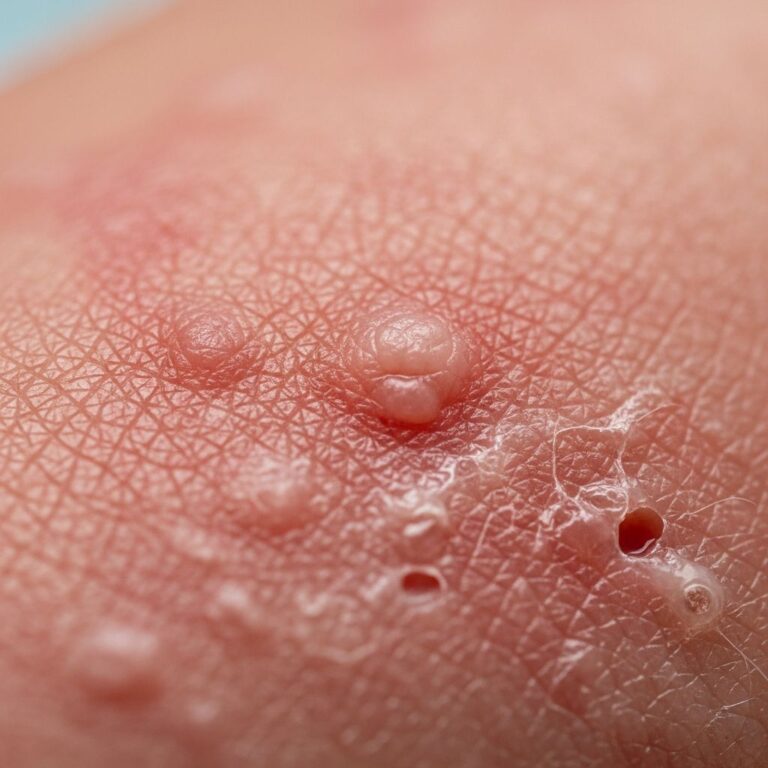
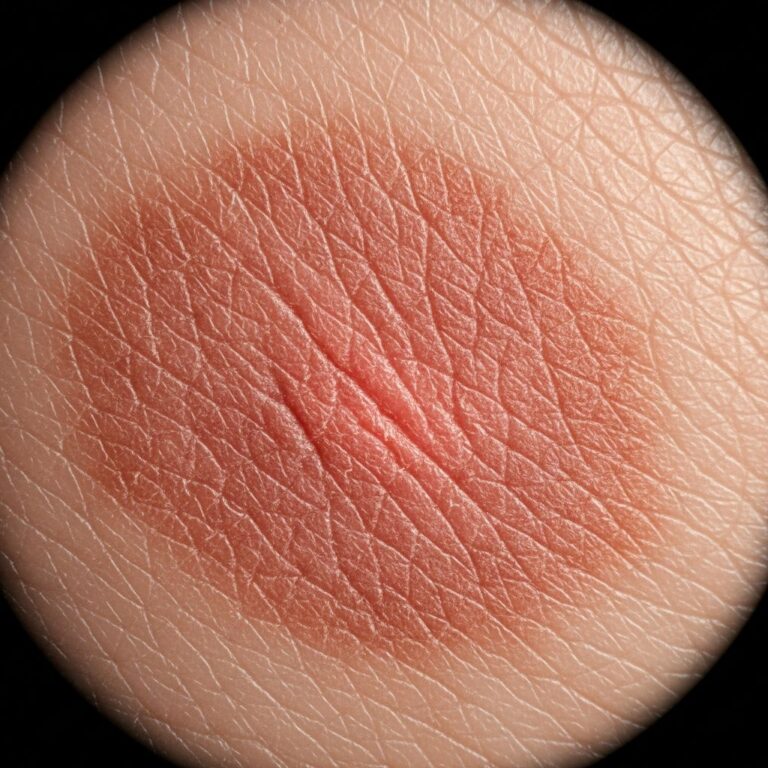
As an AHA, malic acid exfoliates by dissolving bonds between dead skin cells, promoting renewal. It reveals smoother, brighter skin and may reduce acne, fine lines, and hyperpigmentation. Gentler than glycolic acid, it’s suitable for sensitive skin.
Topical malic acid hydrates while exfoliating, improving texture and elasticity. Studies support its anti-aging effects through antioxidant activity and collagen stimulation.
May Help Relieve Fibromyalgia Symptoms
Clinical evidence shows malic acid, often with magnesium, reduces fibromyalgia pain and fatigue. A Journal of Rheumatology study found significant pain relief and better quality of life versus placebo.
The mechanism involves restoring ATP in hypoxic tissues common in fibromyalgia. Rapid improvements upon supplementation and relapse upon cessation highlight its efficacy. Doses of 1200-2400 mg daily showed benefits.
Related Stories



May Boost Oral Health
Malic acid stimulates saliva production, alleviating dry mouth (xerostomia). In Sjögren’s syndrome patients, a 1% malic acid spray increased saliva flow by generating hydronium ions that trigger glandular secretion.
It balances oral pH, reduces bacteria, plaque, and supports gum health. Chewing gum with malic acid enhances saliva, preventing bacterial overgrowth.
May Enhance Mineral Absorption
Malic acid improves iron bioavailability from plant sources like tomatoes and potatoes. It chelates minerals, aiding uptake, especially for anemic or pregnant individuals.
May Help Prevent Kidney Stones
By increasing urinary pH and citrate levels, malic acid may inhibit calcium oxalate stone formation. Some evidence suggests preventive effects, though more human trials are needed.
Other Potential Benefits
- Weight Management: Enhances fat oxidation, metabolic rate, and insulin sensitivity, potentially aiding calorie burn and glucose use.
- Heart Health: Animal studies show improved risk factors via better energy metabolism.
- Athletic Performance: Boosts endurance and recovery by sparing energy substrates.
Malic Acid Supplements
Available as capsules, powders, or in combination formulas (e.g., with magnesium). Typical doses: 600-2400 mg/day for energy/fibromyalgia; lower for skin/oral use. Start low to assess tolerance.
| Form | Common Dose | Primary Use |
|---|---|---|
| Capsules | 600-1200 mg | Energy, Fibromyalgia |
| Powder | 1-2 g | General Wellness |
| Topical | 1-10% solution | Skin Exfoliation |
| Spray/Lozenge | 1% solution | Oral Health |
Consult a doctor before use, especially with medications.
Malic Acid Side Effects
Generally safe at recommended doses, but high amounts may cause nausea, diarrhea, or stomach upset. Topical use can irritate sensitive skin—patch test first. Avoid if allergic to AHAs.
Pregnant/breastfeeding individuals should seek medical advice. No major drug interactions noted, but monitor with kidney issues.
How to Use Malic Acid
- Oral: With meals to minimize GI upset; divide doses.
- Skin: Apply 1-2x weekly, follow with moisturizer/sunscreen.
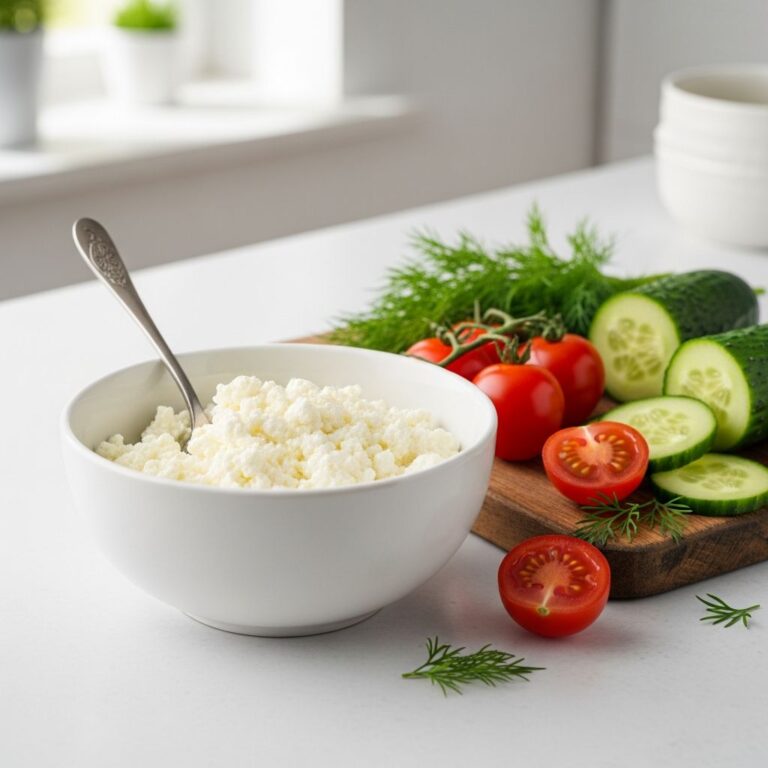
- Food Sources: Apples, cherries, grapes, rhubarb for natural intake.
Frequently Asked Questions
What foods contain malic acid?
Apples (highest), grapes, cherries, tomatoes, potatoes, rhubarb, and many fruits.
Is malic acid safe for daily use?
Yes, at 600-2400 mg/day for most adults, but consult a healthcare provider.
Can malic acid help with weight loss?
It may support metabolism and fat oxidation, but not a standalone solution.
Does malic acid interact with medications?
Minimal interactions; safe with most, but check with doctor for kidney meds.
How long until malic acid benefits appear?
Energy/skin: 1-4 weeks; fibromyalgia: 4-8 weeks with consistent use.
References
- Malic Acid Benefits Energy Levels, Skin Health & More — Dr. Axe. 2023. https://draxe.com/nutrition/malic-acid-benefits/
- 7 Surprising Benefits of the Malic Acid Formula — Wellbeing Nutrition. 2024. https://wellbeingnutrition.com/blogs/weight-metabolism/7-surprising-benefits-of-the-malic-acid-formula
- What is malic acid? Benefits and how it’s made — LMNT Science. 2024. https://science.drinklmnt.com/did-you-know/malic-acid
- Malic Acid, Energy and Fibromyalgia — AARDS Rheum-Care. 2023. https://www.rheum-care.com/malic-acid-energy-and-fibromyalgia/
- Malic Acid for the Treatment of Rheumatic Diseases — PMC – NIH. 2024-01-15. https://pmc.ncbi.nlm.nih.gov/articles/PMC10815539/
- Malic acid as a therapeutic supplement — EBSCO Research Starters. 2023. https://www.ebsco.com/research-starters/complementary-and-alternative-medicine/malic-acid-therapeutic-supplement
- Malic Acid – Uses, Side Effects, and More — WebMD. 2025. https://www.webmd.com/vitamins/ai/ingredientmono-1495/malic-acid
Similar Articles








Read full bio of medha deb