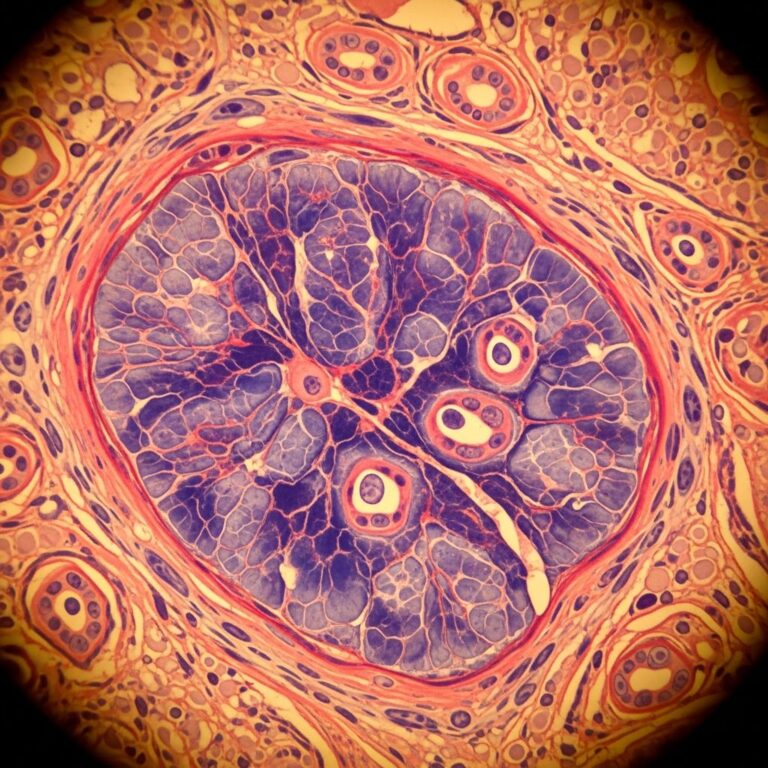
Malignant Neoplasm: Definition, Types & Treatment Options
Comprehensive guide to malignant neoplasms: understanding cancer, types, symptoms, and evidence-based treatment approaches.
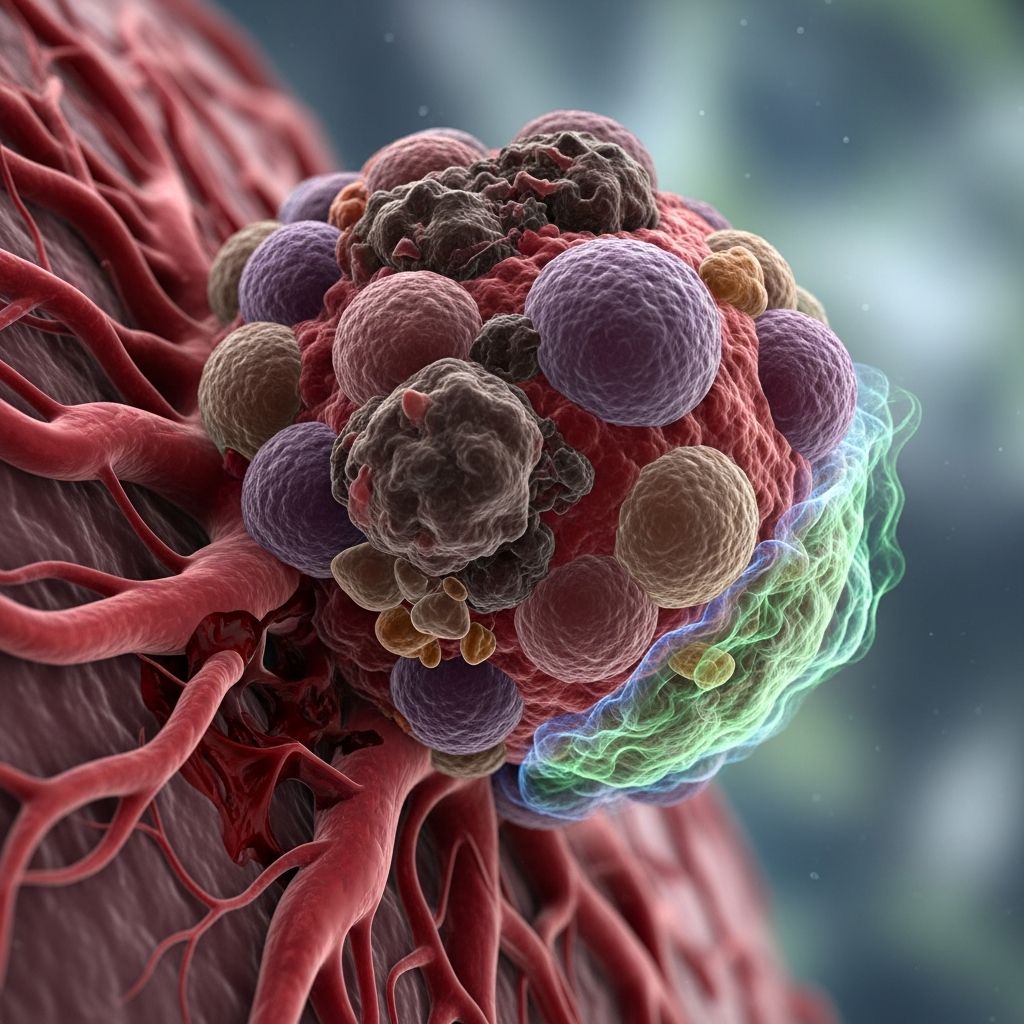
What Is a Malignant Neoplasm?
A malignant neoplasm is an abnormal growth of cells that has the capacity to invade surrounding tissues and spread to distant parts of your body. Unlike benign tumors, which remain localized and grow slowly, malignant neoplasms are cancerous and pose serious health risks. The term “neoplasm” simply means “new growth,” and when it is malignant, it indicates that the cellular growth is uncontrolled and potentially life-threatening.
Malignant neoplasms arise when cells in your body begin to multiply abnormally due to genetic mutations or other cellular changes. These cancer cells can invade nearby healthy tissue, enter the bloodstream or lymphatic system, and establish new tumors in other parts of your body—a process called metastasis. Early detection and prompt treatment significantly improve outcomes for many types of malignant neoplasms.
How Malignant Neoplasms Differ From Benign Tumors
Understanding the distinction between malignant and benign neoplasms is essential for appreciating the seriousness of a cancer diagnosis. Benign tumors grow slowly, remain in one location, and do not spread to other parts of the body. They are rarely life-threatening unless they grow large enough to compress vital organs or tissues. In contrast, malignant neoplasms grow more rapidly, have the ability to invade surrounding tissues, and can metastasize to distant organs. Benign tumors typically have a clearly defined border, while malignant tumors often lack distinct boundaries and infiltrate nearby structures.
Additionally, benign tumors are composed of cells that closely resemble normal cells under microscopic examination, whereas malignant tumor cells often appear significantly abnormal and dysfunctional. Many benign neoplasms require no treatment unless they interfere with normal body function. Malignant neoplasms, however, almost always require aggressive treatment to prevent spread and improve survival.
Types of Malignant Neoplasms
Malignant neoplasms are classified into several major categories based on the type of tissue from which they originate. Understanding these classifications helps healthcare providers determine appropriate treatment strategies and predict disease behavior.
Carcinomas
Carcinomas are the most common type of malignant neoplasm, accounting for approximately 80% to 90% of all cancers. These cancers develop in epithelial tissues—the cells that line the outer surfaces of your body and cover internal organs. Common carcinomas include breast cancer, lung cancer, colorectal cancer, and skin cancer. Carcinomas can be further subdivided into adenocarcinomas (which develop in glandular tissues) and squamous cell carcinomas (which arise in flat epithelial cells).
Sarcomas
Sarcomas are rare malignant neoplasms that develop in bone and connective tissues, including fat, muscle, blood vessels, nerves, and the tissue surrounding bones and joints. These tumors typically affect younger individuals and can grow quite aggressively. Types include osteosarcoma (bone cancer), leiomyosarcoma (smooth muscle cancer), and fibrosarcoma (fibrous tissue cancer). Sarcomas require specialized diagnostic and treatment approaches due to their unique biology and location.
Leukemias and Lymphomas
These malignant neoplasms originate in blood-forming tissues and the lymphatic system. Leukemias involve abnormal multiplication of white blood cells, while lymphomas affect lymph nodes and lymphoid tissues. Unlike solid tumors, these cancers circulate throughout the bloodstream and lymphatic system, making them systemic diseases that require different treatment approaches than localized tumors.
Related Stories



Melanoma
Melanoma is one of the deadliest forms of skin cancer, arising from melanocytes—the cells that produce skin pigment. Early detection and treatment are crucial for melanoma, as it can spread rapidly to other organs if left untreated. The importance of early intervention cannot be overstated, as survival rates depend significantly on disease stage at diagnosis.
Risk Factors and Causes
Most malignant neoplasms occur without a known specific cause, making prevention challenging. However, research has identified numerous risk factors that increase the likelihood of developing cancer. These include:
- Age: Cancer risk increases with age, as cellular mutations accumulate over decades.
- Genetic predisposition: Inherited mutations in genes like BRCA1 and BRCA2 significantly increase cancer risk.
- Tobacco use: Smoking and smokeless tobacco are major risk factors for lung, throat, and bladder cancers.
- Excessive alcohol consumption: Linked to cancers of the mouth, throat, liver, and breast.
- Sun exposure: Ultraviolet radiation increases skin cancer risk.
- Infectious agents: Certain viruses, such as human papillomavirus (HPV) and hepatitis B virus, can cause specific cancers.
- Occupational exposure: Exposure to asbestos, certain chemicals, and radiation increases cancer risk.
- Obesity and sedentary lifestyle: Associated with increased risk of several cancer types.
Symptoms and Warning Signs
Symptoms of malignant neoplasms vary widely depending on the type, location, and stage of the cancer. Some common warning signs include:
- Persistent cough or hoarseness lasting more than two weeks
- Unexplained weight loss
- Unusual bleeding or discharge
- Persistent pain or discomfort
- Changes in skin, including new moles or changes to existing ones
- A lump or mass that can be felt under the skin
- Difficulty swallowing
- Fatigue that doesn’t improve with rest
- Fever or night sweats
It is important to note that these symptoms can result from various conditions, not just cancer. However, any persistent symptoms should be evaluated by a healthcare provider to rule out serious disease.
Diagnostic Procedures
Accurate diagnosis of malignant neoplasms requires a systematic approach combining clinical evaluation, imaging studies, and tissue analysis. Your healthcare provider will begin with a thorough medical history and physical examination. Based on initial findings, additional tests may include:
Imaging Studies
Computed tomography (CT) scans, magnetic resonance imaging (MRI), positron emission tomography (PET) scans, and ultrasound help visualize tumors, assess their size, and detect spread to other organs.
Biopsy
A tissue sample is obtained through needle biopsy, surgical biopsy, or endoscopy to confirm the diagnosis and determine the specific type of cancer. Special tests performed on biopsy samples can reveal genetic mutations and other features that guide treatment decisions.
Blood Tests
Blood tests may measure tumor markers—substances produced by cancer cells—that can indicate the presence of malignant disease or monitor treatment response.
Cancer Staging
Once cancer is diagnosed, it is staged to determine how far the disease has progressed and what treatments may be most effective. The TNM classification system is commonly used, where:
- T refers to the size and local extent of the tumor
- N indicates whether cancer has spread to regional lymph nodes
- M shows whether distant metastases are present
Tumors are also assigned a grade (G) that describes how abnormal the cancer cells appear under microscopic examination. Lower grades indicate cells more closely resembling normal tissue and generally carry a better prognosis. Healthcare providers combine TNM scores and grade information to assign an overall stage, typically ranging from 1 to 4, with higher numbers indicating more advanced disease.
Treatment Options
Treatment for malignant neoplasms depends on various factors including cancer type, stage, location, patient age, and overall health. Multiple treatment modalities are often combined to maximize effectiveness.
Surgery
Surgical removal remains a cornerstone of cancer treatment, particularly for localized tumors. Surgeons perform wide local excision, removing the tumor along with surrounding margins of healthy tissue to ensure all cancer cells are eliminated. For some cancers, surgery may involve removal of affected organs or lymph nodes.
Radiation Therapy
High-energy radiation beams precisely target and destroy cancer cells while minimizing damage to surrounding healthy tissue. Radiation may be delivered externally or internally (brachytherapy) and can be used before surgery to shrink tumors, after surgery to eliminate microscopic disease, or as primary treatment for certain cancers.
Chemotherapy
Chemotherapy drugs kill or slow the growth of rapidly dividing cancer cells. These medications can be administered intravenously, orally, or through other routes. Chemotherapy may be given before surgery to shrink tumors (neoadjuvant therapy), after surgery to prevent recurrence (adjuvant therapy), or as primary treatment for advanced cancers.
Targeted Therapy
Targeted therapy drugs attack specific weaknesses or mutations in cancer cells without harming healthy cells. These drugs are designed to interfere with specific molecules or pathways that cancer cells depend upon for survival and proliferation. Targeted therapy is often used as monotherapy or in combination with other treatments.
Immunotherapy
Immunotherapy strengthens your immune system’s ability to recognize and destroy cancer cells. Cancer cells often hide from the immune system or suppress immune responses. Immunotherapy can undo these defenses, allowing your body’s natural defenses to fight cancer more effectively. Common immunotherapy approaches include checkpoint inhibitors and CAR-T cell therapy.
Prognosis and Outlook
The prognosis for malignant neoplasms varies considerably based on cancer type, stage, and individual patient factors. Some malignant neoplasms are curable, particularly when detected early and treated aggressively. Others may be managed as chronic conditions with appropriate therapy. Advanced cancers that have spread widely are typically more challenging to treat but may still respond to modern therapeutic approaches.
The outlook for patients with malignant neoplasms has improved significantly over recent decades due to advances in detection, treatment, and supportive care. Many people live many years after receiving cancer treatment, and some achieve complete remission. Your healthcare provider will discuss your individual prognosis and what it means for your treatment plan and long-term outlook.
Prevention Strategies
Although you cannot always prevent malignant neoplasms, you can potentially reduce your risk by:
- Avoiding tobacco products and limiting alcohol consumption
- Protecting your skin from excessive sun exposure with sunscreen and protective clothing
- Maintaining a healthy weight through balanced nutrition and regular physical activity
- Receiving recommended cancer screenings based on age and risk factors
- Getting vaccinated against cancer-causing viruses like HPV and hepatitis B
- Limiting exposure to known carcinogens in occupational or environmental settings
- Managing stress and maintaining mental health
Your Healthcare Team
Treatment of malignant neoplasms typically involves a multidisciplinary team of specialists. Your care team may include medical oncologists, surgical oncologists, radiation oncologists, radiologists, pathologists, nurses, social workers, and other specialists. This coordinated approach ensures comprehensive, personalized care tailored to your specific needs and cancer type.
Frequently Asked Questions
Q: What is the difference between a malignant and benign neoplasm?
A: Benign neoplasms are non-cancerous growths that remain localized, grow slowly, and rarely pose serious health threats. Malignant neoplasms are cancerous, grow more rapidly, invade surrounding tissues, and can metastasize to distant organs. Benign tumors typically require no treatment unless they interfere with organ function, while malignant neoplasms almost always require aggressive treatment.
Q: Can malignant neoplasms be cured?
A: Yes, some malignant neoplasms are curable, particularly when detected early and treated aggressively. The cure rate depends on cancer type, stage, and individual patient factors. Even advanced cancers may be managed effectively with modern treatment approaches, allowing patients to live many years after diagnosis.
Q: What are the most common types of malignant neoplasms?
A: Carcinomas are the most common type, accounting for 80-90% of all cancers. These include breast cancer, lung cancer, colorectal cancer, and skin cancer. Other major types include sarcomas (bone and connective tissue cancers), leukemias (blood cell cancers), lymphomas (lymphoid tissue cancers), and melanoma (skin cancer).
Q: How is malignant neoplasm stage determined?
A: Cancer staging uses the TNM classification system: T indicates tumor size and local extent, N shows lymph node involvement, and M indicates distant metastases. Combined with tumor grade, this information determines the overall stage (1-4), which helps predict prognosis and guide treatment decisions.
Q: Are there ways to reduce my risk of developing a malignant neoplasm?
A: Yes, you can reduce your risk by avoiding tobacco and excessive alcohol, protecting your skin from sun exposure, maintaining a healthy weight, exercising regularly, receiving recommended cancer screenings, getting vaccinated against cancer-causing viruses, and minimizing exposure to occupational carcinogens.
References
- Tumor (Neoplasm): Types, Symptoms & Treatment — Cleveland Clinic. 2024-07-26. https://my.clevelandclinic.org/health/diseases/21881-tumor
- Sarcoma: What it Is, Symptoms & Treatment — Cleveland Clinic. https://my.clevelandclinic.org/health/diseases/17934-sarcoma
- What Is Cancer? Symptoms, Causes & Types — Cleveland Clinic. https://my.clevelandclinic.org/health/diseases/12194-cancer
- Breast Cancer: Symptoms, Types, Causes & Treatment — Cleveland Clinic. https://my.clevelandclinic.org/health/diseases/3986-breast-cancer
- Skin Cancer: Symptoms, Types & Treatment — Cleveland Clinic. https://my.clevelandclinic.org/health/diseases/15818-skin-cancer
- A Retrospective External Validation of the Cleveland Clinic Malignancy Probability Prediction Model for Incidental Pulmonary Nodules — National Institutes of Health. 2024. https://pmc.ncbi.nlm.nih.gov/articles/PMC11283066/
- Issues in the diagnosis and management of malignant disease — Cleveland Clinic Journal of Medicine. 1994-01. https://www.ccjm.org/content/61/1/50
Similar Articles








Read full bio of Sneha Tete