Mallory Weiss Tear: Causes, Symptoms, and Treatment
Understanding Mallory Weiss tears: causes, symptoms, diagnosis, and effective treatment options.
Understanding Mallory Weiss Tears
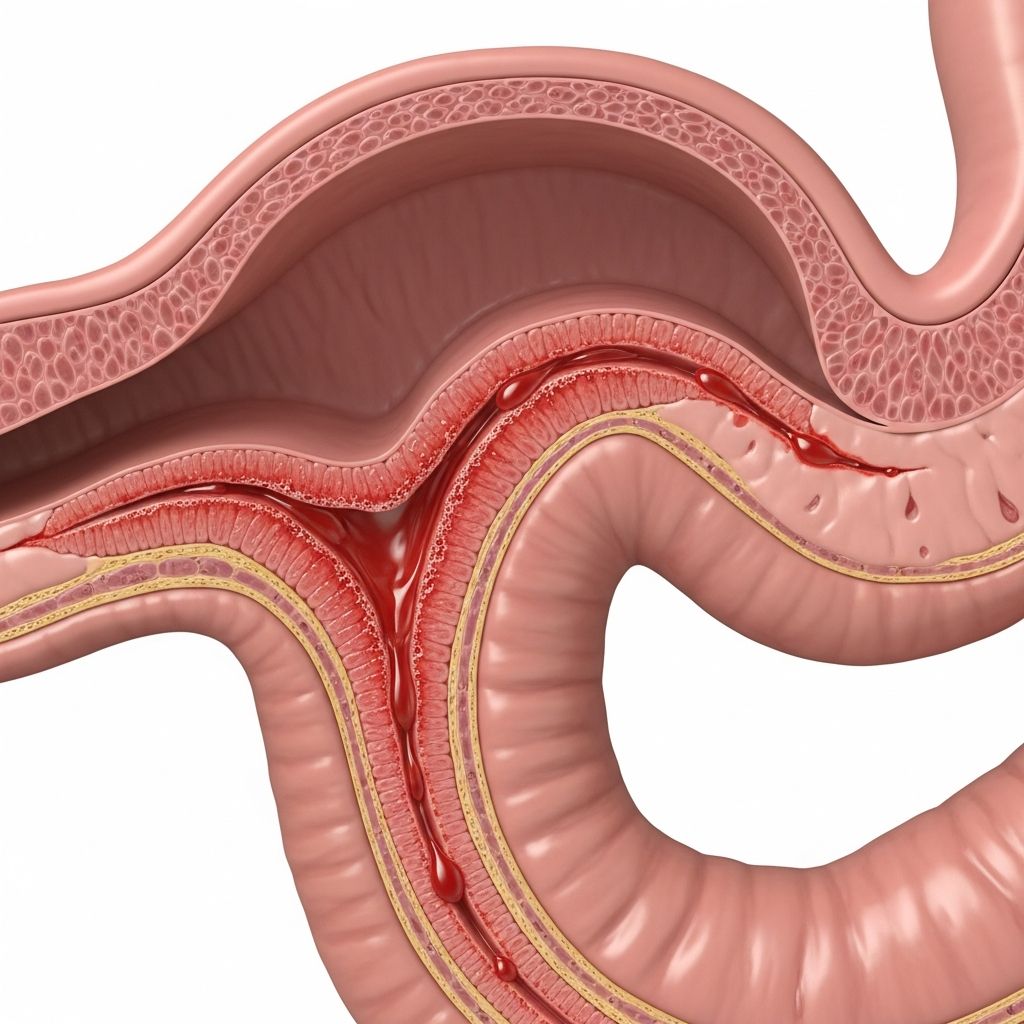
A Mallory Weiss tear is a longitudinal split or laceration that occurs in the esophagus, typically at or near the gastroesophageal junction where the esophagus meets the stomach. This condition represents one of the common causes of upper gastrointestinal bleeding, accounting for a significant portion of acute GI hemorrhage cases. Healthcare providers identify Mallory Weiss tears in between 1% and 15% of individuals presenting with bleeding in the esophagus or stomach, making it a relatively prevalent condition that requires proper understanding and management.
The defining characteristic of this condition is the presence of superficial mucosal lacerations that are typically longitudinal in nature rather than circumferential. These tears may remain localized at the gastroesophageal junction or extend proximally into the lower to mid-esophagus, or distally into the proximal stomach. Understanding this anatomical detail is important for healthcare providers in diagnosis and treatment planning.
What Causes Mallory Weiss Tears
Mallory Weiss tears develop due to a sudden and severe increase in intraabdominal pressure. The underlying mechanism involves forceful contractions that propel stomach contents upward into the esophagus with excessive force, causing the esophageal lining to tear. This pressure-induced mechanism explains why certain activities and conditions are strongly associated with tear formation.
Primary Causes
The most common cause of Mallory Weiss tears is forceful or prolonged vomiting. When the body undergoes severe retching episodes, the increased abdominal pressure forces gastric contents into the esophagus with considerable force, overwhelming the tissue’s capacity to stretch and resulting in longitudinal tears.
Beyond vomiting, several other activities and conditions can precipitate Mallory Weiss tear formation:
Activities and Conditions That Increase Risk
Violent coughing represents another significant cause, as the forceful contractions associated with severe coughing episodes generate similar pressure changes as vomiting. Prolonged hiccuping can similarly create repetitive pressure surges that damage the esophageal lining. Intense physical straining, heavy lifting, or any activity that dramatically increases abdominal pressure places individuals at risk. Childbirth, which involves significant abdominal straining, has been documented as a potential cause.
Medical procedures can also trigger these tears. Endoscopy and gastroscopy procedures occasionally cause trauma during insertion, leading to tear formation. Cardiopulmonary resuscitation (CPR) performed during emergency situations can generate sufficient force to cause esophageal trauma.
Alcohol and Other Contributing Factors
Chronic alcoholism represents a significant risk factor, as alcohol consumption increases the likelihood of severe vomiting episodes. Alcohol also impairs the esophageal tissue’s integrity and healing capacity. Individuals with hiatus hernias, where stomach tissue protrudes through the diaphragm, face elevated risk due to anatomical predisposition.
Inflammatory conditions of the esophagus (esophagitis) or stomach (gastritis) weaken mucosal defenses, making tissue more susceptible to tearing. Epileptic seizures can cause sudden increases in abdominal pressure through uncontrolled muscle contractions. Additionally, individuals on aspirin or nonsteroidal anti-inflammatory drugs (NSAIDs) have increased risk due to these medications’ effects on tissue integrity and bleeding tendency.
Related Stories



Recognizing Symptoms of Mallory Weiss Tears
Patients typically present with characteristic symptoms that warrant immediate medical attention. The most distinctive sign is hematemesis—vomiting blood—which commonly occurs following an episode of forceful retching or vomiting. The blood in vomit may appear bright red if the bleeding is active, or dark brown or black if the blood has been in the stomach longer.
In addition to bloody vomit, patients frequently experience melena, characterized by black, sticky, tarry stools that indicate the presence of digested blood from upper gastrointestinal bleeding. Some individuals may pass bright red blood through the rectum if bleeding is severe and rapid.
The severity of symptoms varies considerably. Some patients experience minimal bleeding that resolves quickly with minimal symptoms, while others develop signs of more significant hemorrhage including:
- Lightheadedness or dizziness
- Weakness and fatigue
- Abdominal discomfort or pain
- Nausea and continued vomiting
- Signs of shock in severe cases (rapid heart rate, low blood pressure, confusion)
Diagnosis and Evaluation
When patients present with symptoms suggestive of Mallory Weiss tears, healthcare providers employ several diagnostic approaches to confirm the diagnosis and assess severity.
Medical History and Physical Examination
The diagnostic process begins with a thorough history focusing on recent episodes of vomiting, retching, or coughing. Providers inquire about alcohol consumption, medication use, and any recent trauma. Physical examination includes vital signs assessment to identify signs of instability or significant blood loss, and abdominal examination to rule out other pathology.
Risk Stratification
Healthcare providers use risk assessment tools such as the Glasgow Blatchford Score (GBS) to determine the severity of bleeding and appropriate management. Patients with low-risk scores may be managed as outpatients with close follow-up, while those with GBS scores of 2 require hospital admission and urgent endoscopic evaluation within 24 hours.
Endoscopy: The Definitive Diagnostic Tool
Esophagogastroduodenoscopy (EGD), commonly called upper endoscopy, represents the gold standard for diagnosing Mallory Weiss tears. During this procedure, a flexible tube with a camera is passed through the mouth into the esophagus and stomach, allowing direct visualization of the tear. This minimally invasive procedure not only confirms the diagnosis but also enables assessment of tear size, location, and severity of bleeding, and simultaneously permits therapeutic intervention if needed.
Treatment Approaches for Mallory Weiss Tears
One of the most reassuring aspects of Mallory Weiss tear management is that the prognosis is generally favorable. Most Mallory Weiss tears heal spontaneously without requiring aggressive intervention. In most patients, bleeding stops on its own within 72 hours, and many experience cessation within just a few hours.
Supportive and Medical Management
For patients with active bleeding or recent bleeding episodes, healthcare providers typically prescribe medications to reduce stomach acid production, which facilitates healing of the damaged mucosa. The primary acid-reducing medications include proton pump inhibitors (PPIs) such as omeprazole and lansoprazole, which significantly decrease gastric acid secretion. H2 blockers represent an alternative option for acid reduction. These medications not only promote healing but also reduce the risk of rebleeding.
Anti-emetic medications such as ondansetron and promethazine are often administered to control nausea and vomiting, preventing additional trauma to the healing tear. Patients are advised to rest, avoid strenuous activity, and follow dietary restrictions recommended by their healthcare team, typically involving soft foods initially.
Endoscopic Interventions
When bleeding persists beyond initial observation or demonstrates signs of active ongoing hemorrhage, endoscopic treatments provide effective intervention. These minimally invasive procedures are performed during endoscopy and include multiple options:
Endoscopic Clip Placement: Metal clips are deployed endoscopically to grasp and compress the bleeding vessel, effectively closing the tear and controlling hemorrhage.
Injection Therapy: Healthcare providers inject medications directly into or around the tear site to promote hemostasis. Common agents include epinephrine, which causes vasoconstriction and reduces bleeding, or sclerosant agents that create inflammation to seal the vessel.
Electrocoagulation: This technique uses electrical current delivered through an endoscopic probe to apply heat to the bleeding site, cauterizing blood vessels and sealing the tear. Multipolar electrocoagulation (MPEC) and argon plasma coagulation (APC) represent advanced variations of this approach.
These endoscopic treatments have demonstrated excellent efficacy in controlling bleeding and are considered the first-line intervention when medical management proves insufficient.
Angiographic and Interventional Approaches
For cases where endoscopic treatment is unavailable or unsuccessful, angiotherapy offers an alternative intervention. During angiography, interventional radiologists catheterize the arterial system to identify the bleeding vessel. Treatment options include injection of vasoconstricting agents such as vasopressin to reduce blood flow to the tear site, or transcatheter embolization using gel foam or coils to obliterate the vessel supplying the tear.
Surgical Intervention
Surgery represents the final treatment option when both endoscopic treatments and angiographic interventions fail to control bleeding. Surgical management is rarely necessary, as most tears respond to less invasive approaches. When surgery is required, minimally invasive laparoscopic techniques are typically employed to sew the tear closed under direct visualization, avoiding the morbidity associated with open surgical procedures.
Recovery and Healing Process
Most patients with Mallory Weiss tears experience excellent outcomes with rapid healing. The esophageal and gastric mucosa possess remarkable regenerative capacity, and superficial tears typically heal completely within days to weeks. Patients who required endoscopic or surgical intervention will have close follow-up monitoring from their medical team to ensure appropriate healing and resolution of symptoms.
During recovery, patients should strictly adhere to prescribed medications, particularly acid suppressants, and follow dietary recommendations provided by their healthcare team. Alcohol consumption should be completely avoided during healing and reduced significantly long-term to prevent recurrence.
Prevention Strategies
Preventing Mallory Weiss tears focuses on minimizing the precipitating factors that cause increased abdominal pressure and forceful vomiting.
- Alcohol Reduction: Limiting or eliminating alcohol consumption represents the most significant preventive measure, as chronic alcohol use predisposes to severe vomiting. Individuals struggling with alcohol use disorder should seek support from their healthcare providers, who can connect them with resources and treatment options to achieve sobriety or safer consumption patterns.
- Management of Underlying Conditions: Adequate treatment of gastroesophageal reflux disease (GERD), esophagitis, and gastritis reduces the risk of tear formation by maintaining mucosal integrity.
- Medication Considerations: Individuals on aspirin or NSAIDs who experience frequent vomiting should discuss alternatives with their healthcare providers, as these medications increase bleeding risk.
- Lifestyle Modifications: Avoiding situations that provoke violent coughing or vomiting, such as addressing chronic cough conditions, can reduce risk.
Prognosis and Recurrence
Mallory Weiss tears generally carry an excellent prognosis. Most patients experience complete healing and rarely experience recurrence. Severe bleeding complications occur in approximately 10% of patients, but even among this group, effective interventions are available. With appropriate treatment and preventive measures, the vast majority of patients return to normal health without long-term consequences.
Frequently Asked Questions
Q: Will a Mallory Weiss tear heal on its own?
A: Yes, most Mallory Weiss tears heal spontaneously without treatment. In the majority of patients, bleeding stops within 72 hours, often within just a few hours, as the tear gradually heals through natural mucosal regeneration processes.
Q: What is the difference between a Mallory Weiss tear and esophageal varices?
A: While both cause upper gastrointestinal bleeding, they represent different pathologies. Mallory Weiss tears are superficial longitudinal lacerations typically caused by increased abdominal pressure from vomiting, while esophageal varices are dilated vessels resulting from portal hypertension, often related to liver cirrhosis. Treatment approaches differ significantly.
Q: How long does recovery take after endoscopic treatment?
A: Most patients experience rapid improvement after endoscopic treatment. While the tear itself may take several days to weeks to fully heal, many patients feel significantly better within 24-48 hours. Full recovery typically occurs within 2-4 weeks with appropriate medication and lifestyle modifications.
Q: Can Mallory Weiss tears recur?
A: Recurrence is uncommon. Most patients experience complete healing and do not develop subsequent tears. However, individuals who continue activities or behaviors that increase abdominal pressure, particularly severe vomiting associated with alcohol use, face increased recurrence risk. Prevention through lifestyle modifications significantly reduces this risk.
Q: Should I be concerned if I vomit blood occasionally?
A: Any instance of hematemesis (vomiting blood) warrants medical evaluation to determine the underlying cause and assess severity. While some cases resolve spontaneously, medical assessment ensures proper diagnosis and appropriate management, preventing potential complications from untreated bleeding.
References
- Mallory Weiss Syndrome – Symptoms, Causes, Treatment — National Organization for Rare Disorders (NORD). Accessed December 2025. https://rarediseases.org/rare-diseases/mallory-weiss-syndrome/
- Mallory Weiss Tear: Symptoms, Causes, Treatment & Prevention — Cleveland Clinic. Accessed December 2025. https://my.clevelandclinic.org/health/diseases/22035-mallory-weiss-tear
- Mallory-Weiss Tear — MedlinePlus Medical Encyclopedia, National Library of Medicine. Accessed December 2025. https://medlineplus.gov/ency/article/000269.htm
- Mallory-Weiss Syndrome — StatPearls, National Center for Biotechnology Information (NCBI), National Institutes of Health. 2024. https://www.ncbi.nlm.nih.gov/books/NBK538190/
- Mallory-Weiss Tear — UMass Memorial Health. Accessed December 2025. https://www.ummhealth.org/health-library/mallory-weiss-tear
- Mallory-Weiss Syndrome — Merck Manuals Professional Edition. Accessed December 2025. https://www.merckmanuals.com/professional/gastrointestinal-disorders/esophageal-and-swallowing-disorders/mallory-weiss-syndrome
- Mallory-Weiss Tear: Symptoms, Diagnosis and Treatment — BMJ Best Practice. Accessed December 2025. https://bestpractice.bmj.com/topics/en-us/1145
Similar Articles








Read full bio of medha deb