Mallory-Weiss Tear: Causes, Symptoms & Treatment
Understanding Mallory-Weiss tears: symptoms, causes, diagnosis, and effective treatment options.
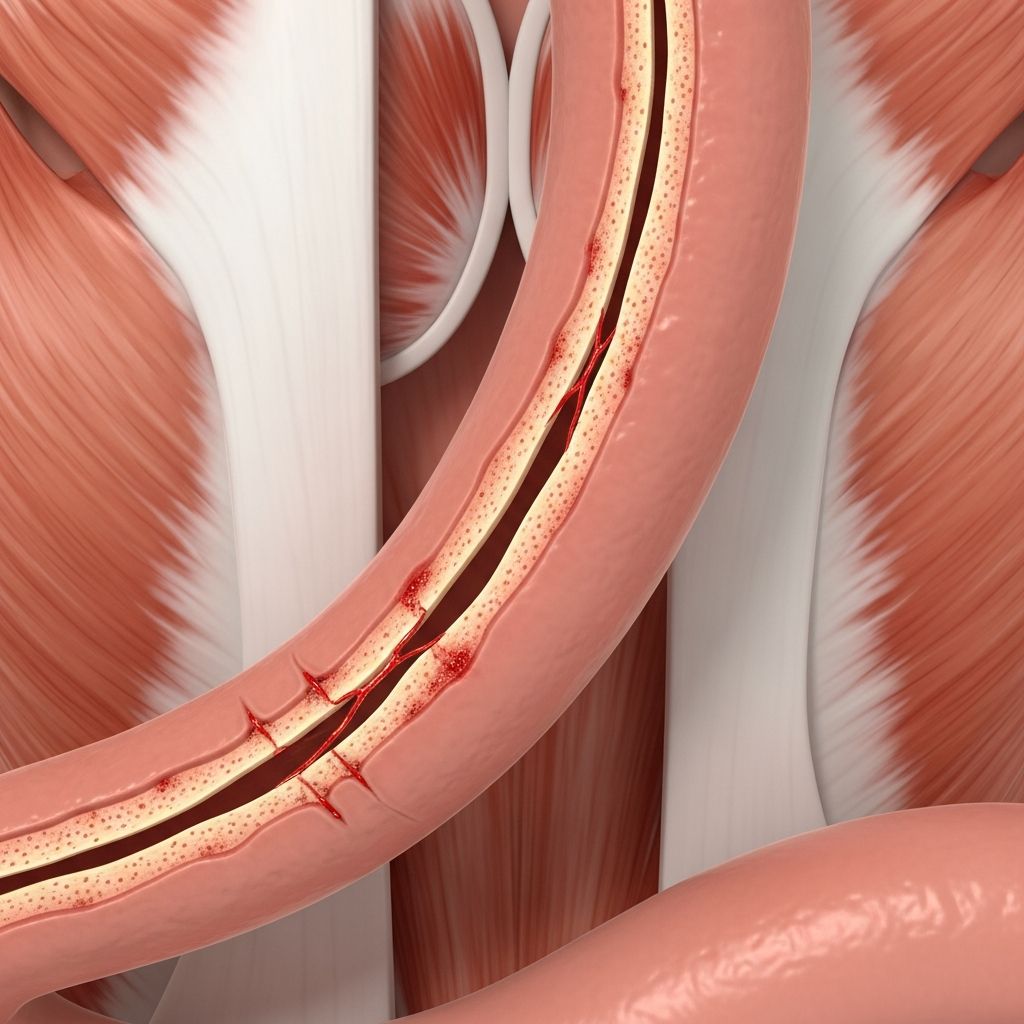
What Is a Mallory-Weiss Tear?
A Mallory-Weiss tear is a longitudinal mucosal laceration that occurs primarily at the gastroesophageal junction, the point where the stomach meets the esophagus. This condition is characterized by superficial tears in the lining of the lower esophagus or upper stomach, which can lead to significant bleeding in the upper gastrointestinal tract. The tears are typically longitudinal rather than circumferential, possibly due to the cylindrical shape of the esophagus and stomach. Named after physicians Donald Mallory and Soma Weiss who first described the condition, Mallory-Weiss tears represent one of the common causes of acute upper gastrointestinal bleeding, accounting for between 1% and 15% of all cases of esophageal or stomach bleeding.
Unlike esophageal varices, which are abnormal dilated blood vessels, Mallory-Weiss tears are typically non-variceal bleeds that often resolve spontaneously. However, when bleeding is severe, prompt medical intervention becomes necessary to prevent serious complications such as shock or hemorrhagic anemia.
Causes of Mallory-Weiss Tears
Mallory-Weiss tears develop when sudden and severe increases in intra-abdominal pressure force gastric contents to rush proximally into the esophagus with force, resulting in mucosal tears that may penetrate deep into the submucosal arteries and veins. Understanding the various causes can help individuals identify risk factors and seek appropriate medical care when necessary.
Primary Causes
Forceful vomiting remains the most common cause of Mallory-Weiss tears. The violent retching action places tremendous pressure on the esophageal walls, making them susceptible to tearing. Intense coughing can produce similar effects, particularly in individuals with chronic respiratory conditions. Additionally, severe retching, even when food is not present in the stomach, can generate sufficient pressure to cause tears.
Associated Risk Factors
Several conditions and situations increase the likelihood of developing a Mallory-Weiss tear:
- Chronic alcohol use or acute alcohol intoxication leading to vomiting
- Epileptic seizures causing forceful muscle contractions
- Intense snoring or hiccups
- Lifting and straining during physical exertion
- Blunt abdominal trauma or chest injury
- Childbirth or labor-related straining
- Cardiopulmonary resuscitation (CPR) procedures
- Hiatus hernia, which disrupts normal esophageal function
- Chronic cough associated with respiratory diseases
- Use of aspirin or nonsteroidal anti-inflammatory drugs (NSAIDs)
- Inflammation of the esophagus (esophagitis) or stomach lining (gastritis)
Medical Causes
Cancer patients undergoing chemotherapy may develop Mallory-Weiss tears as a complication of treatment. Medical procedures such as endoscopy or gastroscopy can occasionally cause perforation of the esophagus, leading to similar bleeding patterns. Chemical burns to the throat and complications from peptic ulcers can also result in these tears.
Risk Factors and Vulnerable Populations
Certain demographic and clinical characteristics increase an individual’s likelihood of experiencing a Mallory-Weiss tear. Men are more commonly affected than women, and the condition typically occurs in individuals between 30 and 50 years of age. Individuals with conditions predisposing to retching and vomiting, such as gastroesophageal reflux disease (GERD) or chronic gastrointestinal disorders, face elevated risk. Those with previous instrumentation of the esophagus or who have undergone endoscopy retain increased vulnerability, as do patients taking blood-thinning medications who may experience more severe bleeding complications.
Symptoms and Warning Signs
The presentation of Mallory-Weiss tear symptoms typically follows an episode of forceful or recurrent vomiting, retching, coughing, or straining. Individuals experiencing a Mallory-Weiss tear commonly present with hematemesis, which is vomiting blood.
Related Stories



Primary Symptoms
- Hematemesis (coughing up or vomiting blood)
- Blood in vomit that may appear bright red or dark (resembling coffee grounds)
- Melena: dark, sticky, tarry-colored stools indicating blood in the digestive system
- Signs of significant blood loss including dizziness, lightheadedness, or fainting
- Abdominal discomfort or pain
- Weakness or fatigue resulting from blood loss
The presence of bloody vomit and dark, sticky stools requires urgent medical evaluation to assess the severity of bleeding and determine appropriate treatment approaches. In some cases, bleeding may be mild and resolve without intervention, while in approximately 10% of patients, severe bleeding occurs requiring significant medical intervention, such as blood transfusion or endoscopic hemostasis.
Diagnosis and Evaluation
Healthcare providers employ several diagnostic methods to confirm a Mallory-Weiss tear and assess the severity of bleeding. A thorough medical history and physical examination typically precede more specialized diagnostic procedures.
Diagnostic Procedures
Esophagogastroduodenoscopy (EGD) represents the gold standard diagnostic and therapeutic procedure. This endoscopic examination allows physicians to directly visualize the tear, assess active bleeding, and determine the need for immediate intervention. During EGD, the healthcare provider inserts a thin, flexible tube with a camera through the mouth to examine the esophagus, stomach, and upper small intestine.
Risk Stratification using the Glasgow Blatchford Score (GBS) helps determine patient management. Low-risk patients may be discharged with outpatient follow-up, while patients with a GBS score of 2 or greater should be admitted for hospitalization and undergo esophagogastroduodenoscopy within 24 hours.
Supportive Testing
Laboratory tests including complete blood count, coagulation studies, and blood type and crossmatch are typically performed to assess the degree of blood loss and prepare for potential transfusion. Hemoglobin and hematocrit levels indicate the severity of bleeding and blood loss.
Treatment Options
Mallory-Weiss tear treatment varies based on bleeding severity. In most cases, bleeding stops spontaneously, but when intervention is necessary, multiple treatment approaches are available, ranging from conservative to surgical methods.
Conservative Management
The tear usually heals within a few days without treatment. In most patients with Mallory-Weiss tears, bleeding stops on its own within 72 hours. Most episodes of bleeding stop spontaneously, with severe bleeding occurring in only about 10% of patients. During the healing phase, supportive care focuses on rest, bowel rest (restricting food intake), and monitoring for complications.
To help the esophagus and stomach heal, healthcare providers typically prescribe medication to reduce stomach acid. Proton pump inhibitors (PPIs) and H2 blockers are given to decrease gastric acidity, as increased acidity hinders the recovery of gastric and esophageal mucosa. Intravenous PPIs are given initially to patients expected to undergo endoscopic examination. Anti-emetics such as promethazine and ondansetron control nausea and vomiting, preventing further pressure increases that could exacerbate bleeding.
Endoscopic Treatments
If a Mallory-Weiss tear continues to bleed or stops bleeding then starts again, endoscopic treatments can help. These treatments are less invasive than surgery and represent the most common approach when conservative management fails. During endoscopy, several therapeutic techniques can be employed:
- Clip placement: Endoscopic clips mechanically compress the bleeding vessel
- Electrocoagulation: Heat application or multipolar electrocoagulation seals the lesion
- Sclerosant injection: Chemical injection to control bleeding
- Epinephrine injection: Injection of vasoconstricting agents to reduce blood flow
- Argon plasma coagulation (APC): Advanced thermal ablation technique
- Endoscopic band ligation: Application of rubber bands to the tear site
Angiographic Interventions
When endoscopic treatments are unsuccessful, angiotherapy may be considered. This procedure targets the blood vessels that feed blood to the torn area. Angiography with either injection of a vasoconstricting agent such as vasopressin or transcatheter embolization with gel foam to obliterate the left gastric or superior mesenteric artery is used when endoscopy is not available or has failed. The vasopressive drug pitressin acts upon the muscles of the capillaries to affect blood pressure and reduce bleeding.
Surgical Treatment
Surgery is rarely necessary and is deemed necessary after the failure of endoscopic procedures or angiotherapy to stop the bleeding. Surgery represents the last option if both endoscopic treatment and angiotherapy do not stop the bleeding. When surgical intervention becomes unavoidable, the provider uses a minimally invasive laparoscopic procedure to sew the tear closed. Laparoscopic over-sewing of the tear under endoscopic guidance has been performed with excellent results.
Sengstaken-Blakemore tube compression serves as the last resort in treating a bleeding Mallory-Weiss tear in debilitated patients. This balloon tamponade technique involves inserting a catheter surrounded by a balloon, which is then inflated to apply direct pressure and stop bleeding. However, this remains the least preferable option since the bleeding is mostly arterial and the pressure in the balloon is not always sufficient to overcome the pressure in the bleeding artery.
Additional Supportive Measures
If significant blood loss has occurred, blood transfusions may be necessary. Patients on blood-thinning medication should consult with their healthcare provider regarding when to stop and restart the blood thinner to prevent ongoing bleeding complications.
Prognosis and Recovery
Mallory-Weiss tears typically have an excellent prognosis. The condition usually heals on its own and rarely reoccurs. If you needed endoscopic or surgical treatment for a Mallory-Weiss tear, your medical team will monitor your recovery closely. Healthcare providers will continue to track symptoms to ensure proper healing and watch for any signs of rebleeding.
Prevention Strategies
You can lessen your risk of a Mallory-Weiss tear by reducing or eliminating your alcohol use. Preventing severe vomiting through management of underlying gastrointestinal conditions reduces risk significantly. Individuals with chronic cough should seek appropriate treatment to minimize the risk of increased intra-abdominal pressure. If assistance is needed with alcohol use reduction, healthcare providers can connect patients with resources to help adopt a healthier lifestyle.
Frequently Asked Questions
Q: Will a Mallory-Weiss tear heal on its own?
A: Yes, in most cases a Mallory-Weiss tear will stop bleeding and begin to heal on its own. Bleeding typically stops within 72 hours without treatment. The tear usually heals completely within a few days. However, some individuals may require medical intervention if bleeding persists or is severe.
Q: How is a Mallory-Weiss tear different from esophageal varices?
A: While both cause upper gastrointestinal bleeding, Mallory-Weiss tears are longitudinal lacerations in the esophageal lining caused by forceful vomiting or coughing. Esophageal varices are abnormal dilated blood vessels, typically associated with liver disease. Treatment approaches differ significantly between the two conditions.
Q: Can a Mallory-Weiss tear recur?
A: Mallory-Weiss tears usually heal on their own and rarely reoccur. However, individuals who experience repeated episodes of forceful vomiting or have untreated underlying conditions may face increased recurrence risk.
Q: When should I seek emergency medical care?
A: Seek immediate medical attention if you vomit blood, pass black tarry stools, experience severe abdominal pain, feel dizzy or faint, or show signs of significant bleeding. These symptoms require urgent evaluation by a healthcare provider.
Q: What medications can help with recovery?
A: Proton pump inhibitors and H2 blockers reduce stomach acid and promote healing. Anti-emetic medications control nausea and vomiting. Your healthcare provider will prescribe appropriate medications based on your specific condition and bleeding severity.
Q: Is surgery always necessary for Mallory-Weiss tears?
A: No, surgery is rarely needed. Most Mallory-Weiss tears heal without intervention or respond well to endoscopic treatments. Surgery is reserved for cases where conservative measures and endoscopic interventions fail to control bleeding.
References
- Mallory Weiss Syndrome – Symptoms, Causes, Treatment — National Organization for Rare Disorders (NORD). 2024. https://rarediseases.org/rare-diseases/mallory-weiss-syndrome/
- Mallory Weiss Tear: Symptoms, Causes, Treatment & Prevention — Cleveland Clinic. 2024. https://my.clevelandclinic.org/health/diseases/22035-mallory-weiss-tear
- Mallory-Weiss Tear: MedlinePlus Medical Encyclopedia — National Library of Medicine. 2024. https://medlineplus.gov/ency/article/000269.htm
- Mallory-Weiss Syndrome – StatPearls — National Center for Biotechnology Information (NCBI), U.S. National Library of Medicine. 2024. https://www.ncbi.nlm.nih.gov/books/NBK538190/
- Mallory-Weiss Tear — UMass Memorial Health. 2024. https://www.ummhealth.org/health-library/mallory-weiss-tear
- Mallory-Weiss Syndrome – Gastrointestinal Disorders — Merck Manuals Professional Version. 2024. https://www.merckmanuals.com/professional/gastrointestinal-disorders/esophageal-and-swallowing-disorders/mallory-weiss-syndrome
- Mallory-Weiss Tear – Symptoms, Diagnosis and Treatment — BMJ Best Practice. 2024. https://bestpractice.bmj.com/topics/en-us/1145
Similar Articles








Read full bio of medha deb