Malnutrition: Causes, Symptoms, and Treatment
Understanding malnutrition: Learn about causes, risk factors, symptoms, diagnosis, and effective treatment options.
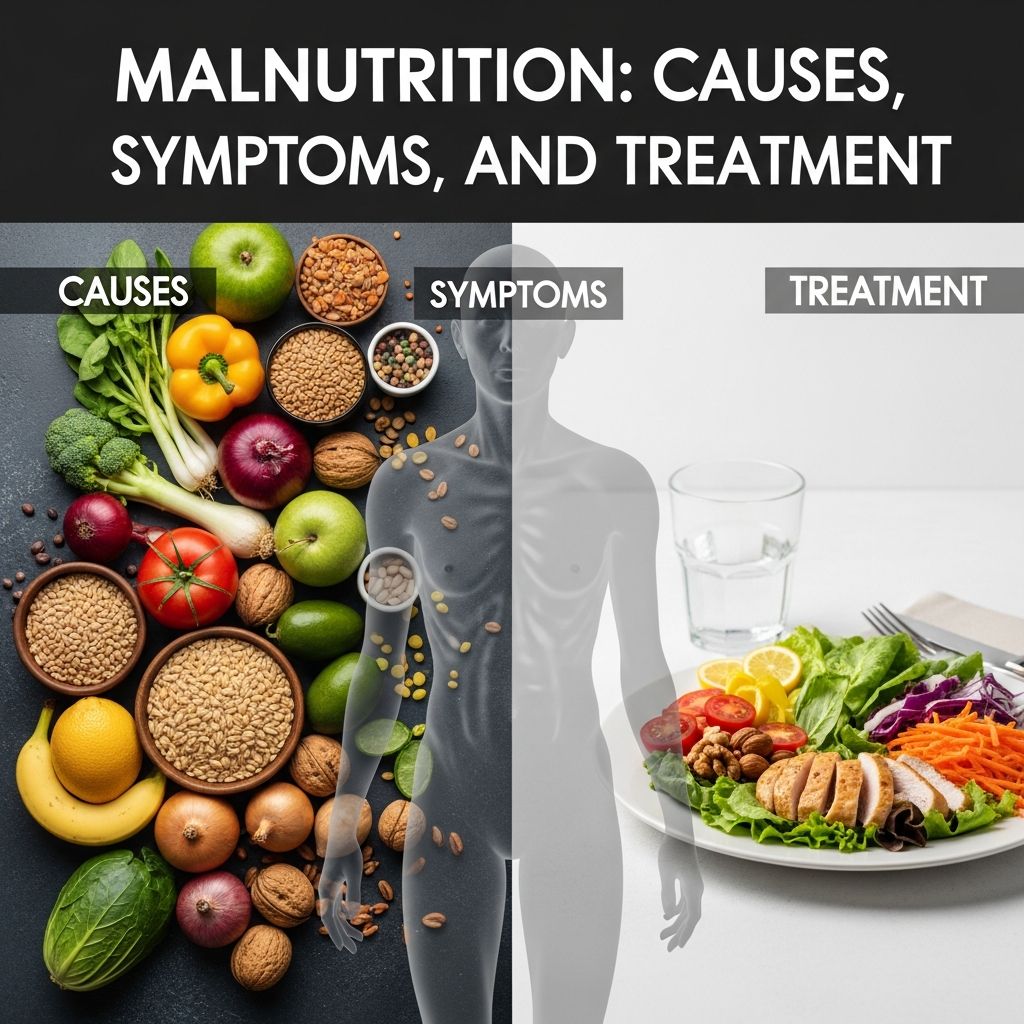
Understanding Malnutrition
Malnutrition occurs when the body does not receive adequate nutrients to function properly and maintain health. This condition can result from insufficient calorie intake, inadequate protein consumption, or deficiencies in essential vitamins and minerals. Malnutrition represents a significant global health challenge affecting millions of people across all age groups, though it disproportionately impacts children in developing regions and vulnerable populations worldwide.
The impact of malnutrition extends far beyond simple hunger. When the body lacks proper nutrition, it cannot perform essential functions including immune defense, tissue repair, energy production, and cognitive development. Malnutrition weakens the immune system, making individuals susceptible to infections and serious illnesses. In children, malnutrition can cause permanent stunting, developmental delays, and reduced cognitive capacity that affects lifelong learning and productivity.
Types of Malnutrition
Malnutrition manifests in several distinct forms, each with unique characteristics and health consequences:
Protein-Energy Malnutrition (PEM)
Protein-energy malnutrition represents the most common form globally, particularly affecting children in developing countries. PEM occurs when the diet lacks sufficient calories and protein, leading to severe weight loss, muscle wasting, and organ dysfunction. Recent research indicates that quality protein and essential amino acids play crucial roles in child growth and preventing stunting, emphasizing the importance of balanced nutritional approaches that include all protective nutrients.
Micronutrient Deficiencies
Malnutrition frequently involves deficiencies in essential micronutrients including iron, iodine, vitamin A, vitamin D, zinc, and B vitamins. These deficiencies may occur even when calorie intake appears adequate, as processed or limited diets lack sufficient vitamins and minerals. Micronutrient deficiencies impair immune function, cause anemia, affect bone health, and compromise cognitive development in children.
Overnutrition and Malnutrition
Paradoxically, malnutrition can also result from consuming excessive calories while lacking essential nutrients. Diets high in processed foods, refined carbohydrates, and unhealthy fats often provide excess calories but insufficient vitamins, minerals, and protein, leading to a form of malnutrition coexisting with overweight conditions.
Causes and Risk Factors
Multiple factors contribute to the development of malnutrition across different populations:
Environmental and Socioeconomic Factors
Poverty represents a primary driver of malnutrition, limiting access to diverse, nutrient-dense foods. Inadequate food supply, food insecurity, and limited agricultural production in developing regions create persistent malnutrition. Conflict, natural disasters, and climate change disrupt food systems and exacerbate malnutrition crises. Reduction in international aid funding for nutrition programs threatens treatment access for millions of severely malnourished children worldwide, with potential to increase mortality significantly.
Medical and Digestive Conditions
Various medical conditions impair nutrient absorption and utilization. Gastrointestinal disorders including celiac disease, Crohn’s disease, and chronic diarrhea prevent proper nutrient absorption. Malabsorption syndromes, intestinal dysfunction, and dysbiosis compromise the body’s ability to extract and utilize nutrients from food. Cancer, diabetes, and chronic infections increase nutritional requirements while reducing appetite and nutrient absorption.
Related Stories



Inadequate Dietary Intake
Limited access to varied foods containing essential nutrients contributes directly to malnutrition. Restrictive diets, eating disorders, difficulty chewing or swallowing, and poor appetite from illness or medication reduce nutritional intake. In institutional settings including hospitals and long-term care facilities, inadequate meal planning and food service can inadvertently contribute to patient malnutrition.
Age-Related Vulnerability
Certain life stages increase malnutrition risk. Infants and young children require dense nutrition for growth and development, making them vulnerable to malnutrition’s effects. Elderly individuals often experience reduced appetite, difficulty accessing nutritious foods, and medications that interfere with nutrient absorption. Pregnant and lactating women have elevated nutritional requirements that, if unmet, affect fetal development and maternal health.
Symptoms and Health Effects
Malnutrition manifests through diverse physical and cognitive symptoms that vary by severity and nutritional deficiencies involved:
Physical Manifestations
Early malnutrition signs include unintended weight loss, weakness, and fatigue. As malnutrition progresses, individuals may experience muscle wasting, reduced body mass, and weakened bones. Hair becomes dry and brittle, nails become fragile, and skin loses elasticity and develops sores or rashes. In severe cases, children display stunted growth, delayed development, and physical deformities. The immune system becomes compromised, leading to frequent and prolonged infections.
Cognitive and Developmental Effects
Malnutrition severely impacts brain development and cognitive function, particularly in children. Affected children experience delayed milestone achievement, reduced learning capacity, poor school performance, and behavioral problems. The cognitive effects often persist into adulthood, limiting educational attainment and economic opportunities. In adults, malnutrition causes difficulty concentrating, memory problems, and reduced mental acuity.
Immune Dysfunction and Infection
Almost half of all childhood deaths worldwide occur in children with malnutrition, predominantly in sub-Saharan Africa and South Asia. Malnutrition results in increased incidence, severity, and fatal outcomes of common infections including pneumonia, diarrheal diseases, and measles. The relationship between malnutrition and infection creates a vicious cycle where infections worsen nutritional status through reduced appetite and increased nutrient losses, while malnutrition increases susceptibility to subsequent infections. Children with severe malnutrition consuming insufficient nutritious food barely sustain basic bodily functions and face mortality rates up to 60 percent without treatment.
Metabolic Complications
Severe malnutrition causes metabolic dysregulation, inflammation, and bacterial translocation across compromised intestinal barriers. These processes interact with a child’s diet and environment, perpetuating the malnutrition-infection cycle beyond acute illness episodes, resulting in significant post-discharge mortality.
Diagnosis and Assessment
Healthcare providers use multiple methods to identify and assess malnutrition severity:
Clinical Evaluation
Physical examination assesses visible signs including muscle mass, body composition, and skin condition. Healthcare providers measure weight and height, calculating body mass index (BMI) to identify underweight status. In children, growth charts and developmental assessments indicate whether growth has slowed or stopped, suggesting malnutrition.
Laboratory Testing
Blood tests measure protein levels including albumin and prealbumin, which indicate nutritional status. Complete blood counts identify anemia from iron and B-vitamin deficiencies. Testing for specific micronutrient levels including vitamin D, B12, folate, and zinc confirms suspected deficiencies. Inflammation markers help distinguish malnutrition from other causes of weight loss.
Nutritional Assessment
Registered Dietitian Nutritionists (RDNs) conduct comprehensive dietary assessments documenting usual food intake, dietary restrictions, and barriers to adequate nutrition. Documentation tools support providers in systematically identifying malnutrition and ensuring appropriate diagnosis coding for medical records.
Treatment and Management
Effective malnutrition treatment addresses underlying causes while providing adequate nutrition through appropriate interventions:
Nutritional Rehabilitation
Nutritional rehabilitation begins with gradual refeeding using appropriate calorie and protein amounts to prevent refeeding syndrome. For children with severe malnutrition, ready-to-use foods including energy-dense, peanut-based pastes provide convenient, shelf-stable nutrition that can be transported to remote areas and consumed directly from packaging. Increased calorie and nutrient density supports rapid nutritional recovery.
Micronutrient Supplementation
Targeted supplementation addresses identified deficiencies. Vitamin and mineral supplements including multivitamins, iron, vitamin D, zinc, and B-complex vitamins restore depleted nutrient stores. In developing countries, fortified foods and supplementation programs represent cost-effective strategies for preventing micronutrient deficiencies at population scale.
Dietary Modifications
Working with nutritionists, individuals develop meal plans emphasizing nutrient-dense foods including lean proteins, whole grains, fruits, vegetables, and healthy fats. Modifications accommodate medical conditions, food preferences, and cultural practices while ensuring adequate nutrition. For those with swallowing difficulties, foods may require texture modifications to ensure safe, adequate intake.
Treatment of Underlying Conditions
Managing conditions contributing to malnutrition—such as gastrointestinal disorders, infections, or medication side effects—improves nutritional status. Treatment of parasitic infections, bacterial overgrowth, and inflammatory conditions may restore normal nutrient absorption. Medication adjustments can reduce appetite-suppressing or nutrient-depleting effects.
Environmental and Supportive Interventions
Addressing social determinants improves malnutrition outcomes. Food assistance programs, agricultural development, and improved food security enhance access to nutritious foods. Water, sanitation, and hygiene improvements reduce infection risk. Community-based nutrition programs identify malnourished individuals and provide treatment, particularly in remote or underserved areas.
Prevention Strategies
Preventing malnutrition requires multi-level approaches addressing individual, community, and systemic factors:
Nutrition Education
Public health campaigns promoting balanced nutrition, breastfeeding, and appropriate infant feeding practices establish healthy nutrition foundations. Healthcare provider education ensures appropriate nutritional assessment and intervention.
Food Security Programs
School feeding programs, supplementary feeding for vulnerable groups, and food assistance initiatives ensure access to adequate nutrition. Agricultural support and sustainable food systems build long-term food security.
Screening and Early Intervention
Regular screening in healthcare settings identifies malnutrition early when intervention is most effective. Growth monitoring in children detects slowing growth prompting nutritional intervention.
Public Health Policy
Adequate funding for nutrition programs maintains treatment access for vulnerable populations. Policy supporting food fortification, agricultural development, and nutrition education creates protective infrastructure against malnutrition.
Global Malnutrition Crisis and Impact
Malnutrition remains a critical global health challenge with profound consequences. Reductions in international aid funding to combat severe malnutrition in children under five could lead to approximately 369,000 additional deaths annually, with nearly half stemming from loss of U.S. support. Funding cuts could eliminate treatment access for 2.3 million severely malnourished young children worldwide, representing a 44 percent decrease in malnutrition treatment resources compared to 2022 levels.
The termination of critical nutrition projects leaves vulnerable children without access to ready-to-use therapeutic foods and screening services. In countries like Nepal and Yemen, project discontinuation has resulted in children relapsing into malnutrition and newly ill children failing to receive treatment. This crisis demonstrates that investment in nutrition programs represents not only a fundamental human right but essential investment in future human capital and economic development.
Frequently Asked Questions
What is the difference between malnutrition and undernutrition?
Undernutrition specifically refers to insufficient calorie and nutrient intake, while malnutrition encompasses both undernutrition and overnutrition—conditions of excess calories with inadequate essential nutrients. All undernutrition represents malnutrition, but not all malnutrition involves undernutrition.
How is malnutrition in hospitalized patients addressed?
Hospital malnutrition is addressed through systematic screening, documentation, and nutritional support. Registered Dietitian Nutritionists assess patients, recommend appropriate nutrition support, and monitor recovery. Nutritional interventions reduce hospital length of stay and improve patient outcomes.
Can malnutrition be completely reversed?
With adequate nutritional rehabilitation and treatment of underlying causes, most malnutrition can be significantly improved or reversed, particularly when addressed early. However, severe malnutrition in young children may result in permanent growth stunting and cognitive effects despite adequate subsequent nutrition.
What role does protein play in addressing malnutrition?
Quality protein and essential amino acids are critical for muscle maintenance, immune function, and child growth. Recent research emphasizes that balanced approaches including adequate protein alongside all protective nutrients are essential for reducing child stunting and supporting recovery from malnutrition.
How does malnutrition affect infection risk?
Malnutrition weakens immune function, increasing the incidence, severity, and fatal outcomes of infections. The malnutrition-infection cycle perpetuates as infections worsen nutritional status, creating ongoing vulnerability that extends beyond acute illness.
References
- The rise and fall of protein malnutrition in global health — Johns Hopkins University, Bloomberg School of Public Health. Accessed 2025. https://pure.johnshopkins.edu/en/publications/the-rise-and-fall-of-protein-malnutrition-in-global-health/
- The impact of malnutrition on childhood infections — Johns Hopkins University. Current Opinion in Infectious Diseases, 2018. https://pure.johnshopkins.edu/en/publications/the-impact-of-malnutrition-on-childhood-infections
- Child malnutrition set to soar as U.S. and other countries slash foreign aid — Science Magazine. 2025-01-28. https://www.science.org/content/article/child-malnutrition-set-soar-us-countries-slash-foreign-aid
- Noninterruptive tool to support provider malnutrition documentation — JAMIA Open, Oxford University Press. 2024. https://academic.oup.com/jamiaopen/article/8/3/ooaf034/8139864
- Malnutrition Increases Hospital Length of Stay and Mortality — National Center for Biotechnology Information, U.S. National Library of Medicine. https://pmc.ncbi.nlm.nih.gov/articles/PMC8949069/
- World Health Organization: Malnutrition — WHO. Accessed 2025. https://www.who.int/news-room/fact-sheets/detail/malnutrition
Similar Articles








Read full bio of Sneha Tete