Malnutrition: Symptoms, Causes, Treatment
Understand malnutrition: from undernutrition to overnutrition, learn symptoms, causes, risks, and effective treatments for all ages.
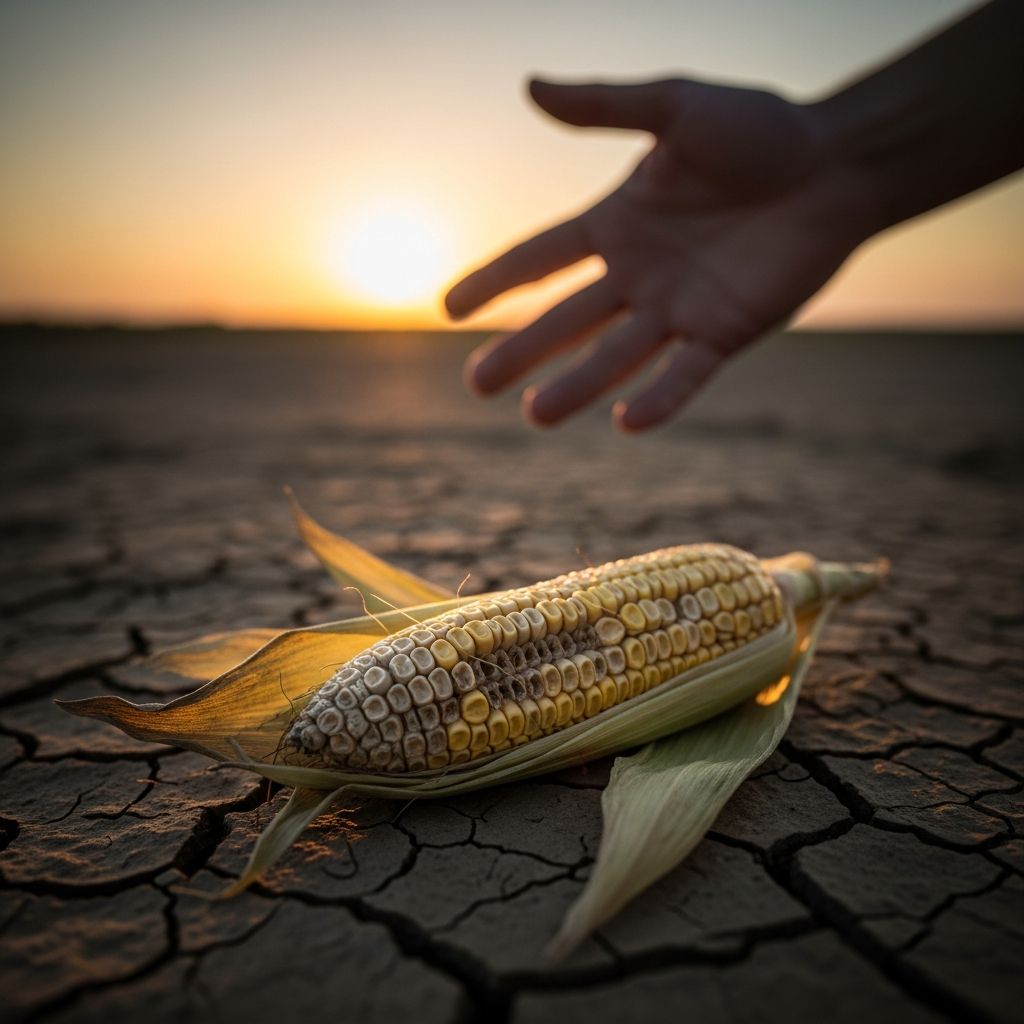
Malnutrition refers to deficiencies, excesses, or imbalances in a person’s intake of energy and/or nutrients, encompassing undernutrition, micronutrient-related issues, and overnutrition leading to obesity and diet-related diseases. In 2022, it affected millions globally, with 149 million children stunted and 45 million wasted, contributing to over 250,000 deaths from stunting and more than a million from wasting annually.
What Is Malnutrition?
Malnutrition is an imbalance between the nutrients the body needs and those it receives, manifesting as undernutrition (wasting, stunting, underweight), micronutrient deficiencies, or overnutrition (overweight, obesity). Undernutrition includes low weight-for-height (wasting), low height-for-age (stunting), and low weight-for-age (underweight), making children particularly vulnerable to disease and death. Overnutrition contributes to noncommunicable diseases like heart disease and diabetes.
Globally, 2.5 billion adults were overweight in 2022, including 890 million with obesity, while 390 million were underweight. Early malnutrition, especially before six months, sets children on trajectories of poor growth, impaired cognition, and higher mortality.
Types of Malnutrition
- Undernutrition: Includes wasting (recent severe weight loss), stunting (chronic growth failure), underweight, and micronutrient deficiencies like vitamin A or iron shortages.
- Micronutrient-related malnutrition: Deficiencies in vitamins and minerals, or excesses leading to toxicity.
- Overnutrition: Excess energy intake causing overweight, obesity, and related conditions such as diabetes and cardiovascular disease.
Symptoms and Signs of Malnutrition
Symptoms vary by type and severity. In undernutrition, common signs include significant weight loss, fatigue, dizziness, brittle nails, hair loss, and dry skin. Children may show stunted growth, frequent infections, irritability, and delayed development.
Severe cases lead to muscle wasting, edema (swelling), and organ failure. Overnutrition symptoms include excessive weight gain, joint pain, shortness of breath, and metabolic issues like insulin resistance. Micronutrient deficiencies cause specific issues: night blindness from vitamin A deficiency, anemia from iron lack, or rickets from vitamin D shortage.
| Type | Key Symptoms |
|---|---|
| Undernutrition (Wasting) | Low weight-for-height, rapid weight loss, weakness, infections |
| Stunting | Short stature for age, cognitive delays, poor immunity |
| Micronutrient Deficiency | Fatigue, anemia, vision problems, bone deformities |
| Overnutrition | Obesity, hypertension, type 2 diabetes, fatty liver |
Causes of Malnutrition
Disease-related malnutrition stems from reduced dietary intake, malabsorption, increased nutrient losses, or altered metabolic demands. Key causes include:
- Limited food access: Poverty, food insecurity, seasonal shortages, especially in South Asia where birth timing affects wasting risk.
- Illness: Infections like diarrhea cause weight loss; chronic diseases impair absorption.
- Poor diet quality: Lack of balanced nutrients, inadequate breastfeeding.
- Social factors: In hospitals, interruptions in meals exacerbate issues.
- Pregnancy and early infancy: Maternal malnutrition leads to intergenerational cycles.
Early growth faltering before six months, often prenatal, heightens risks, with seasonal patterns tied to rainfall and crop availability.
Risk Factors for Malnutrition
Related Stories



High-risk groups include children under 5 in low-income regions, pregnant women, elderly, and hospitalized patients. Other factors: low socioeconomic status, living in food-insecure areas, chronic illnesses, and poor sanitation increasing infection rates. In 2022 data, South Asia showed highest stunting and wasting incidence.
- Children born in hunger seasons (e.g., May in South Asia) face higher wasting.
- Hospital patients with unrecognized malnutrition face higher morbidity.
- Adults over 65 or those with eating disorders.
How Is Malnutrition Diagnosed?
Diagnosis involves screening tools like BMI, weight-for-height/age z-scores for children, and biochemical tests for deficiencies. Clinicians assess dietary history, physical exams for edema or muscle loss, and lab tests for albumin, vitamins, and minerals. Tools like MUST (Malnutrition Universal Screening Tool) identify at-risk patients early.
Malnutrition Treatment
Treatment addresses underlying causes and restores nutrition gradually to avoid refeeding syndrome. Approaches include:
- Nutritional therapy: Oral supplements, therapeutic foods like RUTF for severe acute malnutrition.
- Medical management: Treat infections, manage chronic conditions.
- Hospital care: For severe cases, IV fluids, tube feeding.
- For overnutrition: Diet, exercise, medications like GLP-1 agonists.
Early intervention before six months is crucial, including prenatal support. Full recovery is possible with prompt care, though some effects like stunting persist.
Prevention of Malnutrition
Prevention focuses on balanced diets, breastfeeding promotion, food security, and education. Key strategies:
- Promote exclusive breastfeeding for six months.
- Fortify foods with micronutrients.
- Public health programs targeting high-risk areas.
- Screening in healthcare settings.
- Address maternal nutrition preconception.
Sustained investments in the first 1,000 days break intergenerational cycles.
Complications of Malnutrition
Untreated malnutrition increases morbidity, mortality, and healthcare costs. Complications include weakened immunity, organ damage, cognitive impairment, and chronic diseases. Stunted children face lifelong economic disadvantages. Overnutrition leads to diabetes, heart disease.
When to See a Doctor
Seek care for unexplained weight loss/gain, persistent fatigue, frequent illnesses, or child growth delays. Hospitalized patients need routine screening.
Frequently Asked Questions (FAQs)
What is the difference between undernutrition and overnutrition?
Undernutrition is insufficient nutrients causing wasting or stunting; overnutrition is excess leading to obesity and related diseases.
Can malnutrition affect adults?
Yes, via poor diet, illness, or hospitalization, increasing morbidity risks.
Is stunting reversible?
Early intervention helps, but severe cases often persist, affecting cognition and economy.
How does early malnutrition impact children?
It raises death risk, severe growth faltering, and cognitive issues, starting prenatally.
What role does breastfeeding play?
Exclusive breastfeeding prevents early faltering; interventions must not interfere.
References
- A critical window: Early malnutrition sets stage for poor growth and even death — UC Berkeley Public Health. 2023-09-13. https://publichealth.berkeley.edu/articles/spotlight/research/early-malnutrition-sets-stage-for-poor-growth-and-even-death
- Malnutrition: causes and consequences — PMC – NIH. 2016-07-14. https://pmc.ncbi.nlm.nih.gov/articles/PMC4951875/
- Malnutrition Fact Sheet — World Health Organization (WHO). 2024-05-09. https://www.who.int/news-room/fact-sheets/detail/malnutrition
- Malnutrition: Definition, Causes, Symptoms & Treatment — Cleveland Clinic. 2023-11-07. https://my.clevelandclinic.org/health/diseases/22987-malnutrition
Similar Articles








Read full bio of medha deb