Malocclusion: Types, Causes & Treatment Options
Understanding misaligned bites: Comprehensive guide to malocclusion diagnosis and orthodontic solutions.
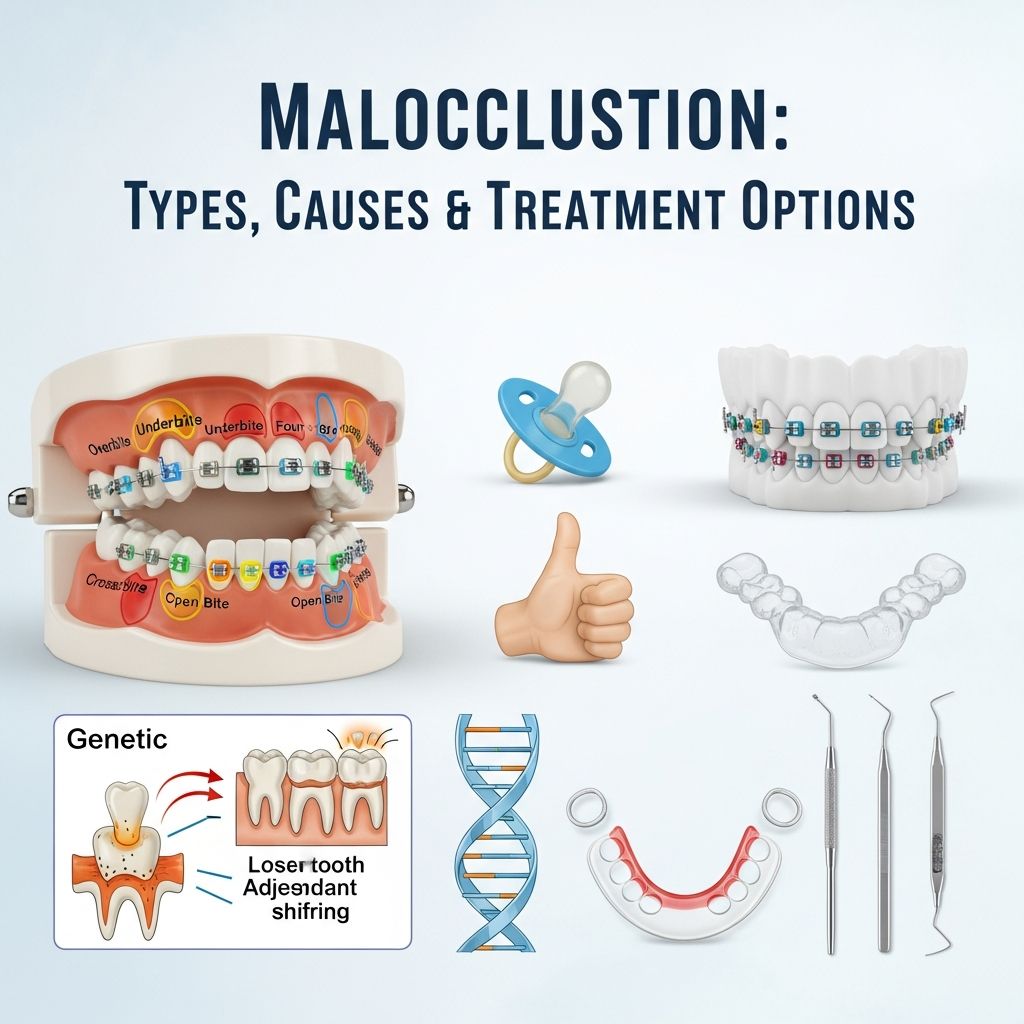
Understanding Malocclusion: A Complete Guide to Misaligned Bites
Malocclusion, commonly referred to as a “bad bite,” is a condition where your upper and lower teeth don’t align properly when you close your mouth. This misalignment can range from minor spacing issues to severe bite problems that affect both function and appearance. Left untreated, malocclusion can lead to significant complications including tooth erosion, gum disease, jaw pain, and other serious oral health issues. Healthcare providers typically address dental malocclusion through orthodontic treatments such as braces or, in severe cases, oral surgery.
How Common Is Malocclusion?
Malocclusion is remarkably prevalent in modern populations. Approximately 56% of people worldwide experience some degree of malocclusion. The prevalence is even higher among younger populations, with research indicating that up to 93% of children and adolescents have some form of misalignment. However, it’s important to note that not all cases of malocclusion require treatment. Treatment becomes necessary when malocclusion interferes with your oral health, function, or quality of life, at which point you should consult with your dentist about appropriate orthodontic interventions.
Types of Malocclusion
Healthcare providers use classification systems to diagnose and categorize different types of malocclusion. The most widely used system is the Ackerman and Proffit classification system, which describes malocclusion types based on jaw position and how your upper and lower teeth relate to each other.
| Malocclusion Class | Description |
|---|---|
| Class I Malocclusion | Your upper teeth stick out slightly beyond your lower teeth. Your jaw aligns properly. |
| Class II Malocclusion | Your upper teeth stick out significantly beyond your lower teeth. You have an underdeveloped jaw. |
| Class III Malocclusion | Your lower teeth stick out significantly beyond your upper teeth. You have an overdeveloped jaw. Class III malocclusion is often the most difficult type to fix. |
| Class IV Malocclusion | Your upper teeth sit significantly forward of your lower teeth. You have an overdeveloped jaw. |
| Class VI Malocclusion | Your lower teeth sit significantly behind your upper teeth. |
Causes of Malocclusion
Malocclusion develops through a combination of genetic and environmental factors. Understanding these causes helps explain why some people are more susceptible to bite problems than others.
Genetic Factors
Many malocclusions are hereditary, meaning they run in families. If your parents or relatives had bite problems, you may be at higher risk of developing similar issues. Genetic factors influence jaw size and shape, tooth size, and overall dental structure, all of which contribute to how your teeth align.
Environmental and Behavioral Factors
Beyond genetics, several environmental factors and childhood behaviors can contribute to the development of malocclusion. Prolonged thumb sucking, pacifier use past the age of three, extended bottle feeding, and tongue thrusting are common behavioral causes. These habits can lead to specific types of malocclusions such as crossbite (where upper teeth sit inside lower teeth) and overbite (where upper teeth extend past lower teeth more than they should).
Other Contributing Factors
Additional causes of malocclusion include missing teeth, which can allow other teeth to shift into vacant spaces, altering your bite. Injury to the jaw, disease affecting the teeth or jaw structure, and poor dental hygiene can also contribute to misalignment issues. Some conditions may develop as a result of dental trauma or infection.
Complications Associated with Malocclusion
Beyond aesthetic concerns, malocclusion can lead to several serious dental and physical health complications that warrant treatment.
Jaw Pain and TMJ Disorders
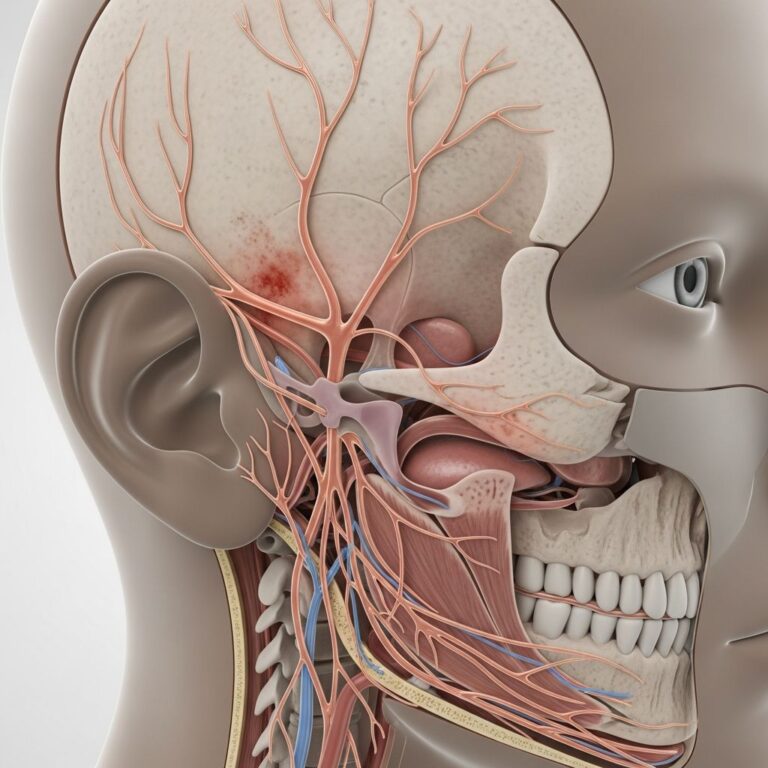
Certain alignment issues and crowding can cause significant jaw pain. Misaligned teeth can strain the muscles and joints of your mouth, sometimes leading to Temporomandibular Joint (TMJ) disorders. With TMJ dysfunction, pain may spread from the mouth and face to your shoulders and neck, accompanied by jaw stiffness and difficulty opening or closing your mouth.
Related Stories



Oral Hygiene Challenges
When teeth are crowded and not lined up correctly, they create spaces where plaque-causing bacteria can hide and accumulate. This makes it significantly harder to properly clean your teeth through regular brushing and flossing. Over time, this can lead to cavities and potentially severe gum disease.
Increased Risk of Dental Injuries
Children with misaligned teeth are more susceptible to injuries including chipped, cracked, and dislodged teeth. Malocclusions are a major risk factor for injury because they can expose teeth to vulnerable situations, particularly during physical activities or accidents.
Tooth Erosion and Gum Disease
Untreated malocclusion can accelerate tooth erosion and contribute to the development of gum disease, both of which can have long-term consequences for your oral health.
Diagnosis of Malocclusion
Dentists can diagnose malocclusion during regular dental checkups. The diagnostic process typically includes:
- Visual examination of your bite and tooth alignment
- Dental X-rays to assess tooth position and jaw structure
- Dental impressions or molds of your teeth
- Photographs of your teeth and bite
- Assessment of how your upper and lower teeth meet when you close your mouth
If you have malocclusion, your general dentist might refer you to an orthodontist, a specialist who focuses specifically on aligning your bite. While some general dentists offer braces and other orthodontic treatments, severe cases of malocclusion typically require specialist care to achieve optimal results.
Treatment Options for Malocclusion
Treatment approaches for malocclusion vary depending on the severity of the misalignment and your specific dental needs. Available options include:
- Braces: Traditional metal braces and ceramic braces gradually move teeth into proper alignment through consistent pressure over time.
- Clear Aligners: Removable, transparent trays that gradually shift teeth into the correct position.
- Retainers: Custom-fitted devices that maintain teeth in their proper position after active treatment.
- Oral Surgery: Surgical intervention for severe cases where orthodontics alone cannot achieve proper alignment, often involving jaw repositioning.
- Tooth Extraction: In some cases, removing certain teeth may be necessary to reduce crowding and improve bite alignment.
- Palatal Expanders: Devices used to widen the upper jaw to create more space for teeth.
Treatment Timeline and Duration
Treating malocclusion takes considerable time and doesn’t happen overnight. The length of treatment varies significantly depending on several factors:
- The severity of the misalignment
- The type of malocclusion
- Your age and how quickly your teeth respond to treatment
- Your compliance with treatment recommendations
- Whether you require additional procedures like extractions or surgery
On average, it takes approximately two years to complete malocclusion treatment. However, for some people, treatment may take longer, while others may only need braces for a few months. Your orthodontist can provide a more specific timeline based on your individual situation.
Prevention and Risk Reduction
Since many malocclusions are hereditary, you cannot prevent them entirely. However, environmental factors can contribute to dental misalignment, and you can take steps to reduce your risk:
- Discourage thumb sucking: Encourage children to stop thumb sucking by age three.
- Limit pacifier use: Avoid prolonged pacifier use beyond age three.
- Monitor bottle feeding: Transition children from bottles to cups at appropriate developmental stages.
- Address tongue thrusting: Consult with a healthcare provider if your child exhibits persistent tongue thrusting.
- Maintain good oral hygiene: Regular brushing and flossing help maintain healthy teeth and gums.
- Attend regular dental checkups: Early detection of malocclusion allows for timely intervention.
- Protect teeth from injury: Use mouthguards during sports and protect teeth from trauma.
- Address missing teeth promptly: Work with your dentist to replace missing teeth to prevent surrounding teeth from shifting.
Frequently Asked Questions About Malocclusion
Q: What is the difference between malocclusion and a normal bite?
A: A normal bite occurs when your upper teeth slightly overlap your lower teeth, and your teeth fit together properly. Malocclusion refers to any deviation from this normal alignment, ranging from minor spacing issues to severe misalignment that affects function.
Q: Can malocclusion correct itself as I get older?
A: In most cases, malocclusion will not correct itself without treatment. In fact, some misalignments may worsen over time as teeth continue to shift and wear. Early intervention provides better outcomes.
Q: Are there alternatives to traditional braces for treating malocclusion?
A: Yes, several alternatives exist, including clear aligners, ceramic braces, and lingual braces (which attach to the back of your teeth). Your orthodontist can discuss which option best suits your needs and lifestyle.
Q: Can adults get treatment for malocclusion?
A: Absolutely. While orthodontic treatment is common in children and teens, many adults seek treatment for malocclusion. Adult teeth can be moved just as effectively as younger teeth, though treatment may take slightly longer in some cases.
Q: Will my malocclusion return after treatment?
A: To maintain your corrected bite, you’ll typically need to wear a retainer as directed by your orthodontist. Consistent retainer use prevents teeth from shifting back to their previous positions.
Q: How much does malocclusion treatment cost?
A: Treatment costs vary widely depending on the severity of the misalignment, the treatment method chosen, and your geographic location. Many dental insurance plans cover a portion of orthodontic treatment. Discuss financing options with your orthodontist’s office.
Q: Does malocclusion affect speech?
A: In some cases, severe malocclusion can affect speech patterns, particularly with certain consonants. Treatment can help correct speech issues related to bite problems.
References
- Malocclusion (Misaligned Bite): Types & Treatment — Cleveland Clinic. 2024. https://my.clevelandclinic.org/health/diseases/22010-malocclusion
- Malocclusion in Early Anatomically Modern Human: A Reflection on Etiology — PMC/NCBI. 2013. https://pmc.ncbi.nlm.nih.gov/articles/PMC3835570/
- Malocclusion Treatment, Types, and Causes — Invisalign. 2024. https://www.invisalign.com/resources/treatable-cases/malocclusion-explained-types-causes-treatment
- TMJ Disorders: Symptoms & Treatment — Cleveland Clinic. 2025. https://my.clevelandclinic.org/health/diseases/15066-temporomandibular-disorders-tmd-overview
- Braces: Types & How They Work — Cleveland Clinic. 2024. https://my.clevelandclinic.org/health/treatments/24601-teeth-braces
Similar Articles








Read full bio of Sneha Tete