Maltodextrin: What It Is, Risks, And 5 Healthier Alternatives
Maltodextrin is a common food additive used in processed foods. Learn about its uses, potential health effects, and whether it's safe for you.
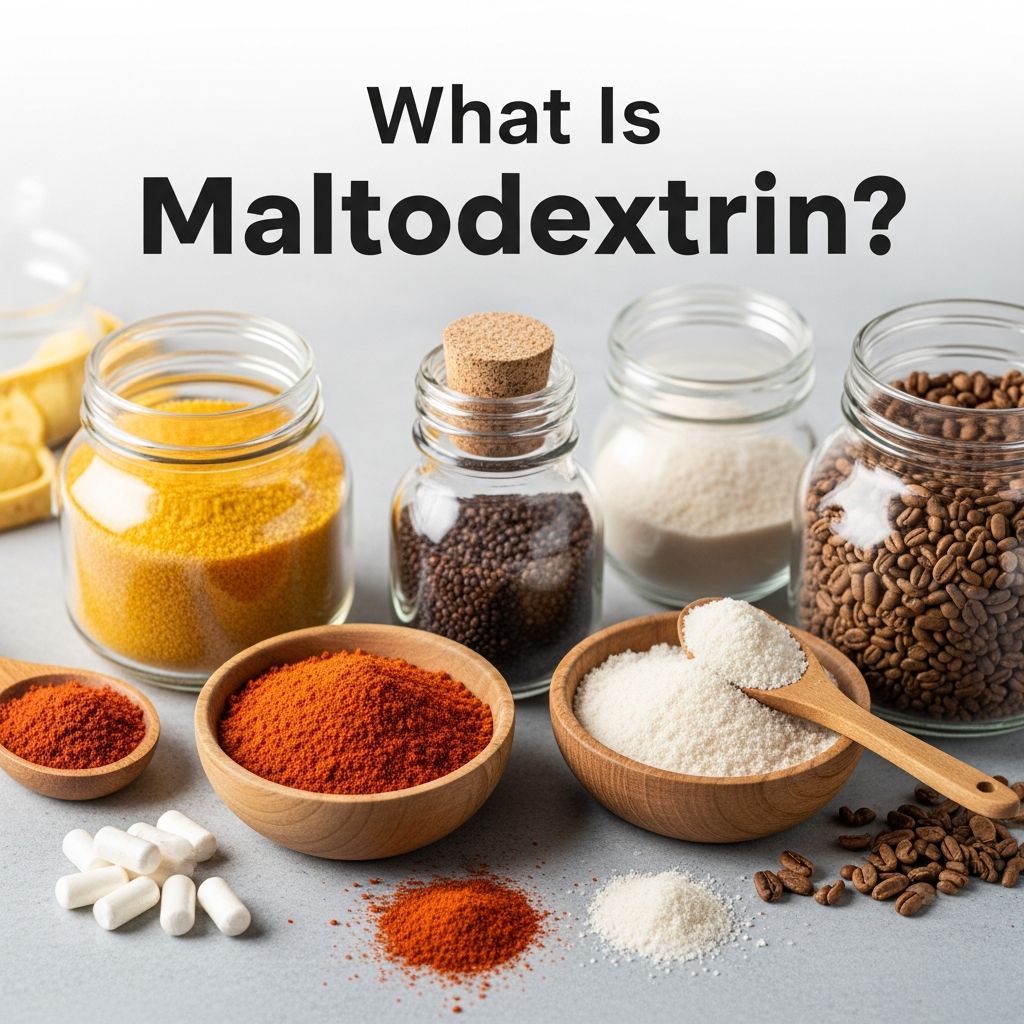
Maltodextrin is a highly refined white powder derived from starchy plants like corn, rice, wheat, or potatoes. It serves as a common food additive to improve texture, flavor, shelf life, and mouthfeel in processed foods. Manufacturers also use it in cosmetics, lotions, hair products, and even livestock feed. Despite its widespread use, concerns exist about its high glycemic index and potential impact on gut health.
What Is Maltodextrin Made Of?
Maltodextrin is produced through hydrolysis, where starch is broken down using enzymes or acids into shorter chains of glucose molecules linked primarily by alpha-1,4 bonds. The result is a carbohydrate powder with a dextrose equivalent (DE) typically between 3 and 20, making it less sweet than sugar but quick to digest. Common sources include corn (most prevalent in the U.S.), wheat, rice, and tapioca. The processing strips away most proteins, fibers, and nutrients, leaving a nearly pure carbohydrate.
Unlike whole starches, maltodextrin’s short chains allow rapid breakdown in the small intestine, behaving like a simple sugar metabolically. Resistant maltodextrin variants exist, which resist digestion and act as prebiotics, promoting gut health.
What Is Maltodextrin Used For?
Maltodextrin functions as a versatile ingredient in the food industry:
- Thickener and stabilizer: Enhances creaminess in sauces, dressings, and yogurts without altering flavor.
- Filler and bulking agent: Adds volume to low-calorie or sugar-free products like protein bars and meal replacements.
- Shelf-life extender: Prevents caking in powdered mixes and improves freeze-thaw stability in frozen foods.
- Texture improver: Provides a smooth mouthfeel in sports drinks, candies, and baked goods.
- Quick energy source: Used in sports nutrition for rapid carbohydrate delivery during endurance activities.
Beyond food, it’s found in pharmaceuticals as a binder in tablets and in cosmetics for emulsifying properties.
Is Maltodextrin Safe?
The U.S. Food and Drug Administration (FDA) classifies maltodextrin as Generally Recognized as Safe (GRAS), meaning it’s approved for use in foods at typical levels without specific quantity limits. The European Food Safety Authority (EFSA) concurs, noting no adverse effects in standard doses. It’s included in total carbohydrate counts on nutrition labels and considered safe even for those with celiac disease or corn/wheat allergies, as processing removes allergenic proteins.
However, safety depends on consumption context. In moderation within a balanced diet, it poses minimal risk. Excessive intake via ultra-processed foods can contribute to high sugar, low fiber diets linked to obesity, high cholesterol, and type 2 diabetes. No upper intake limit is set, but experts recommend limiting processed foods overall.
Maltodextrin and Blood Sugar
Maltodextrin has a high glycemic index (GI) of 85-135, higher than table sugar (GI ~65). This causes rapid digestion and absorption, leading to quick blood glucose spikes. For healthy individuals, this provides fast energy, beneficial for athletes. But for those with diabetes, insulin resistance, or prediabetes, spikes can strain pancreatic insulin response, potentially causing hyperglycemia symptoms like fatigue, blurred vision, headaches, and thirst.
People with diabetes should monitor intake closely, as even small amounts in sports gels or snacks can elevate levels unexpectedly. Those with chronic hypoglycemia may use it therapeutically for quick recovery. Always check blood sugar post-consumption if introducing it.
Related Stories



Maltodextrin and Gut Health
Emerging research indicates maltodextrin may disrupt gut microbiota. Studies show it promotes growth of pathogenic bacteria like E. coli (linked to Crohn’s disease) and Salmonella (causing gastroenteritis), while suppressing beneficial strains like Bifidobacteria. This imbalance (dysbiosis) weakens intestinal barriers, increases inflammation, and raises risks for colitis and autoimmune conditions.
A 2012 study found maltodextrin alters mucus production, impairing gut protection. Conversely, resistant maltodextrin shows promise: it ferments in the colon, boosting good bacteria, improving stool consistency, and lowering cholesterol/insulin. More human trials are needed, but those with IBS, Crohn’s, or gut issues should minimize standard maltodextrin.
Is Maltodextrin Gluten-Free?
Yes, maltodextrin is generally gluten-free, even from wheat sources. Hydrolysis breaks down gluten proteins into amino acids, rendering them non-immunogenic. EFSA and celiac studies confirm no intestinal damage or symptoms after prolonged wheat-derived maltodextrin consumption. However, rare trace contamination is possible; those with severe celiac should verify ‘gluten-free’ labeling. Corn or rice-derived versions avoid wheat concerns entirely.
Healthier Alternatives to Maltodextrin
To reduce reliance on maltodextrin, opt for whole-food thickeners and natural sweeteners:
| Alternative | Uses | Benefits |
|---|---|---|
| Xanthan gum or guar gum | Thickening sauces, dressings | Fiber-rich, low GI, gut-friendly |
| Arrowroot or tapioca starch | Baking, puddings | Gluten-free, milder blood sugar impact |
| Coconut flour or almond flour | Baking, protein bars | Nutrient-dense, high fiber |
| Chia seeds or flaxseed | Smoothies, puddings | Omega-3s, prebiotic fiber |
| Resistant starch (e.g., green bananas) | Energy gels alternative | Supports gut health, steady energy |
These provide similar functionality with added nutrition, lower GI, and better satiety.
Products That Contain Maltodextrin
Maltodextrin hides in many everyday items. Scan labels for it listed as ‘maltodextrin,’ ‘malto,’ or in ingredients like ‘modified food starch.’
- Processed snacks: Chips, crackers, instant soups.
- Beverages: Sports drinks, powdered drink mixes, energy shots.
- Baked goods: Bread, cakes, seasoning packets.
- Sweets: Candies, chewing gum, chocolate milk.
- Salty treats: Salad dressings, sauces, frozen meals.
- Health products: Protein powders, meal replacements, some medications.
Aim for whole foods to naturally limit exposure.
Should You Avoid Maltodextrin?
Not entirely—it’s safe in small amounts for most people. Prioritize if you have diabetes, gut disorders, or follow low-FODMAP/anti-inflammatory diets. Focus on whole, fiber-rich foods to mitigate risks. Athletes may benefit from its quick energy, but pair with proteins/fats for sustained release. Consult a doctor or dietitian for personalized advice, especially with blood sugar monitoring devices.
Frequently Asked Questions (FAQs)
What foods have maltodextrin?
Common in sports drinks, protein bars, candies, sauces, dressings, instant puddings, and powdered mixes.
Does maltodextrin raise blood sugar?
Yes, its high GI causes rapid spikes, risky for diabetics. Monitor levels if consuming.
Is maltodextrin bad for gut health?
It may promote harmful bacteria like E. coli and Salmonella, potentially leading to inflammation. Resistant forms are better.
Can people with celiac eat maltodextrin?
Yes, it’s gluten-free post-processing, safe per studies.
Is maltodextrin natural?
Derived from natural starches but heavily processed into a refined powder.
What’s the difference between maltodextrin and dextrose?
Dextrose is single-glucose (DE 100, very sweet); maltodextrin has chains (DE 3-20, less sweet).
References
- What Is Maltodextrin? — WebMD. 2023. https://www.webmd.com/diet/what-is-maltodextrin
- What is maltodextrin? Dangers, substitutes, and more — Medical News Today. 2023-05-04. https://www.medicalnewstoday.com/articles/322426
- What is Maltodextrin and is it Dangerous? A Review — Diet vs Disease. 2023. https://www.dietvsdisease.org/what-is-maltodextrin-and-is-it-dangerous/
- What Is Maltodextrin and Should It Be in Kids’ Food? — Begin Health. 2024. https://www.beginhealth.com/blogs/learn/what-is-maltodextrin-and-should-it-be-in-kids-food
- Is Maltodextrin Bad for Me? — Healthline. 2023-10-19. https://www.healthline.com/health/food-nutrition/is-maltodextrin-bad-for-me
- Nutrition, Health, and Regulatory Aspects of Digestible Maltodextrins — PMC (NCBI). 2016-07-20. https://pmc.ncbi.nlm.nih.gov/articles/PMC4940893/
Similar Articles








Read full bio of Sneha Tete