Mammogram Age Guidelines: When to Start Screening
Comprehensive guide to mammogram screening ages and recommendations for early breast cancer detection.
Understanding Mammogram Age Guidelines
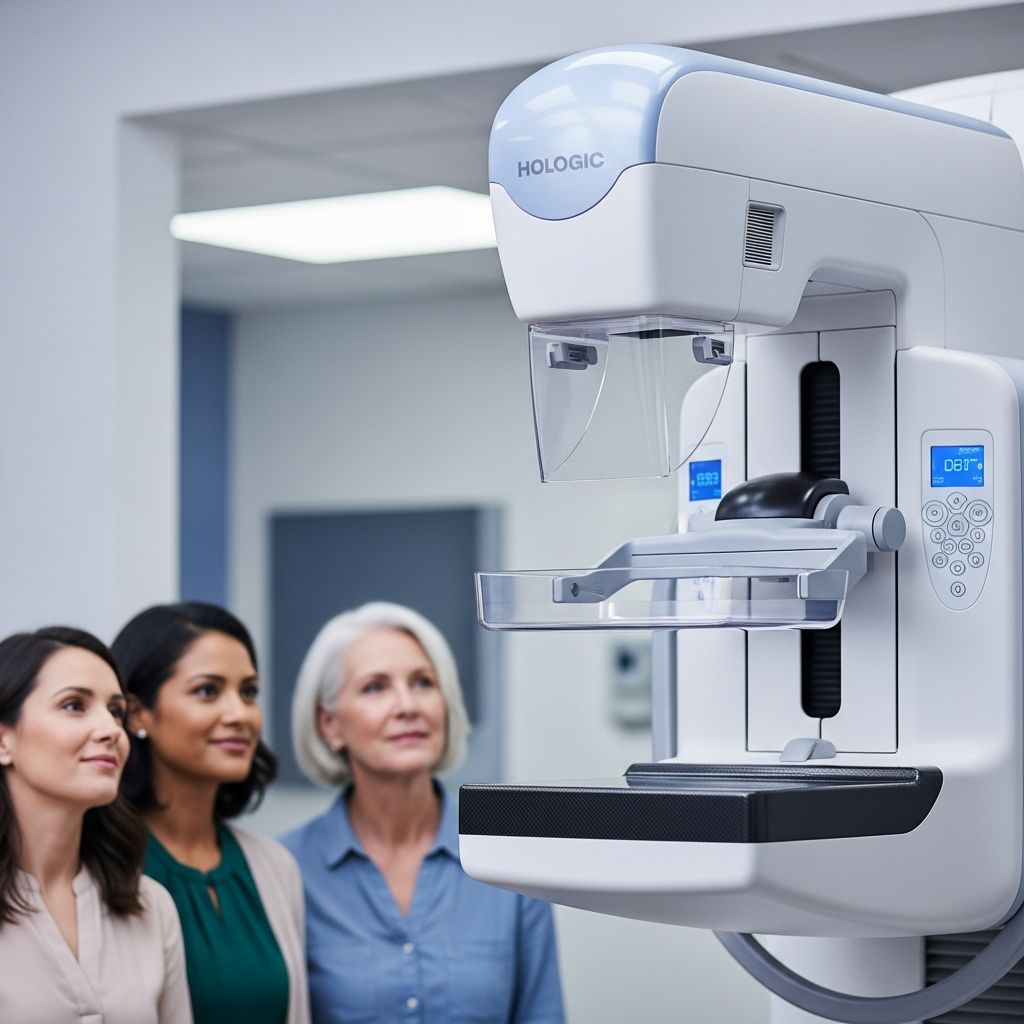
Breast cancer remains one of the most common cancers affecting women worldwide, but early detection through regular screening can significantly improve treatment outcomes and survival rates. Understanding the appropriate age to begin mammogram screening is a critical first step in taking control of your breast health. Mammograms are specialized X-ray imaging tests designed to detect tumors and abnormalities in breast tissue, often before symptoms appear or lumps can be felt during physical examination. The guidelines for when women should begin screening have evolved based on extensive research and clinical evidence, with recommendations varying depending on individual risk factors and personal medical history.
General Screening Recommendations for Average-Risk Women
For women at average risk of developing breast cancer, healthcare organizations recommend beginning regular mammogram screening at age 40. Women aged 40 to 74 should receive annual mammograms as part of their routine preventive healthcare. This age range represents the period when breast cancer risk increases substantially, making regular screening an essential component of breast health maintenance. Starting at age 40 allows for early detection of potential abnormalities when they are most treatable and before they progress to advanced stages.
The emphasis on annual screening rather than screening every two years is based on evidence demonstrating that more frequent screening leads to earlier detection and better clinical outcomes. Regular annual mammograms create a baseline for comparison, allowing radiologists to identify new changes or abnormalities that may warrant further investigation. Women should work closely with their primary care physicians to establish a personalized screening plan based on their individual risk profile and medical history.
Enhanced Screening for High-Risk Women
Women with certain risk factors require more aggressive screening protocols to ensure early detection. Enhanced screening recommendations typically begin earlier and may include additional imaging modalities beyond standard mammography. Understanding who falls into the high-risk category is essential for determining the appropriate screening strategy.
Identifying High-Risk Factors
High-risk women include those with specific genetic mutations, significant family histories, or personal medical conditions that substantially increase breast cancer likelihood. The following characteristics typically classify a woman as high-risk:
- Carriers of BRCA1/2 or other hereditary cancer gene mutations
- First-degree relatives of individuals with known BRCA mutations
- Estimated lifetime breast cancer risk of 20 percent or greater based on validated risk assessment models
- History of radiation therapy to the chest between ages 10 and 30
- Personal history of previous breast cancer diagnosis
- Diagnosis of certain benign breast conditions such as atypical hyperplasia or lobular carcinoma in situ (LCIS)
- Dense breast tissue combined with additional risk factors
Enhanced Screening Protocol
Women identified as high-risk should follow a more comprehensive screening approach. Annual mammography should begin at age 30 or ten years before the age at which breast cancer was diagnosed in the youngest affected family member. In addition to annual mammography, high-risk women should receive annual breast MRI (magnetic resonance imaging) to provide enhanced visualization of breast tissue. Clinical breast examinations should be performed every 6 to 12 months by qualified healthcare professionals. Additionally, high-risk women should discuss risk-reduction strategies with their healthcare providers, which may include medication options or preventive surgical procedures.
The Role of Breast Density in Screening Decisions
Related Stories



Breast density is an important factor that influences both cancer risk and the effectiveness of mammographic screening. Understanding breast density and its implications is crucial for developing an appropriate screening strategy tailored to individual needs.
What Is Breast Density?
Breast density refers to the proportion of fibroglandular tissue compared to fatty tissue within the breast. On mammographic images, dense breast tissue appears white, similar to the appearance of potential cancers. This similarity can make it challenging for radiologists to detect abnormalities within dense breast tissue. Additionally, having dense breast tissue is recognized as an independent risk factor for developing breast cancer, meaning women with dense breasts have a higher likelihood of developing breast cancer compared to women with predominantly fatty breast tissue.
Breast Density Classification
Radiologists classify breast density into four standardized categories:
- Almost entirely fatty: Breasts are composed primarily of fat with minimal fibroglandular tissue
- Scattered fibroglandular densities: Small areas of fibroglandular tissue mixed predominantly with fatty tissue
- Heterogeneously dense: Substantial areas of fibroglandular tissue throughout the breast
- Extremely dense: Breasts are composed almost entirely of fibroglandular tissue with minimal fatty tissue
Screening Strategy for Dense Breasts
Women with dense breast tissue should be notified of their density status after mammography. This information does not indicate the presence of cancer but rather suggests that additional screening measures may improve cancer detection. Women with dense breasts should continue with annual mammography. Depending on other individual risk factors, supplemental screening with breast ultrasound or MRI may be recommended to provide clearer visualization of breast tissue and ensure comprehensive evaluation. The combination of mammography with supplemental imaging provides enhanced sensitivity for detecting abnormalities in women with dense breast tissue.
Understanding Breast Cancer Risk Factors
Breast cancer risk is influenced by multiple factors, some of which cannot be modified while others can be influenced through lifestyle choices and medical interventions. A comprehensive understanding of these risk factors helps inform individual screening decisions and preventive strategies.
Non-Modifiable Risk Factors
Certain breast cancer risk factors are inherent to an individual and cannot be changed through lifestyle modifications:
- Gender: Women account for approximately 99 percent of breast cancers
- Age: Breast cancer risk increases substantially with advancing age
- Inherited genetic mutations: BRCA1/2 and other hereditary cancer-related mutations significantly increase risk
- Family history: Having relatives with breast or ovarian cancer increases personal risk
- Personal history: Women who have been diagnosed with breast cancer face increased risk of recurrence or new primary cancers
- Breast density: Dense breast tissue is an independent risk factor for breast cancer
- Prior chest radiation: Radiation exposure during medical treatment increases future breast cancer risk
Modifiable Risk Factors
Several risk factors can be influenced through lifestyle changes and medical decisions:
- Weight management: Obesity, particularly after menopause, increases breast cancer risk
- Physical activity: Regular exercise reduces breast cancer risk
- Alcohol consumption: Limiting alcohol intake decreases risk
- Reproductive history: Never having children or having first child after age 30 increases risk; breastfeeding reduces risk
- Hormone replacement therapy: Long-term use of HRT increases breast cancer risk and should be discussed with healthcare providers
Genetic Counseling and Testing
For individuals with personal or family history suggesting hereditary breast cancer, genetic counseling and testing can provide valuable information to guide medical management and screening decisions. Genetic counseling helps identify individuals who carry inherited mutations associated with increased cancer risk.
When to Consider Genetic Counseling
Genetic counseling should be considered for individuals meeting specific criteria:
- Diagnosis of breast cancer before age 50
- Triple-negative breast cancer diagnosis before age 60
- Cancer diagnosis in both breasts
- Men with breast cancer diagnosis
- Women with both breast and ovarian cancer diagnosis
- Any individual with significant family history of breast, ovarian, pancreatic, or prostate cancer
- Families with known hereditary cancer gene mutations
The Genetic Testing Process
Genetic testing begins with a comprehensive counseling session during which healthcare providers review personal and family medical history in detail. The testing process itself is simple and non-invasive, requiring only a blood or saliva sample for laboratory analysis. Testing typically evaluates BRCA1/2 genes and other cancer-related genes. Once results become available, genetic counselors explain the implications of findings and help develop a personalized management plan. Counselors also provide guidance regarding whether family members should consider genetic testing.
Managing Positive Genetic Test Results
When genetic testing reveals a mutation, healthcare providers create a comprehensive, personalized risk management plan. This plan typically includes enhanced screening protocols starting at age 25 to 30 with both annual mammography and annual breast MRI. Risk-reduction medications such as tamoxifen or raloxifene may be discussed as options to reduce cancer risk. Some individuals may consider preventive surgical options, including risk-reducing mastectomy or oophorectomy. Surveillance for other cancers associated with specific mutations ensures comprehensive health protection tailored to individual genetic risk.
The Importance of Early Detection
Early detection of breast cancer through regular mammographic screening significantly improves treatment outcomes and survival rates. Women whose breast cancer is detected early, when tumors are small and have not spread to lymph nodes or distant sites, have approximately a 99 percent five-year survival rate. This dramatic survival advantage reflects the importance of identifying cancer at its earliest, most treatable stages.
The five-year survival rate milestone is significant because after this period, the risk of cancer recurrence decreases substantially. Beyond improved survival statistics, early detection enhances quality of life by allowing for less aggressive treatments, preservation of breast tissue when possible, and avoidance of complications associated with advanced-stage disease. Staying current with recommended mammography screening is one of the most effective proactive health measures women can take.
Breast Self-Awareness and Clinical Breast Exams
While mammographic screening remains the gold standard for breast cancer detection, breast self-awareness and clinical breast examinations complement screening efforts. Women should develop familiarity with how their breasts normally look and feel, allowing them to quickly identify any unusual changes. Any changes noticed between scheduled screening appointments should be reported promptly to healthcare providers for evaluation.
Clinical breast examinations performed by qualified healthcare professionals can identify physical abnormalities that may warrant further investigation. High-risk women should have clinical breast examinations every 6 to 12 months. These examinations, combined with regular mammography and self-awareness, create a comprehensive approach to breast cancer detection and prevention.
Frequently Asked Questions About Mammogram Guidelines
Q: At what age should I begin mammogram screening?
A: Women at average risk should begin annual mammograms at age 40. High-risk women may need to begin earlier, sometimes as early as age 25 to 30. Discuss your individual risk factors with your healthcare provider to determine the appropriate age to begin screening.
Q: How often should I have a mammogram?
A: Average-risk women aged 40 to 74 should receive annual mammograms. High-risk women also typically require annual mammography, often in addition to other imaging modalities such as MRI.
Q: What does dense breast tissue mean for my screening?
A: Dense breast tissue makes mammography less sensitive for detecting cancers and is itself an independent risk factor. If you have dense breasts, continue annual mammography and discuss whether supplemental ultrasound or MRI screening would be beneficial based on your other risk factors.
Q: Should I undergo genetic testing?
A: Genetic testing should be considered if you have personal or family history suggesting hereditary cancer risk. Discuss your medical and family history with your healthcare provider or a genetic counselor to determine whether testing is appropriate.
Q: What should I do if abnormalities are found on my mammogram?
A: If abnormalities are detected, your healthcare provider will recommend appropriate follow-up imaging or biopsy to establish an accurate diagnosis. Advanced diagnostic imaging and molecular analysis help determine whether further treatment is necessary.
Q: Can I reduce my breast cancer risk?
A: Yes, you can reduce risk through modifiable lifestyle factors including maintaining healthy weight, exercising regularly, limiting alcohol consumption, having children and breastfeeding if possible, and discussing hormone replacement therapy risks with your healthcare provider. High-risk women should discuss risk-reduction medications or surgical options with their providers.
References
- Johns Hopkins Aramco Healthcare – Prevention & Screening — Johns Hopkins Medicine. 2025. https://www.jhah.com/en/centers-of-excellence/oncology-center-of-excellence/breast-cancer-program/prevention-screening/
- Breast Cancer Screening Guidelines — American College of Osteopathic Family Physicians (ACOFP). 2025. https://www.acofp.org/news-and-publications/journal/article-detail/vol-17-no-4-fall-2025/breast-cancer-screening-guidelines
- Breast Cancer Screening — Johns Hopkins Advantage MD. 2025. https://www.hopkinsmedicare.com/members/preventative-health-guide/breast-cancer-screening/
- FDA Statement on Mammography — U.S. Food and Drug Administration. 2024. https://www.fda.gov/medical-devices/mammography-quality-standards-act-mqsa
- Johns Hopkins Aramco Healthcare – Breast Cancer Screening — Johns Hopkins Medicine. 2025. https://www.jhah.com/en/health-wellbeing/screening-programs/breast-cancer-screening/
Similar Articles








Read full bio of medha deb