Ruptured Ovarian Cyst: Diagnosis, Treatment, Recovery Guide
Comprehensive guide to managing ruptured ovarian cysts: symptoms, diagnosis, and treatment options.
Management of Ruptured Ovarian Cyst
A ruptured ovarian cyst is a common gynecological occurrence that affects many women during their reproductive years. While the majority of ruptured ovarian cysts resolve without complications, understanding the management options available can help you make informed decisions about your health and recovery. This comprehensive guide explores the diagnosis, treatment approaches, and recovery process for managing a ruptured ovarian cyst effectively.
Understanding Ovarian Cysts and Rupture
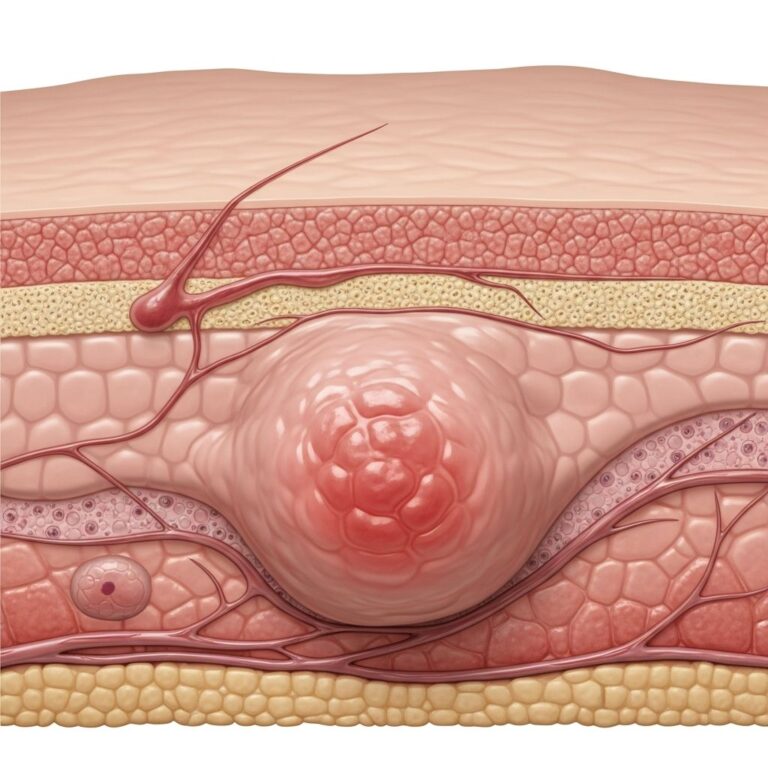
Ovarian cysts are fluid-filled sacs that develop within or on the ovaries, typically during the menstrual cycle. Most cysts are benign and asymptomatic, often resolving on their own without medical intervention. However, when a cyst ruptures, it releases its contents into the abdominal cavity, which can trigger symptoms ranging from mild discomfort to severe pain.
The rupture typically occurs around the time of ovulation or during physical activity that places stress on the cyst. Women with conditions such as polycystic ovary syndrome (PCOS), endometriosis, or those who are pregnant face an elevated risk of experiencing a ruptured cyst. Additionally, cysts larger than 5 centimeters carry a higher likelihood of rupturing and potentially causing complications such as ovarian torsion, where the ovary twists and cuts off its blood supply.
Recognizing Symptoms of a Ruptured Ovarian Cyst
The symptoms experienced after an ovarian cyst ruptures can vary significantly from person to person, depending on the size of the cyst and the amount of fluid released into the abdominal cavity.
Common Symptoms Include:
- Sudden, sharp pelvic or lower abdominal pain on one side
- Vaginal spotting or light bleeding
- Mild to moderate abdominal discomfort
- Nausea or vomiting
- Shoulder pain (if bleeding irritates the diaphragm)
- Mild fever
Severe Symptoms Requiring Emergency Care:
- Severe, unbearable pelvic pain
- Heavy vaginal bleeding
- Signs of shock such as dizziness, weakness, or fainting
- Fever above 101°F (38.3°C)
- Persistent vomiting
- Rapid heartbeat
It is important to note that most ruptured ovarian cysts are not medical emergencies. However, if you experience severe symptoms, particularly those suggesting internal bleeding or infection, seek immediate medical attention at an emergency department.
Diagnostic Approach for Ruptured Ovarian Cysts
Accurate diagnosis is essential for determining the appropriate management strategy for a ruptured ovarian cyst. Your healthcare provider will use several diagnostic methods to confirm the rupture and assess its severity.
Medical History and Physical Examination
The diagnostic process begins with a detailed conversation about your symptoms. Your doctor will ask when the pain started, its location, severity, and whether it has been improving or worsening. A thorough pelvic examination helps identify tenderness and assess the extent of discomfort.
Pelvic Ultrasound
Transvaginal ultrasound is the primary imaging tool for diagnosing a ruptured ovarian cyst. This procedure allows your healthcare provider to visualize the ovaries clearly and determine whether a cyst has ruptured, assess the amount of fluid in the pelvis, and rule out other serious conditions. The procedure is minimally invasive and provides real-time imaging to guide clinical decision-making.
Related Stories



Additional Diagnostic Tests
Depending on your symptoms and clinical presentation, your doctor may order:
- Blood Tests: These measure hemoglobin levels to detect significant blood loss and assess for signs of infection through white blood cell counts
- CT Scan: A computed tomography scan may be used when ultrasound results are inconclusive or when internal bleeding is suspected, providing detailed cross-sectional images of the abdomen and pelvis
- Pregnancy Test: A beta-hCG test may be performed to rule out ectopic pregnancy or pregnancy-related complications
Management and Treatment Options
The management strategy for a ruptured ovarian cyst depends on the severity of symptoms, the amount of internal bleeding, and your overall health status. Most ruptured cysts can be managed conservatively with home-based approaches.
Conservative Home Management
For uncomplicated ruptured ovarian cysts with mild to moderate symptoms, home management is typically sufficient and effective:
- Rest: Allow your body adequate time to recover by avoiding strenuous activities, intense exercise, and heavy lifting
- Over-the-Counter Pain Medication: Nonsteroidal anti-inflammatory drugs such as ibuprofen or naproxen can effectively manage pain and reduce inflammation. Always follow package directions and consult your doctor before starting any new medication
- Heat Therapy: Apply a heating pad or hot water bottle to the lower abdomen for 15-20 minute intervals to relax muscles and alleviate discomfort
- Hydration: Drink plenty of water and fluids to support your body’s healing process
- Symptom Monitoring: Keep track of your symptoms daily, noting any changes in pain level, bleeding, or other concerning signs
- Gentle Activities: Engage in light yoga stretches or gentle abdominal massage as tolerated
Medical Management for Moderate to Severe Cases
When symptoms are more severe or complications are suspected, hospitalization and medical intervention may be necessary:
- Intravenous Fluids: IV fluids help maintain hydration and support blood pressure stability, particularly important if significant bleeding has occurred
- Prescription Pain Medication: Stronger analgesics may be administered to manage severe pain that does not respond to over-the-counter medications
- Blood Transfusion: In cases of significant internal bleeding causing hemodynamic instability, blood transfusions may be necessary to restore adequate oxygen-carrying capacity
- Antibiotic Therapy: If infection is suspected or confirmed, broad-spectrum antibiotics are initiated to prevent sepsis
- Observation and Monitoring: Continuous monitoring of vital signs, pain levels, and bleeding patterns helps guide further treatment decisions
Surgical Management
Surgical intervention is reserved for cases with significant complications or when conservative management proves ineffective. Your healthcare provider will discuss the risks and benefits of surgery with you before proceeding.
Laparoscopy
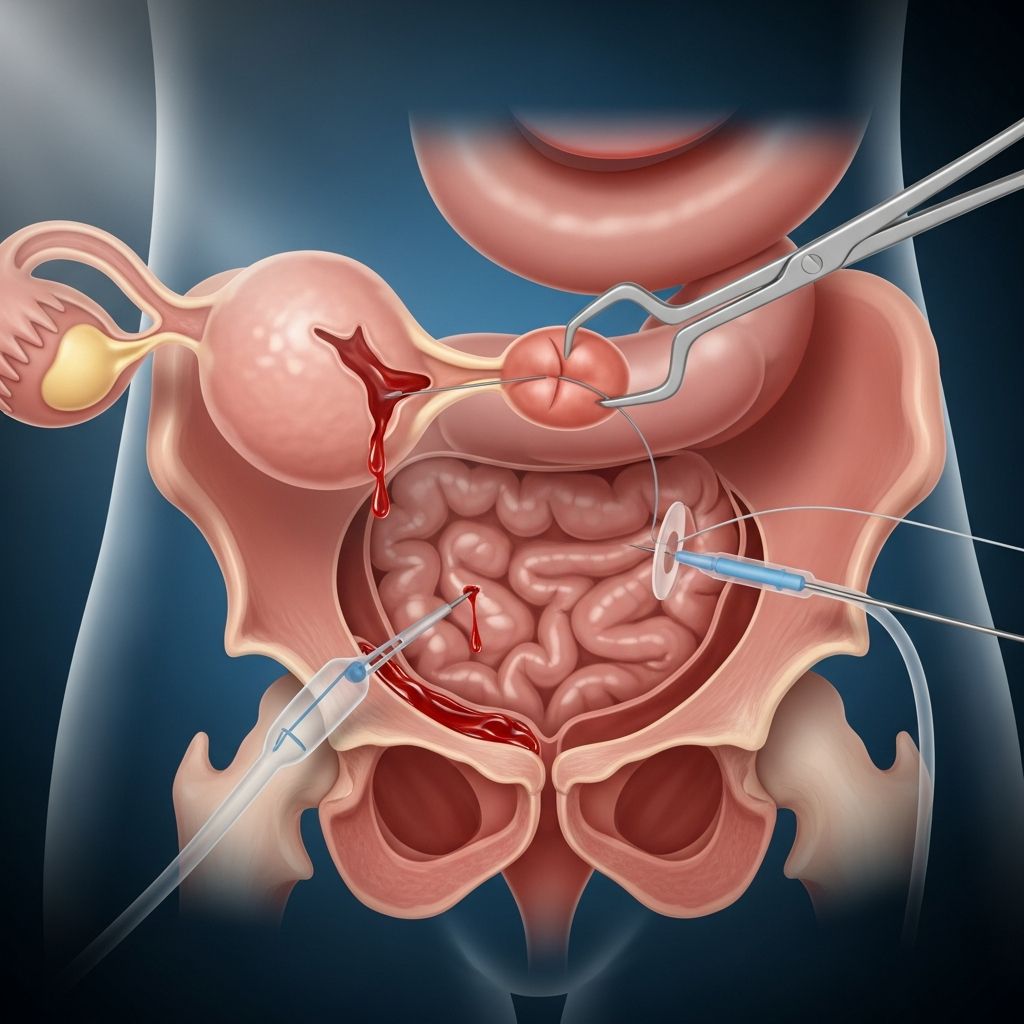
Laparoscopy is the preferred surgical approach for managing complicated ruptured ovarian cysts. This minimally invasive procedure involves making small incisions through which a camera and specialized instruments are inserted. The surgeon can visualize the internal organs, remove the cyst, control bleeding, and address any complications such as ovarian torsion. Laparoscopy typically results in faster recovery and less postoperative pain compared to open surgery.
Laparotomy
Open abdominal surgery (laparotomy) may be necessary in cases of extensive internal bleeding, large complex cysts, or when malignancy is suspected. This procedure allows the surgeon greater access to the abdominal cavity and can accommodate more extensive intervention if needed. While recovery is longer than with laparoscopy, this approach may be essential for optimal outcomes in complicated cases.
Preventive Measures with Oral Contraceptives
For women who experience recurrent ovarian cysts, oral contraceptive pills may be prescribed to prevent future cyst formation by suppressing ovulation. This preventive approach can reduce the frequency of cyst development and associated symptoms in susceptible individuals.
Recovery Timeline and Expectations
Understanding what to expect during recovery helps you plan appropriately and recognize when additional medical attention is needed.
| Recovery Phase | Timeline | What to Expect |
|---|---|---|
| Immediate Phase | First 24-48 hours | Peak discomfort, possible nausea, mild spotting may continue |
| Early Recovery | 2-5 days | Gradual pain improvement, reduced spotting, resumption of normal activities |
| Complete Recovery | 1-2 weeks | Return to normal activities, resolution of symptoms, follow-up ultrasound often scheduled |
| Post-Surgical Recovery | 2-6 weeks | Gradual return to activities as cleared by surgeon, wound care if applicable |
Pain typically improves within 2-5 days as your body reabsorbs the fluid or blood released during the rupture. However, individual recovery timelines vary based on the severity of the rupture and your overall health status. A follow-up pelvic ultrasound is often scheduled 2-3 months after the initial event to confirm that the cyst has resolved completely and to rule out any abnormalities.
When to Seek Medical Attention
While most ruptured ovarian cysts resolve without complications, certain warning signs indicate the need for prompt medical evaluation:
- Severe pelvic or abdominal pain that interferes with daily activities
- Heavy vaginal bleeding or continuous spotting beyond a few days
- Signs of infection such as fever, chills, or foul-smelling discharge
- Symptoms that worsen rather than improve after 2-3 days
- Persistent nausea or vomiting preventing adequate nutrition and hydration
- Signs of internal bleeding such as dizziness, rapid heartbeat, or fainting
- Shoulder pain radiating from abdominal pain, suggesting diaphragmatic irritation
Frequently Asked Questions
Q: Is a ruptured ovarian cyst always a medical emergency?
A: No. Most ruptured ovarian cysts are not medical emergencies and can be managed at home with rest and over-the-counter pain medication. However, severe symptoms such as intense pain, heavy bleeding, or signs of shock require immediate emergency care.
Q: How long does pain from a ruptured ovarian cyst typically last?
A: Pain usually improves significantly within 2-5 days. The timeline depends on the cyst size, amount of fluid released, and individual pain tolerance. Most people return to normal activities within 1-2 weeks.
Q: Can I prevent ovarian cysts from rupturing?
A: While you cannot completely prevent cyst formation, you can reduce rupture risk by avoiding strenuous exercise during ovulation, maintaining a healthy body weight, and managing conditions like PCOS. Oral contraceptives can prevent cyst formation in women prone to recurrent cysts.
Q: Will I need surgery after a ruptured ovarian cyst?
A: Most ruptured ovarian cysts do not require surgery. Surgery is considered only when severe complications occur, such as significant internal bleeding, ovarian torsion, or signs of infection that do not respond to medical management.
Q: What should I avoid during recovery from a ruptured ovarian cyst?
A: Avoid strenuous exercise, heavy lifting, and sexual intercourse until your healthcare provider clears you for these activities. Stick to light activities and adequate rest to promote healing.
Q: Can a ruptured ovarian cyst affect my fertility?
A: Most ruptured ovarian cysts do not affect fertility. However, if surgery was necessary and involved ovarian tissue removal, or if complications such as scarring occurred, fertility may be impacted. Discuss fertility concerns with your healthcare provider.
Q: How is a ruptured ovarian cyst different from ovarian torsion?
A: A ruptured cyst releases fluid into the abdominal cavity, while ovarian torsion occurs when the ovary twists on its ligament, cutting off blood supply. Torsion is more serious and typically requires emergency surgery, whereas most ruptured cysts resolve conservatively.
Conclusion
Managing a ruptured ovarian cyst effectively requires understanding your symptoms, working closely with your healthcare provider, and following appropriate treatment recommendations. While most ruptured cysts resolve without complications through conservative home management, being aware of warning signs ensures you seek timely medical attention when needed. Your recovery timeline typically spans 1-2 weeks for uncomplicated cases, with gradual improvement in symptoms allowing you to return to normal activities. By maintaining open communication with your healthcare team and following post-rupture guidance, you can navigate this common gynecological event confidently and support your body’s natural healing process.
References
- What to Expect After an Ovarian Cyst Ruptures — Healthline. December 21, 2022. https://www.healthline.com/health/what-to-expect-after-an-ovarian-cyst-ruptures
- Ruptured Ovarian Cysts: Causes, Symptoms, Risk & Treatment — WebMD. https://www.webmd.com/women/what-to-know-about-ruptured-ovarian-cysts
- Ruptured Ovarian Cyst Symptoms to Expect — The Woman’s Clinic. https://www.arobgyn.com/ruptured-ovarian-cyst-symptoms-to-expect/
Similar Articles








Read full bio of medha deb