Winter Asthma: Expert Guide To Protect Your Airways
Essential strategies to control asthma symptoms and prevent attacks when temperatures drop.
Winter Asthma: Understanding the Seasonal Challenge
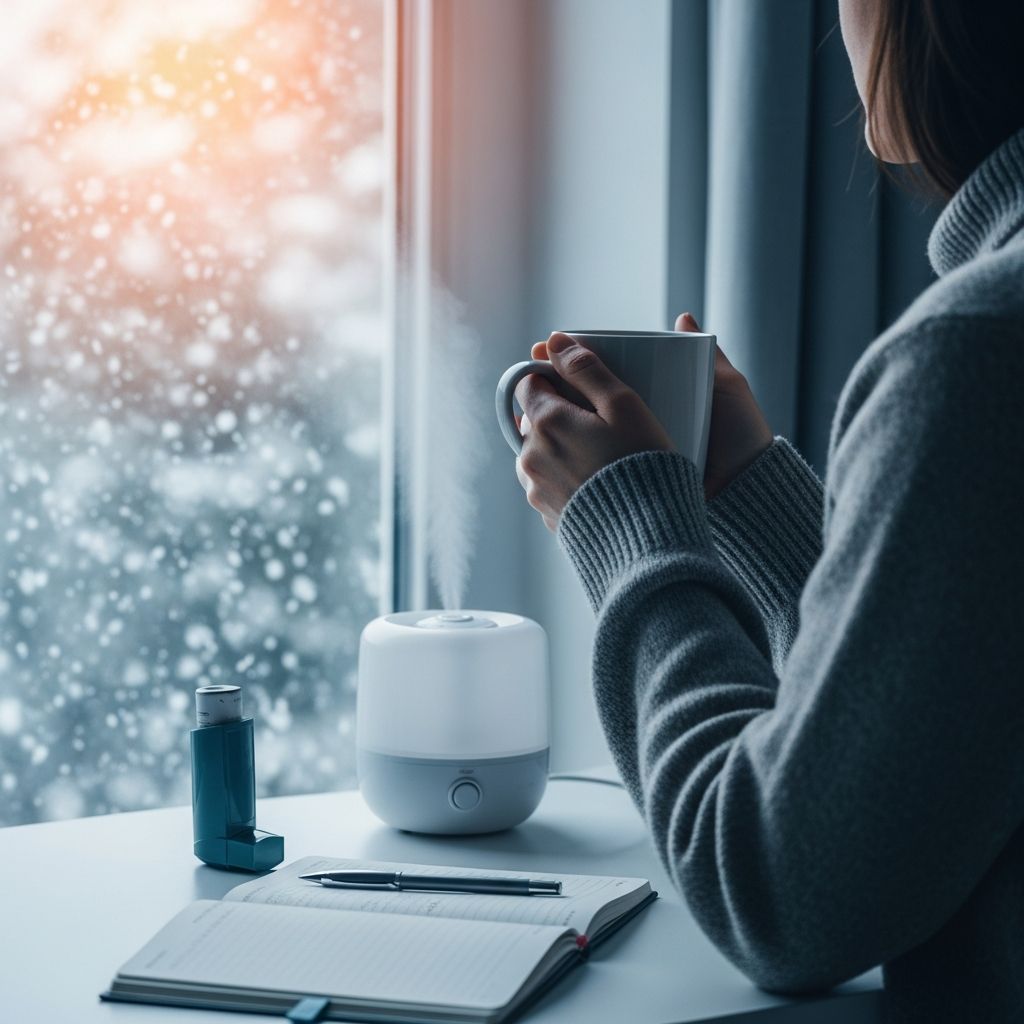
As winter approaches and temperatures drop, many people with asthma experience a worsening of their symptoms. The seasonal pattern of asthma is remarkably common, with hospital admissions for asthma increasing noticeably during the winter months. December and January are particularly challenging, representing the deadliest months for individuals with asthma. Even if your symptoms aren’t typically severe, the seasonal change can significantly affect your quality of life and overall respiratory function.
Winter asthma presents a unique challenge because you’re simultaneously managing irritated airways alongside common seasonal illnesses and reduced daylight. Understanding why your asthma worsens during this period is the first step toward effective management and prevention.
Why Does Asthma Get Worse in Winter?
Cold air is fundamentally problematic for people with asthma. The mechanisms behind winter asthma are multifaceted and involve both immediate physiological responses and environmental factors.
According to medical experts, asthma is an inflammatory condition made worse by triggers that create airway oversensitivity. When you transition from a warm indoor environment to cold outside air, your airways respond defensively. The smaller airways tighten as they attempt to prevent cold air from penetrating deep into the lungs. However, in people with asthma, this protective tightening can become excessive, potentially triggering a full asthma attack.
Cold, dry winter air creates additional problems for respiratory health. The protective fluid layer that normally lines the airways evaporates rapidly when you breathe in dry air, leading to further irritation and swelling. This process is particularly problematic for people with asthma because their airways are already inflamed and oversensitive.
Winter air also causes your body to produce more mucus than usual, and this mucus is thicker and stickier than normal. For people without asthma, this adaptation is manageable, but those with asthma—who already experience inflamed airways and mucus overproduction—face significantly greater breathing difficulties.
Research has identified another concerning trend: cold winters with below-normal average temperatures increase the risk of developing new asthma during the following one to two years. This means winter weather poses risks not only to existing asthma sufferers but also to those who may develop the condition.
Protecting Your Airways from Cold Air
One of the most effective and accessible strategies for managing winter asthma is protecting your airways from cold air exposure. This simple approach can significantly reduce symptom severity and attack frequency.
Use a scarf effectively: Wrapping a lightweight scarf around your mouth and nose when outside is a proven protective measure. The scarf warms the cold air before it enters your lungs, reducing the shock to your sensitive airways. Make sure the scarf is loosely wrapped to allow comfortable breathing while still providing thermal protection.
Practice nasal breathing: Your nose is naturally designed to warm and humidify incoming air. When outdoors in cold weather, consciously breathe through your nose and exhale through your mouth. Cold air naturally warms as it travels from your nose through your throat before reaching your airways, providing a buffer against extreme temperatures. Avoid mouth breathing during winter, as it allows cold air to rush directly into your lungs, which can be particularly dangerous with dry, cold air and may trigger asthma attacks.
Related Stories



Limit outdoor exposure: If possible, stay indoors during the coldest parts of winter. Staying inside means breathing warmer air, which helps open airways naturally. However, ensure your indoor environment is free from allergens and irritants that could trigger asthma symptoms.
Exercise and Physical Activity in Winter
Regular exercise is crucial for maintaining lung capacity and overall respiratory function, even during winter. However, the way you approach exercise needs adjustment when temperatures drop.
Move workouts indoors: While exercise is very important for people with asthma because it strengthens their lung capacity and helps them breathe easier over time, cold weather requires strategy modification. On the coldest and windiest days, move your regular exercise routine indoors. This doesn’t mean sacrificing fitness—there are many effective alternatives to outdoor activities.
Indoor exercise options include:
- Upbeat exercise videos or online fitness classes
- Sessions with free weights or resistance training
- Guided yoga practice or Pilates
- Indoor swimming or water aerobics
- Treadmill or stationary bike workouts
- Dancing or aerobic routines in your home
Remember that staying fit is important for your overall lung function, so don’t let cold weather become an excuse to reduce physical activity. The key is adapting your exercise location rather than eliminating exercise entirely.
Managing Your Home Environment
Your indoor environment during winter significantly impacts asthma symptom severity. Several environmental factors require attention and management.
Mold prevention and control: Winter weather often creates conditions conducive to mold growth through condensation and moisture accumulation. If you have mold at home, address the underlying cause—whether leaks or condensation issues. Opening doors and windows strategically and using extractor fans can make substantial differences in reducing moisture. Dehumidifiers can help manage humidity levels, but use them strategically. The ideal humidity range is between 30 and 45%—high enough to make breathing easier but low enough to prevent asthma-triggering mold and mildew growth.
Important note on dehumidifiers: Using dehumidifiers too frequently can actually dry the air, making asthma symptoms worse. Time their use carefully to coincide with periods of high condensation likelihood.
Indoor air quality improvements: Install HEPA filters in your ventilation systems and consider purchasing an air purifier or air cleaner to help remove pet dander and other allergens from your indoor air. Regularly inspect your home for signs of mold and remove it quickly. Install dust mite-proof pillows and mattress covers in your bedding to reduce exposure to this common allergen.
Outdoor area maintenance: If you spend time in your garden, clear leaves on a regular basis, as they are a hotspot for mold spores.
Managing Winter Illnesses and Infections
Winter brings increased prevalence of respiratory infections that can significantly worsen asthma. People are more likely to develop the flu, sinus infections, and upper respiratory infections during winter, all of which can trigger asthma flare-ups. People with asthma are more likely to experience serious complications from the flu, COVID-19, and other viruses.
Preventive measures include:
- Washing your hands frequently and keeping them away from your eyes and nose to prevent germ transmission
- Getting your flu shot and other recommended vaccines to protect against winter illnesses
- Receiving COVID-19 boosters if eligible
- Wearing a mask in crowded settings to reduce exposure to contagious individuals
- Limiting your family’s exposure to people who might transmit harmful germs
- Staying hydrated by drinking extra fluids, which helps thin out the mucus lining in your airways
While you may not be able to avoid every bug circulating during winter, these precautions significantly reduce your risk of infection-triggered asthma attacks.
Medication Management and Your Asthma Action Plan
Effective winter asthma management depends heavily on proper medication use and having a comprehensive action plan in place.
Prevention versus relief: Asthma management has increasingly shifted toward prevention rather than relief. Your prevention inhaler—if prescribed—becomes your secret weapon during winter months. This medication makes your airways less sensitive and lowers the likelihood of an asthma attack occurring. Use your prevention inhaler as directed, even when you feel well.
Quick-relief inhalers: Always have your quick-relief inhaler, such as albuterol, available to use at the first sign of symptoms. Using a short-acting albuterol inhaler at the first sign of symptoms helps keep asthma from worsening. When you experience wheezing and shortness of breath, your rescue inhaler provides rapid relief.
Creating your action plan: Whatever the time of year, if you’ve noticed your asthma getting worse, you should have an asthma review with your healthcare provider. Document what’s happening around you when symptoms occur—note the temperature, indoor conditions, activities, and any illnesses you’ve encountered. This information helps your doctor identify your personal triggers and develop an effective management strategy.
When to seek medical attention: If you need your reliever inhaler more than a few times a month, schedule a doctor’s appointment for an asthma review. Your doctor may prescribe an emergency oral steroid and antibiotic pack to keep at home if you’re prone to chest infections. Seek immediate medical help if your inhalers aren’t working and you continue experiencing shortness of breath or wheezing.
Pharmacy support: Don’t underestimate your pharmacist’s role in managing asthma. You can discuss repeat prescriptions, inhaler technique, and general management strategies with them.
Hydration and Respiratory Health
Proper hydration plays an often-overlooked role in winter asthma management. Staying hydrated helps thin out the mucus lining in your airways, making breathing easier. During winter when heating systems dry indoor air, maintaining adequate fluid intake becomes even more critical. Drink water consistently throughout the day and consider warm beverages like tea or warm water with honey, which can be comforting and hydrating simultaneously.
Frequently Asked Questions
Q: Is cold air good for asthma?
No, cold air is bad for most people with asthma. Cold air tends to irritate the bronchial tubes and trigger asthma symptoms. If you have asthma, it’s best to stay indoors as much as possible during cold winter weather while ensuring your indoor environment is free from allergens and irritants.
Q: What should I do if I experience asthma symptoms frequently in cold weather?
If you experience symptoms frequently in cold weather, talk with your doctor about a long-term treatment plan. Your doctor may adjust your medications, prescribe a prevention inhaler, or develop a more comprehensive asthma action plan tailored to your winter needs.
Q: Can exercise worsen my asthma in winter?
Exercise itself is beneficial for asthma, but exercising outdoors in very cold weather can trigger symptoms. The solution is to move your workouts indoors on the coldest days while maintaining your regular exercise routine. This keeps your lungs strong without exposing them to asthma triggers.
Q: What humidity level is best for asthma?
Maintain humidity between 30 and 45%. This level is high enough to make breathing easier but low enough to prevent asthma-triggering mold and mildew growth. Avoid letting humidity drop too low or rise too high.
Q: How can I prevent respiratory infections from worsening my asthma?
Wash your hands frequently, get your flu shot and COVID-19 boosters, wear masks in crowded settings, and limit exposure to people with contagious illnesses. These measures significantly reduce your risk of infection-triggered asthma attacks.
Q: When should I seek emergency medical help for my asthma?
Seek medical help immediately if your inhalers aren’t working and you continue experiencing shortness of breath or wheezing. If you need your reliever inhaler more than a few times a month, schedule a routine appointment for an asthma review rather than waiting for an emergency.
Conclusion: Staying Healthy Through Winter
Winter presents specific challenges for people with asthma, but these challenges are manageable with proper planning and preventive strategies. By protecting your airways from cold air, moving exercise indoors, maintaining optimal home humidity, preventing infections, and working closely with your healthcare provider, you can keep your asthma under control even as temperatures plummet.
The key is taking a proactive approach rather than a reactive one. Use your prevention inhaler as prescribed, keep your quick-relief inhaler accessible, maintain excellent hand hygiene, stay current on vaccinations, and communicate regularly with your doctor about your symptoms and triggers. With the right asthma action plan in place, you have every chance of keeping symptoms at bay throughout the winter months and enjoying the season despite the cold weather.
References
- Cold Air and Asthma = Winter Asthma — Allergy & Asthma Network. https://allergyasthmanetwork.org/news/cold-air-asthma-in-winter/
- Managing Winter Asthma and Allergies — CAA Georgia. 2022-12. https://www.caageorgia.com/about-us/blog/2022/december/managing-winter-asthma-and-allergies
- Managing Asthma During Winter Weather — Texas Health Resources. 2024. https://www.texashealth.org/newsroom/News-Releases/2024/Managing-Asthma-During-Winter-Weather
- Asthma and Cold Weather: How to Cope — Atlanta Allergy & Asthma. https://www.atlantaallergy.com/articles/view/412-asthma-and-cold-weather-how-to-cope
- Why Is My Asthma Worse in the Winter? — American Lung Association. https://www.lung.org/blog/cold-weather-asthma
- How to handle asthma during the winter months — Patient.info. https://patient.info/features/chest-lungs/how-to-handle-asthma-during-the-winter-months
- Managing Your Child’s Asthma in the Winter — Children’s Health. https://www.childrens.com/health-wellness/managing-asthma-in-the-winter
Similar Articles








Read full bio of medha deb