Managing Body-Focused Repetitive Behaviours: Hair Pulling and Skin Picking
Understanding and managing BFRBs: Evidence-based strategies for hair pulling and skin picking disorders.
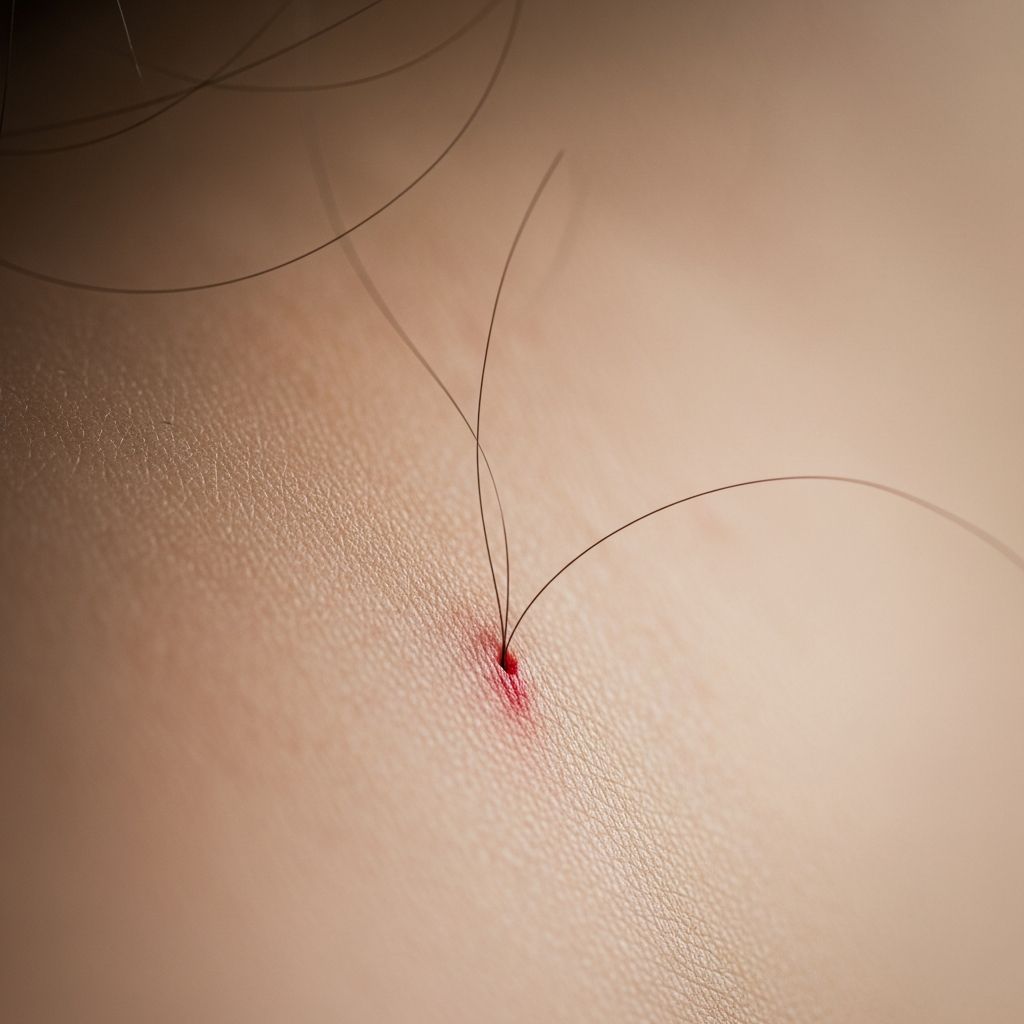
Understanding Body-Focused Repetitive Behaviours
Body-focused repetitive behaviours (BFRBs), such as pulling your hair out or picking your skin, are often dismissed as bad habits or signs of nervousness. However, these behaviours are recognised as legitimate neurobehavioural conditions that can cause significant physical damage and emotional distress. While many people occasionally pull at their hair or pick at their skin, for those with BFRBs, these actions become compulsive and difficult to control, often resulting in visible injury and considerable suffering.
BFRBs are more common than many people realise. According to research from the International OCD Foundation, as many as 1 in 20 people experience skin picking severe enough to warrant a diagnosis of excoriation disorder, whilst approximately 1 in 100 people shows signs of trichotillomania (hair pulling disorder). Despite their prevalence, these conditions frequently go undiagnosed or are minimised by healthcare providers and society at large.
Trichotillomania: Hair Pulling Disorder
Trichotillomania, commonly known as hair pulling disorder, is characterised by the repetitive pulling out of one’s own hair, leading to noticeable hair loss and often to significant functional impairment. This condition involves the irresistible urge to pull hair from any area of the body that has hair, though certain sites are more frequently affected than others.
Common Sites of Hair Pulling
- Scalp (most common site)
- Eyebrows and eyelashes
- Arms and underarms
- Legs
- Pubic region
- Other areas with body hair
Individuals with trichotillomania often pull from multiple sites simultaneously. Pulling episodes can last from just a few minutes to several hours, and many sufferers find themselves trapped in cycles where they repeatedly attempt to stop but cannot resist the urge to continue.
Physical Symptoms and Complications
The physical manifestations of trichotillomania can be severe and distressing. Most individuals with this disorder develop noticeable bald patches, with some experiencing complete baldness in affected areas. Many sufferers examine the pulled hair, manipulating it into particular shapes or sizes, or chewing and swallowing the hair—a behaviour known as trichophagia.
One of the most serious complications occurs when ingested hair forms a clump in the digestive tract called a trichobezoar. This can lead to constipation, abdominal pain, and in severe cases, serious gastrointestinal problems requiring medical intervention. According to the TLC Foundation for Body Focused Repetitive Behaviors, between 5 and 20 percent of trichotillomania sufferers also swallow the hair they pull, putting them at risk for these internal complications.
Excoriation Disorder: Skin Picking
Excoriation disorder, also referred to as skin picking disorder or dermatillomania, involves repeatedly seeking out and picking at skin irregularities. Unlike casual skin picking that most people do occasionally, excoriation disorder causes significant distress and results in noticeable physical damage to the skin.
Affected Areas and Consequences
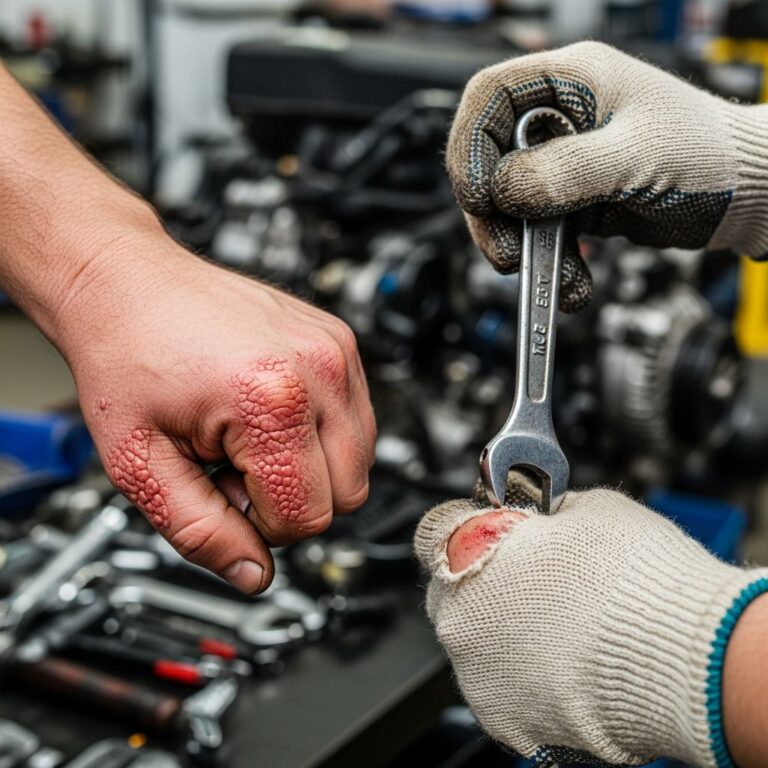
Skin picking most frequently targets the face, arms, and scalp, though any area of the body may be affected. Over time, the repetitive picking can cause bleeding, open wounds, infections, and permanent scarring. Some individuals pick with such intensity that they cause tissue damage down to deeper layers of skin, creating risk for serious infections. The visible marks and scars can lead to additional psychological distress and social withdrawal.
Related Stories



Those who engage in skin picking often experience significant anxiety about the appearance of their skin, which in turn triggers further picking episodes—creating a self-perpetuating cycle of damage and distress.
Triggers and Mechanisms Behind BFRBs
Understanding what drives hair pulling and skin picking is essential for effective treatment. These behaviours typically develop through a complex interaction of sensory cues, emotional regulation attempts, and habitual patterns.
Primary Triggers
- Sensory cues: The irresistible desire to remove a perceived imperfection, such as a rough patch of skin, a stray eyelash, or a hair with an unusual texture or feel
- Tension and anxiety: The act of pulling or picking serves as an attempt to regulate or distract from overwhelming or uncomfortable emotions
- Boredom or sedentary activities: Many individuals pick or pull when their hands are idle, such as whilst reading, watching television, driving, or studying
- Automatic behaviour: Hair pulling and skin picking can occur automatically without conscious awareness, particularly during states between wakefulness and sleep
The behaviour often follows a predictable cycle: the individual notices or seeks an imperfection, anxiety rises as their brain signals that the imperfection needs to be fixed, they pluck the hair or scratch the blemish and experience brief relief or satisfaction, and then the cycle repeats as they find another imperfection to address.
Diagnostic Criteria for BFRBs
Psychiatrists and psychologists identify BFRBs using specific diagnostic criteria that distinguish between normal grooming behaviours and clinical disorders requiring treatment.
Key Diagnostic Indicators
Physical harm: This might include visible bald spots, patchy hair loss, skin lesions, chronic scabs, or permanent scarring. The damage must be noticeable and verifiable.
Excessive time involved: The behaviour is considered clinically significant if the individual is spending an hour per day or more engaging in pulling or picking, avoiding social situations due to shame or self-consciousness, experiencing significant emotional distress about the behaviour or its consequences, or falling behind at work or school because of time spent on these activities.
Clinical diagnosis requires that the behaviour causes meaningful distress or functional impairment, not merely the existence of the behaviour itself.
Impact on Quality of Life
For those affected, BFRBs extend far beyond simple physical damage. The psychological and social impacts can be profound and far-reaching. Many individuals experience shame, embarrassment, and social anxiety related to visible hair loss or skin damage. This can lead to social withdrawal, difficulty maintaining relationships, and reduced participation in activities that might expose the affected areas.
The visibility of the damage often triggers increased distress, which in turn can exacerbate the pulling or picking behaviour. Some individuals go to great lengths to conceal their symptoms, wearing hats, scarves, heavy makeup, or clothing that covers affected areas. The constant preoccupation with concealment and the emotional toll of living with an often-hidden disorder can significantly impact mental health and overall wellbeing.
Treatment Approaches for BFRBs
The good news is that BFRBs are treatable conditions. Treatment that targets both the physical habit and the emotional aspects of the behaviour cycle can be highly effective. Most patients benefit from therapy, medication, or a combination of both approaches tailored to their individual needs.
Behavioral Therapy Approaches
Awareness training forms the foundation of effective treatment. The first step is teaching the individual to become acutely aware of the behaviour, bringing automatic actions back into conscious control. This includes:
- Identifying precursors: Recognising the specific environmental and emotional triggers, such as anxiety, stress, or moments when the hands become idle
- Identifying premonitory urges: Pinpointing the subtle physical sensations or muscle tension that occur just before the pulling or picking begins
- Habit reversal training: Learning alternative behaviours to replace the pulling or picking, such as clenching fists, sitting on hands, or engaging in competing activities
Comprehensive Behavioural (ComB) treatment is an evidence-based approach that addresses the complex and individual nature of BFRBs. This therapy is uniquely tailored to each patient’s specific triggers, habits, and lifestyle. The flexible nature of ComB treatment means that therapy may look quite different from one patient to another, with interventions carefully fitted to the individual’s circumstances and preferences.
For example, a student who picks at their skin whilst studying alone might modify their environment by wearing clothing that limits access to picking sites or by moving their studying to a library or dormitory lounge where the presence of others would naturally inhibit the behaviour.
Cognitive Behavioral Therapy (CBT)
Cognitive behavioural therapy addresses the thoughts, emotions, and beliefs underlying BFRBs. This approach helps individuals identify and challenge unhelpful thought patterns, manage anxiety and stress more effectively, and develop healthier coping mechanisms.
Pharmacological Treatment
Recent research has identified promising medication options for treating BFRBs. A study conducted at the University of Chicago Medicine found that memantine, a drug commonly used to treat symptoms of Alzheimer’s disease, effectively reduced symptoms in adults with both trichotillomania and skin-picking disorder. Treatment with memantine was associated with significant improvements compared to placebo, opening new possibilities for those who may not respond adequately to behavioural therapy alone.
Other medications may also be considered, including selective serotonin reuptake inhibitors (SSRIs), which are often effective in managing the anxiety and obsessive-compulsive features that frequently accompany BFRBs.
Seeking Professional Help
If you or someone you care about is struggling with hair pulling or skin picking, it is important to seek professional assessment and treatment. When meeting with a specialist, honesty is crucial. Be prepared to discuss:
- How much time you spend engaged in pulling or picking
- The visible damage you have noticed
- What you do before, during, and after episodes
- Your emotional state during these behaviours
- How the behaviour affects your daily life and relationships
Specialists will also screen for co-occurring disorders such as anxiety, depression, or obsessive-compulsive disorder, as well as potential complications including skin infections or digestive concerns if hair is being swallowed.
Self-Management Strategies
In addition to professional treatment, several self-management strategies can help reduce the frequency and severity of pulling or picking:
- Keep nails trimmed: Short nails make it more difficult to pick at skin effectively
- Wear gloves or protective coverings: Physical barriers can prevent access to vulnerable areas
- Identify and avoid triggers: Recognise situations or emotions that precipitate episodes and develop strategies to address them
- Develop competing behaviours: Engage in alternative activities when urges arise, such as squeezing a stress ball, playing with textured objects, or exercising
- Maintain good hygiene: Regular handwashing and skincare can reduce the temptation to pick and prevent infections
- Practise stress management: Techniques such as meditation, deep breathing, or yoga can help manage the anxiety that often accompanies these behaviours
Frequently Asked Questions
Q: Are hair pulling and skin picking the same as self-harm?
A: While BFRBs can cause physical damage similar to self-harm, they are distinct conditions. Hair pulling and skin picking are often focused on correcting a perceived problem with the hair or skin itself, rather than being primarily motivated by a desire to cause pain or injury. However, both require professional assessment and treatment.
Q: Can children develop BFRBs?
A: Yes, BFRBs can develop in children and adolescents. Parents should seek professional evaluation if they notice large bald spots on their child’s head, missing eyelashes, or signs of skin damage from picking. Early intervention is important to prevent the behaviour from becoming more entrenched.
Q: Is hair pulling always conscious?
A: No. Hair pulling can occur automatically without conscious awareness, particularly whilst watching television or in states between wakefulness and sleep. Some people pull hair in a focused manner, deliberately searching for specific hairs, whilst others pull automatically without realising they are doing so.
Q: How long does treatment typically take?
A: The duration of treatment varies depending on the severity of the condition and the individual’s response to therapy. Some individuals see improvement within weeks, whilst others may require several months of consistent treatment. A combination of therapy and medication often produces faster results than either approach alone.
Q: Can BFRBs recur after treatment?
A: Like many mental health conditions, BFRBs can sometimes recur, particularly during periods of stress or anxiety. However, individuals who have received proper treatment are often better equipped to recognise early warning signs and implement coping strategies to prevent full relapse.
References
- Hair-pulling and skin-picking disorders are treatable neurobehavioral conditions — UT Southwestern Medical Center. 2024. https://utswmed.org/medblog/hair-pulling-skin-picking/
- Trichotillomania and Skin-Picking Disorder: An Update — National Centre for Biotechnology Information, U.S. National Library of Medicine. 2022. https://pmc.ncbi.nlm.nih.gov/articles/PMC9063575/
- Comprehensive Behavioral (ComB) Treatment for Skin Picking and Hair Pulling Disorders — International OCD Foundation. https://iocdf.org/expert-opinions/comprehensive-behavioral-comb-treatment-for-skin-picking-and-hair-pulling-disorders/
- Hair pulling and skin picking: How to help your child stop repetitive behaviors — UC Davis Health. 2023. https://health.ucdavis.edu/news/headlines/hair-pulling-and-skin-picking-how-to-help-your-child-stop-repetitive-behaviors/
- New research points to drug option for hair-pulling, skin-picking disorders — University of Chicago Medicine. 2023. https://www.uchicagomedicine.org/forefront/research-and-discoveries-articles/2023/march/new-research-points-to-drug-option-for-hair-pulling-skin-picking-disorders
- What lies beneath hair-pulling and skin-picking behaviours? The role of early maladaptive schemas — National Elf Service. https://www.nationalelfservice.net/mental-health/body-focused-repetitive-behaviours/lies-beneath-hair-pulling-skin-picking-behaviours-role-early-maladaptive-schemas/
Similar Articles








Read full bio of medha deb