Body Odor Management: Practical Guide To Reduce Odor
Discover proven strategies to control body odor through hygiene, diet, and medical options for a fresher you every day.
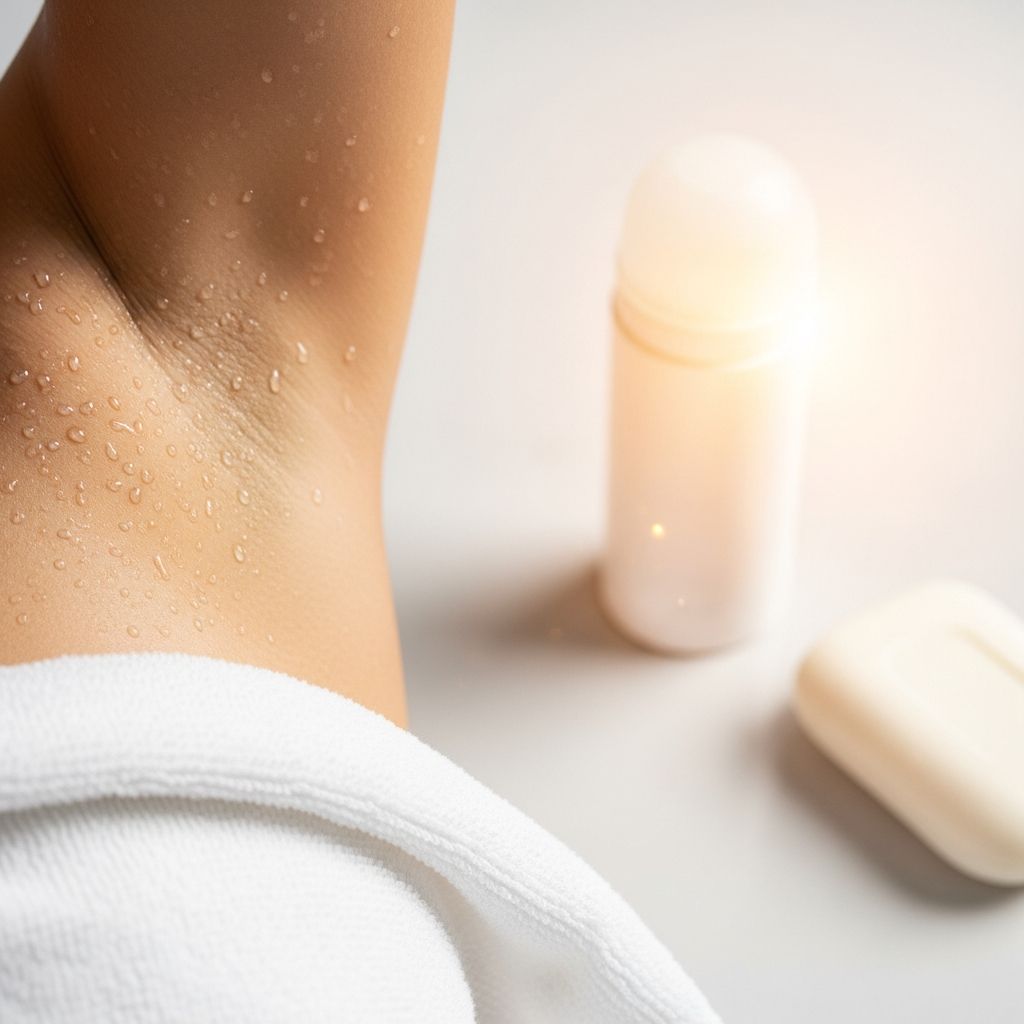
Body odor arises when skin bacteria break down sweat proteins, producing unpleasant smells primarily in areas like armpits, feet, and groin. Effective management combines daily hygiene, smart lifestyle choices, and targeted treatments to minimize bacterial activity and sweat accumulation.
The Science of Sweat and Smell
Human sweat from eccrine glands, found across the body, is initially odorless and aids in temperature regulation. Apocrine glands, concentrated in armpits and groin, release a thicker sweat during puberty that bacteria readily metabolize into odorous compounds. Factors like diet, hormones, stress, and medications influence this process, creating unique scents for each person.
Bacterial breakdown occurs in moist, warm environments, explaining why covered areas like feet or under clothing develop stronger odors. Contrary to popular belief, sweat itself lacks smell; it’s the microbial action that generates volatile compounds.
Daily Hygiene Practices for Odor Control
Consistent washing disrupts bacterial growth. Bathe daily with antibacterial soap, focusing on high-risk zones: armpits, groin, feet, genitals, pubic hair, belly button, anus, and behind ears. Dry thoroughly afterward, as moisture fosters bacteria.
- Wash armpits, groin, and feet twice daily if needed.
- Use gentle, non-perfumed, antibacterial soaps to prevent irritation-induced sweating.
- Shave or trim hair in armpits and groin to speed sweat evaporation and reduce bacterial habitats.
For feet, rotate shoes daily to allow drying and change socks frequently, opting for cotton or wool over synthetics.
Role of Deodorants and Antiperspirants
Antiperspirants with aluminum salts block sweat pores, reducing moisture for bacteria. Apply to dry skin at night for optimal effect, and daily for best results. Deodorants create an acidic skin environment hostile to odor-causing microbes and often include masking scents.
Many products combine both functions. For hyperhidrosis-related odor, nighttime antiperspirant application followed by morning deodorant maximizes control. Powders can absorb moisture in shoes or folds.
| Product Type | Primary Action | Best Use Areas | Tips |
|---|---|---|---|
| Antiperspirant | Reduces sweat | Armpits, palms | Apply at night on dry skin |
| Deodorant | Kills/masks odor bacteria | Full body | Layer over antiperspirant |
| Antibacterial Soap | Eliminates bacteria | Feet, groin | Use daily, rinse well |
Lifestyle Adjustments to Reduce Odor
Diet impacts sweat composition. Strong-smelling foods like garlic, onions, spices, and alcohol intensify odors via excretion in sweat. Reduce these and stay hydrated to dilute sweat.
- Drink ample water to promote clear, less concentrated sweat.
- Limit red meat, caffeine, and processed foods if odor worsens.
- Manage stress, as it activates apocrine glands.
Clothing choices matter: breathable natural fibers like cotton, wool, or silk allow evaporation, unlike synthetics that trap moisture. Change clothes daily, especially after exercise, and wash with odor-eliminating detergents. For workouts, use moisture-wicking synthetics but launder immediately.
Weight management helps; excess fat increases skin folds prone to trapping sweat.
When Odor Signals Health Issues
Persistent odor despite hygiene may indicate hyperhidrosis, infections, diabetes, liver/kidney problems, or trimethylaminuria (fish odor syndrome). Consult a doctor for diagnosis. Primary hyperhidrosis rarely causes unusual odors alone, but secondary forms tied to conditions do.
Hormonal shifts in puberty, menopause, or pregnancy heighten apocrine activity. Medications or metabolic disorders alter sweat chemistry.
Related Stories



Advanced Treatments for Severe Cases
For refractory bromhidrosis, options escalate:
- Prescription topicals: Stronger antiperspirants or antibiotics.
- Oral medications: Sweat reducers or antibiotics.
- Injections: Botox blocks nerves temporarily (3-6 months).
- Miradry/iontophoresis: Permanent sweat reduction devices.
- Surgery: Gland removal as last resort.
Podiatrists handle foot odor with custom orthotics or treatments.
Special Considerations by Body Area
Armpits and Groin
Prime apocrine zones; combine shaving, antiperspirants, and cotton underwear.
Feet
Enclosed spaces breed bacteria; use antifungal powders, open shoes, and leather alternatives.
Other Areas
Scalp, belly button: Gentle cleansing suffices.
FAQs
What truly causes body odor?
Bacteria breaking down apocrine sweat proteins, not sweat itself.
Do natural deodorants work?
They mask and mildly antibacterial but less effective against heavy sweat than aluminum-based options.
Can diet fix body odor?
Yes, avoiding odor-amplifying foods like garlic helps, alongside hydration.
Is shaving necessary?
It reduces hair-trapped bacteria, aiding evaporation.
When to see a doctor?
If hygiene fails or sudden changes occur, possibly indicating health issues.
Integrating these strategies yields noticeable improvements. Consistency in hygiene and habits prevents recurrence, boosting confidence.
References
- Sweating and body odor – Diagnosis & treatment — Mayo Clinic. 2023-10-12. https://www.mayoclinic.org/diseases-conditions/sweating-and-body-odor/diagnosis-treatment/drc-20353898
- Body odor: Causes, prevention, and treatments — Medical News Today. 2023-08-15. https://www.medicalnewstoday.com/articles/173478
- Bromhidrosis (Sweat and Odor) — International Hyperhidrosis Society. 2024-01-20. https://www.sweathelp.org/home/sweat-and-odor.html
- Tips for Reducing Body Odor — WebMD. 2023-05-18. https://www.webmd.com/skin-problems-and-treatments/reduce-body-odor
- What causes body odor and how can you prevent it? — Flo Health. 2024-02-10. https://flo.health/menstrual-cycle/teens/body-odor
Similar Articles








Read full bio of Sneha Tete