Chronic Blepharitis: Expert Guide To Daily Care And Treatment
Discover proven strategies to control chronic blepharitis symptoms and improve eyelid health for long-term relief.
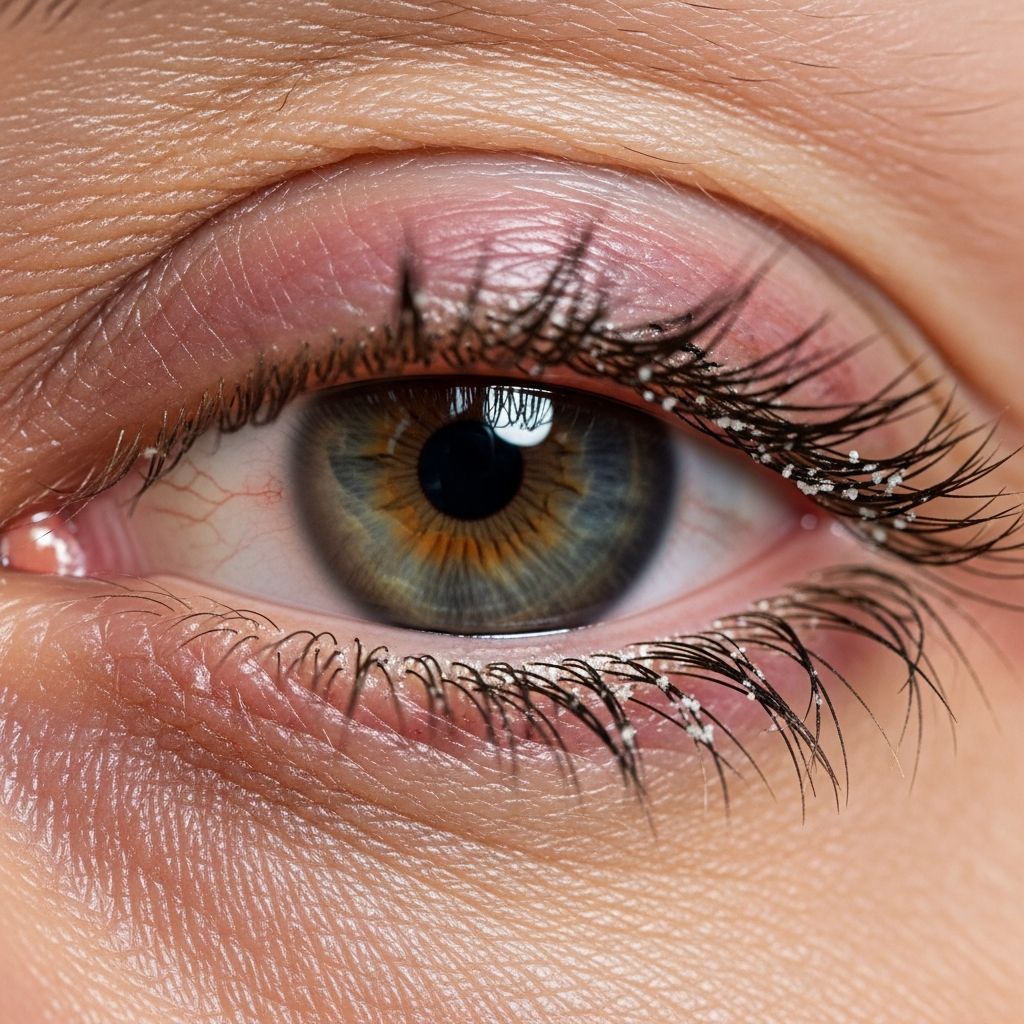
Chronic blepharitis is a persistent inflammation of the eyelids that affects millions worldwide, leading to discomfort, redness, and potential vision issues if unmanaged. While there is no permanent cure, consistent management through hygiene, medications, and lifestyle adjustments can significantly alleviate symptoms and prevent complications. This guide outlines practical steps and advanced options drawn from medical expertise to help individuals regain eye comfort.
Understanding the Nature of Chronic Blepharitis
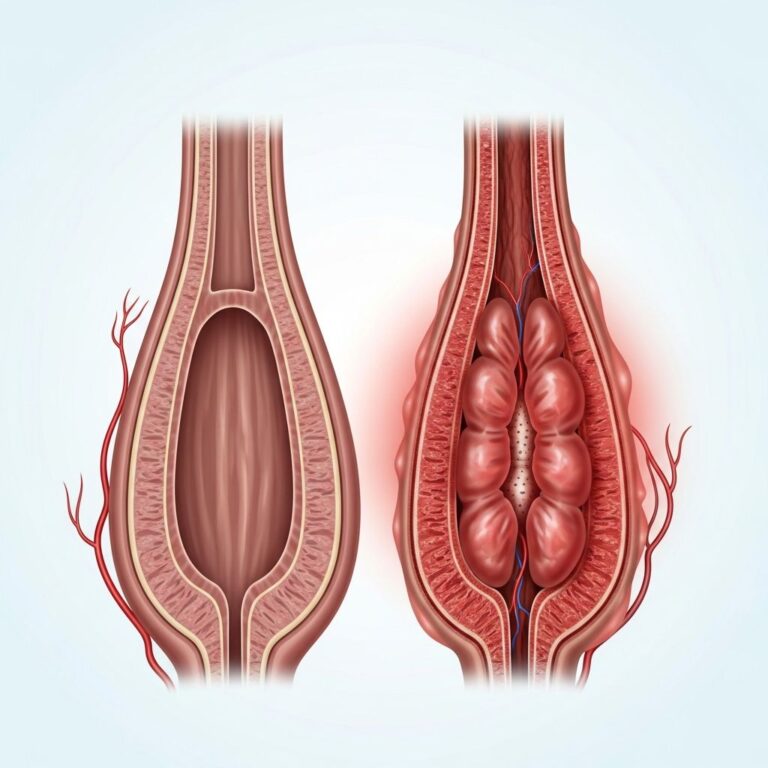
Blepharitis involves irritation along the eyelid margins, often due to blocked oil glands, bacterial overgrowth, or skin conditions. It manifests as crusting, itching, and a gritty sensation, disrupting daily life. Unlike acute forms, chronic cases require ongoing care because the condition tends to recur without maintenance. Key contributors include meibomian gland dysfunction (MGD), where oil-producing glands fail to secrete properly, and anterior issues like bacterial buildup on lash bases.
Recognizing symptoms early is crucial: persistent eyelid redness, flaky debris, light sensitivity, and blurred vision signal the need for intervention. Diagnosis typically relies on clinical examination, as no single test confirms it, but slit-lamp evaluation reveals gland blockages or collarettes around lashes.
Daily Hygiene Routines: The Foundation of Control
The cornerstone of managing chronic blepharitis is meticulous eyelid hygiene, which removes debris, reduces bacterial load, and unclogs glands. Start with warm compresses applied for 10-15 minutes daily to soften hardened oils.
- Warm Compress Technique: Soak a clean cloth in warm (not hot) water, wring it out, and place over closed eyes. Reheat as needed to maintain temperature.
- Gentle Cleansing: Use diluted baby shampoo or commercial lid scrubs to massage eyelid edges, followed by rinsing.
- Massage and Expression: After compresses, lightly massage lids to express oils, aiding tear film stability.
Consistency is key; perform these steps morning and night. Patients often notice improvement within weeks, with reduced flaking and irritation.
Pharmacological Interventions for Symptom Relief
When hygiene alone falls short, medications target infection, inflammation, or gland function. Antibiotics combat bacterial elements common in chronic cases.
| Treatment Type | Examples | Use Case | Duration |
|---|---|---|---|
| Topical Antibiotics | Bacitracin, Erythromycin ointment | Acute flares, anterior blepharitis | 1-2 weeks |
| Oral Antibiotics | Doxycycline, Azithromycin | Refractory MGD, posterior type | 4-12 weeks, low-dose |
| Anti-Inflammatories | Fluorometholone drops, Cyclosporine (Restasis) | Persistent swelling | Short-term, monitored |
Oral tetracyclines like doxycycline offer anti-inflammatory benefits beyond antibacterial action, improving meibum quality at low doses (e.g., 20-40mg daily). Azithromycin weekly dosing suits those with recurrent symptoms. Steroids provide quick relief but require ophthalmologist oversight to avoid side effects like glaucoma.
Addressing Meibomian Gland Dysfunction
MGD drives many chronic blepharitis cases, as dysfunctional glands produce thick, unstable oils, evaporating tears prematurely. Treatments focus on restoring flow.
Related Stories



- Omega-3 Supplements: Daily intake (2-3g EPA/DHA) enhances oil composition, reducing evaporation.
- Thermal Expression: Devices like LipiFlow apply heat and pressure in-office to clear blockages, often yearly for maintenance.
- Intense Pulsed Light (IPL): Targets vascular abnormalities around lids, liquefying oils; multiple sessions needed.
These therapies complement home care, with studies showing sustained gland function post-treatment.
Lifestyle Modifications to Prevent Flare-Ups
Beyond medical interventions, habits influence blepharitis control. Avoid eye makeup and contact lenses during active phases to prevent trapping irritants. Manage related conditions like rosacea or dandruff, as they exacerbate eyelid issues.
- Stay hydrated and use humidifiers in dry environments.
- Incorporate anti-inflammatory diets rich in fish and nuts.
- Practice good sleep hygiene to support tear production.
Screen for allergies or demodex mites, treatable with targeted agents like lotilaner.
Advanced and Emerging Therapies
For refractory cases, innovative options emerge. In-office procedures like Systane iLux use localized heat for gland expression. IPL reduces telangiectasia, improving outcomes in select patients despite cost. Emerging research explores vector-borne therapies for demodex, but hygiene remains primary.
Long-term, thermal pulsation devices offer deep cleansing, preserving gland structure before atrophy sets in.
Monitoring Progress and When to Seek Help
Track symptoms with a journal noting hygiene adherence and flare frequency. Improvement includes less crusting and comfort. Consult an ophthalmologist if vision blurs, pain intensifies, or no response after 4 weeks. Regular check-ups prevent complications like corneal damage.
Frequently Asked Questions (FAQs)
What causes chronic blepharitis to persist?
Underlying MGD, bacteria, or demodex mites contribute; consistent hygiene disrupts the cycle.
Can blepharitis lead to vision loss?
Rarely, if untreated; it may cause corneal issues, but management prevents this.
How long until I see results from treatment?
Weeks with hygiene; medications accelerate relief.
Is blepharitis contagious?
No, though demodex can spread via shared items.
Can children get chronic blepharitis?
Yes, often staphylococcal; treat similarly with hygiene.
Chronic blepharitis demands patience, but integrated approaches yield comfort. Tailor regimens with professional guidance for optimal results.
References
- Blepharitis – Eye Disorders, Etiology & Diagnosis — Merck Manual Professional Edition. 2023. https://www.merckmanuals.com/professional/eye-disorders/eyelid-and-lacrimal-disorders/blepharitis
- Unraveling Blepharitis: A Clinical Guide to Diagnosis and Management — Review of Ophthalmology. 2023-10-01. https://www.reviewofophthalmology.com/article/unraveling-blepharitis-a-clinical-guide-to-diagnosis-and-management
- Blepharitis Treatment: Your Guide to Relief — Blue Fin Vision. 2024. https://bluefinvision.com/blog/blepharitis-treatment/
- Blepharitis – Diagnosis & treatment — Mayo Clinic. 2024-05-12. https://www.mayoclinic.org/diseases-conditions/blepharitis/diagnosis-treatment/drc-20370148
- Blepharitis | Johns Hopkins ABX Guide — Johns Hopkins Medicine. 2023. https://www.hopkinsguides.com/hopkins/view/Johns_Hopkins_ABX_Guide/540060/all/Blepharitis
Similar Articles








Read full bio of medha deb