Managing Chronic Pain With Medications: Expert Guide
Explore effective medication strategies for chronic pain relief, balancing efficacy, safety, and long-term management options.
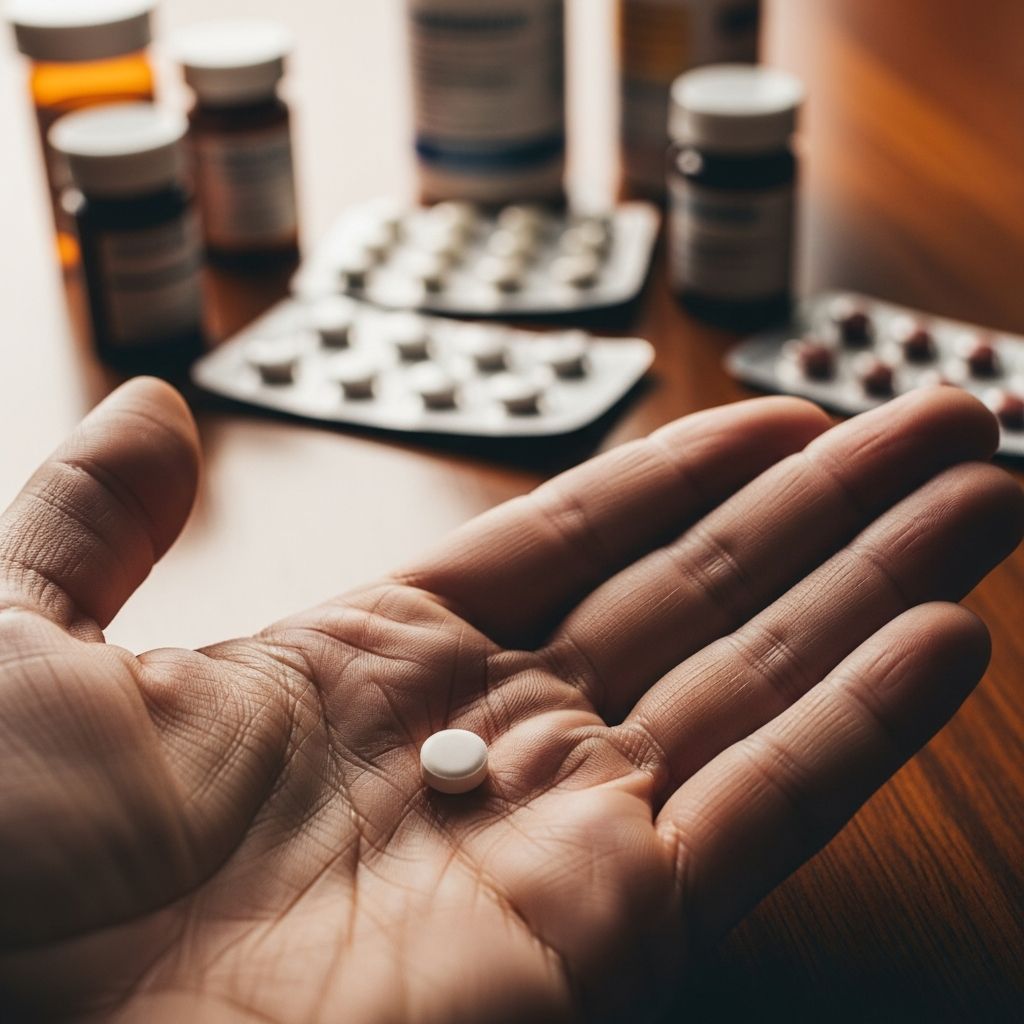
Chronic pain affects millions worldwide, persisting beyond the typical healing period and significantly impacting quality of life. Effective management often involves a multifaceted approach, with medications playing a central role alongside lifestyle changes and therapies. This article delves into key pharmacological options, their mechanisms, suitable conditions, and considerations for safe use, drawing from established clinical guidelines and research.
Understanding Chronic Pain Types
Chronic pain is categorized into nociceptive, neuropathic, and nociplastic types, each responding differently to treatments. Nociceptive pain arises from tissue damage, such as in osteoarthritis or back injuries. Neuropathic pain stems from nerve damage, common in diabetic neuropathy or postherpetic neuralgia. Nociplastic pain, like fibromyalgia, involves altered pain processing without clear tissue or nerve injury. Tailoring medications to these categories optimizes outcomes while minimizing risks.
- Nociceptive: Responsive to anti-inflammatories for inflammatory sources.
- Neuropathic: Benefits from nerve-stabilizing agents like anticonvulsants.
- Nociplastic: Often requires low-dose antidepressants or novel agents.
First-Line Options: NSAIDs and Acetaminophen
Nonsteroidal anti-inflammatory drugs (NSAIDs) are foundational for mild to moderate nociceptive chronic pain accompanied by inflammation, such as arthritis or musculoskeletal issues. They inhibit cyclooxygenase (COX) enzymes, reducing prostaglandin production that drives pain and swelling. Common examples include ibuprofen, naproxen, and COX-2 selective inhibitors like celecoxib.
Acetaminophen, lacking strong anti-inflammatory effects, serves as a safer initial choice for non-inflammatory pain like osteoarthritis or headaches. It acts centrally in the brain to modulate pain signals. Combining acetaminophen with NSAIDs can enhance efficacy, as studies show superior relief compared to either alone, with fewer side effects than opioids for acute exacerbations.
| Medication | Best For | Key Benefits | Common Risks |
|---|---|---|---|
| Ibuprofen/Naproxen (NSAIDs) | Osteoarthritis, back pain | Reduces inflammation, OTC availability | GI ulcers, kidney strain with long-term use |
| Celecoxib (COX-2 inhibitor) | Arthritis with GI concerns | Lower stomach risk than traditional NSAIDs | Cardiovascular risks |
| Acetaminophen | Muscle pain, OA | Safe for liver-healthy patients, no GI bleed risk | Liver toxicity at high doses |
Guidelines recommend short courses for NSAIDs to limit gastrointestinal, renal, and cardiovascular adverse effects, especially in older adults.
Anticonvulsants for Nerve-Related Pain
Gabapentin and pregabalin, originally anti-seizure drugs, excel in neuropathic pain by binding to calcium channels on nerves, dampening abnormal firing. They are first-line for diabetic neuropathy, postherpetic neuralgia, and fibromyalgia, with number-needed-to-treat (NNT) values of 2.9–7.7 indicating solid efficacy. Pregabalin may edge out for central sensitization pains like fibromyalgia.
Topical options, such as 5% lidocaine patches or high-concentration capsaicin (8%), offer localized relief for allodynia and spontaneous neuropathic pain without systemic effects (NNT 4.4–10.6). These are ideal for peripheral issues, minimizing dizziness or sedation common with oral forms.
- Start low and titrate slowly to manage side effects like drowsiness.
- Monitor for dependency in long-term use.
Antidepressants: Dual Benefits for Pain and Mood
Tricyclic antidepressants (e.g., amitriptyline, nortriptyline) and serotonin-norepinephrine reuptake inhibitors (SNRIs like duloxetine, venlafaxine) alleviate chronic pain, particularly neuropathic and fibromyalgia types, by enhancing descending pain inhibition pathways in the spinal cord and brain. SNRIs show particular promise for diabetic neuropathy and chronic back pain, often improving function alongside mood.
Related Stories



Meta-analyses confirm antidepressants outperform placebo for neuropathic pain relief, though functional gains vary. They are valuable when pain exacerbates depression, a frequent comorbidity.
Opioids: Reserved for Refractory Cases
Opioids like morphine, oxycodone, tramadol, and buprenorphine bind mu-opioid receptors to block pain signals. They suit select nociceptive or neuropathic pains unresponsive to non-opioids, but evidence for long-term chronic pain efficacy is weak, with risks of tolerance, hyperalgesia, and addiction outweighing benefits in most cases.
Low-activity options like tramadol or tapentadol combine opioid action with serotonin/norepinephrine effects for neuropathic pain. Guidelines urge non-opioid prioritization; opioids require risk assessment tools, urine screens, and contracts.
| Opioid Type | Pain Suitability | Strengths | Risks |
|---|---|---|---|
| High potency (morphine, hydromorphone) | Nociceptive | Strong relief | Respiratory depression, constipation |
| Low potency (tramadol, tapentadol) | Neuropathic | Dual mechanism | Serotonin syndrome potential |
Emerging and Adjunctive Therapies
Palmitoylethanolamide (PEA), a fatty acid amide, modulates the endocannabinoid system to curb inflammation and pain, showing promise in neuropathy with a favorable safety profile. Low-dose naltrexone boosts endogenous opioids for nociplastic pain like fibromyalgia.
Muscle relaxants (e.g., cyclobenzaprine, baclofen) aid spasticity-related chronic pain, while short-term use prevents dependency. Non-pharmacologic synergies, like physical therapy, amplify medication effects per CDC recommendations.
Risk Mitigation and Patient Monitoring
Chronic pain therapy demands vigilance. NSAIDs risk GI bleeds (mitigated by PPIs), renal impairment, and CV events. Gabapentinoids cause sedation and falls; opioids demand naloxone availability.
Personalize based on comorbidities: avoid NSAIDs in heart failure, opioids in sleep apnea. Regular follow-ups assess efficacy (e.g., via pain scales) and adherence, tapering ineffective or risky agents.
Practical Strategies for Long-Term Relief
- Layer therapies: Start with acetaminophen/NSAID, add gabapentinoid or SNRI if needed.
- Multimodal: Pair meds with exercise, CBT, or acupuncture.
- Set realistic goals: Aim for 30% pain reduction.
- Involve specialists for complex cases.
Evidence favors non-opioids for sustainability; opioids lack robust chronic pain support.
Frequently Asked Questions (FAQs)
Are NSAIDs safe for daily chronic pain use?
Short courses yes, but monitor kidneys/GI; prefer COX-2 for at-risk patients.
Can gabapentin help fibromyalgia?
Yes, especially pregabalin, for central pain amplification.
Should I avoid opioids for back pain?
Generally, yes—prioritize non-opioids; reserve for failures.
How does duloxetine relieve pain?
Boosts serotonin/norepinephrine to inhibit pain signals.
What if medications fail?
Consider interventional procedures, neuromodulation, or PEA.
References
- The Pharmacological Treatment of Chronic Pain: From Guidelines to … — PMC/NCBI. 2023. https://pmc.ncbi.nlm.nih.gov/articles/PMC10144480/
- Treatment options for chronic pain – ASRA Pain Medicine — ASRA. 2023-10-01. https://asra.com/patient-information/chronic-pain-management/treatment-options-for-chronic-pain
- Chronic pain: Medication decisions – Mayo Clinic — Mayo Clinic. 2023-11-15. https://www.mayoclinic.org/diseases-conditions/back-pain/in-depth/chronic-pain-medication-decisions/art-20360371
- Evidence for the efficacy of pain medications – National Safety Council — NSC. 2022. https://www.nsc.org/getmedia/8ecdc0e5-ae58-43e8-b98b-46c205e1c2b2/evidence-efficacy-pain-medications.pdf
- Nonopioid Therapies for Pain Management – CDC — CDC. 2024-05-20. https://www.cdc.gov/overdose-prevention/hcp/clinical-care/nonopioid-therapies-for-pain-management.html
- Analgesics Class of Medications (Painkillers & NSAIDs) — Cleveland Clinic. 2023. https://my.clevelandclinic.org/health/drugs/21483-analgesics
Similar Articles








Read full bio of medha deb