Managing COVID-19 in Children: Home Care Guidelines
Essential strategies for supporting your child's recovery from COVID-19 at home safely and effectively.
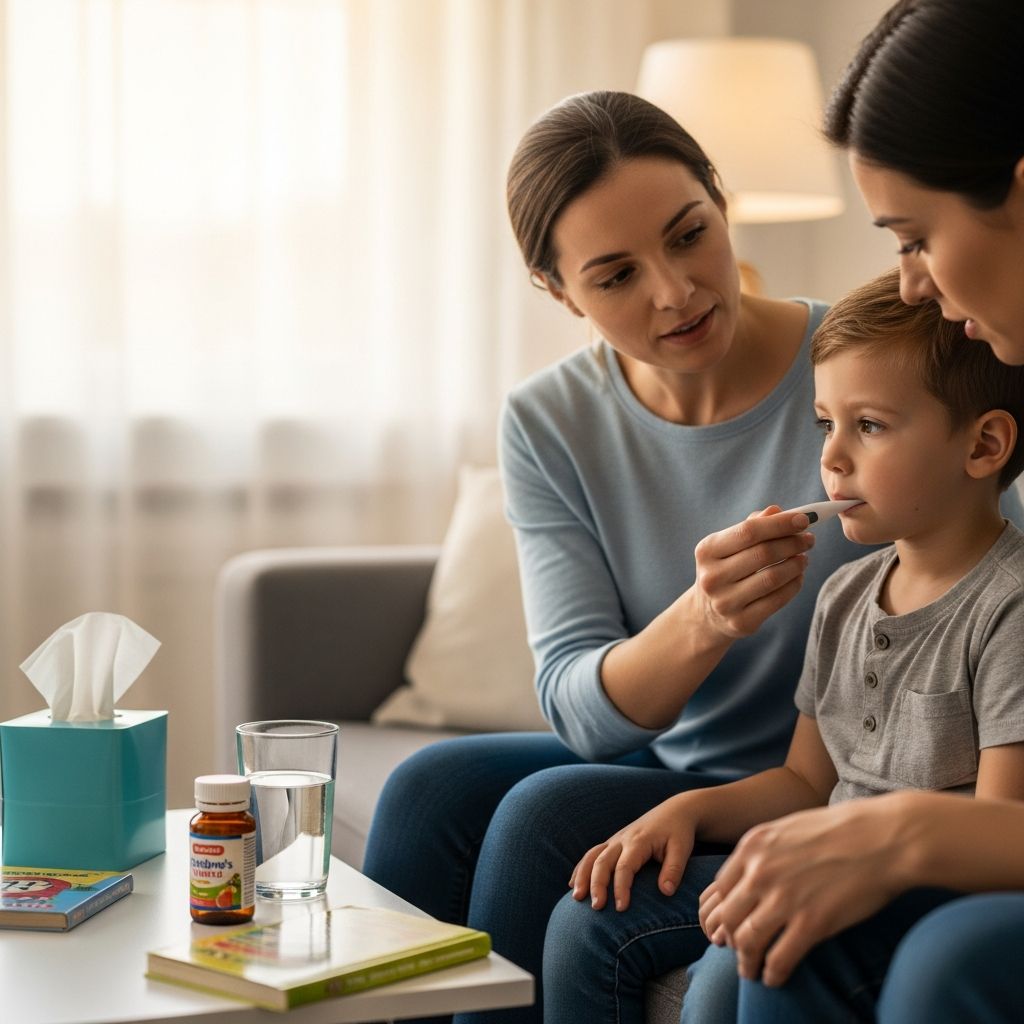
When your child tests positive for COVID-19, the initial reaction may be one of concern and uncertainty. However, understanding that most children experience mild to moderate symptoms that can be effectively managed at home can help ease anxieties. This comprehensive guide provides parents and caregivers with evidence-based strategies for supporting their child’s recovery while minimizing transmission risk to other household members.
Understanding COVID-19 Symptoms in the Pediatric Population
Recognizing COVID-19 symptoms in children is the first critical step in providing appropriate care. Symptoms typically manifest between two and fourteen days following exposure to the virus. The presentation varies considerably among children, with some experiencing severe manifestations while others remain asymptomatic or develop only minor discomfort.
Common Presenting Symptoms
The most frequently observed symptoms in children with COVID-19 include fever and cough, with the cough sometimes exhibiting a distinctive barking quality associated with croup-like presentations. Beyond these primary indicators, children may experience a diverse range of respiratory and systemic manifestations:
- Sore throat or throat discomfort
- Nasal congestion or rhinorrhea (runny nose)
- Headache or head pain
- Fatigue or general malaise
- Gastrointestinal symptoms including nausea, vomiting, or diarrhea
- Muscle aches and body pain
- Chills or temperature fluctuations
- Olfactory or gustatory changes (loss of taste or smell)
- Respiratory difficulty or shortness of breath
Notably, gastrointestinal symptoms such as abdominal pain, diarrhea, and nausea can occur independently in some children, though these alone do not warrant testing unless there has been confirmed exposure to a COVID-19 positive individual.
Incubation Period Considerations
Recent epidemiological data indicates that during periods of high Omicron variant transmission, the median incubation period has been approximately three to four days, though some cases may present later. Understanding this timeline helps parents anticipate symptom onset following known exposures and implement preventative measures more effectively.
Establishing Effective Home Isolation Protocols
Implementing proper isolation strategies protects other household members while supporting the affected child’s recovery. The objective is to minimize viral transmission without completely isolating the child from necessary care and emotional support.
Separation and Masking Strategies
When feasible, physically separating the ill child from other household members significantly reduces transmission risk. This separation should continue throughout the acute symptomatic phase. If complete separation is impossible due to household layout or caregiving responsibilities, the symptomatic child should wear a well-fitting face mask, particularly when within six feet of other family members.
Healthcare providers should also implement masking protocols when caring for the child. If an adult caregiver must provide close care, wearing a mask when within six feet of the child offers meaningful protection.
Hygiene and Environmental Controls
Meticulous attention to hygiene practices represents a cornerstone of home management. Caregivers should implement the following measures:
Related Stories



- Frequent handwashing with soap and warm water for at least twenty seconds, particularly after contact with the ill child or contaminated surfaces
- Covering all coughs and sneezes using tissues or the crook of the arm, immediately disposing of tissues in a lined trash container
- Avoiding shared use of dishes, cups, utensils, towels, and bedding between the ill child and other family members
- Thorough cleaning and disinfection of high-touch surfaces throughout the home, including doorknobs, light switches, remote controls, and bathroom fixtures
- Maintaining separate bathroom facilities when possible, or ensuring meticulous cleaning after each use if sharing is necessary
These environmental controls should continue throughout the period of active illness and for at least 24 hours after symptoms have resolved.
Supportive Care Measures for Symptom Management
Most children with COVID-19 recover within one to two weeks through home-based supportive care strategies. These interventions focus on alleviating symptoms and promoting the body’s natural healing processes.
Hydration and Nutritional Support
Maintaining adequate fluid intake represents one of the most critical aspects of home management. Children should consume almost as much fluid as they did prior to illness, adjusted for their current appetite and ability to drink. Caregivers should offer frequent small amounts of fluids rather than large quantities, which may overwhelm a nauseated or uncomfortable child.
For breastfeeding infants, continuation of breastfeeding is appropriate and beneficial, providing both hydration and immune support. For older children, offering appealing beverages such as diluted fruit juices, broths, oral rehydration solutions, or ice chips can encourage adequate intake.
Regarding nutrition, children need not consume large meals while symptomatic. Offering small, frequent meals with foods the child finds palatable—such as toast, crackers, applesauce, or clear broths—is preferable to forcing substantial meals.
Rest and Activity Modifications
Adequate rest is essential for recovery. Parents should encourage extended sleep periods and minimize strenuous activities while the child remains symptomatic. Once the child begins feeling better, gradual return to normal activities is appropriate, though complete recovery should be confirmed before resuming vigorous exercise or sports participation.
Temperature and Comfort Management
Fever management should follow evidence-based guidelines. For children over twelve weeks of age, fever-reducing medications such as acetaminophen or ibuprofen can be administered according to standard dosing guidelines and product instructions. However, parents should recognize that mild fevers represent the body’s natural defense mechanism and are not inherently harmful.
For infants under twelve weeks of age, any fever exceeding 100.4°F (38°C) necessitates immediate medical evaluation, and fever-reducing medications should not be administered without specific physician guidance.
Respiratory Symptom Relief
For children experiencing congestion or cough, a humidifier operating in the child’s room can provide comfort and ease respiratory symptoms by adding moisture to the air. This is particularly helpful during nighttime sleep when coughing may interfere with rest.
Critical Warning Signs and Emergency Response
While most children experience mild illness, certain warning signs necessitate immediate medical evaluation or emergency care. Parents must remain vigilant for these concerning symptoms.
Urgent Evaluation Indicators
Caregivers should contact their healthcare provider immediately if the child develops any of the following conditions:
- Fever exceeding 102.4°F (39.1°C) that fails to respond to fever-reducing medications or persists beyond three days
- Difficulty breathing or labored breathing patterns
- Wheezing or other abnormal respiratory sounds
- Inability or refusal to consume fluids
- Signs of dehydration, including dizziness, drowsiness, dry or sticky mouth, sunken eyes, crying without tears, or significantly decreased urination (less than one wet diaper in eight hours for infants, or no urination for ten hours in children over age three)
- Extreme fatigue or lethargy disproportionate to the degree of illness
- Excessive sleeping or difficulty arousing the child
- Ear pain or severe sore throat
- Rash affecting large portions of the body
- The child has comorbid medical conditions requiring special consideration
Additionally, parents should seek medical guidance whenever they experience significant worry about their child’s condition, as parental concern often reflects subtle changes warranting professional evaluation.
Emergency Situations Requiring Immediate 911 Response
Certain critical situations demand immediate emergency care and warrant calling 911 without delay:
- Severe difficulty breathing, respiratory distress, or inability to breathe adequately
- Grunting sounds, nostril flaring, or chest wall retractions during breathing (especially in infants)
- Rapid breathing at rest or shortness of breath while at rest
- Chest pain or persistent chest pressure
- Cold, clammy skin or spotted skin appearance
- Bluish discoloration of skin, lips, or nail beds
- New onset confusion or disorientation
- Difficulty staying awake or inability to arouse the child
- Severe or persistent vomiting and diarrhea
- Fever exceeding 104°F (40°C)
- Severe abdominal pain
- In infants, inability to cry, feed, or breathe effectively
Post-Infection Testing and Household Exposure Management
When one child in a household tests positive for COVID-19, other family members face exposure risk. Healthcare providers recommend that anyone exposed to the positive child be tested for COVID-19.
Defining Exposure
An exposure is defined as being within six feet of the positive child for approximately fifteen minutes within the forty-eight hour period surrounding symptom onset or the positive test result in asymptomatic cases. Household contacts falling within this definition should pursue testing to identify any additional infections requiring isolation.
Household Member Symptom Monitoring
Other household members should monitor themselves for symptom development, watching for fever, congestion, fatigue, headache, cough, shortness of breath, gastrointestinal symptoms, chills, muscle pain, and changes in taste or smell. Should symptoms develop, testing and temporary isolation should be implemented to prevent further transmission.
Special Considerations and Long-term Effects
While most children recover completely within one to two weeks, some may experience prolonged symptoms or develop complications requiring ongoing attention.
Multisystem Inflammatory Syndrome in Children (MIS-C)
A rare but serious condition called Multisystem Inflammatory Syndrome in Children (MIS-C) can develop following COVID-19 infection. Parents should watch for persistent fever unresponsive to typical treatment, accompanied by vomiting, diarrhea, abdominal pain, skin rash, and bloodshot eyes. Emergency warning signs of MIS-C include difficulty maintaining consciousness, respiratory difficulty, new confusion, bluish skin discoloration, and severe abdominal pain.
Post-COVID Syndrome Awareness
Some children experience ongoing symptoms following the acute illness phase, characterized by extreme fatigue affecting daily functioning and potential worsening of symptoms after physical activity. These symptoms may include breathing difficulties, cognitive issues, rapid heartbeat, sleep disturbances, digestive problems, and joint or muscle pain. If your child exhibits concerning persistent symptoms, medical evaluation is warranted.
Return to Activities and School
Children with mild symptoms such as runny nose, sore throat, or mild cough who feel well enough may continue attending school or childcare. However, once a positive COVID-19 diagnosis is confirmed, the child should remain home and away from public spaces to prevent community transmission. Children can resume normal activities when feeling better or no longer experiencing high fever, as determined in consultation with healthcare providers.
Parental Self-Care During the Caregiving Period
Caregivers managing a sick child experience emotional and physical stress. Maintaining calm composure while comforting the ill child is important. Caregivers should also ensure they maintain their own health through adequate rest, hydration, and stress management to sustain the energy required for consistent caregiving.
References
- COVID-19 in Babies and Children — Mayo Clinic. 2024. https://www.mayoclinic.org/diseases-conditions/coronavirus/in-depth/coronavirus-in-babies-and-children/art-20484405
- How to Care for COVID-19 Symptoms at Home — Children’s Minnesota. 2024. https://www.childrensmn.org/blog/care-covid-19-symptoms-home/
- How to Care for Your Child with COVID-19 at Home — Mass General. 2024. https://www.massgeneral.org/children/coronavirus/how-to-care-for-your-child-with-covid-19-at-home
- Information for Pediatric Healthcare Providers — CDC COVID-19. 2024. https://www.cdc.gov/covid/hcp/clinical-care/for-pediatric-hcp.html
- COVID-19 Symptoms and What to Do — NHS. 2025. https://www.nhs.uk/conditions/covid-19/covid-19-symptoms-and-what-to-do/
- COVID in Children: COVID Symptoms in Kids — Cleveland Clinic. 2024. https://my.clevelandclinic.org/health/diseases/covid-in-children
Similar Articles








Read full bio of medha deb