Managing COVID-19 Symptoms: 2025 Practical Home Care Guide
Comprehensive strategies for handling mild to moderate COVID-19 at home with evidence-based care and when to seek help.
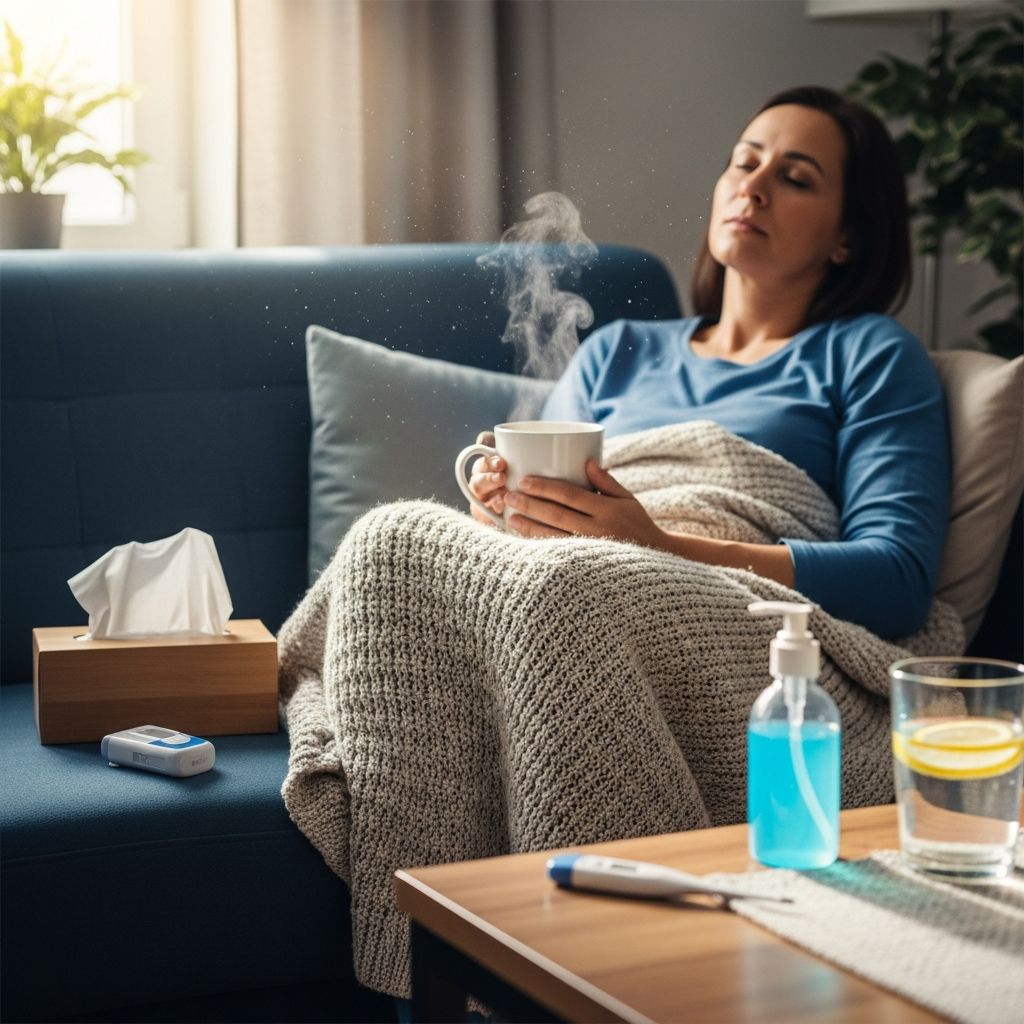
COVID-19 continues to affect millions, but most cases can be managed successfully at home with proper strategies focusing on symptom relief, hydration, rest, and monitoring for complications. Early intervention, especially with antivirals for high-risk individuals, can significantly reduce severity.
Understanding Common COVID-19 Symptoms
Recognizing symptoms is the first step in effective management. Typical signs include fever, cough, fatigue, shortness of breath, sore throat, muscle aches, loss of taste or smell, headache, and congestion. These vary in intensity; mild cases often mimic a common cold, while moderate ones may involve persistent fatigue or mild breathing difficulties.
- Fever and chills: Body temperature elevations help fight infection but can cause discomfort.
- Respiratory issues: Dry cough or nasal congestion disrupts sleep and daily activities.
- Systemic effects: Fatigue, body aches, and headaches sap energy levels.
- Gastrointestinal symptoms: Nausea, diarrhea, or loss of appetite in some cases.
Monitor symptoms daily using a thermometer and pulse oximeter if available to track oxygen levels above 94%.
Essential Home Care Practices
Support your body’s natural defenses through basic self-care. Rest allows immune recovery, while hydration prevents dehydration from fever and reduced intake.
| Practice | Benefits | Tips |
|---|---|---|
| Hydration | Maintains mucous membrane function, thins mucus | Aim for 8-10 glasses of water daily; include electrolyte drinks if sweating heavily. |
| Rest | Conserves energy for immune response | Sleep 8-10 hours; nap as needed in a cool, dark room. |
| Nutrition | Provides vitamins and energy | Eat light meals like soups, fruits, and whole grains; avoid heavy foods. |
| Environment | Reduces discomfort | Keep room ventilated; use humidifier for dry air. |
Avoid alcohol and strenuous exercise, as they strain the body and prolong recovery.
Symptom-Specific Relief Strategies
Fever and Pain Management
Over-the-counter options like acetaminophen or ibuprofen effectively lower fever and ease aches. Acetaminophen is preferred for its safety profile in reducing fever without anti-inflammatory risks. Start with standard doses: 500-1000mg acetaminophen every 6 hours, not exceeding 4000mg daily. Ibuprofen (200-400mg every 6-8 hours) suits those without contraindications like stomach issues.
Note: Fevers under 104°F often aid recovery; treat only for comfort.
Cough and Congestion Control
Cough suppressants provide temporary relief, though evidence is limited. Honey (1 teaspoon) soothes throats effectively, except for infants under 12 months. Decongestants alleviate nasal blockage; use saline sprays for gentle clearing. Lozenges, herbal teas with lemon, or vapor rubs offer additional comfort.
Breathing Support
For breathlessness, sit upright, practice pursed-lip breathing, or open windows for fresh air. Avoid lying flat if it worsens symptoms.
Antiviral and Advanced Treatment Options
For mild to moderate cases in high-risk individuals (e.g., over 50, obese, immunocompromised), antivirals like nirmatrelvir/ritonavir (Paxlovid) are recommended within 5 days of symptoms. This reduces hospitalization risk by targeting viral replication.
- Nirmatrelvir/ritonavir: Preferred for outpatients; 300mg/100mg twice daily for 5 days, with dose adjustments for kidney issues.
- Molnupiravir: Alternative if Paxlovid unavailable; taken within 5 days.
- Remdesivir: IV option for hospitalized patients, shortening recovery time.
Consult a doctor immediately for eligibility, as interactions exist (e.g., Paxlovid with statins). Severe cases may require corticosteroids like dexamethasone or IL-6 inhibitors like tocilizumab, but only under medical supervision.
Related Stories



Isolation and Protecting Others
Isolate for at least 5 days or until symptoms improve and fever-free for 24 hours without medication. Wear masks around household members, ventilate spaces, and disinfect high-touch surfaces.
When to Seek Medical Attention
Most recover within 1-2 weeks, but watch for red flags signaling progression:
- Difficulty breathing or chest pain
- Confusion or inability to stay awake
- Bluish lips or face
- Fever over 103°F unresponsive to meds
- Oxygen saturation below 94%
Contact a doctor promptly; high-risk patients should not delay antivirals.
Nutrition and Lifestyle During Recovery
A balanced diet rich in vitamin C, D, and zinc supports immunity. Include citrus fruits, leafy greens, nuts, and yogurt. Stay active lightly once acute symptoms subside, like short walks, to combat fatigue without overexertion.
Long COVID Considerations
Some experience lingering symptoms like fatigue or brain fog. Early antivirals may reduce this risk. Manage with paced activity, cognitive exercises, and follow-up care.
Frequently Asked Questions (FAQs)
Can I take ibuprofen with COVID-19?
Yes, for fever and pain, but confirm with a doctor if you have kidney, heart, or GI issues.
How long should I isolate?
Minimum 5 days, plus until symptoms resolve and 24 hours fever-free.
Are OTC cough medicines effective?
They provide symptomatic relief; honey is a natural alternative.
Who qualifies for Paxlovid?
High-risk adults within 5 days of symptoms; doctor assessment required.
Does fever need treatment?
Only for comfort; high fevers (>104°F) warrant medical advice.
Preventing Complications Through Monitoring
Daily symptom tracking via apps or journals helps spot trends. Pulse oximeters are affordable tools for home use. Vaccinations and boosters remain key to milder illness.
References
- How to treat mild COVID-19 symptoms at home — Baylor Scott & White Health. 2023-10-01. https://www.bswhealth.com/blog/how-to-treat-mild-covid-19-symptoms-at-home
- IDSA Guidelines on the Treatment and Management of Patients with COVID-19 — Infectious Diseases Society of America. 2025-10-14. https://www.idsociety.org/practice-guideline/covid-19-guideline-treatment-and-management/
- Coronavirus Disease (COVID-19): Symptoms & Treatment — Cleveland Clinic. 2024-01-15. https://my.clevelandclinic.org/health/diseases/21214-coronavirus-covid-19
- COVID-19: Treatments and Medications — Wisconsin Department of Health Services. 2024-05-20. https://www.dhs.wisconsin.gov/covid-19/treatments.htm
- Treating COVID-19 at home: Care tips for you and others — Mayo Clinic. 2024-08-12. https://www.mayoclinic.org/diseases-conditions/coronavirus/in-depth/treating-covid-19-at-home/art-20483273
- COVID-19 symptoms and what to do — National Health Service (NHS). 2024-11-05. https://www.nhs.uk/conditions/covid-19/covid-19-symptoms-and-what-to-do/
- Which over-the-counter medications are best for coronavirus symptoms — University of Chicago Medicine. 2023-10-10. https://www.uchicagomedicine.org/forefront/coronavirus-disease-covid-19/2023/october/which-otc-medications-are-best-for-coronavirus-symptoms
Similar Articles








Read full bio of medha deb