Managing Cuts And Grazes: Step-By-Step First Aid Guide
Expert guidance on treating minor wounds at home, spotting infections, and knowing when to seek professional medical care effectively.
Minor skin injuries like cuts and grazes occur frequently during daily activities, from kitchen mishaps to outdoor falls. These wounds typically involve breaks in the skin’s surface, ranging from superficial scrapes that remove the outer layer to deeper incisions that penetrate further. Proper management reduces healing time, minimizes scarring, and prevents complications such as infection. Most cases heal within days using basic first aid, but vigilance for warning signs is crucial.
Understanding Types of Skin Injuries
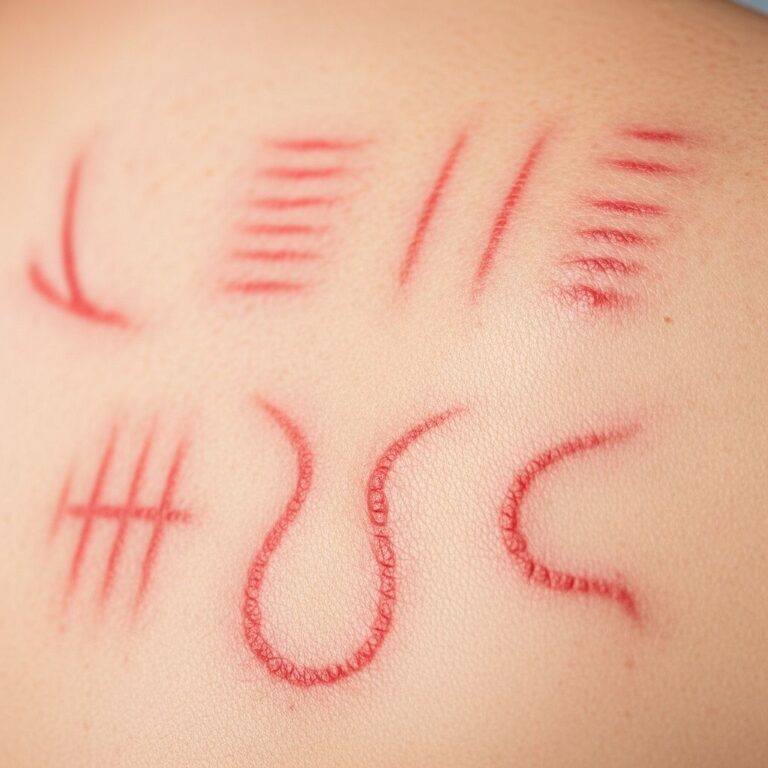
Cuts, also known as lacerations, result from sharp objects slicing the skin, often causing clean edges and bleeding. Grazes or abrasions happen when skin rubs against rough surfaces, scraping off the top layer and exposing sensitive tissue underneath. These differ from punctures, which are narrow and deep, or avulsions, where skin is partially torn away. Recognizing the type guides treatment: superficial grazes need gentle cleaning, while deeper cuts require pressure to control blood loss.
- Cuts: Straight or jagged breaks from blades, glass, or tools.
- Grazes: Surface-level scrapes from falls or friction.
- Associated risks: Embedded debris in grazes increases infection potential.
Children and active individuals face higher risks due to play or sports, where faces, knees, and hands are commonly affected. Areas with rich blood supply, like lips or tongues, bleed profusely but heal faster.
Step-by-Step First Aid Protocol
Immediate action preserves the wound and promotes recovery. Always prioritize safety by washing hands or wearing gloves to avoid introducing bacteria.
1. Control Bleeding
Apply firm, direct pressure using a clean cloth or sterile gauze for at least 10-15 minutes. Elevate the injured area above heart level to slow blood flow—raise arms overhead or legs while lying down. Avoid peeking too soon, as this restarts bleeding. If blood soaks through, add another layer without removing the first.
| Severity Level | Action | Duration |
|---|---|---|
| Minor ooze | Gentle pressure | 5 minutes |
| Steady flow | Firm pressure + elevation | 10-15 minutes |
| Spurting | Seek emergency | Immediate |
2. Thorough Cleaning
Rinse under cool running tap water or use sterile saline to flush debris. Gently wash surrounding skin with mild soap, avoiding the wound itself to prevent irritation. Pat dry with a clean towel—do not rub. For grazes, tweezers sterilized in alcohol can remove visible grit, but skip if deeply embedded.
3. Apply Protective Ointment and Dressing
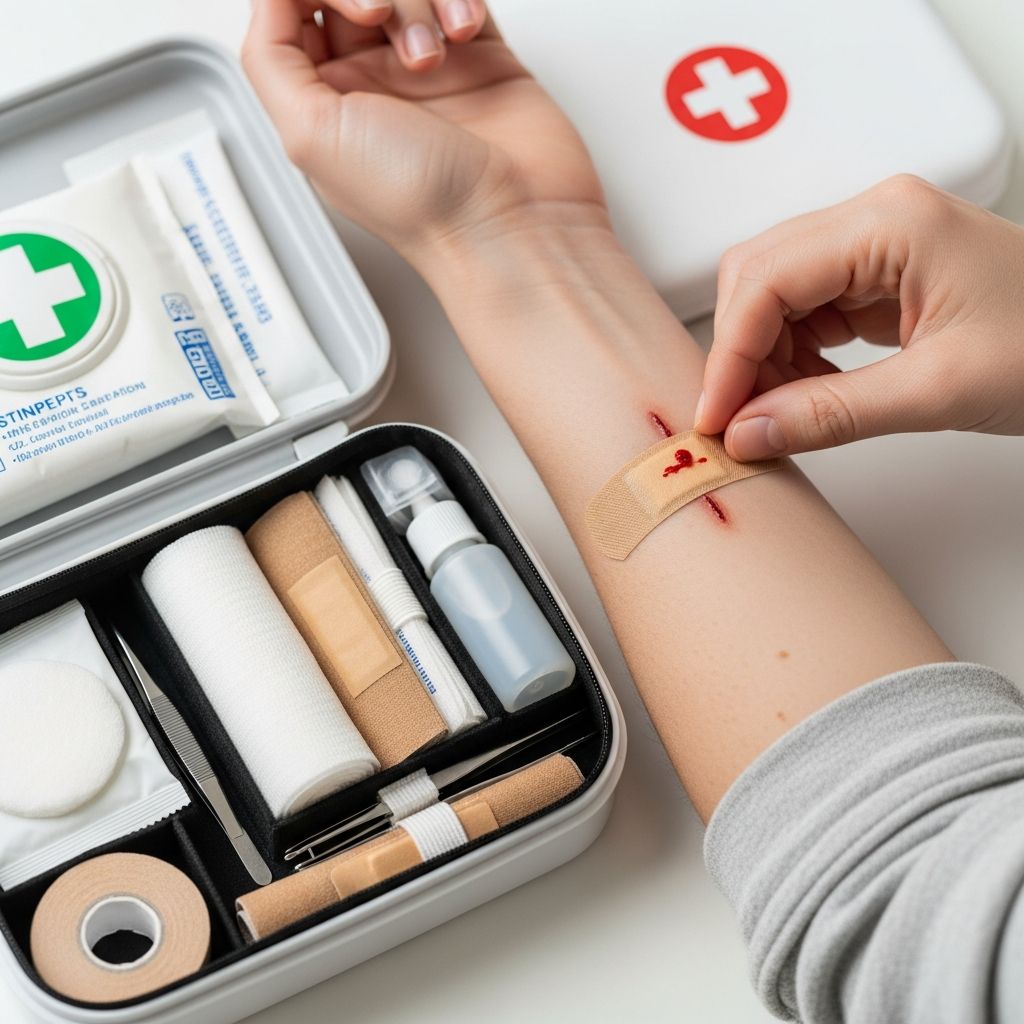
A thin layer of petroleum jelly or antibiotic ointment keeps the area moist, deterring scab formation and scarring. Cover with a sterile adhesive bandage or non-stick gauze secured by tape. Change daily or if wet/soiled. For large grazes, occlusive dressings maintain a healing environment.
Pain Management and Comfort Measures
Over-the-counter pain relievers like paracetamol or ibuprofen ease discomfort and reduce swelling. Apply ice wrapped in cloth for 10-15 minutes hourly on the first day, especially for bruises accompanying grazes. Avoid aspirin in children under 16 due to Reye’s syndrome risk. Rest the limb and elevate to minimize throbbing.
Related Stories



Monitoring for Complications
Healing begins in hours, with new skin forming over days. Watch for infection indicators: increasing redness, warmth, swelling, pus, or fever. Dirty wounds from soil, animal bites, or rusty objects heighten risks, potentially requiring tetanus boosters if unimmunized within five years.
- Red flags: Foul odor, streaking redness, chills.
- Delayed healing: Beyond a week without improvement.
When to Seek Professional Help
Not all wounds suit home care. Consult a doctor promptly for:
- Cuts over 5cm, deep (>1/8 inch), or gaping.
- Those exposing fat, muscle, or bone.
- Uncontrollable bleeding after 15 minutes pressure.
- Loss of sensation/movement, facial/palm injuries, or embedded objects.
- Signs of infection or general unwellness.
For urgent cases like arterial spurting (bright red, pulsing blood), call emergency services immediately. Medical interventions may include stitches, glue, antibiotics, or tetanus shots.
Special Considerations for Vulnerable Groups
Children bleed more from facial wounds but recover quickly. Diabetics, elderly, or immunocompromised individuals heal slower, needing earlier professional input. Animal bites demand evaluation for rabies risk. Rusty punctures warrant tetanus checks.
Preventing Future Incidents
Wear protective gloves during chores, use cut-resistant tools, and supervise kids’ play. Keep tetanus vaccinations current—boosters every 10 years. Stock a first aid kit with gloves, ointments, bandages, tweezers, and saline.
Frequently Asked Questions (FAQs)
Should I use hydrogen peroxide or alcohol on wounds?
No—these irritate tissue and delay healing. Stick to water and soap.
How long until a graze scabs over?
1-3 days; keep moist to avoid thick scabs.
Is it okay to swim with a fresh cut?
Avoid pools or oceans until healed to prevent bacterial entry.
What if my child picks at the bandage?
Distract and replace promptly; use larger dressings if needed.
Do all cuts need stitches?
Only if deep, wide, or on tension areas like joints.
Long-Term Wound Care Tips
Once closed, expose to air for strengthening but protect from sun to prevent hyperpigmentation. Moisturize healed skin. Nutrition aids recovery: protein, vitamin C, zinc from diet. Persistent issues like keloids may need dermatologist advice.
References
- Cuts and grazes – NHS — NHS. 2022-06-06. https://www.nhs.uk/conditions/cuts-and-grazes/
- Cuts and scrapes: First aid – Mayo Clinic — Mayo Clinic. Accessed 2026. https://www.mayoclinic.org/first-aid/first-aid-cuts/basics/art-20056711
- Cuts, Scrapes and Lacerations | Main Line Health — Main Line Health. Accessed 2026. https://www.mainlinehealth.org/conditions-and-treatments/conditions/cuts-scrapes-and-lacerations
- Cuts and grazes first aid advice – St John Ambulance — St John Ambulance. Accessed 2026. https://www.sja.org.uk/first-aid-advice/cuts-and-grazes/
- Kids Health Info: Cuts, grazes and lacerations — Royal Children’s Hospital. Accessed 2026. https://www.rch.org.au/kidsinfo/fact_sheets/Cuts_grazes_lacerations/
Similar Articles








Read full bio of medha deb