Managing Daily Life With Psoriasis: A Comprehensive Guide
Practical strategies and insights for living well with psoriasis
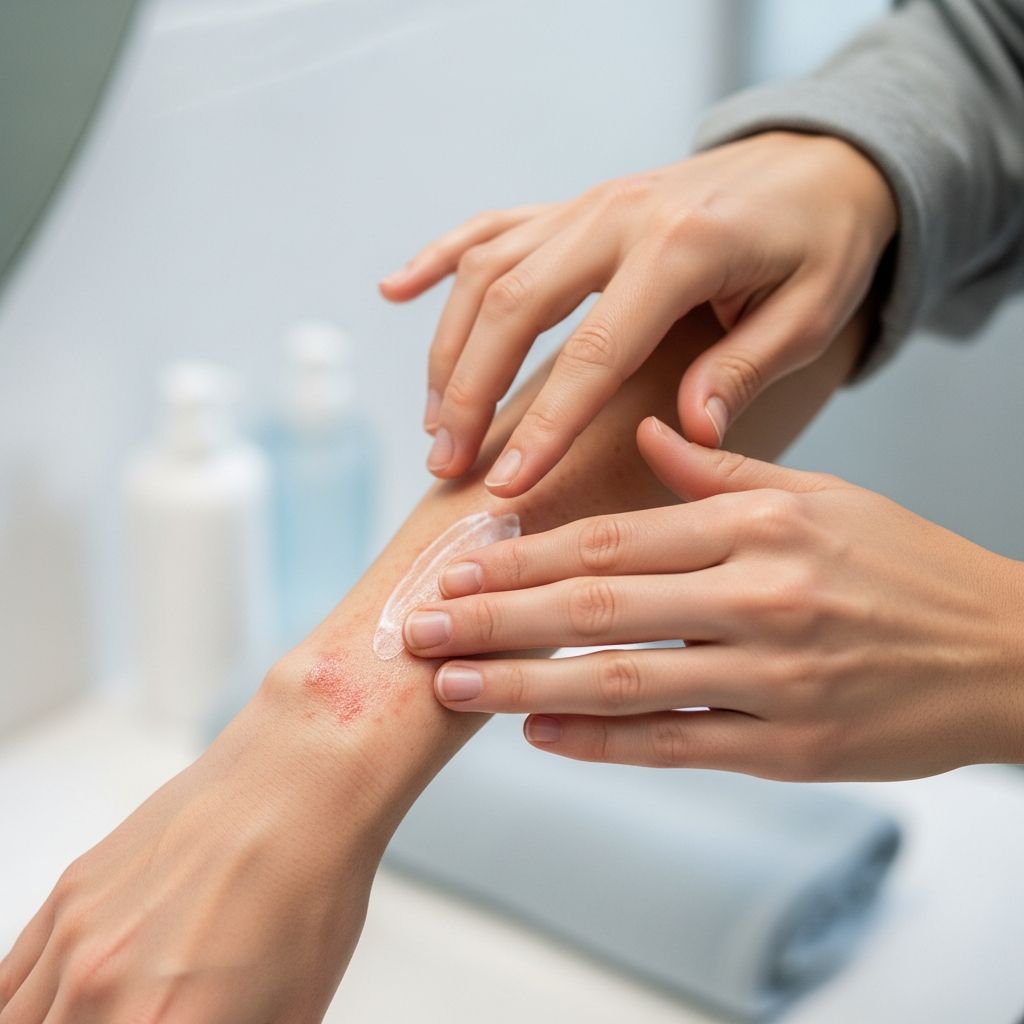
Living with psoriasis presents unique challenges that extend far beyond the physical symptoms visible on the skin. This chronic inflammatory condition affects approximately 3% of the global population, yet many individuals struggle to navigate the emotional, social, and practical aspects of daily life with this unpredictable disease. Understanding how to manage psoriasis effectively requires knowledge about treatment options, trigger identification, and strategies for maintaining overall well-being.
Understanding Your Psoriasis Diagnosis
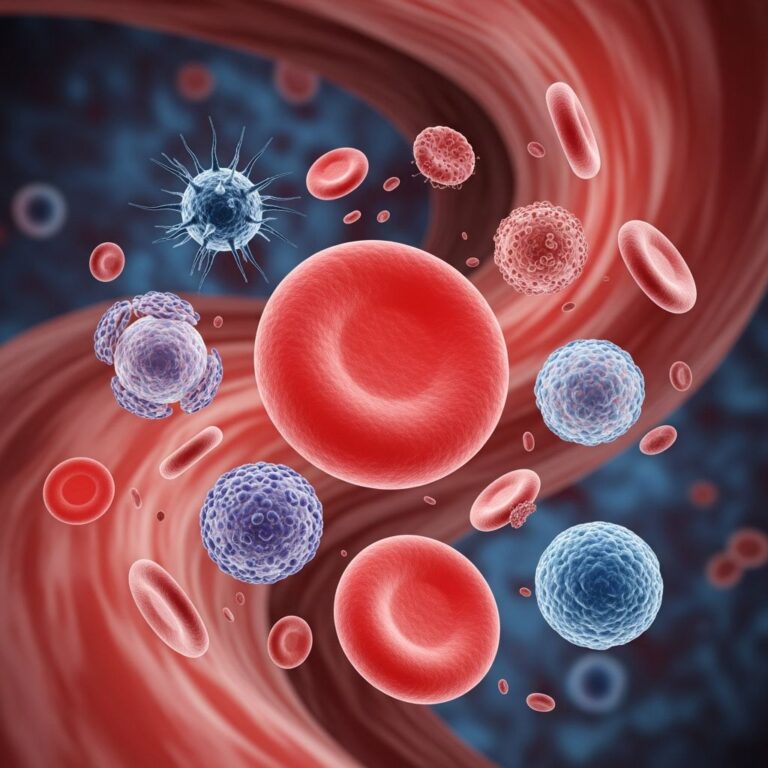
Psoriasis is a chronic immune-mediated inflammatory skin disease characterized by an overactive immune system that mistakenly attacks healthy skin cells. When your immune system functions abnormally, it produces inflammatory molecules called cytokines that signal your skin to produce new cells at an accelerated rate. This rapid cell turnover creates the distinctive red, scaly patches that define the condition.
The disease manifests differently for each person, ranging from mild cases affecting small areas to severe presentations covering significant portions of the body. What distinguishes psoriasis from other skin conditions is its cyclical nature—symptoms may intensify during flare periods lasting weeks or months, followed by remission phases where inflammation subsides.
Recognizing that psoriasis is not merely a cosmetic concern is crucial for developing an effective management strategy. The condition can interfere with sleep, concentration, and physical comfort, making comprehensive treatment approaches essential.
Identifying Your Personal Triggers
While genetics play a significant role in psoriasis development, environmental factors and lifestyle elements often determine when and how severely the disease manifests. Understanding your individual triggers empowers you to minimize flare-ups and maintain better control over symptoms.
Common Environmental Triggers
- Weather patterns: Cold, dry climates create conditions that often exacerbate psoriasis, making winter months particularly challenging for many individuals.
- Infections: Bacterial infections such as strep throat and various skin infections frequently precede or intensify psoriasis flare-ups.
- Skin trauma: Cuts, scrapes, severe sunburns, and insect bites can trigger psoriasis at injury sites, a phenomenon known as the Koebner response.
- Stress and emotional factors: Psychological stress is among the most commonly reported triggers, as emotional tension can amplify immune system overactivity.
- Smoking and alcohol use: Tobacco smoke exposure and heavy alcohol consumption have documented links to increased psoriasis severity and flare frequency.
Medication-Related Triggers
Certain prescription medications can precipitate or worsen psoriasis symptoms. Individuals living with psoriasis should discuss their complete medication profile with their healthcare provider, as some commonly prescribed drugs may inadvertently trigger flare-ups.
- Lithium (used for bipolar disorder)
- Beta-blockers (high blood pressure medications)
- Antimalarial drugs (hydroxychloroquine)
- Oral or injected corticosteroids (particularly during rapid withdrawal)
- Nonsteroidal anti-inflammatory drugs (NSAIDs) in some cases
Treatment Options and Efficacy
Recent advances in psoriasis treatment have dramatically improved outcomes, offering individuals multiple pathways toward symptom control and remission. Your dermatologist can help determine which treatment approach aligns best with your specific situation, considering severity, affected body areas, and overall health status.
Related Stories



Topical Treatments for Localized Areas
Topical therapies serve as first-line treatment for mild to moderate psoriasis, particularly when affecting limited body areas. These localized applications reduce inflammation and control symptoms without systemic effects.
- Vitamin D analogs: Compounds like calcipotriene work to normalize skin cell growth and can be used alone or combined with corticosteroids for enhanced effectiveness.
- Topical corticosteroids: These reduce inflammation and itching, with effectiveness varying based on potency and application method.
- Non-steroidal options: Newer medications including tapinarof and roflumilast offer alternative approaches for patients seeking to avoid steroids.
- Calcineurin inhibitors: Particularly useful for psoriasis affecting sensitive areas like the face and genitals where potent steroids may cause tissue damage.
- Tazarotene: A retinoid medication effective for mild to moderate plaque psoriasis.
Light-Based Therapy
Phototherapy harnesses specific ultraviolet light wavelengths to suppress inflammatory responses in affected skin. This evidence-based treatment works by reducing immune cell activity and slowing skin cell proliferation.
- Narrowband UVB (NB-UVB): The most commonly used phototherapy, administered 2-3 times weekly in clinical settings.
- PUVA therapy: Combines psoralen compounds with UVA radiation, typically reserved for more severe cases.
Phototherapy proves particularly valuable for moderate to severe psoriasis covering extensive body areas and works well as a complement to other treatments.
Oral and Injectable Systemic Treatments
When topical treatments prove insufficient, systemic medications address psoriasis at the immunological level, reducing inflammation throughout the body.
- Methotrexate: An immunosuppressant used since the 1950s, effective for moderate to severe psoriasis, though requiring regular monitoring.
- Cyclosporine: A potent immunosuppressant reserved for severe psoriasis, often used as temporary treatment for rapid symptom control.
- Small molecule inhibitors: Newer oral medications like dimethyl fumarate and apremilast offer targeted immune modulation with oral convenience.
Biologic Therapies: Targeted Immune Intervention
Biologic medications represent breakthrough treatments that specifically target immune molecules driving psoriasis inflammation. These injectable or infusion-based therapies have transformed outcomes for individuals with moderate to severe disease.
- TNF inhibitors: Medications like adalimumab, etanercept, and infliximab block tumor necrosis factor, a key inflammatory mediator.
- IL-23 inhibitors: Guselkumab, risankizumab, and tildrakizumab target interleukin-23, a central driver of immune activation.
- IL-17 inhibitors: Ixekizumab and secukinumab block interleukin-17, effectively reducing inflammation and skin cell proliferation.
- IL-12/23 inhibitors: Ustekinumab provides broad immune modulation for improved symptom control.
Biologic therapies enable many individuals to achieve significant improvement, with treatment success measured by achieving at least 75-90% reduction in disease severity scores.
Building Your Lifestyle Management Plan
Beyond medical treatments, intentional lifestyle modifications significantly impact disease control and overall quality of life with psoriasis.
Stress Reduction Strategies
Since psychological stress frequently triggers or worsens psoriasis, developing consistent stress management practices provides tangible benefits. Consider incorporating mindfulness meditation, yoga, regular physical activity, or counseling into your routine. Even modest stress reduction can minimize flare-up frequency and severity.
Skin Care Practices
- Use gentle, fragrance-free cleansers that avoid harsh soaps disrupting the skin barrier
- Apply moisturizers immediately after bathing while skin remains slightly damp
- Avoid hot water, which can irritate psoriatic skin; use lukewarm temperatures instead
- Minimize scratching, which can trigger new psoriatic lesions through the Koebner phenomenon
- Protect skin from injury through careful nail care and appropriate protective clothing
Climate and Environmental Adjustments
Cold, dry weather exacerbates psoriasis for many individuals. During winter months, increase humidifier use, apply additional moisturizers, and consider wearing protective clothing to shield skin from harsh conditions. Conversely, moderate sun exposure during warmer months may provide beneficial effects for some people, though excessive sun exposure risks severe burns.
Nutritional Considerations
While no specific diet cures psoriasis, certain dietary patterns support overall immune health and may reduce inflammation. Emphasizing omega-3 rich foods, antioxidant fruits and vegetables, and maintaining healthy body weight creates conditions for better disease management.
Addressing the Emotional Impact
The psychological toll of living with visible psoriasis cannot be overstated. Many individuals experience anxiety, depression, and social withdrawal due to appearance concerns and disease-related discomfort.
Seeking support through dermatology-affiliated counseling, support groups, or mental health professionals specifically trained in chronic illness management proves invaluable. Connecting with others navigating similar challenges reduces isolation and provides practical coping strategies. Recognizing that emotional well-being directly influences physical health outcomes underscores the importance of comprehensive care addressing psychological needs alongside medical treatment.
Frequently Asked Questions
- How quickly do psoriasis treatments work?
- Response times vary significantly by treatment type. Topical treatments may show improvement within days to weeks, while systemic medications and biologics often require 4-12 weeks for maximum benefit.
- Can psoriasis be cured?
- Currently, no cure exists for psoriasis. However, modern treatments enable many individuals to achieve remission or near-complete symptom control, dramatically improving quality of life.
- Is psoriasis contagious?
- No, psoriasis is not contagious. It results from immune dysfunction and genetic predisposition, not infectious agents.
- Will my children inherit psoriasis?
- Genetic factors increase risk, but inheritance is not guaranteed. Having a parent with psoriasis increases probability but does not ensure transmission.
- What should I do during a severe flare?
- Contact your dermatologist promptly for treatment adjustment. Severe flares may require intensive topical therapy, light treatment intensification, or systemic medication initiation to regain control.
Moving Forward with Confidence
Living successfully with psoriasis requires integrating medical treatment, lifestyle management, and emotional support into a coherent personal strategy. While the condition presents ongoing challenges, substantial progress in understanding psoriasis pathophysiology has yielded increasingly effective treatment options. Many individuals now achieve remarkable disease control, with minimal visible symptoms or activity.
Your journey with psoriasis will likely evolve over time. Treatment approaches that work today may require adjustment in the future as your body responds and disease patterns shift. Maintaining open communication with your healthcare team, staying informed about emerging treatments, and prioritizing both physical and mental health creates the foundation for optimal outcomes. With appropriate management and realistic expectations, psoriasis can be controlled effectively, enabling individuals to pursue their goals and maintain quality of life.
References
- Psoriasis — Yale Medicine. Accessed 2026. https://www.yalemedicine.org/conditions/psoriasis
- Psoriasis: a brief overview — National Center for Biotechnology Information (NCBI/PMC). 2021. https://pmc.ncbi.nlm.nih.gov/articles/PMC8140694/
- Psoriasis: Causes — American Academy of Dermatology. Accessed 2026. https://www.aad.org/public/diseases/psoriasis/what/causes
- Psoriasis – Symptoms and causes — Mayo Clinic. Accessed 2026. https://www.mayoclinic.org/diseases-conditions/psoriasis/symptoms-causes/syc-20355840
- Psoriasis: What It Is, Symptoms, Causes, Types & Treatment — Cleveland Clinic. Accessed 2026. https://my.clevelandclinic.org/health/diseases/6866-psoriasis
- Psoriasis — Healthdirect Australia. Accessed 2026. https://www.healthdirect.gov.au/psoriasis
- Psoriasis Symptoms, Causes, & Risk Factors — National Institute of Arthritis and Musculoskeletal and Skin Diseases (NIAMS). Accessed 2026. https://www.niams.nih.gov/health-topics/psoriasis
Similar Articles








Read full bio of Sneha Tete