Managing Dry Eye: Effective Strategies and Treatment Options
Discover practical solutions to relieve dry eye discomfort and restore ocular health.
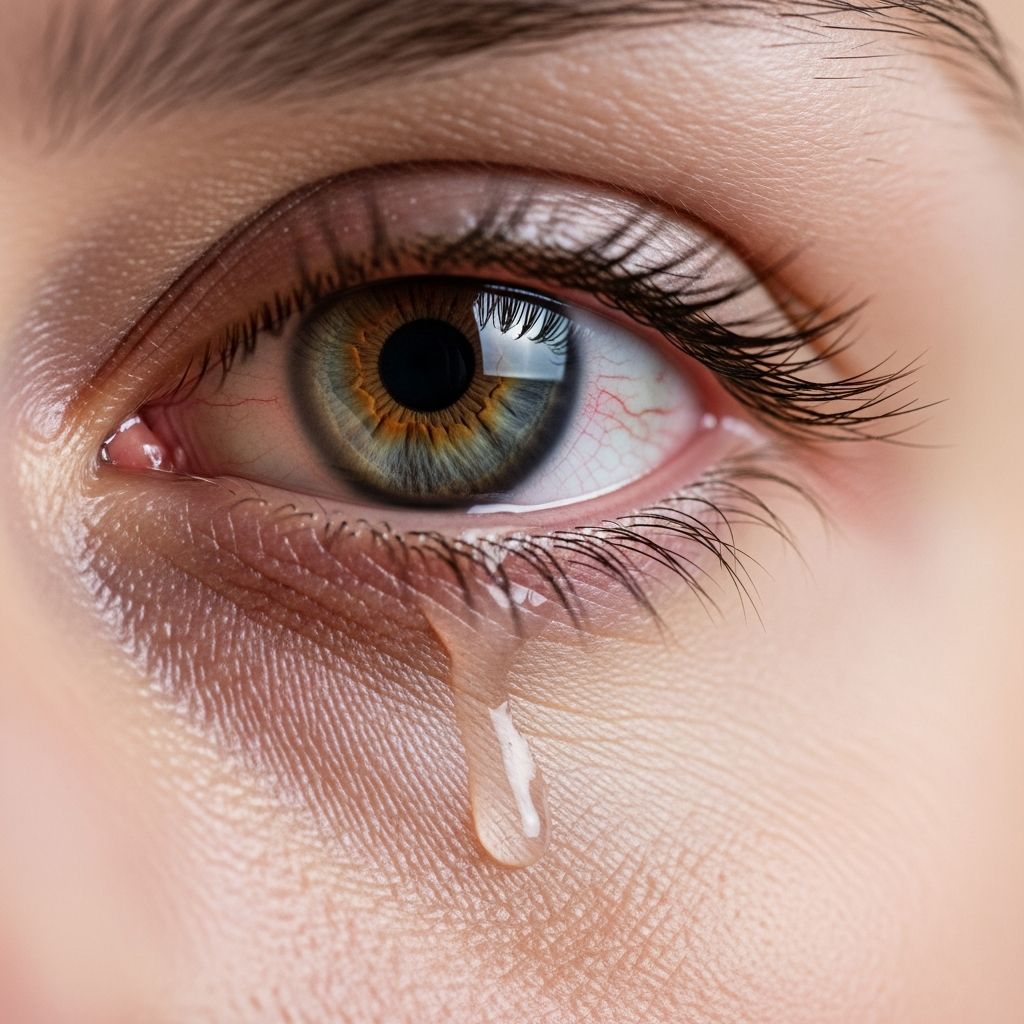
Dry eye syndrome represents one of the most prevalent ocular conditions affecting millions of individuals worldwide. This uncomfortable condition emerges when the eye’s protective tear film fails to maintain adequate moisture, resulting in irritation, redness, and vision disturbances. Understanding the mechanisms behind this disorder and implementing targeted interventions can significantly improve quality of life and prevent long-term complications.
Understanding Tear Film Composition and Function
The health of your eyes depends fundamentally on a sophisticated three-layer tear film system. This protective barrier consists of an outer lipid (oil) layer, a middle aqueous (water) layer, and an inner mucus layer. Each component plays a distinct role in maintaining ocular surface integrity and clarity. The lipid layer prevents rapid tear evaporation by creating a hydrophobic barrier. The aqueous layer supplies essential nutrients and oxygen to the cornea while maintaining hydration. The mucus layer facilitates tear adhesion to the ocular surface, ensuring comprehensive coverage. When any of these layers becomes compromised, the entire tear film destabilizes, leading to the symptoms and complications characteristic of dry eye disease.
Primary Causes of Tear Film Dysfunction
Dry eye develops through multiple pathways, each requiring distinct diagnostic and therapeutic approaches. Identifying the underlying cause is essential for implementing effective long-term management strategies.
Age-Related Changes and Hormonal Influences
Advancing age naturally reduces tear production capacity, as glandular function diminishes over time. Hormonal fluctuations during menopause, pregnancy, and hormonal contraceptive use can substantially impact tear secretion and composition. These hormonal shifts affect both the quantity and quality of tear production, frequently resulting in chronic dry eye symptoms in affected individuals.
Environmental and Behavioral Contributors
Modern lifestyles significantly increase dry eye risk through multiple mechanisms. Extended screen exposure reduces blink frequency, decreasing the natural tear distribution that occurs during normal blinking. Environmental factors including low humidity environments, air conditioning, heating systems, wind exposure, and smoke accelerate tear evaporation. Individuals who concentrate intensely during activities like reading, driving, or computer work unconsciously blink less frequently, compounding the evaporative water loss from the ocular surface.
Medical Conditions and Medications
Systemic diseases profoundly influence tear production and quality. Sjögren’s syndrome, rheumatoid arthritis, lupus, scleroderma, thyroid disorders, and vitamin A deficiency all contribute to dry eye development through various immunological and metabolic mechanisms. Additionally, numerous medications commonly prescribed for other conditions inadvertently reduce tear production. Antihistamines, decongestants, antidepressants, blood pressure medications, acne treatments, and hormone replacement therapies all possess tear-reducing properties as documented side effects.
Structural and Glandular Dysfunction
Meibomian gland dysfunction represents the most common cause of evaporative dry eye, occurring in over 85% of dry eye cases. These specialized glands produce the lipid layer essential for tear film stability. When blocked or inflamed, they fail to deliver adequate oil, allowing tears to evaporate excessively. Eyelid structural abnormalities such as ectropion (lids turning outward) and entropion (lids turning inward) also impair tear distribution and retention.
Recognizing Dry Eye Symptoms and Severity
Dry eye manifestations vary considerably in intensity and character, ranging from mild discomfort to vision-threatening complications.
Common Symptomatic Presentations
The classic dry eye experience includes a persistent gritty sensation, as if particles are lodged within the eye. Redness and visible inflammation frequently accompany this grittiness due to ocular surface irritation. Heightened light sensitivity, medically termed photophobia, often develops as corneal exposure increases. Vision fluctuations and transient blurriness result from tear film instability disrupting light refraction. Itching, burning, and stinging sensations reflect the inflammatory response triggered by inadequate lubrication.
Related Stories



Paradoxical Excessive Tearing
Counterintuitively, some dry eye sufferers experience excessive tearing. This paradoxical response occurs when ocular irritation triggers a reflex tear production attempt that exceeds normal baseline secretion. However, these reflex tears typically possess different composition than basal tears, containing higher water content and lower lipid concentration, making them ineffective at maintaining adequate lubrication.
Diagnostic Classification and Assessment
Modern dry eye management requires precise categorization of the underlying dysfunction type, as treatment approaches differ substantially based on the primary cause.
Aqueous Deficiency Dry Eye
This classification applies when tear glands produce insufficient aqueous fluid to maintain adequate eye moisture. Systemic conditions, medications, and age-related glandular decline commonly produce this pattern. Diagnosis typically involves measuring tear production through standardized testing methods.
Evaporative Dry Eye
Evaporative patterns emerge when tear production remains adequate, but tears escape the ocular surface prematurely due to lipid layer deficiency. Meibomian gland dysfunction predominates as the causative mechanism in most evaporative cases, though reduced blinking and environmental factors contribute substantially.
Mixed Dry Eye Presentations
Many individuals experience simultaneous deficiencies in tear production and excessive evaporation, creating a more complex therapeutic challenge requiring combination approaches.
Practical Lifestyle Modifications for Symptom Relief
Implementing environmental and behavioral adjustments often provides substantial symptom improvement without pharmaceutical intervention.
Screen Time Management Strategies
Consciously increasing blink frequency during digital device use helps restore natural tear distribution. The 20-20-20 rule—shifting focus to distant objects for 20 seconds every 20 minutes of screen exposure—reduces accommodation strain and encourages blinking. Positioning screens slightly below eye level reduces exposure of the ocular surface during viewing.
Environmental Optimization
Maintaining adequate indoor humidity levels through humidifier use counteracts dry air that accelerates tear evaporation. Protecting eyes from wind and environmental irritants with protective eyewear reduces irritant exposure. Avoiding direct air conditioning and heating vent exposure similarly minimizes evaporative stress on the tear film.
Hydration and Nutritional Support
Adequate systemic hydration supports lacrimal gland function and tear composition optimization. Increasing omega-3 fatty acid intake through dietary sources or supplementation improves meibomian gland lipid secretion quality. These nutritional interventions address underlying biochemical contributors to tear film dysfunction.
Eyelid Hygiene Practices
Regular warm compress application for 10-15 minutes helps liquefy and mobilize meibomian gland secretions, improving lipid layer delivery. Gentle eyelid margin cleansing removes inflammatory debris and bacterial overgrowth that impair gland function. These simple mechanical interventions often provide dramatic symptom improvement, particularly for individuals with meibomian gland dysfunction.
Medical Treatment Approaches
When lifestyle modifications prove insufficient, various pharmaceutical and procedural interventions address tear film dysfunction through different mechanisms.
Artificial Tear Supplementation
Over-the-counter artificial tear products represent the first-line medical treatment for mild to moderate dry eye. These lubricating eye drops supplement natural tear production, providing temporary relief through improved ocular surface moisture. Preservative-free formulations are preferable for frequent use, as preservative agents can paradoxically exacerbate ocular surface irritation with chronic exposure.
Anti-Inflammatory Prescription Medications
For moderate to severe cases unresponsive to artificial tears, prescription anti-inflammatory eye drops address the inflammatory cascade perpetuating dry eye symptoms. Cyclosporine and lifitegrast specifically target immune-mediated inflammation while simultaneously increasing tear production. Corticosteroid eye drops provide rapid anti-inflammatory benefits but require careful monitoring, as prolonged use risks serious complications and should be reserved for acute flares rather than chronic maintenance therapy.
Tear Production Enhancement
Varenicline nasal spray represents a newer pharmacological approach that stimulates tear production through parasympathomimetic mechanisms, administered twice daily for systemic tear augmentation.
Advanced Procedures for Severe Cases
Punctal plugs mechanically obstruct tear drainage pathways, allowing tears to remain on the ocular surface longer and reducing evaporative losses. Thermal pulsation devices warm and massage meibomian glands, clearing obstructions and restoring lipid secretion. Intense pulsed light therapy reduces eyelid inflammation and unblocks oil glands through light energy application, requiring quarterly treatments for sustained benefit.
Specialized Biologics
For severe refractory cases, autologous blood serum drops containing natural growth factors and immunological components may be formulated from patients’ own blood samples, supporting corneal healing and surface regeneration. Plasma-rich growth factor preparations similarly harness regenerative properties to stimulate tissue repair.
Treatment Selection Based on Underlying Cause
| Dry Eye Type | Primary Cause | Recommended Treatments |
|---|---|---|
| Aqueous Deficient | Inadequate tear production | Artificial tears, cyclosporine, lifitegrast, tear-stimulating nasal spray, punctal plugs |
| Evaporative | Meibomian gland dysfunction, reduced blinking | Warm compresses, lid hygiene, thermal pulsation, IPL therapy, artificial tears |
| Mixed Type | Combined production and evaporation deficits | Combination approach: artificial tears, anti-inflammatory drops, warm compresses, environmental modification |
Frequently Asked Questions About Dry Eye Management
How quickly do dry eye treatments produce noticeable improvement?
Artificial tears provide immediate temporary relief lasting 1-3 hours. Lifestyle modifications typically show meaningful improvement within 1-2 weeks of consistent implementation. Prescription medications and advanced procedures require 4-12 weeks for optimal therapeutic effects as inflammation resolves and tear film stabilizes.
Can dry eye develop suddenly or does it progress gradually?
Dry eye can manifest acutely following environmental exposure, medication initiation, or ocular procedures, but chronic dry eye typically develops insidiously over months or years. Recognizing early symptoms allows intervention before significant ocular surface damage occurs.
Is dry eye permanent or manageable?
While dry eye can become chronic, it remains highly manageable through appropriate treatment combinations. Most individuals achieve substantial symptom relief through tailored interventions addressing their specific underlying dysfunction type.
Should I avoid all eye drops if I have dry eye?
Preservative-containing eye drops may exacerbate symptoms with frequent use, but preservative-free artificial tears are safe and beneficial. Prescription medicated drops should only be used as directed by eye care professionals, as inappropriate use risks complications.
Can dietary changes meaningfully impact dry eye?
Yes, omega-3 fatty acid supplementation improves meibomian gland function and tear film quality in many individuals. Adequate systemic hydration supports lacrimal gland secretion, making nutritional optimization a worthwhile component of comprehensive management.
Prevention Strategies for Long-Term Ocular Health
Implementing preventive measures before dry eye develops or progresses reduces future treatment complexity. Maintaining consistent blink patterns, limiting concentrated screen exposure, optimizing environmental humidity, protecting eyes from wind and environmental irritants, and addressing medications contributing to tear dysfunction all support long-term tear film stability. Regular eye examinations allow early detection of developing dysfunction before significant symptoms emerge.
When Professional Intervention Becomes Necessary
Consulting an eye care professional is warranted when dry eye symptoms persist despite lifestyle modifications, interfere with daily activities or quality of life, or involve vision changes. Persistent symptoms lasting beyond two weeks warrant professional evaluation to prevent irreversible ocular surface damage. Early diagnosis and treatment are essential to maintain optimal eye health and prevent long-term vision complications.
References
- Dry eyes – Symptoms & causes — Mayo Clinic. 2024. https://www.mayoclinic.org/diseases-conditions/dry-eyes/symptoms-causes/syc-20371863
- Understanding Dry Eye Syndrome: Causes, Symptoms, and Treatments — Hoffman Eyecare. 2024. https://www.hoffmaneye.com/blog/understanding-dry-eye-syndrome-causes-symptoms-and-treatments.html
- Dry Eye Treatment Options — Bascom Palmer Eye Institute, University of Miami Health. 2024. https://umiamihealth.org/en/bascom-palmer-eye-institute/specialties/corneal-and-external-diseases/dry-eye
- Dry Eye Is on the Rise: Here’s How to Get Relief — Yale Medicine. 2024. https://www.yalemedicine.org/news/dry-eye-relief
- Dry eye disease: when to treat and when to refer — PubMed Central / National Institutes of Health. 2018. https://pmc.ncbi.nlm.nih.gov/articles/PMC6202299/
- Dry Eyes: Types, Symptoms, Causes & Treatment — Cleveland Clinic. 2024. https://my.clevelandclinic.org/health/diseases/24479-dry-eye
- Dry Eye Treatment and Management — UCI Gavin Herbert Eye Institute. 2024. https://ophthalmology.uci.edu/patient-care/specialties/dry-eye
Similar Articles








Read full bio of medha deb