Managing Dyshidrotic Eczema: Practical Strategies
Evidence-based approaches to control blisters and minimize flare-ups.
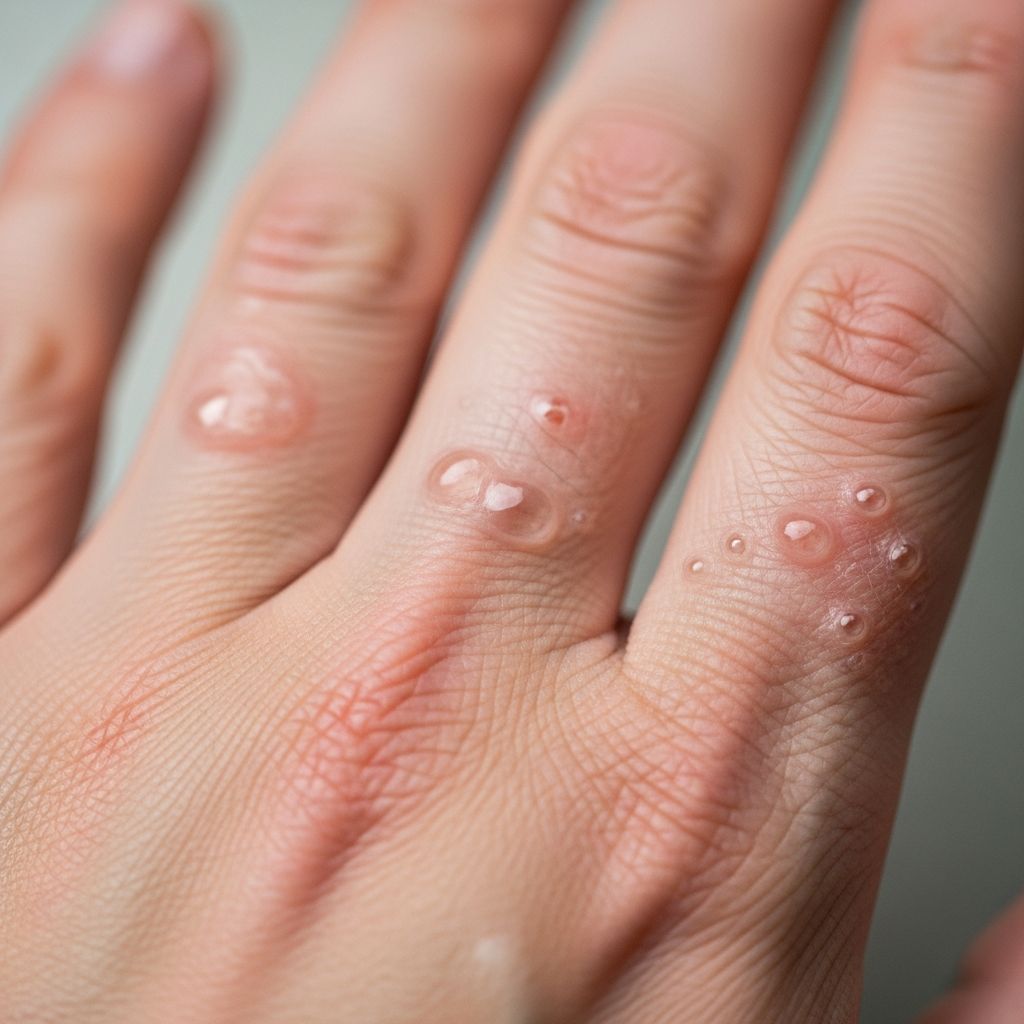
Dyshidrotic eczema, also known as pompholyx, represents a particularly challenging form of eczema characterized by the development of small, fluid-filled blisters on the hands and feet. Unlike many other eczema variants, this condition creates visible symptoms in areas that are frequently exposed during social and professional interactions, potentially affecting both physical comfort and emotional well-being. Understanding how to effectively manage this chronic condition involves a multi-faceted approach that combines medical interventions with lifestyle adjustments and trigger identification.
Understanding the Condition and Its Impact
Dyshidrotic eczema manifests as painful, deep blisters called vesicles that typically appear on the palms of the hands, sides of the fingers, and sometimes the soles of the feet. The condition is more prevalent in women and individuals between ages 20 and 40, though it can affect people of any age. What distinguishes this form of eczema from others is its tendency to run in families and its association with individuals who already have other types of eczema.
The symptoms extend beyond the initial blister formation. As the condition progresses, affected individuals may experience intense itching or burning sensations, sometimes preceding the visible blisters. When blisters heal, the skin becomes increasingly dry, peeling and forming painful cracks or fissures that can last several weeks. The location of these symptoms—on hands and feet—means that simple daily activities such as typing, writing, or walking can become uncomfortable, and social concerns about appearance may arise during handshakes or when barefoot.
The psychological impact of visible skin symptoms should not be underestimated. Repeated flare-ups can contribute to stress and anxiety, which paradoxically serves as a trigger for worsening symptoms, creating a challenging cycle that requires comprehensive management.
Identifying and Managing Triggers
One of the most effective management strategies involves recognizing and avoiding personal triggers. While the exact cause of dyshidrotic eczema remains not fully understood, multiple trigger factors have been identified through clinical observation and research.
Environmental and Physical Triggers
Moisture and sweating play significant roles in triggering flare-ups. Individuals with persistently sweaty palms and feet are particularly susceptible to symptom development. Warm, humid weather intensifies these triggers, which explains why many patients notice seasonal patterns in their symptoms, with flare-ups occurring more frequently during summer months. Seasonal allergies, including hay fever, can also precipitate or worsen symptoms, suggesting an immune system component to the condition.
Contact and Chemical Triggers
Contact with certain metals, particularly nickel and cobalt, represents a well-documented trigger for many individuals. People who work with metal objects, jewelry, or certain tools should be aware of this potential connection. Additionally, some medications including aspirin, intravenous immunoglobulin, and birth control pills have been associated with dyshidrotic eczema development in susceptible individuals.
Stress and Lifestyle Factors
Psychological stress consistently appears in clinical literature as an aggravating factor. Smoking tobacco also features among identified triggers. Food allergies may contribute to flare-ups in some individuals, though the relationship varies considerably from person to person. Fungal infections, such as athlete’s foot, can either trigger or complicate existing dyshidrotic eczema.
Related Stories



Effective management requires maintaining a symptom diary to identify personal trigger patterns. What causes flare-ups in one individual may not affect another, making personalized trigger identification essential for long-term control.
Medical Treatment Options and Pharmaceutical Approaches
First-Line Topical Therapies
The local application of corticosteroid creams or ointments represents the primary medical treatment for dyshidrotic eczema. These medications effectively reduce inflammation and help clear blisters. To enhance absorption and effectiveness, dermatologists often recommend covering the treated area with plastic wrap or a moist bandage, creating an occlusive environment that allows the skin to absorb the medication more efficiently. Most cases improve relatively quickly with a short course of topical corticosteroids combined with soaking or cool compress applications several times daily to help dry out the blisters.
However, healthcare providers must balance the effectiveness of long-term steroid use against potential side effects, including spider veins and skin thinning. This consideration becomes particularly important for individuals with chronic, recurring symptoms requiring extended treatment.
Advanced Prescription Options
For individuals who experience frequent or severe flare-ups, or those concerned about long-term steroid exposure, alternative treatments become relevant. Topical calcineurin inhibitors, such as tacrolimus (Protopic), offer an immunosuppressive approach that reduces the overactive immune response without the side effect profile of steroids. These medications provide an important option for limiting steroid exposure while maintaining symptom control.
When dyshidrotic eczema proves resistant to topical treatments, dermatologists may prescribe oral corticosteroids in a brief course to bridge toward other treatments, or in the most severe cases, immunosuppressant medications for persistent disease. These systemic approaches address the condition from an internal immune regulation perspective.
Phototherapy and Light-Based Treatments
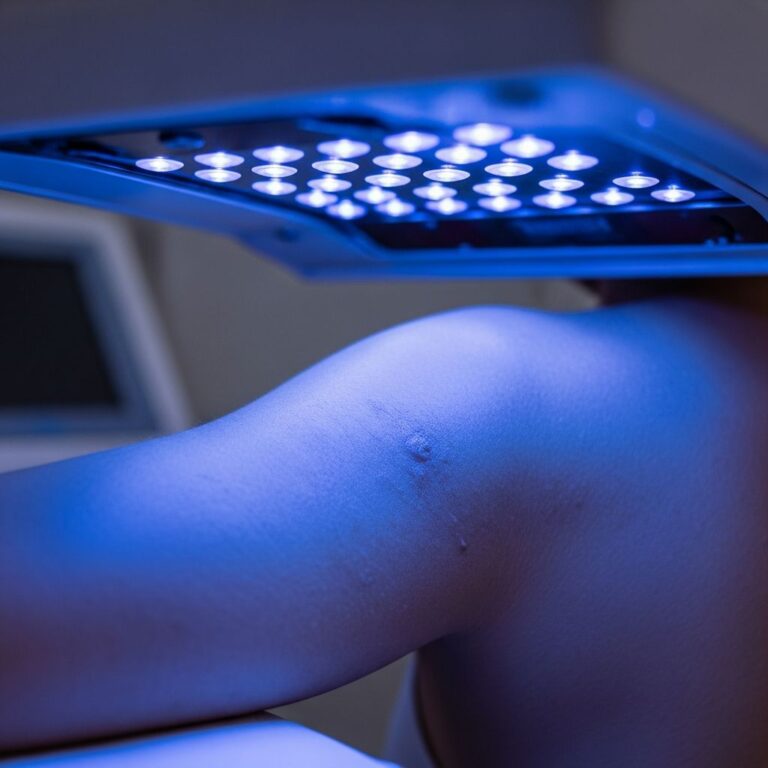
Light therapy using narrowband UVB (ultraviolet B) radiation represents an effective option when other treatments prove insufficient or when patients experience frequent flare-ups. This evidence-based approach helps heal the skin by modulating immune responses. However, phototherapy should not be combined with certain other treatments, requiring careful coordination with healthcare providers.
Specialized Interventions for Specific Situations
When dyshidrotic eczema presents alongside fungal infection, dermatologists prescribe appropriate antifungal medications to address the secondary complication. In severe cases where sweating drives symptom development, treatments for excessive sweating—including topical antiperspirants or botulinum toxin injections—may be considered to reduce the moisture that triggers symptoms. Oral antihistamine medications can address severe itching that interferes with daily function or sleep.
Daily Skin Care and Hygiene Practices
Beyond pharmaceutical interventions, meticulous daily skin care forms a cornerstone of effective management. The approach differs from general skin care recommendations in several important ways.
Water Temperature and Cleansing
Water temperature significantly impacts symptom severity. Lukewarm water should be used for handwashing and bathing rather than hot water, which can exacerbate irritation and trigger flare-ups. The duration of water exposure also matters; extended soaking, while sometimes recommended therapeutically with cool compresses containing medication, should otherwise be minimized to prevent excessive moisture absorption into the skin.
Moisturization Strategies
Daily moisturizing lotion or cream application is essential, particularly as blisters heal and the skin becomes increasingly dry. The goal involves maintaining skin barrier integrity to prevent the development of painful cracks and reduce infection risk. Moisturizers should be applied to clean, slightly damp skin to maximize absorption and efficacy.
Barrier Protection
During flare-ups or when exposure to known triggers cannot be avoided, protective measures become important. Wearing gloves during water exposure, metal contact, or when hands will be exposed to irritants provides a physical barrier. However, gloves themselves can trap moisture, requiring attention to when and how they are worn.
Holistic and Supportive Management Strategies
Stress Management and Mental Health
Since stress functions as both a trigger and a potential consequence of visible skin symptoms, comprehensive management must address psychological well-being. Stress reduction techniques, counseling, or therapy may benefit individuals whose symptoms are significantly stress-triggered. The connection between emotional and physical health in dyshidrotic eczema is bidirectional: managing stress reduces flare-ups, while effective symptom control reduces stress.
Nutritional Considerations
While not universally applicable, some individuals find that identifying and avoiding food allergens helps reduce symptom frequency. Working with a healthcare provider to determine whether food allergies contribute to personal flare-up patterns can refine overall management strategies.
Environmental Modifications
Awareness of seasonal patterns allows for proactive management adjustments. Individuals who experience summer flare-ups related to heat and humidity may benefit from increased vigilance regarding moisture control and trigger avoidance during warmer months. Similarly, seasonal allergy management becomes relevant for those with documented connections between hay fever and eczema flare-ups.
When to Seek Professional Guidance
While many cases of dyshidrotic eczema respond well to self-care and over-the-counter interventions, professional dermatological assessment proves invaluable for proper diagnosis and treatment planning. Healthcare providers can identify whether secondary infections have developed, determine whether alternative diagnoses should be considered, and prescribe appropriate treatments based on symptom severity and individual circumstances.
Repeated or severe flare-ups that interfere with daily function, signs of skin infection, or symptoms that fail to improve with standard treatments warrant professional evaluation. Additionally, individuals experiencing significant emotional distress related to their skin condition should discuss mental health support options with their healthcare provider.
Living With Dyshidrotic Eczema: Key Takeaways
Dyshidrotic eczema represents a manageable condition despite lacking a permanent cure. Effective control requires a personalized approach that combines medical treatments, trigger identification, daily skin care practices, and lifestyle modifications. The condition affects each person differently, with symptom patterns and trigger responses varying considerably among individuals. What proves effective for one person may not work for another, emphasizing the importance of working closely with healthcare providers to develop an individualized management plan.
Symptom flare-ups typically last three to four weeks before clearing, though the frequency and severity of recurrence vary widely. By implementing comprehensive management strategies, individuals with dyshidrotic eczema can significantly reduce symptom burden, minimize flare-up frequency, and maintain quality of life despite living with this chronic condition.
Frequently Asked Questions
How long do dyshidrotic eczema blisters typically last?
Most blisters last for a few weeks. The entire symptom cycle, from initial blister formation through healing and skin peeling, typically spans approximately three to four weeks before symptoms clear, though this varies among individuals.
Is dyshidrotic eczema contagious?
No, dyshidrotic eczema is not contagious. It is a non-infectious skin condition resulting from overactive immune response rather than infection.
Can dyshidrotic eczema be permanently cured?
Currently, there is no cure for dyshidrotic eczema, but effective treatments can manage symptoms and reduce flare-up frequency substantially.
What is the difference between corticosteroid creams and calcineurin inhibitors?
Both reduce inflammation, but through different mechanisms. Corticosteroids work via anti-inflammatory pathways, while calcineurin inhibitors function as immunosuppressive agents. Calcineurin inhibitors offer an alternative for individuals concerned about long-term steroid side effects.
Does weather affect dyshidrotic eczema symptoms?
Yes, warm, humid weather often triggers or worsens symptoms in many individuals. Seasonal allergies during spring months can also precipitate flare-ups.
References
- Dyshidrotic Eczema: Causes, Symptoms, Treatment — Mount Sinai Health System. https://www.mountsinai.org/care/dermatology/services/eczema/dyshidrotic
- Dyshidrosis: Diagnosis and Treatment — Mayo Clinic. https://www.mayoclinic.org/diseases-conditions/dyshidrosis/diagnosis-treatment/drc-20352348
- Dyshidrosis: Symptoms and Treatments — Pierre Fabre Eczema Foundation. https://www.pierrefabreeczemafoundation.org/en/everything-you-need-know-about-dyshidrosis
- Dyshidrotic Eczema: Symptoms, Causes, Treatment — National Eczema Association. https://nationaleczema.org/types-of-eczema/dyshidrotic-eczema/
- Dyshidrotic Eczema (Dyshidrosis): Causes, Treatment, Location — Cleveland Clinic. https://my.clevelandclinic.org/health/diseases/17728-dyshidrotic-eczema
- Dyshidrotic Eczema: Symptoms, Causes & Treatment — BIODERMA US. https://www.bioderma.us/en/expert-advice/normal-dry-to-atopic-skin/dyshidrotic-eczema.html
- Pompholyx — National Health Service (NHS). https://www.nhs.uk/conditions/pompholyx/
Similar Articles








Read full bio of medha deb