Eczema: Treatment Guide In 2026 For Patients And Clinicians
Explore the latest evidence-based strategies for controlling atopic dermatitis symptoms across all severity levels with topical, systemic, and supportive therapies.
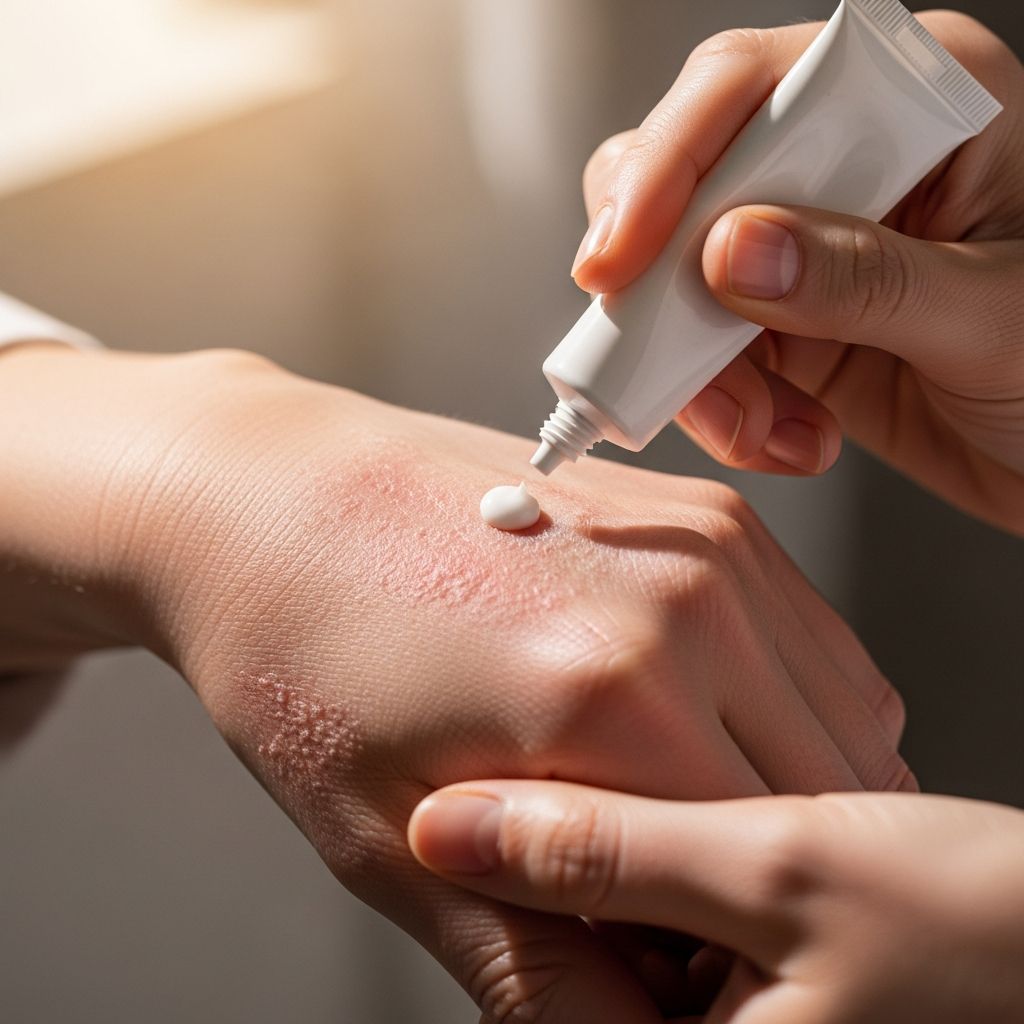
Atopic dermatitis, commonly known as eczema, affects millions worldwide, causing itchy, inflamed skin that disrupts daily life. Recent guidelines from authoritative bodies emphasize a stepwise approach to treatment, starting with basic skin care and escalating to advanced therapies as needed. This guide synthesizes recommendations to help patients and clinicians achieve long-term control.
Understanding Eczema Severity and Initial Steps
Eczema manifests in mild, moderate, and severe forms, influencing treatment choices. Mild cases involve limited itch and redness, while severe ones feature widespread lesions, sleep loss, and infection risks. All patients should begin with consistent skin hydration to repair the barrier function impaired in eczema.
- Apply fragrance-free moisturizers at least twice daily, especially after bathing.
- Choose ointments or thick creams over lotions for better occlusion.
- Incorporate ceramide-based products to mimic natural skin lipids.
Studies show moisturizers alone reduce severity slightly, but they form the foundation for all therapies.
Core Topical Anti-Inflammatory Options
When hydration fails to control flares, anti-inflammatory topicals are essential. Guidelines prioritize safety and efficacy in sensitive areas like the face and folds.
| Treatment Type | Strength of Recommendation | Best For | Key Considerations |
|---|---|---|---|
| Topical Corticosteroids (TCS) | Strong | All severities, body and limbs | Match potency to site/severity; use lowest effective dose |
| Topical Calcineurin Inhibitors (TCI) | Strong | Face, folds, children >3 months | Safe long-term; no skin thinning risk |
| PDE4 Inhibitors (e.g., crisaborole) | Conditional | Mild-moderate | Non-steroidal option for maintenance |
| Topical JAK Inhibitors | Conditional/Varies | Refractory cases | Guideline differences; monitor for side effects |
Proactive maintenance—applying low-potency TCS or TCI 1-2 times weekly to previously affected areas—prevents relapses in recurrent cases.
Bathing and Infection Prevention Strategies
Daily bathing cleanses irritants but must avoid drying the skin. Limit to 5-10 minutes with lukewarm water, followed by immediate moisturizing.
- Use gentle, soap-free cleansers.
- Pat dry; do not rub.
For moderate-severe eczema with frequent infections, dilute bleach baths (0.005% sodium hypochlorite, half-cup in full tub) 2-3 times weekly reduce bacteria without harming the skin barrier. Avoid in mild cases.
Wet wrap therapy enhances topicals: apply medication, then damp gauze and dry layer overnight for severe flares.
Diet, Allergens, and Non-Drug Approaches
Elimination diets are not routinely advised unless food allergies are confirmed via testing, as broad restrictions risk malnutrition.
Allergen immunotherapy may benefit moderate-severe patients with proven aeroallergen sensitivity, improving skin scores over time.
UV phototherapy, particularly narrowband UVB, serves as a bridge for widespread disease unresponsive to topicals.
Escalating to Systemic Therapies
For persistent moderate-severe eczema, systemic options target inflammation systemically. Rule out mimics like lymphoma first.
Conventional Immunosuppressants
- Cyclosporine: Strong recommendation for rapid control; start high dose, monitor blood pressure/kidneys. Effective in children.
- Methotrexate (MTX): Suggested for adults/children; folic acid mitigates side effects like nausea.
- Azathioprine (AZA): For systemic candidates; watch for liver/myelotoxicity.
Related Stories



Avoid routine systemic corticosteroids due to rebound flares; reserve for short-term crises.
Advanced Biologics and JAK Inhibitors
Biologics revolutionized care: dupilumab (from 6 months), tralokinumab (12+ years), and lebrikizumab offer targeted IL-4/13 blockade with strong endorsements.
JAK inhibitors—abrocitinib (12+), baricitinib (2+), upadacitinib—provide oral convenience for refractory cases.
| Agent | Age Approval | Route | Guideline Strength |
|---|---|---|---|
| Dupilumab | 6 months+ | Injectable | Strong |
| Lebrikizumab | Adults (expanding) | Injectable | Recommended |
| Abrocitinib | 12+ years | Oral | Strong |
Tailoring Treatments for Special Populations
Pregnancy and Breastfeeding
Pregnant women: Prefer mid-potency TCS (class II/III), TCI on sensitive sites, NB-UVB if needed. Cyclosporine or short prednisone for systemic needs; avoid JAK inhibitors/MTX.
Breastfeeding: TCS II/III and short prednisone; against most systemics except limited cases.
No firm stance yet on newer biologics like dupilumab in pregnancy due to limited data.
Pediatric Considerations
Children respond well to topicals and bleach baths. Expanded approvals for baricitinib (2+) and biologics lower treatment barriers. Emphasize family education for adherence.
Lifestyle Integration for Lasting Relief
Beyond meds, avoid triggers: harsh fabrics, extreme temperatures, stress. Track flares with apps to identify patterns.
Multidisciplinary care—involving allergists, dermatologists, psychologists—optimizes outcomes.
Frequently Asked Questions (FAQs)
What is the first step in eczema treatment?
Daily moisturizing with thick emollients to restore the skin barrier.
Are steroid creams safe for long-term use?
Yes, when used appropriately—low potency intermittently prevents side effects like thinning.
When should I consider biologic injections?
For moderate-severe eczema uncontrolled by topicals/systemics, per guidelines.
Do bleach baths help everyone with eczema?
Beneficial add-on for moderate-severe with infections; not for mild.
Can diet cure my eczema?
Rarely; test for allergies first before eliminating foods.
Future Directions in Eczema Care
The pipeline includes STAT6 degraders and more pediatric options, promising personalized medicine. Stay updated via trusted guidelines for evolving standards.
References
- Atopic dermatitis (eczema) guidelines: 2023 American Academy of Allergy, Asthma & Immunology/American College of Allergy, Asthma & Immunology/Joint Task Force. — AAAAI. 2023-07-31. https://www.aaaai.org/Aaaai/media/Media-Library-PDFs/Allergist%20Resources/Statements%20and%20Practice%20Parameters/JTF-Atopic-Dermatitis-Guideline-2023-07-31-2026.pdf
- Atopic Dermatitis Guidelines Update. — Dermatology Advisor. 2024 (approx., post-EMA 2023). https://www.dermatologyadvisor.com/features/atopic-dermatitis-eczema-guidelines-update/
- Atopic dermatitis clinical guideline. — American Academy of Dermatology (AAD). 2025 (Focused Update). https://www.aad.org/member/clinical-quality/guidelines/atopic-dermatitis
- Topical Corticosteroids: The Complete 2026 Shopper’s Guide. — Phoilex (guideline-informed). 2026. https://phoilex.com/blogs/news/topical-corticosteroids-the-complete-2026-shopper-s-guide
- Updates from the AAD and AAAAI Guidelines for Managing Atopic Dermatitis. — Journal of Clinical and Aesthetic Dermatology. Recent. https://jcadonline.com/aad-aaaai-guidelines-atopic-dermatitis/
- Treatment Plan Expectations and Previewing the 2026 Pipeline. — Dermatology Times. 2026. https://www.dermatologytimes.com/view/treatment-plan-expectations-and-previewing-the-2026-pipeline
- Atopic Dermatitis: Diagnosis and Treatment. — American Academy of Family Physicians (AAFP). 2020-05-15. https://www.aafp.org/pubs/afp/issues/2020/0515/p590.html
Similar Articles








Read full bio of medha deb