Managing Eczema During Outdoor Adventures
Expert strategies for enjoying nature while protecting sensitive skin from environmental triggers.
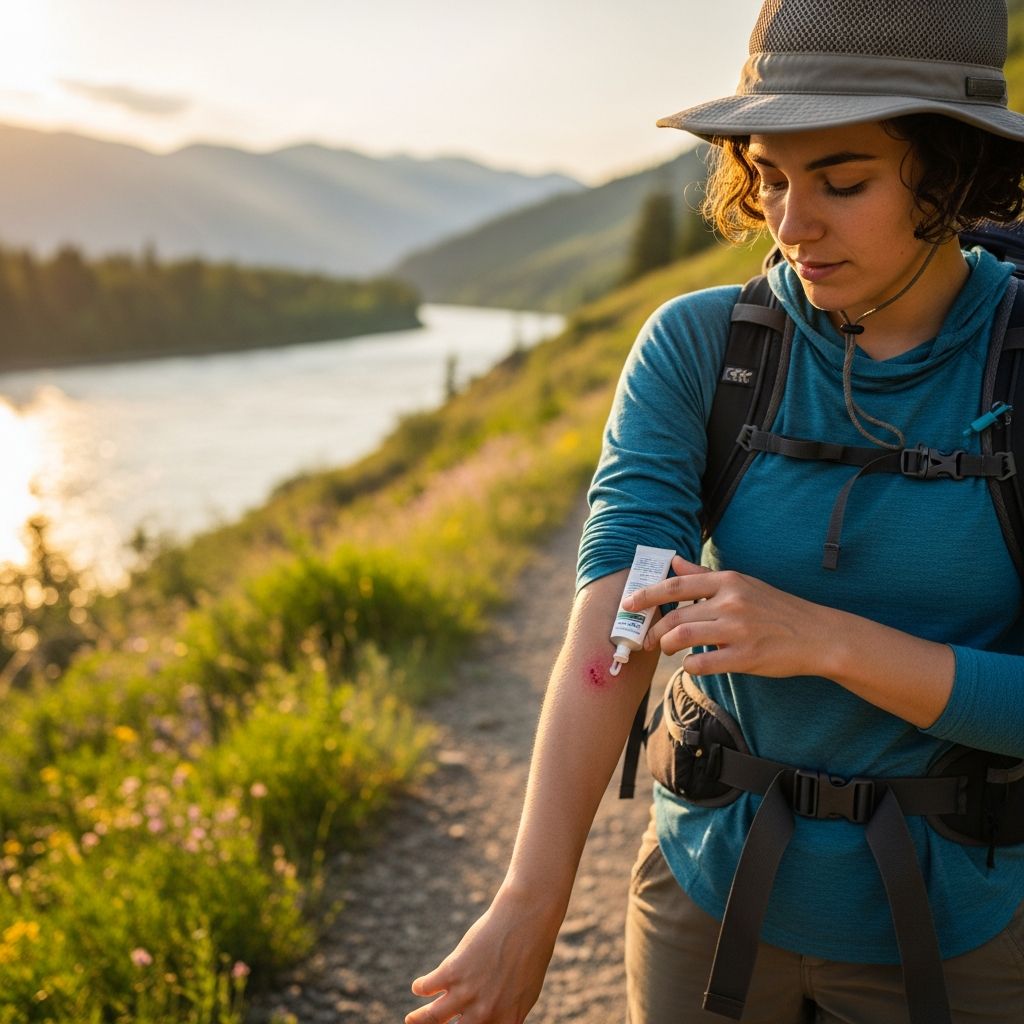
For individuals with eczema, outdoor activities present unique challenges. The combination of environmental factors—heat, humidity, sweat, sun exposure, and various irritants—can trigger uncomfortable flare-ups that interfere with enjoying time in nature. However, with proper planning and knowledge, people with eczema can participate fully in outdoor pursuits without sacrificing their skin health. Understanding how different outdoor conditions affect the skin barrier and implementing preventative measures allows those with eczema to embrace outdoor adventures confidently.
Understanding Environmental Triggers in Outdoor Settings
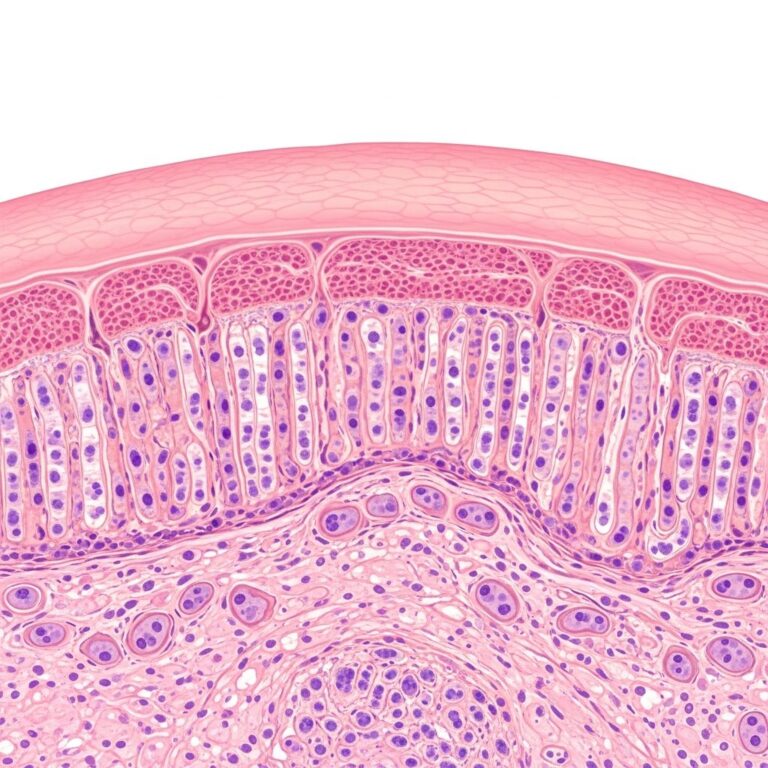
The skin barrier serves as the body’s first line of defense against environmental stressors. When eczema compromises this barrier, the skin becomes increasingly susceptible to irritation from external factors. Several outdoor elements pose particular risks for individuals with eczema.
Heat and Perspiration: Physical activity in warm weather causes the body to produce sweat containing sodium, which can directly irritate eczema-prone skin. Additionally, perspiration causes the body to lose fluids, leading to dehydration that further dries out already vulnerable skin.
Smoke and Air Quality: Exposure to campfire smoke and other air pollutants can damage the skin barrier, increasing susceptibility to dryness and secondary inflammation. Even brief smoke exposure can trigger or exacerbate eczema symptoms.
Sun Exposure: While moderate sun exposure benefits some individuals, eczema-prone skin burns more efficiently, and excessive sun exposure can worsen symptoms for others. UV radiation can compromise the skin barrier and trigger inflammatory responses.
Water-Based Irritants: Chlorine in swimming pools, salt in ocean water, and bacteria in natural water sources all present challenges. Chlorine particularly dries and irritates skin, while salt water can sting broken or inflamed skin areas.
Environmental Contaminants: Dust, pollen, and plant allergens encountered during outdoor activities can accumulate on the skin and contribute to flare-ups. Poison ivy and poison oak represent specific hazards for hikers and outdoor enthusiasts.
Pre-Activity Preparation and Planning
Successful outdoor participation with eczema begins long before stepping outside. Strategic planning and advance preparation significantly reduce the likelihood of flare-ups.
Timing and Seasonal Considerations
Selecting outdoor activities with seasonal awareness helps minimize exposure to peak trigger periods. Summer activities often coincide with higher temperatures and humidity, while winter sports present different challenges. However, avoiding activities entirely based on season is unnecessary—instead, plan additional protective measures for high-risk seasons.
Daily Skincare Foundation
Establishing a robust daily moisturizing routine forms the foundation of eczema management before engaging in any outdoor activity. Daily emollient application strengthens the skin barrier, making it more resilient to environmental stressors. Consistent moisturization should occur even on days when outdoor activities are planned.
Communication and Documentation
For children participating in organized sports or camps, advance communication with coaches and activity leaders is essential. Providing information about eczema triggers, water break needs, and symptom severity helps activity leaders support appropriate accommodations. Creating a written care plan for managing potential flare-ups ensures consistent response if symptoms occur.
Protective Measures During Outdoor Activities
Related Stories



Clothing Selections
Garment choices directly impact skin comfort during outdoor activities. Tight-fitting synthetic materials trap heat and sweat, worsening eczema symptoms. Instead, choose loose-fitting clothing made from natural, breathable fabrics:
- Cotton provides breathability and comfort for most eczema sufferers
- Bamboo offers moisture-wicking properties while remaining gentle on skin
- Merino wool regulates temperature effectively while remaining soft and non-irritating
- Layering with thin, removable pieces allows temperature adjustment as activity intensity changes
For activities requiring specialized gear, such as cycling, modifications can minimize irritation. Padded handlebar tape designed for grip can replace cycling gloves if gloves trigger flare-ups. If helmet chin straps cause irritation, placing cotton, bamboo, or silk material beneath the strap creates a protective barrier.
Hydration and Temperature Management
Maintaining proper hydration supports overall skin health and helps regulate body temperature. Carrying water during extended outdoor activities ensures adequate fluid intake both during and after exercise. Taking frequent breaks to sip water and pat skin dry with a towel helps manage sweat accumulation.
Cooling strategies help prevent overheating during activity. Cooling towels and misting sprays maintain comfortable skin temperature during warm-weather pursuits. When exercising indoors on equipment like treadmills, using a fan for air circulation helps manage heat without creating the abnormally dry air produced by air conditioning.
Sun Protection Approaches
Sunscreen selection matters significantly for individuals with eczema. Physical sunscreens containing zinc oxide or titanium dioxide prove gentler than chemical formulations, feeling cooler on skin and causing less irritation. Proper application technique enhances effectiveness: apply emollient approximately thirty minutes before sunscreen application to prevent the sunscreen from being diluted by the moisturizer, which would compromise its protective properties.
Beyond sunscreen, protective clothing offers additional defense. Lightweight, long-sleeved shirts and wide-brimmed hats reduce direct sun exposure while maintaining breathability.
Water Activity Management
Swimming presents specific challenges requiring targeted strategies. Before entering chlorinated pools, shower with fresh water to allow skin to absorb adequate moisture, making it more resistant to chlorine’s drying effects. After swimming, showering promptly with fresh water removes chlorine residues and saltwater that can irritate skin.
If chlorine levels trigger significant reactions, pool managers can provide chlorination schedules allowing swimmers to avoid peak chemical levels. Alternatively, salt-water pools or swimming in fresh water during summer months provides lower-irritant options. Some individuals find ocean swimming particularly beneficial, though awareness that salt water can sting broken skin areas is important.
Managing Activity-Specific Challenges
Running and High-Intensity Exercise
Before running, applying cream emollient allows adequate absorption time before perspiration begins. Ointment formulations may feel excessively warm and trap sweat, making cream products preferable for active pursuits. A pre-exercise soak in tepid water can help manage excessive sweating for some individuals.
Choosing local routes eliminates the stress of traveling, which can aggravate itching if post-exercise showers are delayed. For extended runs, carrying water, a small towel for patting away sweat, and cold compresses provides immediate relief during activity.
Cycling Considerations
As with running, applying cream emollient before cycling provides foundational protection. Specialized cycling apparel, if uncomfortable, can be replaced with well-fitting cotton, bamboo, or merino base layers and shorts. Handlebar padding and glove modifications accommodate individuals whose hands react to standard equipment.
Camping and Outdoor Recreation
Campfire smoke presents a significant hazard for eczema sufferers. Maintaining distance from smoke sources and covering exposed skin when near fires helps minimize exposure. Daily cleansing with baby wipes and cold water removes dust, pollen, and sweat accumulated during outdoor exploration. Maintaining short fingernails reduces bacteria and dirt transfer if scratching occurs.
Nutrition during outdoor adventures supports skin health. Consuming whole foods with emphasis on protein and fiber reduces inflammation risk. This dietary attention, combined with consistent moisturizer and sunscreen application, creates comprehensive protection during extended outdoor time.
Post-Activity Recovery Protocol
Immediate Cleansing
Timing of post-activity cleansing significantly impacts symptom severity. After swimming in chlorinated pools, showering at home rather than at the pool facility provides better water quality for rinsing. After running or other perspiration-inducing activities, showering as promptly as possible prevents sweat from continuing to irritate skin.
When showers aren’t immediately available, fresh water containers allow rinsing off sweat and irritants. Those pressed for time should at least pat skin dry thoroughly, as damp skin increases infection and irritation risks.
Temperature and Cleansing Product Selection
Hot water, though tempting after outdoor activity, further dries and irritates skin. Instead, tepid water provides comfortable cleansing without compromising the skin barrier. Using emollient creams or soap substitutes during post-activity cleansing maintains skin hydration during the washing process.
Moisturizing After Activity
Re-applying emollient immediately after post-activity cleansing seals moisture into the skin and restores barrier function. This post-activity moisturizing ritual proves as important as pre-activity preparation for preventing delayed flare-ups.
Special Considerations for Children
Pediatric eczema management during outdoor activities requires additional attention. Children may resist frequent water breaks or downtime during play, making parental involvement essential. Communicating with coaches ensures activity modifications occur without unnecessarily limiting children’s participation.
Even with meticulous planning, flare-ups occasionally occur. Having a management strategy that includes frequent moisturizer application and a plan for addressing flare-ups when they do occur helps parents respond effectively.
Common Questions About Outdoor Eczema Management
Frequently Asked Questions
Q: Can people with eczema swim safely?
A: Yes, with proper precautions. Using waterproof sun protection and emollient, showering before and after swimming, and choosing lower-chlorine or salt-water alternatives when possible makes swimming enjoyable and relatively safe for eczema sufferers.
Q: Does sun exposure help or harm eczema?
A: Effects vary individually. Some benefit from moderate sun exposure, while others experience worsening symptoms. Eczema-prone skin burns more efficiently, so sun protection is generally recommended. Physical sunscreens with zinc oxide or titanium dioxide offer gentler protection than chemical formulations.
Q: How do I manage eczema during a multi-day camping trip?
A: Prioritize daily cleansing with baby wipes and cold water, apply sunscreen and moisturizer regularly, maintain distance from campfire smoke, keep fingernails short, eat whole foods with protein and fiber, and bring sufficient moisturizers and sunscreen for the entire trip.
Q: What should I do if a flare-up occurs during outdoor activity?
A: Take frequent cool breaks, avoid scratching, apply moisturizer and any prescribed treatments, and cool the affected area with a cold compress. If symptoms are severe, discontinuing activity and returning home for more comprehensive care may be necessary.
Q: Are there specific plants I should avoid outdoors?
A: Yes, poison ivy and poison oak cause significant irritation and should be avoided when possible. Learning to identify these plants and staying on established trails helps prevent exposure.
Building Confidence for Outdoor Participation
Eczema should not prevent outdoor participation or reduce quality of life. With proper preparation, understanding environmental triggers, implementing preventative measures, and maintaining appropriate post-activity recovery routines, individuals with eczema can enjoy full participation in outdoor activities. The key lies in planning ahead, communicating with coaches or activity leaders about specific needs, and maintaining consistent skincare practices before, during, and after outdoor pursuits.
Each person’s eczema responds differently to various triggers and treatments. Through experimentation with different strategies and careful observation of what works best, individuals develop personalized approaches that maximize outdoor enjoyment while minimizing symptom severity. With knowledge and preparation as tools, outdoor adventures remain fully accessible to those managing eczema.
References
- Exercise and Eczema — National Eczema Association. 2024. https://eczema.org/information-and-advice/living-with-eczema/exercise-and-eczema/
- Ways to Help Your Child Prevent Eczema Flares During Exercise — Healthgrades. 2024. https://resources.healthgrades.com/right-care/eczema/how-to-help-your-child-prevent-eczema-flares-during-sports-and-outdoor-activities
- Ask the Ecz-perts: How to Handle Eczema and Outdoor Adventures — National Eczema Association. 2024. https://nationaleczema.org/blog/ask-the-ecz-perts-great-outdoors/
- Backpacking with Eczema: Successfully Managed — National Eczema Association. 2024. https://nationaleczema.org/blog/amanda-backpacking-with-eczema/
- Managing Eczema in Summertime — American Academy of Dermatology Association. 2024. https://www.aad.org/public/diseases/eczema/insider/eczema-summertime
- Tips for Managing Eczema and Psoriasis in the Summer — Zerigo Health. 2024. https://zerigohealth.com/hub/summer-tips-for-managing-eczema-and-psoriasis
- Effective Strategies for Managing Eczema During the Summer Months — Premier Allergy Texas. 2024. https://www.premierallergytx.com/blog/effective-strategies-for-managing-eczema-during-the-summer-months
Similar Articles








Read full bio of medha deb