Teen Eczema: A Comprehensive Guide For Managing Flares
Real strategies for teens navigating eczema and building confident skin
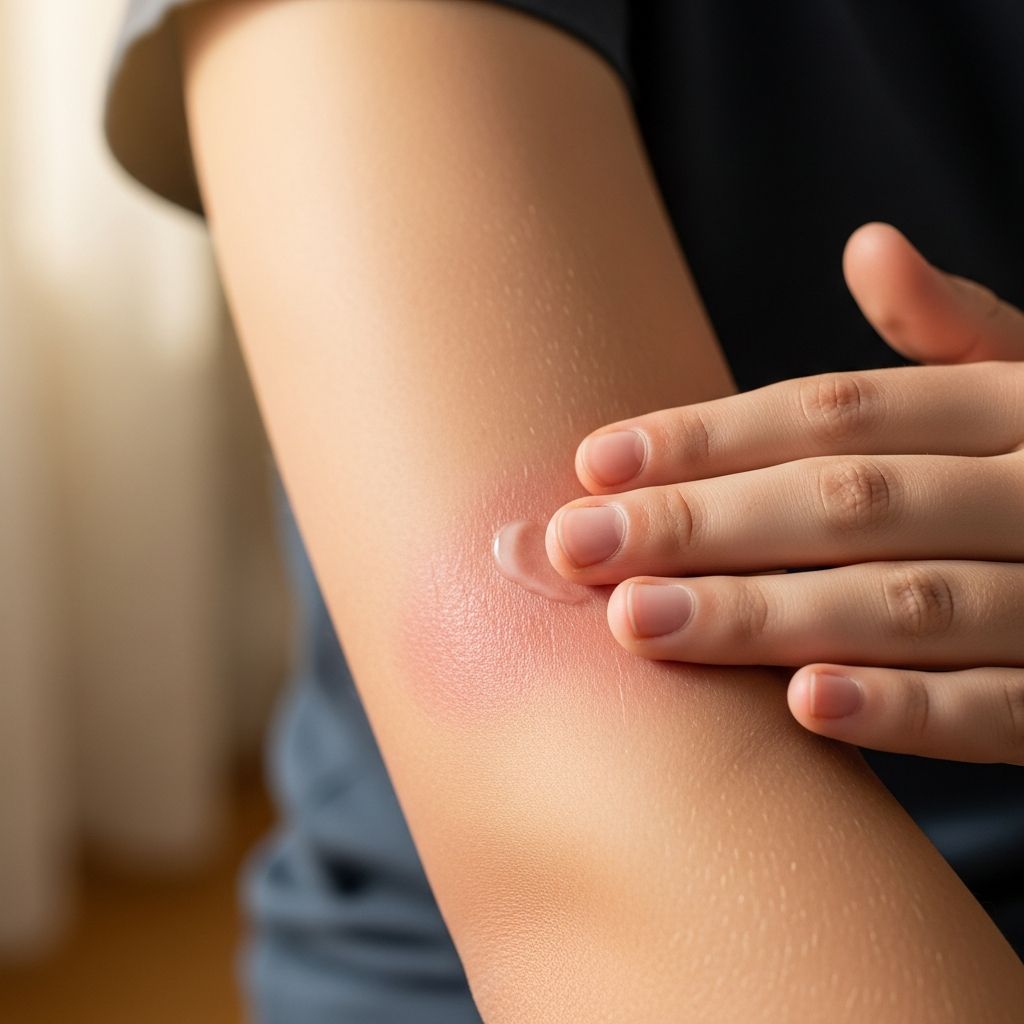
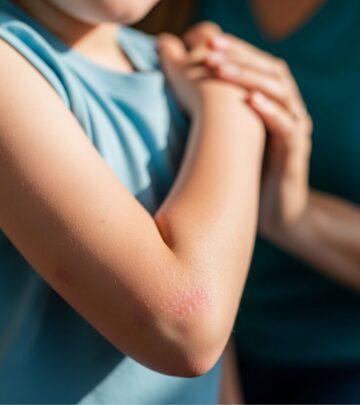
Navigating adolescence comes with enough challenges without adding persistent skin irritation to the mix. For teenagers living with eczema, the condition presents unique obstacles that extend beyond physical discomfort—it can affect self-esteem, social interactions, and daily confidence. Understanding how to effectively manage eczema during these formative years is essential for maintaining both skin health and emotional wellbeing.
Understanding Eczema in the Adolescent Context
Atopic dermatitis, commonly known as eczema, is a chronic inflammatory skin condition that affects millions of teenagers worldwide. Unlike acne or other temporary skin conditions, eczema requires consistent, long-term management strategies. The condition involves the skin’s immune system reacting abnormally to triggers, causing inflammation, itching, and compromised skin barrier function.
For teenagers specifically, eczema can be particularly challenging because adolescence brings hormonal fluctuations, increased stress, and heightened social awareness about appearance. Many teens report that their eczema worsens during periods of emotional stress or major life transitions, creating a complex cycle where stress exacerbates symptoms, which in turn increases anxiety.
The encouraging news is that eczema symptoms tend to improve with age, and many individuals experience significant symptom reduction as they transition into adulthood. This means that developing solid management habits now can lead to better long-term outcomes.
Building Your Daily Skin Care Foundation
The cornerstone of effective eczema management begins with a disciplined daily skincare routine. Unlike treating acne or other temporary conditions, eczema management requires consistency—skipping even a few days can trigger flares that take weeks to resolve.
The Morning Routine
Your morning should begin with a warm (not hot) shower lasting approximately 10 minutes. This gentle cleansing removes overnight sweat and bacteria while preparing your skin for medication and moisturizer application. The key is using a gentle cleanser specifically formulated for sensitive skin.
Immediately after patting skin dry—while it remains slightly damp—apply any prescribed medications. This timing is crucial because damp skin allows topical treatments to penetrate more effectively. Follow this with a generous application of moisturizer, which helps trap hydration within the skin barrier.
Evening Care Routine
Your evening routine follows the same fundamental structure as your morning ritual: cleanse gently, apply medications while skin is damp, and finish with moisturizer. However, the evening presents an opportunity to use potentially thicker, more occlusive products without worrying about makeup or activity-related wear-off.
If your dermatologist has prescribed specific treatments, the evening is often the ideal time for more intensive applications, allowing medications to work overnight without interference from daily activities.
Selecting the Right Products for Eczema-Prone Skin
Not all skincare products are created equal, and for teenagers with eczema, product selection directly impacts symptom severity.
Related Stories



Moisturizers: Your Most Important Product
The best moisturizers for eczema are thick creams or ointments that contain minimal water. Look for products labeled as emollients, which actively restore the skin barrier rather than simply adding surface moisture. Ideal options include:
- Thick creams and ointments that create a protective barrier
- Products specifically formulated for eczema-prone skin
- Fragrance-free options to minimize irritation risk
- Products without added dyes or artificial ingredients
Apply moisturizer immediately after bathing to lock in hydration. This timing is non-negotiable—waiting even a few minutes after showering allows moisture to evaporate from your skin.
Cleansers and Soaps
Traditional soaps strip away natural oils and disrupt the skin barrier. Instead, choose gentle cleansers specifically designed for sensitive skin. Look for:
- Oil-based or water-based formulas
- Alcohol-free products
- Non-drying compositions
- Products labeled for sensitive or eczema-prone skin
Makeup and Additional Products
If you wear makeup, select products labeled “noncomedogenic,” which means they won’t clog pores or trigger additional irritation. Avoid products containing heavy fragrances, essential oils, or unnecessary additives.
For facial care, wash your face at least once daily, though twice daily is recommended—morning and evening. Use the same gentle products as your body skincare routine.
Medical Treatments Available for Teenage Eczema
While consistent skincare forms the foundation of eczema management, medical interventions play a crucial role in controlling inflammation and preventing flares.
Topical Corticosteroids
Topical corticosteroid creams and ointments represent the first-line medical treatment for eczema. These medications reduce inflammation and soothe redness and itching effectively. Potency levels vary based on the affected area:
- Low-potency corticosteroids for sensitive areas like the face and groin
- Medium-potency options for body areas
- Higher-potency formulations for severe flares on less sensitive skin
Important note: Topical corticosteroids differ entirely from anabolic steroids used illegally in athletics. When used appropriately under medical supervision, they are safe and effective for teenagers.
Calcineurin Inhibitors
For teenagers concerned about long-term corticosteroid use or experiencing flares in sensitive areas, topical calcineurin inhibitors offer an alternative. These medications include tacrolimus (Protopic) and pimecrolimus (Elidel), approved for use in children over age 2.
Calcineurin inhibitors work by modulating the immune system response and can be used for extended periods to prevent flare recurrence. They’re particularly useful for facial eczema or when other treatments haven’t provided adequate control.
Topical PDE4 Inhibitors
Newer treatment options include crisaborole cream, a topical phosphodiesterase-4 (PDE4) inhibitor that helps relieve inflammation, itching, and rash without the systemic effects of oral medications.
Oral Medications
When eczema is severe or frequent, dermatologists may prescribe oral medications:
- Antihistamines: Help reduce itching, particularly before sleep to improve rest quality. Some antihistamines cause drowsiness, which can affect school performance if taken during the day
- Immunomodulatory medicines: For severe cases unresponsive to topical treatments, systemic medications affecting immune function may be prescribed under specialist supervision
- Antibiotics: If bacterial infection develops during flares
Advanced Therapies
For severe eczema, several advanced treatments exist:
Phototherapy (Light Therapy): Ultraviolet light treatment can significantly improve severe eczema. This can be administered in a healthcare provider’s office or, in some cases, at home.
Wet Wrap Therapy: An intensive treatment method involving applying corticosteroid ointment and sealing it with wet gauze beneath dry gauze. While labor-intensive, this approach proves remarkably effective for severe flares and can be learned for home use.
Identifying and Avoiding Personal Triggers
Eczema management extends beyond medical treatments—understanding your personal triggers is essential. Common triggers include:
| Trigger Category | Examples | Mitigation Strategy |
|---|---|---|
| Environmental Factors | Cold, dry air; high humidity; temperature fluctuations | Use humidifiers in winter; maintain consistent indoor temperature |
| Irritant Products | Fragranced soaps; laundry detergents; fabric softeners | Switch to hypoallergenic, fragrance-free products |
| Fabric Types | Synthetic materials; wool; rough textures | Prioritize soft cotton and bamboo fabrics |
| Stress and Emotions | Academic pressure; social anxiety; major life changes | Develop stress management techniques; maintain healthy sleep patterns |
| Allergens | Pet dander; dust mites; certain foods | Identify through testing; implement avoidance strategies |
Keeping a simple journal tracking when flares occur helps identify patterns—you might notice that certain activities, foods, or environmental conditions consistently worsen symptoms.
Managing Eczema While Maintaining Social Confidence
Beyond the physical aspects of eczema management, teenagers must navigate the emotional and social dimensions of living with a visible skin condition. This psychological component significantly impacts overall quality of life and adherence to treatment routines.
Building Mental Resilience
Many teenagers with eczema experience anxiety about appearance and social judgment. Developing a consistent skincare routine that produces visible results builds confidence—you’ll notice improvements within weeks of committed management, which reinforces motivation to continue treatment.
Remember that eczema is manageable with proper care, and many successful, confident adults have navigated adolescence with eczema. Taking photographs before and after implementing a treatment routine can help you recognize improvement that might be subtle day-to-day.
Communicating with Peers and Educators
If school activities trigger flares, communicate with teachers and school nurses about your condition. Many schools accommodate medical needs, including excusing you from activities that might irritate skin or allowing time for medication application.
Vitamin and Nutritional Support
Emerging evidence suggests that certain nutritional factors support skin health in eczema management. Vitamin D supplementation may benefit some teenagers with eczema—typical recommendations range from 2,000 to 4,000 IU daily, though this should be discussed with your healthcare provider.
Additionally, maintaining overall health through balanced nutrition, adequate hydration, and regular physical activity supports your skin’s capacity to heal and resist flares.
Understanding Treatment Goals and Expectations
It’s important to recognize that there is currently no cure for eczema. Instead, treatment focuses on managing symptoms effectively, preventing flares, and maintaining quality of life. With consistent management, many teenagers achieve near-complete symptom control, though occasional flares may still occur.
The positive reality is that eczema symptoms tend to naturally improve with age, meaning the foundation you build during your teenage years sets you up for better long-term outcomes in adulthood.
Creating Your Personalized Management Plan
Every teenager’s eczema is unique, requiring a personalized approach. Work with your dermatologist to develop a management plan that includes:
- A specific daily skincare routine with recommended products
- Prescribed medications with clear application instructions
- Identified personal triggers and avoidance strategies
- A plan for managing flares when they occur
- Regular follow-up appointments to adjust treatment as needed
Don’t hesitate to communicate with your healthcare provider about what’s working and what isn’t. Effective eczema management often involves some trial and adjustment to find the optimal routine for your specific situation.
Key Takeaways for Teen Eczema Success
- Establish a consistent morning and evening skincare routine as your foundation
- Choose products specifically formulated for eczema-prone skin, prioritizing thick moisturizers and gentle cleansers
- Work with your dermatologist to determine appropriate medical treatments for your condition
- Identify personal triggers and develop strategies to minimize exposure
- Remember that symptoms tend to improve with age, making teen years an opportunity to build lifelong healthy habits
- Address the psychological aspects of living with eczema by building confidence through effective management
References
- Eczema (for Teens) — Nemours KidsHealth. Accessed 2026. https://kidshealth.org/en/teens/eczema.html
- Pediatric Eczema (Atopic Dermatitis) – Conditions and Treatments — Children’s National Hospital. Accessed 2026. https://www.childrensnational.org/get-care/health-library/eczema-atopic-dermatitis
- Teenagers and eczema — National Eczema Society. Accessed 2026. https://eczema.org/information-and-advice/information-for-parents-and-children/teenagers-and-eczema/
- Atopic eczema — National Health Service (NHS). Accessed 2026. https://www.nhs.uk/conditions/atopic-eczema/
- Treating eczema, psoriasis in children — Mayo Clinic Health System. Accessed 2026. https://www.mayoclinichealthsystem.org/hometown-health/speaking-of-health/treating-eczema-psoriasis-in-children
- Eczema Treatment — Rady Children’s Hospital-San Diego. Accessed 2026. https://www.rchsd.org/programs-services/dermatology/eczema-and-inflammatory-skin-disease-center/treatment/
- Atopic dermatitis (eczema) – Diagnosis and treatment — Mayo Clinic. Accessed 2026. https://www.mayoclinic.org/diseases-conditions/atopic-dermatitis-eczema/diagnosis-treatment/drc-20353279
- Eczema in Teens: How to Choose Skin, Hair & Makeup Products — American Academy of Pediatrics (HealthyChildren.org). Accessed 2026. https://www.healthychildren.org/English/health-issues/conditions/skin/Pages/eczema-in-teens-skin-and-hair-care-tips.aspx
Similar Articles








Read full bio of Sneha Tete