Managing Eye Irritation from Smoke Exposure
Essential strategies for protecting and treating your eyes during smoke events
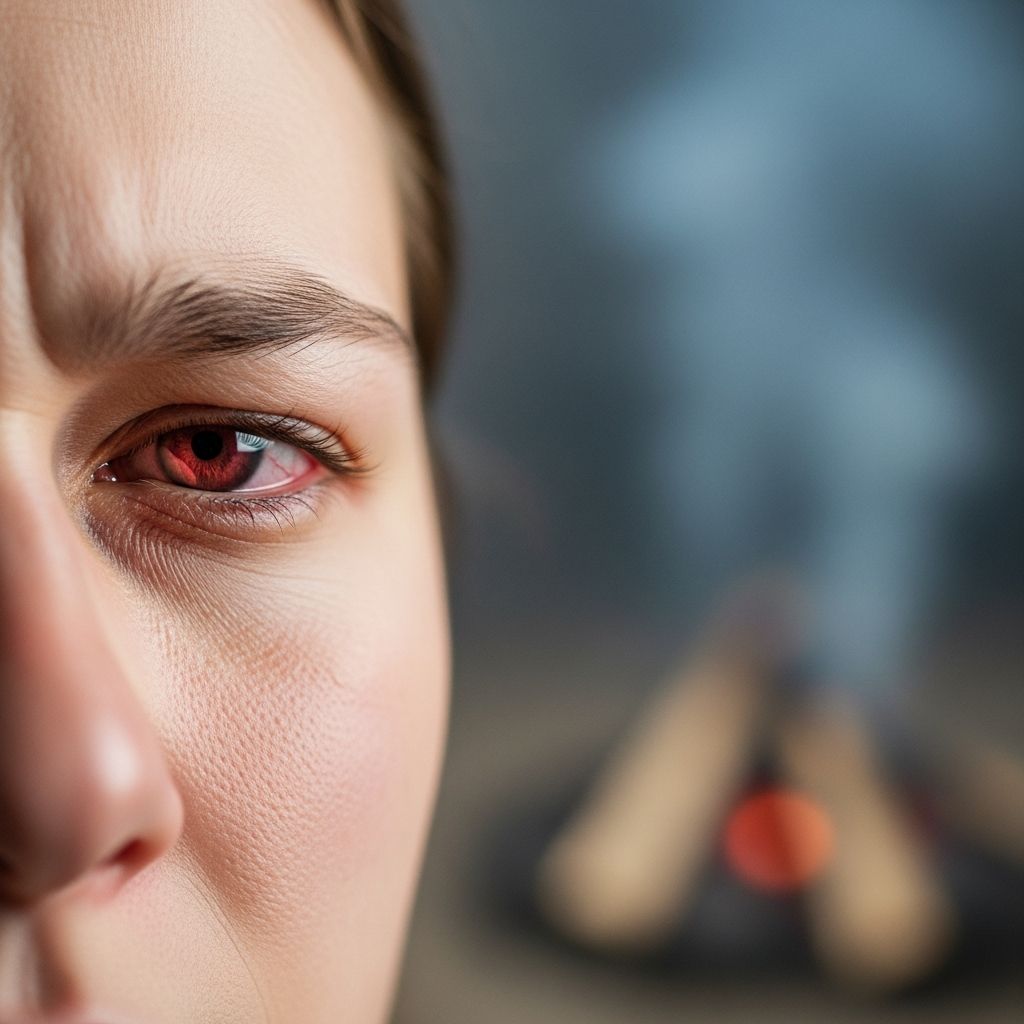
When smoke enters the environment—whether from wildfires, industrial sources, or cigarettes—your eyes become vulnerable to a range of uncomfortable and potentially serious conditions. The delicate structures of your eyes are not equipped to filter the harmful particles and chemical irritants present in smoke, making them particularly susceptible to damage. Understanding what happens when smoke exposure occurs and how to respond can mean the difference between temporary discomfort and lasting vision problems.
Understanding How Smoke Damages Ocular Tissues
Smoke is not simply a benign vapor. It contains a complex mixture of fine particles, ash, and toxic gases that interact with the sensitive tissues of your eye in harmful ways. The cornea—the clear, protective dome covering the front of your eye—bears the brunt of this exposure because it directly contacts airborne irritants. When smoke particles and chemical compounds come into contact with your corneal surface, they disrupt the protective tear film that normally keeps your eyes moist and comfortable.
The tear film serves multiple critical functions: it provides lubrication, delivers oxygen and nutrients to the cornea, and acts as a barrier against harmful particles. Smoke exposure disrupts this delicate balance in multiple ways. Some gaseous components in smoke increase the evaporation rate of the water in your tears, while particulate matter can dissolve directly into your tear layer, creating an imbalance between moisture and chemical irritants. This disruption leads to the dry eye condition that many people experience after smoke exposure.
Additionally, smoke can trigger inflammatory responses in the conjunctiva, the thin membrane that covers the white part of your eye and lines your eyelids. This inflammation can progress from simple irritation to more serious conditions if exposure continues or if treatment is delayed.
Recognizing the Spectrum of Smoke-Related Eye Symptoms
Eye irritation from smoke manifests across a range of intensity levels, from minor annoyances to serious vision-threatening conditions. Knowing what to look for helps you determine whether home care is sufficient or professional attention is necessary.
Early Warning Signs
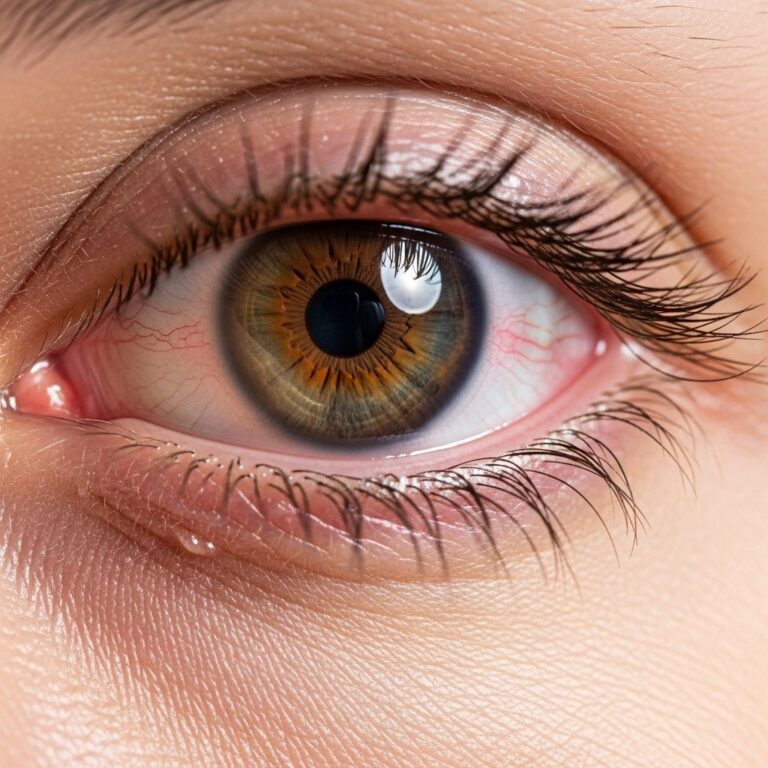
The initial symptoms of smoke exposure typically include redness of the sclera (the white portion of your eye) and a gritty or scratchy sensation. Many people describe this feeling as having sand in their eyes. This grittiness occurs because smoke particles have become lodged on your eye’s surface or have irritated the delicate epithelial cells. Accompanying this sensation is usually itching and excessive tearing—your eye’s natural attempt to flush out the irritant.
A burning or stinging sensation frequently develops alongside these early symptoms. This burning quality indicates that chemical irritants in the smoke have activated pain receptors in your cornea and conjunctiva. For many people, these initial symptoms resolve within hours of leaving the smoke-filled environment, particularly if they take appropriate care.
Progressive and Severe Symptoms
If smoke exposure is prolonged or intense, symptoms can escalate. Sensitivity to light (photophobia) may develop, making it uncomfortable to be in bright conditions. Your vision may become temporarily blurred or hazy, particularly if the dryness is severe enough to create irregular surfaces on your cornea that scatter incoming light.
Related Stories



Some individuals develop conjunctivitis—commonly called pink eye—as an allergic response to smoke irritants. This condition causes pronounced redness, a discharge from the eye, increased light sensitivity, and persistent itching that can last for several days. In the most severe cases, the cornea itself can sustain visible damage (corneal abrasions), causing significant pain and requiring immediate medical intervention.
Immediate Response Strategies When Smoke Exposure Occurs
Your first actions after smoke exposure can significantly impact how quickly your eyes recover and whether complications develop. The goal is to remove irritants, stabilize your tear film, and prevent further damage.
Steps to Take Immediately
- Leave the smoke-filled area – Move to clean air as quickly as possible. Even brief time in a smoke-free environment allows your tear system to begin natural flushing of irritants.
- Use preservative-free artificial tears – These lubricating drops serve multiple purposes: they flush out particles, restore moisture to a drying tear film, and provide cooling relief. Using them four to five times daily during heavy smoke exposure is appropriate, substantially more than your typical tear drop frequency.
- Apply cool compresses – A clean, cool (not ice-cold) compress held gently over closed eyes reduces inflammation and provides soothing relief. This cooling effect also decreases your eye’s inflammatory response to irritants.
- Avoid direct eye contact with irritants – Do not attempt to rub your eyes, as this drives particles deeper into tissues and causes additional microtrauma. Similarly, avoid applying eye makeup, which can trap particles against your eye surface.
- Do not rinse with tap water – While water seems like a logical rinse, tap water is not sterile and can introduce bacteria. If you must rinse, use sterile saline solution designed for eye care.
When Over-the-Counter Treatments Become Necessary
If initial self-care measures do not provide adequate relief within a few hours, over-the-counter medications can help manage both symptoms and underlying inflammation.
Effective Over-the-Counter Options
Antihistamine eye drops target the allergic component of smoke irritation. Products containing ingredients like ketotifen (Zaditor) or other antihistamines reduce the inflammatory cascade triggered when your immune system reacts to smoke irritants. These drops typically require twice-daily application and work best when used consistently rather than sporadically.
Artificial tear formulations come in various viscosities. Standard drops work well for mild to moderate dryness, while gel-based artificial tears or ointments provide longer-lasting lubrication for severe dryness. Many eye care specialists recommend using preservative-free versions during smoke exposure, as preservatives themselves can sometimes cause additional irritation.
Oral antihistamines and decongestants can reduce swelling around the eye and decrease overall allergic response, helping both eye and respiratory symptoms simultaneously. However, these systemic medications may also reduce tear production as a side effect, so their use should be balanced with adequate artificial tear application.
Hydration and Systemic Support
Staying well-hydrated supports your body’s natural tear production and helps maintain the composition of tears that protect your eyes. Additionally, maintaining overall eye health during smoke exposure—by getting adequate sleep and managing stress—helps your body allocate resources toward healing irritated tissues.
Understanding When Professional Care is Essential
While most smoke-related eye irritation resolves with home care, certain symptoms indicate that professional evaluation is necessary. These warning signs suggest that damage has progressed beyond simple irritation.
Severe or worsening pain that does not respond to artificial tears and rest suggests corneal abrasion or deeper tissue involvement. Similarly, significant vision changes—particularly if blurring persists or worsens—warrant professional assessment, as this may indicate corneal damage affecting light transmission.
Discharge from the eye, particularly if it is thick, colored, or accompanies fever, suggests infection or severe inflammation requiring antibiotic or anti-inflammatory medication prescribed by an eye specialist. Individuals with pre-existing eye conditions such as glaucoma, dry eye syndrome, or age-related macular degeneration should seek professional guidance even for moderate symptoms, as smoke exposure can exacerbate these conditions and accelerate vision loss.
When you do seek professional care, your eye specialist may prescribe topical corticosteroid drops to reduce inflammation and promote healing of damaged tissues. These medications require professional supervision because improper use can lead to complications, but they are highly effective for moderate to severe smoke-related inflammation.
Long-Term Protection: Prevention During Smoke Events
Beyond immediate treatment, minimizing your exposure to smoke in the first place significantly reduces the burden on your eyes and lungs.
Environmental and Behavioral Strategies
- Stay indoors during high smoke days – Monitor air quality indexes in your area and remain in climate-controlled environments when smoke levels are hazardous.
- Use air filters and purifiers – HEPA-rated air filters can remove fine particles from indoor air, protecting your eyes while you rest at home.
- Wear protective eyewear – When you must be outdoors during smoke events, wraparound sunglasses or protective goggles create a physical barrier, though they cannot achieve complete protection.
- Limit contact lens use – Smoke particles can become trapped beneath contact lenses, causing intensified irritation and potential infection. Switch to glasses during heavy smoke exposure.
Special Considerations for Vulnerable Populations
Certain groups face heightened risks from smoke exposure. Individuals with pre-existing dry eye conditions experience exacerbation of their symptoms during smoke events, as the baseline dryness is compounded by the additional irritation. Those with allergic conditions may experience more pronounced conjunctival inflammation and allergic conjunctivitis.
Individuals with glaucoma or age-related macular degeneration should be especially cautious, as the inflammatory stress from smoke exposure can temporarily elevate intraocular pressure or stress already-compromised retinal tissues. Consulting with your eye care provider before smoke season about preventive strategies and medication adjustments is prudent.
The Lasting Impact of Chronic Smoke Exposure
While acute smoke exposure from wildfire or industrial events typically causes temporary irritation, chronic exposure—such as that experienced by smokers or those in persistently polluted environments—can lead to lasting changes. Research demonstrates that long-term smoking increases the risk of cataracts, age-related macular degeneration, and glaucoma by factors of two to four times compared with non-smokers. These conditions typically develop over years of exposure, but the damage accumulates progressively.
Importantly, quitting smoking or removing yourself from chronically smoke-filled environments can halt this progression and even reverse some damage. Studies show that after 10 to 20 years of cessation, the elevated risk of cataracts and macular degeneration decreases significantly.
Summary Table: Symptoms and Response Strategies
| Symptom Severity | Typical Symptoms | Recommended Response | When to Seek Professional Care |
|---|---|---|---|
| Mild | Slight redness, minor itching, minimal tearing | Artificial tears 1-2 times daily, avoid rubbing, rest indoors | If symptoms persist beyond 24 hours |
| Moderate | Noticeable redness, burning sensation, watery eyes, mild blurring | Artificial tears 3-5 times daily, cool compresses, antihistamine drops, stay indoors | If symptoms worsen or persist beyond 48 hours |
| Severe | Intense pain, significant vision changes, discharge, photophobia | Seek immediate professional care; do not delay treatment | Urgent evaluation required |
Frequently Asked Questions
Can smoke permanently damage my eyes?
Acute smoke exposure typically causes temporary irritation that resolves with appropriate treatment. However, chronic or severe exposure can cause permanent damage, including corneal scarring and increased risk of degenerative eye diseases. Prompt treatment and prevention of future exposure minimize this risk.
Is it safe to wear contact lenses during smoke events?
Contact lenses are not recommended during significant smoke exposure, as particles can become trapped beneath the lens, intensifying irritation and increasing infection risk. Switch to glasses until the air quality improves.
How often should I use artificial tears during smoke exposure?
During heavy smoke events, using preservative-free artificial tears four to five times daily is appropriate and safe. This frequency is substantially higher than typical daily use but addresses the increased irritation and dryness.
What is the difference between redness from smoke and conjunctivitis?
Smoke-related redness typically accompanies a gritty sensation and watery eyes without discharge. Allergic conjunctivitis from smoke may include discharge, more intense itching, and symptoms that persist longer. If you develop discharge or symptoms lasting more than a few days, professional evaluation is warranted.
Should I use tap water to rinse smoke from my eyes?
No. Tap water is not sterile and can introduce bacteria or additional irritation. Use sterile saline solution designed for eye care, or simply use artificial tears.
References
- The Effects of Smoke on the Eyes: Understanding the Impact and How to Protect Your Vision — Louie Eye Care Centre. https://louieeyecarecentre.com/blog/the-effects-of-smoke-on-the-eyes-understanding-the-impact-and-how-to-protect-your-vision/
- If Smoke Gets in Your Eye, Here’s What to Do — UW Medicine. https://newsroom.uw.edu/blog/if-smoke-gets-your-eye-heres-what-do
- Protect Your Eyes from the Risks of Smoker Eyes — Conlon Eye Institute. https://conloneyeinstitute.com/protect-your-eyes-from-the-risks-of-smoker-eyes/
- How To Deal With Smoke In Your Eyes — Beach Eye. https://beacheye.com/blog/how-to-deal-with-smoke-in-your-eyes/
- Understanding Smoke from Wildfires and Its Impact on Your Eyes — Bakersfield Eye Doctor. https://bakersfieldeyedoc.com/understanding-smoke-from-wildfires-and-its-impact-on-your-eyes/
- Wildfire Smoke and Eye Care — Boulder Medical Center. https://www.bouldermedicalcenter.com/smoke-gets-in-your-eyes/
- How to Relieve Effects of Wildfire Smoke on Your Eyes — Icon Eye Care. https://iconeyecare.com/eye-care-blog/how-to-relieve-effects-of-wildfire-smoke-on-your-eyes/
Similar Articles








Read full bio of Sneha Tete