Managing Fevers In Kids: A Practical Parent’s Guide
Expert guidance on understanding, treating, and knowing when to seek help for childhood fevers to keep your child safe and comfortable.
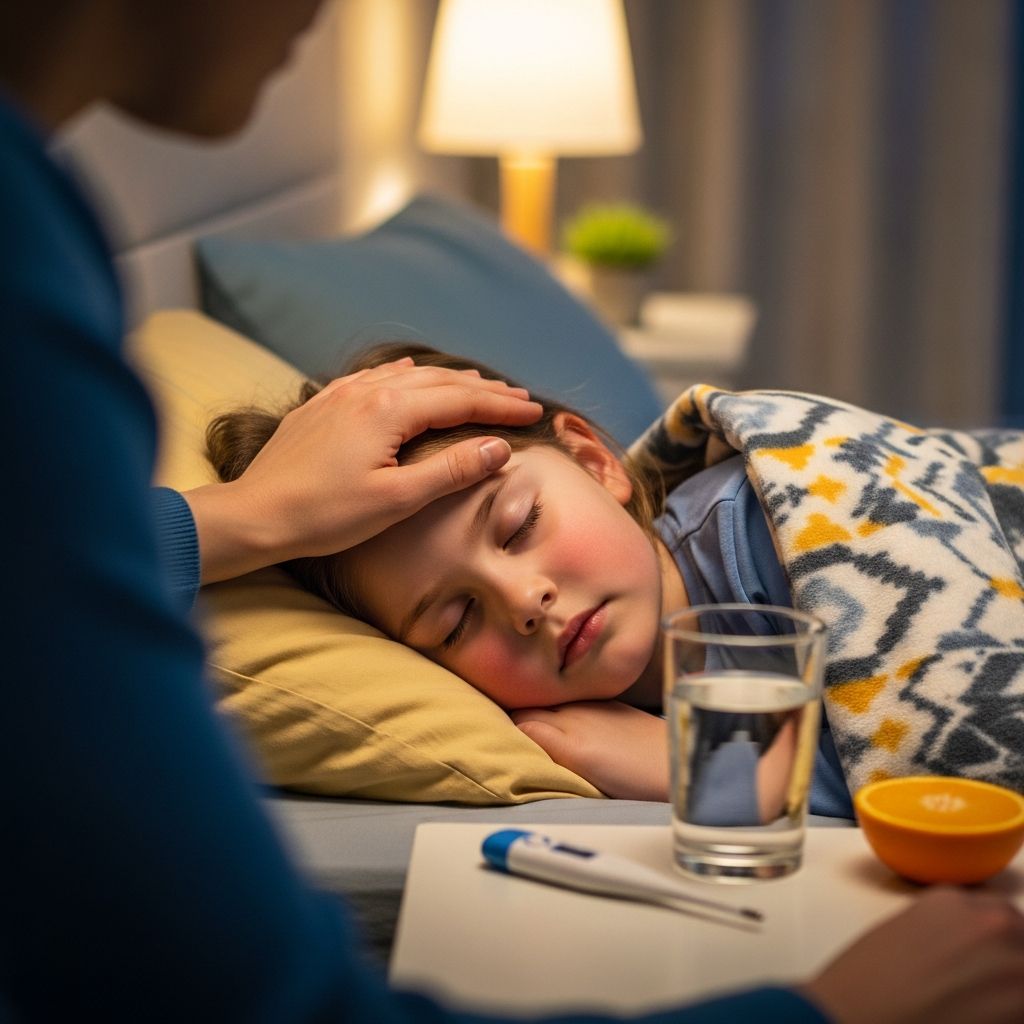
Fevers are a frequent occurrence in childhood, serving as the body’s natural defense mechanism against infections. This comprehensive guide explores the essentials of childhood fevers, from identification and home management to recognizing serious symptoms that demand professional care. Parents equipped with reliable knowledge can support their child’s recovery while avoiding unnecessary alarm.
Understanding What Causes a Fever in Children
The human body elevates its temperature during a fever to create an inhospitable environment for invading pathogens. This response is triggered primarily by infections, with viruses accounting for the vast majority of cases—far outnumbering bacterial causes. Common culprits include respiratory viruses like those causing colds, influenza, or respiratory syncytial virus (RSV), which often present with additional symptoms such as cough, runny nose, or fatigue.
Bacterial infections, though less common, can also provoke fevers. Examples include urinary tract infections in young girls, strep throat, or sinus issues following a cold. Rarely, fevers stem from non-infectious sources like overheating due to excessive clothing or hot environments, but these typically resolve swiftly with cooling measures. Vaccinations or inflammatory conditions may occasionally contribute, underscoring the fever’s role as a broad immune signal rather than a disease itself.
Recognizing Fever: Accurate Temperature Measurement
A fever is generally defined as a rectal temperature of 100.4°F (38°C) or higher in infants under 3 months, with higher thresholds applying to older children. Body temperature naturally fluctuates, influenced by time of day, activity, and measurement site. Rectal readings remain the gold standard for accuracy in young children, followed by temporal artery scanners or underarm measurements for older kids.
- Rectal: Most precise for infants; lubricate thermometer tip and insert gently 1 inch.
- Oral: Suitable for children over 4 years; avoid if recent hot/cold drinks consumed.
- Axillary (armpit): Less accurate but non-invasive; add 1°F to reading for estimate.
- Tympanic (ear): Quick for kids over 6 months; ensure proper positioning.
- Temporal (forehead): Convenient, gentle option for all ages.
Avoid combining methods without adjustment, as inconsistencies can lead to misinterpretation. Digital thermometers are recommended for speed and reliability.
Symptoms Accompanying Childhood Fevers
Beyond elevated temperature, fevers often bring discomfort like chills, aches, fatigue, or irritability. Children may appear flushed, sweat profusely, or shiver as the body regulates heat. Increased heart and breathing rates mimic exertion, while appetite loss and sleepiness are typical. High fevers (over 102°F or 39°C) heighten these effects, prompting treatment for comfort rather than the number alone.
Fevers rarely exceed 104°F (40°C) naturally, and the myth that untreated fevers continually rise lacks evidence— the body’s thermostat prevents this. Persistent or recurrent fevers, resolving then returning after 48-72 hours, may signal secondary infections and warrant evaluation.
Home Strategies for Comfort During a Fever
Focus on supportive care to aid the body’s recovery process. Hydration is paramount, as fever accelerates fluid loss through sweating and faster metabolism. Encourage frequent sips of cool fluids like water, electrolyte solutions, or breast milk/formula for infants under 6 months.
| Age Group | Recommended Fluids | Frequency |
|---|---|---|
| 0-6 months | Breast milk or formula | Every 1-2 hours |
| 6 months-2 years | Water, diluted juice, oral rehydration | Frequent small amounts |
| Over 2 years | Water, clear broths, popsicles | Throughout the day |
Related Stories



Dress children in lightweight, single-layer clothing to facilitate heat dissipation, avoiding bundling even if shivering. Maintain a comfortable room temperature around 70-74°F (21-23°C), using fans for air circulation but not direct blowing. Lukewarm sponge baths can soothe if the child tolerates them, but avoid cold water to prevent shivering-induced temperature spikes.
Safe Use of Fever-Reducing Medications
Medications address discomfort, not the fever itself. Acetaminophen (e.g., Tylenol) is suitable from 3 months; ibuprofen (e.g., Advil, Motrin) from 6 months onward. Administer based on weight, not age, using the dosing device provided.
- Acetaminophen: Every 4-6 hours as needed; max 5 doses/24 hours.
- Ibuprofen: Every 6-8 hours; avoids in dehydration or chickenpox.
- Never alternate routinely without physician advice; aspirin is contraindicated due to Reye’s syndrome risk.
Treat if temperature exceeds 102°F (39°C) or discomfort is evident, such as from chills or fussiness. Comfortable, active children may not require drugs.
When to Seek Urgent Medical Attention
Age-specific thresholds guide action: Infants under 3 months with any fever need immediate evaluation for serious bacterial infections like sepsis or meningitis. For 3-6 months, seek care if over 102°F (38.9°C) or unwell. Older children merit prompt attention for prolonged fevers (over 3-5 days), rapid onset, or concerning signs.
Red flags include:
- Lethargy, inconsolable crying, or difficulty arousing.
- Breathing difficulties, rash, stiff neck, or severe headache.
- Dehydration signs: dry mouth, no tears, infrequent urination (less than every 6-8 hours).
- Seizures, persistent vomiting, or abdominal pain.
- Recent travel, immunosuppression, or steroid use.
Debunking Common Fever Myths
Misconceptions can heighten parental anxiety. Teething does not cause true fevers, only minor gum-related warmth. Fevers from overheating normalize quickly with cooling. Antibiotics are ineffective against viral fevers, the predominant type. Multiple daily temperature spikes are normal with medication wear-off, not new infections unless absent for days.
Preventing Fevers Through Everyday Habits
While unavoidable, fevers can be minimized via hygiene: frequent handwashing, avoiding sick contacts, and staying current on vaccinations. Breastfeeding bolsters immunity in infants. Balanced nutrition and adequate sleep support overall resilience.
For recurrent fevers, track patterns in a journal noting duration, triggers, and symptoms to share with healthcare providers.
Frequently Asked Questions (FAQs)
Is a fever dangerous for my child?
Fevers themselves are rarely harmful below 104°F; focus on hydration and comfort. Danger lies in underlying causes.
Can I bathe my child during a fever?
Yes, lukewarm baths help; skip alcohol rubs or ice packs.
How long should a fever last?
Viral fevers typically resolve in 3-5 days; longer durations need medical review.
Should I wake my child for fever medicine?
No, unless advised; let them rest if comfortable.
What if my child has a seizure from fever?
Febrile seizures are usually benign but require immediate care; position safely and seek evaluation.
References
- Caring for Your Child’s Fever — St. Louis Children’s Hospital. 2023. https://www.stlouischildrens.org/health-resources/symptom-checker/fever
- Fever in Children: What to Know and When to Worry — NewYork-Presbyterian. 2024. https://healthmatters.nyp.org/fever-in-children-what-to-know-and-when-to-worry/
- Pediatrician tips on fevers in children — UC Davis Health. 2023. https://health.ucdavis.edu/children/patient-education/fevers-in-children
- Fever in Healthy Children — Children’s Hospital of Philadelphia (CHOP). 2024. https://www.chop.edu/conditions-diseases/fever-children
- Fever – Symptoms & causes — Mayo Clinic. 2025-02-01. https://www.mayoclinic.org/diseases-conditions/fever/symptoms-causes/syc-20352759
- Fever – Safety and Wellness — Seattle Children’s Hospital. 2024. https://www.seattlechildrens.org/health-safety/illness/fever/
Similar Articles








Read full bio of Sneha Tete