Foot Odor: Proven Tips For Fresh, Odor-Free Feet
Discover proven strategies to eliminate foot odor through hygiene, footwear choices, and targeted treatments for lasting freshness.
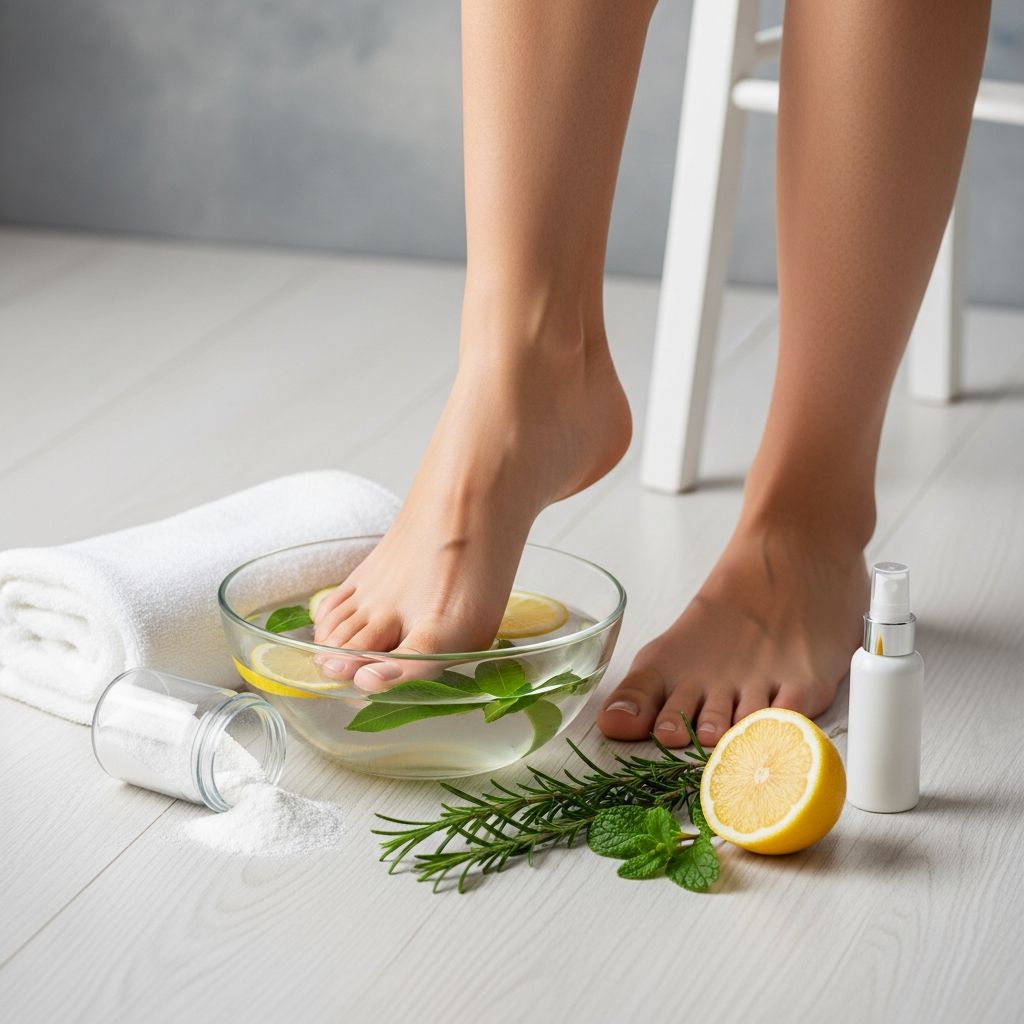
Foot odor, medically known as bromodosis, stems from bacterial breakdown of sweat in the warm, moist environment inside shoes and socks. With proper hygiene and lifestyle adjustments, most cases can be controlled effectively.
Understanding the Roots of Foot Odor
The human foot contains over 250,000 sweat glands, producing significant moisture daily, especially during activity or stress. This sweat itself is odorless, but when combined with dead skin cells and trapped in non-breathable footwear, it becomes a breeding ground for bacteria and fungi. These microorganisms metabolize the sweat, releasing volatile compounds like isovaleric acid that produce the characteristic stench.
Several factors amplify this process:
- Hyperhidrosis: Excessive sweating beyond normal levels creates persistent dampness, ideal for microbial growth.
- Footwear Choices: Synthetic materials in shoes and socks trap heat and moisture, unlike natural fabrics that allow evaporation.
- Hygiene Lapses: Skipping thorough drying, particularly between toes, lets bacteria flourish unchecked.
- Medical Influences: Conditions like hyperthyroidism, diabetes, hormonal shifts during puberty or menopause, and certain medications increase perspiration.
- Dietary Factors: Sulfur-rich foods such as garlic, onions, and cruciferous vegetables can alter sweat composition, intensifying smells.
Unique body chemistry in 10-15% of individuals favors bacteria producing sulfuric, rotten-egg-like odors.
Daily Habits to Prevent Odor Buildup
Consistent routines form the foundation of odor management. Prioritizing cleanliness disrupts the bacterial cycle at its source.
| Habit | Why It Helps | How to Implement |
|---|---|---|
| Wash Daily | Removes sweat, dead skin, and bacteria | Use antibacterial soap in lukewarm water; focus on toe crevices |
| Thorough Drying | Prevents moisture retention | Pat dry with towel, use hairdryer on cool setting if needed |
| Sock Changes | Avoids reintroducing bacteria | Change 1-2 times daily, especially after sweating |
| Shoe Rotation | Allows drying time | Alternate pairs; air out 24+ hours |
In addition, trim toenails straight across and exfoliate dead skin weekly with a pumice stone to minimize bacterial food sources.
Selecting Footwear and Socks for Freshness
Footwear significantly impacts odor risk. Breathable options promote airflow, reducing sweat accumulation.
- Choose leather, canvas, or mesh shoes over plastic or vinyl, which seal in humidity.
- Opt for open styles like sandals when suitable to enhance ventilation.
- Select moisture-wicking socks from cotton, wool, bamboo, or synthetic blends; avoid nylon, which retains dampness.
Always pair closed shoes with socks to absorb sweat. For athletic use, rotate multiple pairs to ensure full drying.
Proven Home Remedies for Quick Relief
Natural solutions offer accessible ways to neutralize bacteria and absorb moisture without harsh chemicals.
- Epsom Salt Soaks: Dissolve 1/2 cup Epsom salt in warm water; soak 15-20 minutes, 2-3 times weekly. Magnesium sulfate’s antimicrobial properties kill bacteria while soothing skin.
- Vinegar Baths: Mix 1 part white or apple cider vinegar with 2 parts water; soak 15 minutes. Acidity disrupts bacterial pH balance.
- Tea Soaks: Brew strong black tea (4-5 bags), cool, and soak 20 minutes. Tannins act as natural astringents to shrink pores and curb sweat.
- Baking Soda: Sprinkle inside shoes or dust on feet to neutralize acids and absorb moisture.
These remedies complement hygiene but work best with consistent use.
Related Stories



Over-the-Counter Products That Deliver Results
When home methods fall short, targeted products provide stronger intervention.
- Antiperspirants: Aluminum-based sprays or lotions for feet reduce sweat production; apply at night.
- Antibacterial Powders/Sprays: Containing ingredients like miconazole or triclosan, they target bacteria and fungi; use daily.
- Foot Creams: Antifungal options treat underlying infections contributing to odor.
- Shoe Deodorizers: Lysol spray or UV sanitizers kill microbes inside footwear.
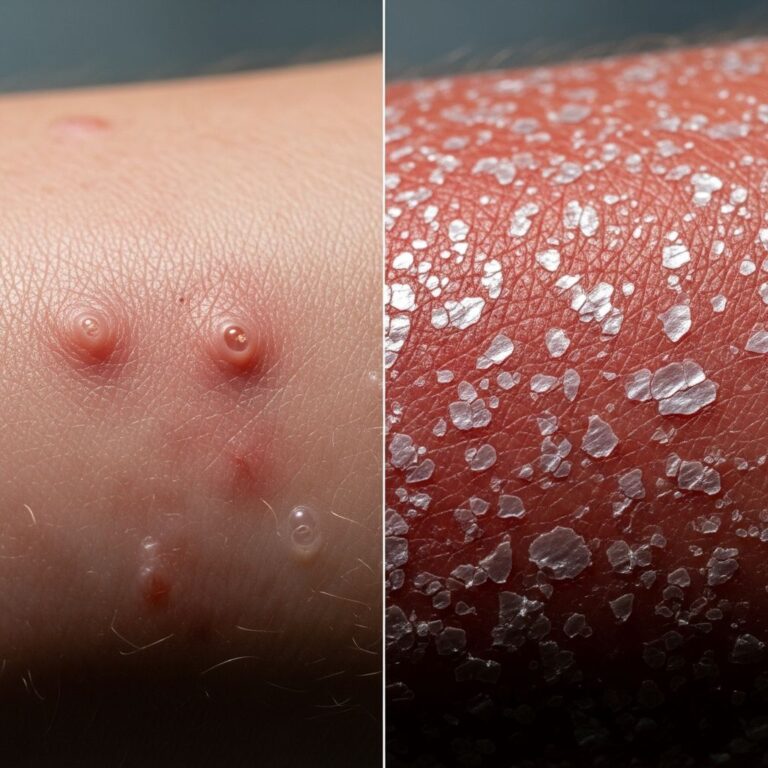
For persistent fungal signs like redness or scaling, antifungal powders prevent athlete’s foot, a common odor aggravator.
Addressing Underlying Health Contributors
Odor resistant to self-care may signal deeper issues. Hyperhidrosis affects sweat regulation, while endocrine disorders like hyperthyroidism boost overall perspiration.
Medications such as antidepressants, diabetes drugs, or NSAIDs can induce sweating as a side effect—consult a physician before adjustments.
Fungal infections thrive in damp feet, perpetuating cycles; early treatment with antifungals breaks this.
When to Consult a Healthcare Professional
Seek podiatrist or doctor evaluation if odor persists after 2-4 weeks of diligent prevention, or if accompanied by itching, cracking, discoloration, or pain. They may prescribe stronger antiperspirants, oral antifungals, or Botox injections for severe hyperhidrosis.
Diagnostic tests can uncover conditions like diabetes, warranting holistic management.
FAQs on Foot Odor Management
What is the fastest way to eliminate foot odor?
Combine daily antibacterial washes, Epsom salt soaks, and shoe rotation for rapid improvement within days.
Can diet influence foot smell?
Yes, reducing sulfur-heavy foods like garlic and broccoli can lessen pungent sweat odors.
Are barefoot shoes effective against odor?
They improve airflow but still require hygiene; pair with moisture-wicking insoles.
Does stress worsen foot odor?
Stress-induced sweating heightens bacterial activity; relaxation techniques help.
How do I deodorize old shoes?
Spray with disinfectant, stuff with newspaper overnight, or freeze overnight to kill bacteria.
Lifestyle Integration for Long-Term Success
Beyond specifics, embed odor control into routines: shower post-workout, use cedar shoe trees for absorption, and monitor for infection signs. Athletes benefit from weekly soaks and powder applications.
Children and teens, prone due to growth spurts, respond well to cotton socks and open footwear.
Sustained effort yields odor-free confidence. Track progress; adjust as seasons or activities shift sweat patterns.
References
- Smelly Feet and Foot Odor: Causes, Prevention, and Remedies — Florida Foot and Ankle Institute. 2023. https://floridafai.com/learn/smelly-feet-and-foot-odor-causes-prevention-and-remedies/
- Prevention (Foot Odor) — Crystal Falls Podiatry. 2023. https://www.crystalfallspodiatry.com/prevention-foot-odor
- Smelly Feet and Foot Odor — Cleveland West Park Foot Care. 2023. https://www.clevelandwestparkfootcare.com/articles/ami/514908-smelly-feet-and-foot-odor/
- Five Simple Steps to Banish Foot Odor — University Hospitals. 2023-04-01. https://www.uhhospitals.org/blog/articles/2023/04/five-simple-steps-to-banish-foot-odor
- A Texas Podiatrist’s Guide to Fresh, Odor-Free Feet — Austin Foot and Ankle. 2023. https://www.austinfootandankle.com/library/foot-odor-causes-and-treatment.cfm
- Foot Odor — Kids Kare Pediatrics. 2023. https://www.kidskarepediatrics.com/blog/405801-foot-odor
- How To Get Rid of Smelly Feet: 8 Home Remedies That Work — Cleveland Clinic Health. 2023. https://health.clevelandclinic.org/how-to-get-rid-of-smelly-feet
Similar Articles








Read full bio of Sneha Tete