Managing Frequent Urination: Treatment Solutions for Enlarged Prostate
Discover effective strategies to reduce bathroom visits and reclaim your quality of life
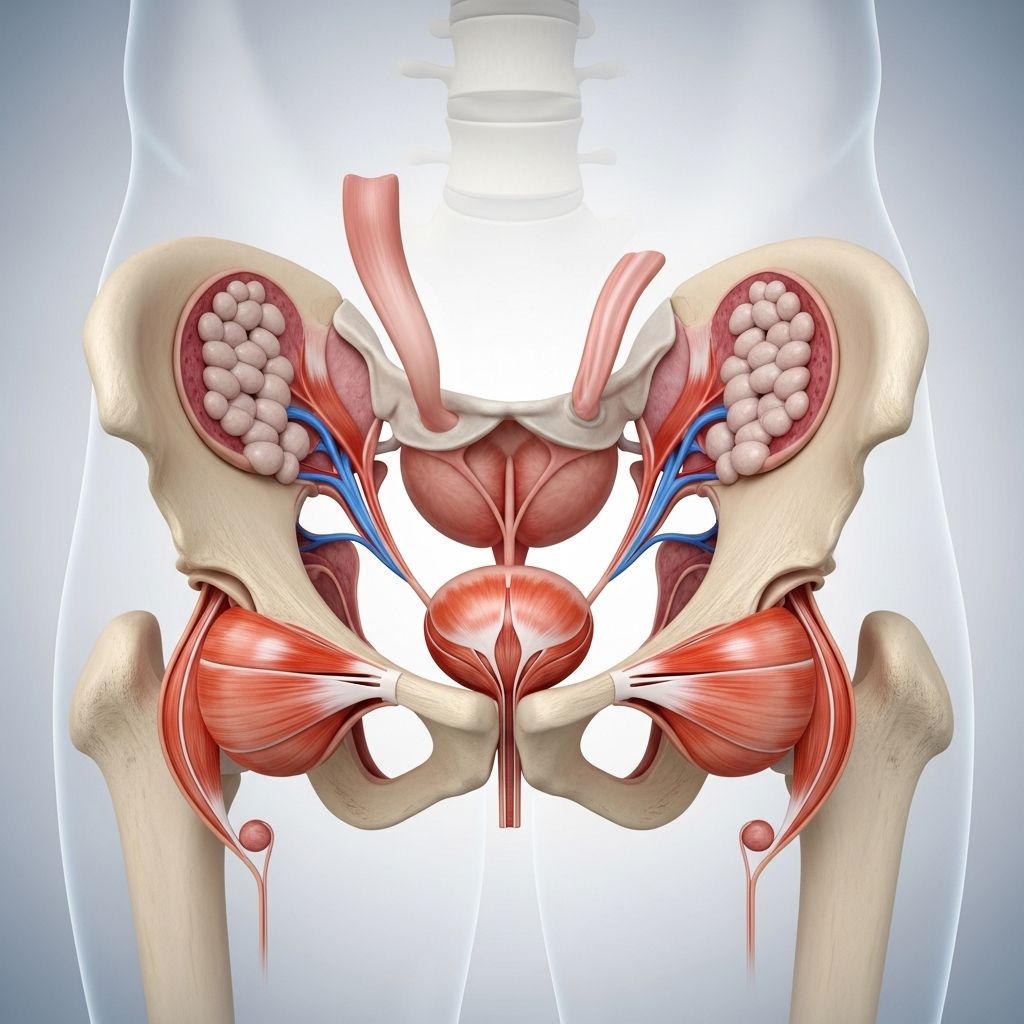
Frequent trips to the bathroom can significantly disrupt daily routines, sleep patterns, and overall quality of life for many men. This common concern often stems from benign prostatic hyperplasia (BPH), a condition where the prostate gland enlarges and restricts urine flow. The good news is that numerous treatment approaches exist to help men regain control and reduce the frustration of constant bathroom visits. Understanding these options allows individuals to work with their healthcare providers to select the most appropriate solution for their specific situation.
Understanding the Scope of the Problem
Benign prostatic hyperplasia affects millions of men worldwide, particularly as they age. The enlarged prostate presses against the urethra, creating urinary urgency and frequency that can interrupt work, social activities, and sleep. Many men experience multiple nighttime bathroom visits, commonly referred to as nocturia, which leads to fatigue and reduced daytime productivity. The emotional and psychological toll of constantly managing bathroom needs often motivates men to seek treatment, even if symptoms are not severe enough to cause physical complications.
The condition itself is benign, meaning it does not develop into cancer or pose an immediate health threat. However, its impact on daily functioning warrants attention and intervention. Healthcare providers recognize that treatment decisions should be based not only on the objective severity of symptoms but also on how significantly the condition affects an individual’s lifestyle and personal preferences regarding intervention.
Behavioral Modifications as First-Line Approaches
Before pursuing medications or procedures, many healthcare providers recommend implementing lifestyle adjustments that can meaningfully reduce urinary frequency. These non-pharmacological strategies address the underlying behaviors and dietary factors that exacerbate symptoms without introducing medications or their associated side effects.
Dietary Adjustments and Fluid Management
Specific foods and beverages can irritate the bladder and intensify urinary urgency. Chocolate, citrus fruits, carbonated drinks, and caffeine are common culprits that increase the urge to urinate. By identifying and limiting these irritants, men often notice substantial improvements in symptom frequency. Additionally, reducing overall fluid consumption, particularly in the hours before bedtime, significantly decreases nighttime bathroom visits. Strategic timing of fluid intake—consuming most liquids during daytime hours rather than evening—allows men to maintain adequate hydration while minimizing sleep disruption.
Scheduled Voiding Techniques
Rather than urinating whenever the urge strikes, implementing a regular voiding schedule every ninety minutes to two hours helps train the bladder and reduce excessive urgency signals. This approach, combined with bladder training exercises, helps men regain control over their urinary patterns. Double voiding techniques, which involve urinating twice in close succession, can help ensure complete bladder emptying and reduce subsequent urinary urgency. Pelvic floor exercises and mindfulness practices further support bladder control by strengthening the muscles involved in maintaining continence.
Lifestyle Habits Supporting Prostate Health
Avoiding constipation through adequate dietary fiber intake helps maintain proper pelvic positioning and reduces bladder irritation. Limiting alcohol and caffeine intake, beyond their direct irritant effects on the bladder, supports overall urinary tract health. Men should also be cautious of over-the-counter medications, including certain decongestants and antihistamines, which can worsen urinary symptoms by affecting bladder muscle function. Maintaining regular physical activity and adopting a diet rich in fruits, vegetables, and healthy fats—consistent with Mediterranean dietary patterns—supports both prostate and cardiovascular health.
Pharmaceutical Treatment Options
When lifestyle modifications alone prove insufficient, medications offer reliable symptom relief for many men with BPH. Multiple medication classes work through different mechanisms to improve urinary flow and reduce frequency.
Related Stories



Alpha-Blockers: Relaxing Urinary Muscles
Alpha-blocker medications represent the most commonly prescribed pharmacological treatment for BPH. These drugs work by relaxing the smooth muscles in both the bladder neck and prostate tissue, thereby widening the urinary channel and reducing obstruction to urine flow. Tamsulosin (Flomax) specifically targets prostate tissue and has become a first-line medication for many patients. The onset of symptom improvement typically occurs within one to eight weeks of starting therapy.
While generally well-tolerated, alpha-blockers can produce side effects including decreased blood pressure, dizziness, and lightheadedness, particularly upon standing quickly. Some men experience retrograde ejaculation, where semen flows backward into the bladder rather than through the urethra during ejaculation. Although this side effect can be startling to patients unfamiliar with it, it poses no health danger and often reverses upon medication discontinuation.
5-Alpha-Reductase Inhibitors: Slowing Prostate Growth
These medications work through a different mechanism by decreasing production of dihydrotestosterone (DHT), a hormone that drives prostate growth. Particularly beneficial for men with significantly enlarged prostates, these drugs slow disease progression and can gradually reduce prostate size over time. However, they typically require six months to a year of consistent use before demonstrating maximum benefit, making them better suited for long-term management than immediate symptom relief.
Combination Therapy Approaches
Healthcare providers sometimes prescribe combined medications, such as dutasteride and tamsulosin (Jalyn), that address multiple aspects of BPH simultaneously. This combination approach targets both immediate symptom relief through muscle relaxation and longer-term disease modification through hormonal regulation.
Minimally Invasive Procedural Options
For men who prefer procedural intervention over long-term medication or who experience inadequate symptom relief from pharmaceutical treatment, minimally invasive procedures offer effective alternatives with shorter recovery periods than traditional surgery.
Water Vapor Thermal Therapy and Steam-Based Treatments
Water vapor thermal therapy uses precisely controlled steam energy to ablate excess prostate tissue. A device inserted into the urethra converts water into steam, which shrinks surrounding prostate tissue over several weeks as the body reabsorbs treated material. This approach produces symptom relief beginning as early as two weeks, with maximum improvement typically achieved within three months. The procedure demonstrates particular appeal because it produces fewer sexual side effects compared with many alternative surgical interventions. Similar steam-based technology, sometimes called Rezûm, functions effectively for prostates smaller than eighty grams and offers rapid symptom improvement with minimal tissue trauma.
Robotic-Assisted Waterjet Ablation
Advanced technology now enables robotic-guided delivery of high-pressure water jets into the prostate through the urethra. Imaging guidance allows surgeons to precisely target and remove obstructing tissue while preserving surrounding structures. This technique offers efficacy comparable to traditional approaches while potentially reducing certain complications.
Prostatic Urethral Lift Procedures
Rather than removing prostate tissue, the prostatic urethral lift procedure repositions the enlarged gland by implanting small permanent sutures that compress and lift the lateral prostate lobes. This mechanical approach widens the urethral opening without tissue removal, reducing procedural trauma and recovery time. The procedure proves particularly suitable for men who wish to maintain sexual function, as it avoids tissue destruction.
Temporary Nitinol Device Reshaping
An innovative approach uses a temporary nickel-titanium device inserted into the prostatic urethra in a narrow configuration. As the device expands over five to seven days, it exerts gentle pressure that reshapes both the prostatic urethra and bladder neck, creating a wider channel for urine flow. After the reshaping process completes, the device is removed. This approach offers tissue remodeling without permanent implants or tissue removal.
Surgical Intervention for Significant Enlargement
When the prostate achieves substantial enlargement or other treatments prove insufficient, various surgical approaches effectively remove obstructing tissue and restore adequate urinary flow.
Transurethral Resection and Laser Vaporization
Transurethral resection of the prostate (TURP) remains one of the most effective treatments for most BPH cases. Using an endoscopic approach with visualization through the urethra, surgeons employ an electric loop to remove all but the outer capsule of the prostate. This procedure typically produces rapid symptom relief, with men experiencing improved urinary flow soon after recovery. Photo-selective vaporization (PVP) represents a laser-based alternative using electrical current to destroy excess prostate tissue while sealing small blood vessels to minimize bleeding risk. This approach proves especially beneficial for men requiring ongoing blood-thinner medications.
Advanced Tissue Enucleation Techniques
For significantly enlarged prostates, laser-based enucleation procedures remove nearly the entire gland without external incisions. Using either bipolar plasma energy (BipoLEP) or laser energy (HoLEP), surgeons insert a thin instrument through the urethra, where a laser cuts the overgrown tissue into small, removable fragments. This approach benefits patients with exceptionally large prostates, those unable to discontinue blood-thinning medications, or those experiencing significant urinary retention. These procedures often require only overnight hospitalization and produce durable symptom relief.
Minimally Invasive Robotic Prostatectomy
Robotic-assisted laparoscopic prostatectomy removes tissue blocking urine flow through small incisions in the side, typically requiring only one night of hospitalization. The surgical robot provides enhanced visualization and precision control, potentially reducing complications and recovery time compared with open surgical approaches. This option combines the definitive tissue removal benefits of traditional surgery with the reduced invasiveness of laparoscopic techniques.
Recovery Expectations and Timelines
Understanding recovery varies significantly depending on the specific treatment chosen. Minimally invasive procedures typically allow men to resume normal activities within several days, with symptom improvements becoming apparent within three to six weeks. Traditional surgical approaches may require slightly longer recovery periods but often produce more immediate and dramatic symptom relief. Common temporary post-procedure symptoms include increased urinary frequency and urgency for several days to weeks, burning sensations during urination, and blood-tinged urine or semen. Healthcare providers typically prescribe antibiotics to prevent infection and anti-inflammatory medications to manage irritative symptoms during the healing process.
Special Considerations for Older Patients
For men aged sixty-five and older, medications and minimally invasive treatments are generally preferred over traditional surgery. Older patients often experience more surgical complications and require longer recovery periods. The less-invasive approaches offer effective symptom relief with lower complication rates in this population, making them particularly attractive alternatives for elderly men with BPH.
Making the Right Treatment Choice
Treatment selection should reflect individual symptom severity, personal preferences, overall health status, and lifestyle priorities. Some men prioritize minimal intervention and accept occasional symptoms, choosing watchful waiting with periodic medical monitoring. Others prefer permanent solutions and opt for surgical approaches despite longer recovery periods. Still others select minimally invasive procedures as a middle ground offering definitive results with faster recovery. Healthcare providers should thoroughly discuss all available options, potential side effects, recovery timelines, and expected outcomes to facilitate informed decision-making aligned with patient values and goals.
Frequently Asked Questions
How long does it take to see improvement after starting BPH medication?
Symptom improvement typically develops gradually over one to eight weeks of consistent medication use. Alpha-blockers often produce earlier relief than 5-alpha-reductase inhibitors, which may require six months to a year for maximum effect.
Will lifestyle changes alone resolve BPH symptoms?
Lifestyle modifications can significantly reduce symptoms for some men, particularly those with mild to moderate BPH. However, more advanced enlargement typically requires pharmaceutical or procedural intervention for adequate symptom control.
What sexual side effects should I expect from BPH treatments?
Alpha-blockers may cause retrograde ejaculation but do not typically affect erectile function. Minimally invasive procedures like prostatic urethral lift and water vapor therapy produce fewer sexual side effects than traditional surgical approaches. Individual experiences vary considerably.
Can BPH lead to serious complications if left untreated?
While BPH itself is benign and cannot develop into cancer, severe untreated cases can lead to urinary retention, urinary tract infections, and bladder damage. Regular medical monitoring ensures early detection of any progression.
How do I decide between medication and procedural treatment?
This decision should reflect your symptom severity, preference for permanent versus temporary solutions, tolerance for medication side effects, desired recovery timeline, and long-term health goals. Thorough discussion with your healthcare provider helps identify the best approach for your situation.
Conclusion: Restoring Quality of Life
Frequent urination caused by benign prostatic hyperplasia significantly impacts daily functioning, but numerous effective treatment options exist to address this concern. From simple behavioral modifications to advanced surgical techniques, the treatment spectrum accommodates varying symptom severity and personal preferences. The absence of a cure for BPH does not mean men must suffer uncontrolled symptoms indefinitely. Rather, modern urology offers multiple pathways to symptom relief and improved quality of life. Men experiencing persistent urinary symptoms should consult healthcare providers to explore appropriate treatment options tailored to their individual circumstances, ensuring they can return to normal activities without constant bathroom-related interruptions.
References
- Benign Prostatic Hyperplasia (BPH): Symptoms & Treatment — Cleveland Clinic. 2024. https://my.clevelandclinic.org/health/diseases/9100-benign-prostatic-hyperplasia
- Benign Prostatic Hyperplasia: Rapid Evidence Review — American Academy of Family Physicians. June 2023. https://www.aafp.org/pubs/afp/issues/2023/0600/benign-prostatic-hyperplasia.html
- Men’s Health: How is Benign Prostatic Hyperplasia Treated — Mayo Clinic Health System. https://www.mayoclinichealthsystem.org/hometown-health/speaking-of-health/mens-health-how-is-benign-prostatic-hyperplasia-treated
- Benign Prostatic Hyperplasia (BPH) – Diagnosis and Treatment — Mayo Clinic. https://www.mayoclinic.org/diseases-conditions/benign-prostatic-hyperplasia/diagnosis-treatment/drc-20370093
- Benign Prostatic Hyperplasia (BPH) — UCSF Department of Urology. https://urology.ucsf.edu/patient-info/adult-non-cancer/endourology-nephrolithiasis/benign-prostatic-hyperplasia-bph
- Enlarged Prostate (Benign Prostatic Hyperplasia) — National Institute of Diabetes and Digestive and Kidney Diseases (NIDDK). https://www.niddk.nih.gov/health-information/urologic-diseases/prostate-problems/enlarged-prostate-benign-prostatic-hyperplasia
- Enlarged Prostate — National Health Service (NHS). https://www.nhs.uk/conditions/enlarged-prostate/
Similar Articles








Read full bio of Sneha Tete