Managing Hip Pain Without Surgery: Conservative Treatment Guide
Explore effective non-surgical approaches to hip pain management and joint health
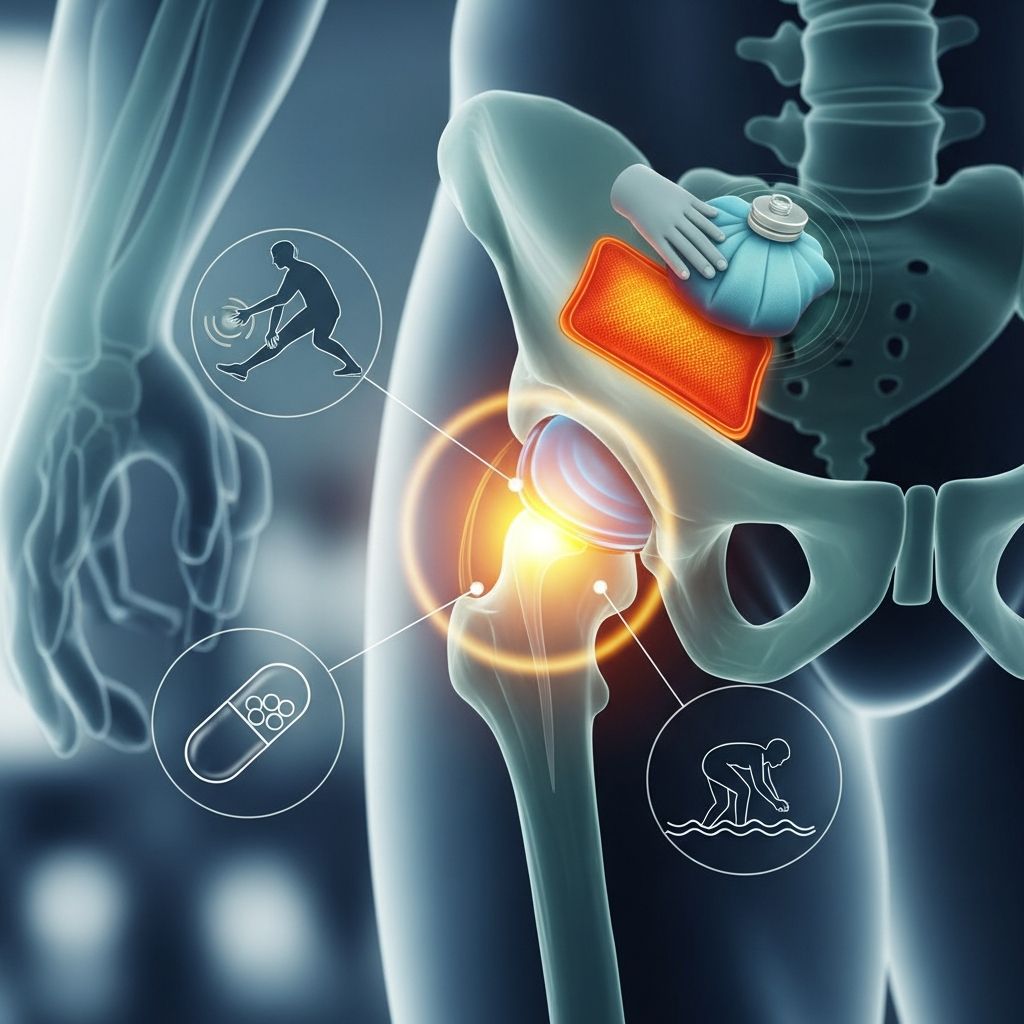
Hip pain can significantly impact daily activities, mobility, and quality of life. While hip replacement surgery is sometimes necessary, many patients can find substantial relief through conservative, non-surgical approaches. Healthcare providers typically recommend exhausting non-surgical treatment options before considering surgical intervention, as these methods are less invasive and carry fewer risks. Understanding the range of available alternatives empowers patients to make informed decisions about their hip health.
The Progressive Approach to Hip Pain Management
When patients first experience hip pain or receive a diagnosis of hip arthritis, physicians typically initiate a conservative treatment strategy. This graduated approach begins with the least invasive interventions and progresses only if earlier treatments prove insufficient. The philosophy behind this methodology is straightforward: preserve natural joint function whenever possible while providing meaningful pain relief and functional improvement. Most patients can achieve adequate symptom control through one or more conservative treatments without requiring surgical intervention.
Lifestyle Modifications: The Foundation of Pain Management
Adjusting daily habits and activities forms the cornerstone of non-surgical hip pain management. These modifications address the underlying mechanical stress contributing to joint discomfort and degeneration.
Weight Management represents one of the most impactful lifestyle changes. Excess body weight increases the load bearing stress on hip joints, exacerbating pain and accelerating cartilage wear. Even modest weight loss can substantially reduce symptoms and improve overall joint function.
Activity Modification involves making intelligent choices about movement and exertion. This does not mean abandoning physical activity, but rather avoiding high-impact movements and prolonged activities that aggravate symptoms. Patients should limit extended standing or walking periods and instead embrace shorter, more frequent activity intervals. Using assistive devices such as a cane can redistribute weight away from the affected hip, allowing individuals to remain active while reducing joint strain. A cane can support approximately 25 percent of a person’s weight, while a walker can support up to 50 percent.
Environmental and Occupational Adjustments help minimize unnecessary stress on the hip joint. This may include ergonomic workplace modifications, proper seating support, and strategic positioning during rest periods.
Physical Therapy and Targeted Exercise Programs
Structured physical therapy represents one of the most effective non-surgical treatments for hip pain. A licensed physical therapist designs individualized programs tailored to each patient’s specific limitations, tolerance levels, and functional goals.
Strengthening Exercises focus on building muscle groups that stabilize and support the hip joint. When supporting muscles remain weak or underused, they cannot adequately stabilize the joint, allowing increased stress on cartilage and bone. Targeted resistance training with bands or light weights rebuilds these protective muscles. Key muscle groups include the glutes, quadriceps, and hamstrings, which together provide crucial support for hip function.
Flexibility and Range of Motion Work addresses the stiffness that naturally develops with hip joint damage. Tight muscles restrict movement and can increase pain with activity. Physical therapists teach proper stretching techniques that relieve stiffness without further damaging the joint. This work allows patients to maintain or regain functional movement patterns necessary for daily activities.
Low-Impact Aerobic Conditioning maintains cardiovascular health and manages weight while protecting the joint. Walking, swimming, and stationary cycling provide cardiovascular benefits without excessive joint stress. Water-based exercise deserves particular mention, as aquatic therapy programs are especially effective for arthritis management. The water’s buoyancy removes weight-bearing stress while providing mild resistance for strengthening.
Related Stories



Physical therapists provide supervision during initial treatment phases to ensure patients perform exercises correctly, protecting the joint while maximizing therapeutic benefit. Once patients master proper technique, many exercises can be performed independently at home or at a gym as part of a continuing home exercise program.
Pharmaceutical Interventions for Inflammation Management
Medications play an important role in managing hip pain, particularly by addressing inflammation, which is the primary driver of arthritis-related pain.
Non-Steroidal Anti-Inflammatory Drugs (NSAIDs) reduce inflammation in the hip joint and provide temporary pain relief. These medications are available both over-the-counter (such as ibuprofen) and by prescription. Newer classifications of NSAIDs called Cox-2 inhibitors offer enhanced pain reduction with fewer side effects compared to traditional NSAIDs.
Analgesics such as acetaminophen provide pain relief through a different mechanism than NSAIDs. These over-the-counter options can be used alone or combined with other treatments to manage discomfort.
Dietary Supplements including glucosamine and chondroitin are sometimes recommended to support joint health, though evidence for their effectiveness varies among patients.
Injectable Therapies: Targeted Joint Treatment
Injectable treatments deliver medication or biological substances directly into the hip joint, providing concentrated therapeutic effects.
Corticosteroid Injections reduce inflammation in the joint lining and provide pain relief. Many patients experience substantial symptom relief following cortisone injection, allowing them to continue necessary daily activities and functional movements. These injections offer temporary relief and may delay the need for surgery by months or years.
Hyaluronic Acid Injections supplement the natural lubrication within the hip joint. These injections are particularly beneficial for patients experiencing joint inflammation in the synovial lining.
Regenerative and Biological Therapies represent emerging treatment options gaining popularity in orthopedic medicine. Platelet-rich plasma (PRP) injections use components from a patient’s own blood to stimulate healing and reduce inflammation. Stem cell injections introduce specialized cells that may help develop additional bone or cartilage. While these emerging therapies show promise for some patients, evidence regarding their effectiveness and safety remains limited compared to established treatments. These biological options are typically considered for patients who have exhausted conventional treatments but continue seeking relief.
Assistive Devices and Supportive Equipment
Specialized devices provide external support, improve stability, and reduce joint load during daily activities.
Hip braces offer external support during activities, and newer brace designs specifically address hip arthritis, though braces have historically been more commonly used for knee conditions. Proper fitting by an orthopedic specialist ensures optimal benefit.
Canes, walkers, and other mobility aids redistribute weight and improve balance, making movement safer and less painful. These devices are not signs of limitation but rather tools that enable continued independence and participation in daily life.
Comparing Conservative Treatment Options
| Treatment Approach | Primary Benefit | Time Investment | Cost Consideration |
|---|---|---|---|
| Lifestyle Modification | Reduces joint stress naturally | Ongoing | Minimal to none |
| Physical Therapy | Rebuilds strength and flexibility | Several weeks to months | Variable with insurance |
| Over-the-Counter Medications | Pain and inflammation relief | Immediate | Low cost |
| Prescription NSAIDs | Enhanced anti-inflammatory effect | Immediate | Moderate with insurance |
| Joint Injections | Targeted inflammation reduction | Months of relief | Higher upfront cost |
| Assistive Devices | Load reduction and stability | Immediate | Moderate one-time cost |
Specialized Surgical Alternatives for Advanced Consideration
For patients with specific joint conditions, certain minimally invasive surgical procedures may bridge the gap between conservative treatments and full hip replacement. Hip arthroscopy performed on an outpatient basis involves minimal downtime while addressing specific joint damage through repair rather than replacement. This procedure can extend functional joint life significantly for appropriate candidates.
Emerging regenerative surgical approaches, such as Fresh Osteochondral Allograft Transplantation Surgery (OATS) to the femoral head, represent innovative alternatives under investigation as potential hip replacement alternatives.
Frequently Asked Questions About Non-Surgical Hip Treatment
Q: How long does it take to see improvement with physical therapy?
A: Most patients notice meaningful improvements within 4-6 weeks of consistent physical therapy. However, significant functional gains often require 3-6 months of ongoing commitment.
Q: Can injections permanently cure hip pain?
A: Injections provide temporary relief, typically lasting weeks to months. They can delay surgical intervention substantially but are not permanent solutions. Many patients repeat injections periodically as symptoms return.
Q: Is weight loss necessary for non-surgical treatment success?
A: Weight loss significantly improves outcomes but is not absolutely required. However, it reduces mechanical stress on the joint and enhances the effectiveness of other treatments.
Q: What happens if conservative treatments fail?
A: If all non-surgical approaches prove insufficient, hip replacement surgery becomes a reasonable consideration. Modern hip replacement is highly effective at reducing pain and restoring function for appropriate candidates.
Q: Can I combine multiple conservative treatments?
A: Yes, combining approaches often produces better results than any single treatment alone. Physical therapy combined with weight loss and appropriate medications, for example, creates a comprehensive treatment strategy.
Creating Your Personalized Treatment Plan
Effective hip pain management requires individualized planning based on the specific diagnosis, severity of symptoms, functional limitations, and personal goals. Orthopedic specialists work with patients to identify the most appropriate combination of conservative treatments. Regular follow-up evaluations assess progress and adjust treatments as needed.
Success in non-surgical hip pain management typically requires patience and commitment. Many patients achieve excellent results by faithfully following prescribed exercise programs, making lifestyle modifications, and using medications as directed. The goal is not simply temporary pain relief but sustained improvement in function and quality of life.
Conservative treatment approaches preserve the natural hip joint while reducing pain and improving daily functioning. By systematically implementing appropriate non-surgical interventions before considering surgery, most patients can achieve their functional goals and maintain active, independent lifestyles. Working closely with healthcare providers to develop and execute a comprehensive treatment plan offers the best opportunity for sustained improvement and optimal long-term outcomes.
References
- Non-Surgical Alternatives to Hip Surgery — The Ortho Institute. https://theorthoinstitute.com/health-info/information-about-hip-replacement-surgery-for-patients-and-their-families/non-surgical-alternatives-to-hip-surgery/
- Hip Osteoarthritis Relief Without Surgery — Ace’s Premier Ortho. https://acespremortho.com/blog/hip-osteoarthritis-non-surgical-treatments-to-alleviate-pain-and-improve-function/
- Non Surgical Treatment for Hip Pain — Orthopedic Surgeon DC. https://www.orthopedicsurgeondc.com/hip-treatment/hip-non-surgical-alternatives/
- Non-Surgical Joint Treatment Options — UVA Health. https://uvahealth.com/services/joint-replacement/joint-pain-treatment
- Five Alternative, Nonsurgical Treatments for Hip or Knee Arthritis — Golden State Ortho. https://www.goldenstateortho.com/five-alternative-nonsurgical-treatments-for-hip/
- Exploring the Alternatives to Hip Replacement Surgery — Simon Bridle. https://simonbridle.com/exploring-the-alternatives-to-hip-replacement-surgery/
- A Regenerative Alternative to Hip Replacement — Mayo Clinic Sports Medicine. https://sportsmedicine.mayoclinic.org/news/a-regenerative-alternative-to-hip-replacement/
Similar Articles








Read full bio of medha deb