Managing Impulse Control in Parkinson’s Disease
Explore impulse control disorders in Parkinson's: causes, symptoms, management strategies, and support for better quality of life.
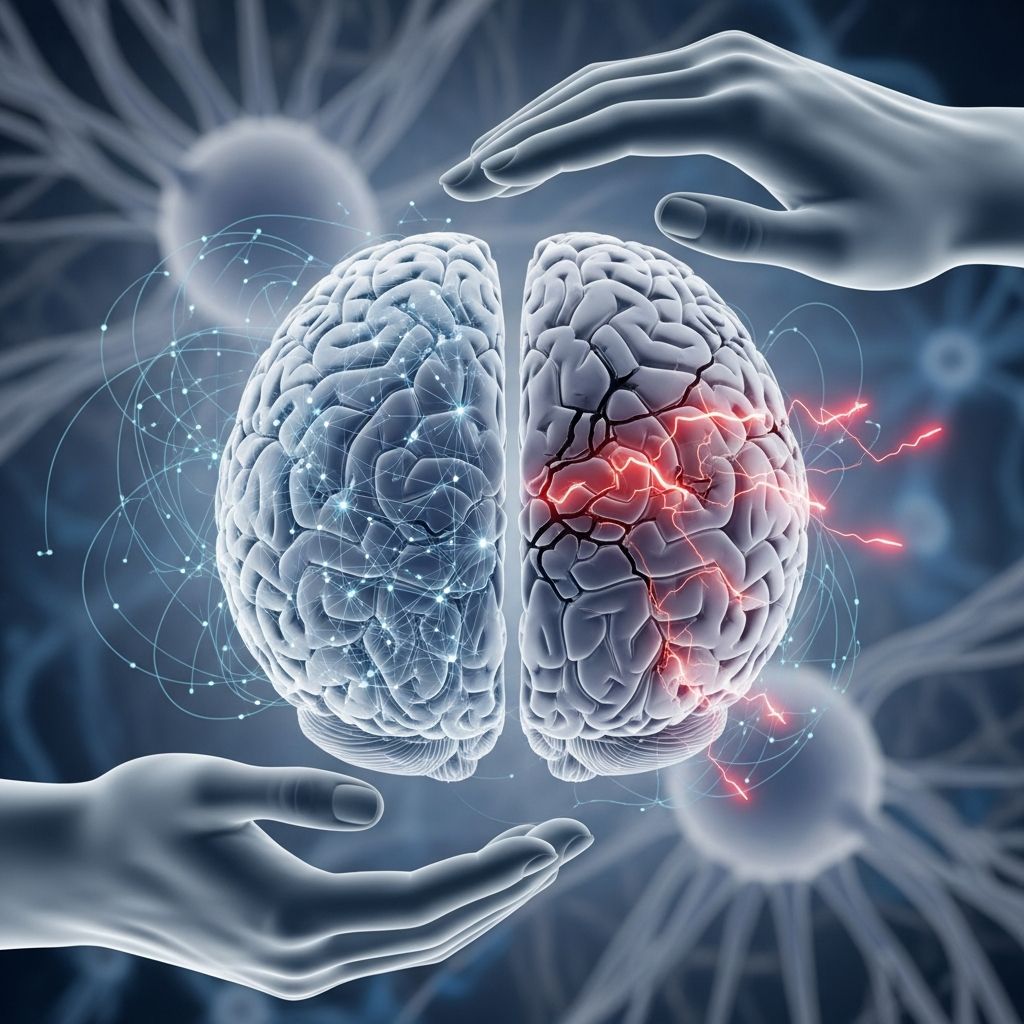
Impulse control disorders (ICDs) represent a significant challenge for many individuals living with Parkinson’s disease (PD), manifesting as repetitive, harmful behaviors driven by an overwhelming urge. These issues, which can include excessive gambling, shopping, eating, or sexual pursuits, often emerge as side effects of dopamine-based treatments essential for managing motor symptoms. Understanding these disorders is crucial for patients, caregivers, and healthcare providers to mitigate their impact and preserve quality of life.
Understanding Impulse Control Disorders in PD
In Parkinson’s disease, the brain’s dopamine deficiency leads to motor difficulties like tremors and rigidity. Medications such as dopamine agonists mimic dopamine to alleviate these symptoms but can overstimulate reward pathways, triggering ICDs. Studies indicate prevalence rates between 10-20% among PD patients, with some reviews reporting up to 43% in certain groups, particularly younger individuals.
ICDs are characterized by failure to resist impulses that cause distress or impair daily functioning. Unlike typical habits, these behaviors persist despite negative consequences, such as financial ruin from gambling or strained relationships from hypersexuality. Patients may not recognize the problem initially, as the activities provide temporary pleasure.
Common Forms of Compulsive Behaviors
ICDs in PD take various forms, each with potential to disrupt personal and social spheres. Here’s a breakdown:
- Pathological Gambling: Uncontrolled betting leading to significant losses, sometimes accelerating rapidly after medication changes.
- Compulsive Shopping: Impulsive purchases of unnecessary items, like multiple identical goods, resulting in debt and clutter.
- Binge Eating: Consuming large quantities of food without hunger, often secretly, linked to weight gain and guilt.
- Hypersexuality: Heightened sexual urges or behaviors inappropriate to context, affecting partnerships.
- Other Behaviors: Including hobbyism (excessive time on hobbies), punding (repetitive object manipulation), or hoarding.
| Behavior Type | Potential Consequences | Prevalence Insight |
|---|---|---|
| Pathological Gambling | Financial loss, family conflict | Common in dopamine agonist users |
| Compulsive Shopping | Debt, hoarding | Seen in 3-17% of PD cases |
| Binge Eating | Weight gain, health issues | Up to 43% in some studies |
| Hypersexuality | Relationship strain | Reported in 2-7% |
Why Do These Behaviors Occur?
The root lies in dopamine dysregulation. PD destroys dopamine-producing neurons, and replacement therapies boost levels unevenly. Dopamine agonists particularly target D2 and D3 receptors, heightening reward anticipation more than satisfaction, fostering addiction-like patterns. Research suggests a D1-D2 receptor mismatch exacerbates this in advanced PD.
Risk factors include younger age at onset, higher medication doses, smoking history, and male gender. Genetic predispositions may also play a role, akin to vulnerabilities in substance use disorders. Early detection hinges on monitoring for subtle shifts post-medication adjustment.
Spotting the Signs Early
Patients might conceal behaviors due to shame or denial, complicating diagnosis. Caregivers should watch for:
- Increased secrecy around finances or activities.
- Sudden weight changes or hidden food stashes.
- Unexplained debts or frequent online activity at odd hours.
- Neglect of responsibilities for impulsive pursuits.
Self-assessment tools and regular clinician screenings aid identification. Tools like the Questionnaire for Impulsive-Compulsive Disorders in PD (QUIP) quantify severity.
Treatment Approaches and Medication Strategies
Managing ICDs often starts with pharmacological tweaks. Key steps include:
- Medication Review: Reducing or discontinuing dopamine agonists resolves symptoms in many cases, though motor symptoms may worsen temporarily.
- Switching Therapies: Transition to levodopa or other agents less prone to ICDs.
- Deep Brain Stimulation (DBS): For advanced PD, DBS can control motor issues without high dopamine reliance, potentially eliminating ICDs.
Related Stories



Psychiatric support addresses co-occurring issues like depression or anxiety, which amplify ICDs. Cognitive behavioral therapy (CBT) teaches urge resistance and coping skills.
Non-Drug Management Techniques
Beyond meds, lifestyle and psychological strategies empower control:
- Cognitive Strategies: Mindfulness and urge surfing—observing impulses without acting.
- Environmental Controls: Limiting access to triggers, like credit cards for shoppers or casinos for gamblers.
- Support Networks: Therapy groups and caregiver education foster accountability.
- Healthy Outlets: Exercise, hobbies, and routines to channel energy positively.
Patients report success with structured daily plans and tracking apps for behaviors.
Role of Family and Caregivers
Caregivers are vital sentinels, offering non-judgmental observation and encouragement. Open dialogues prevent isolation, and family therapy resolves conflicts from behaviors like hypersexuality. Resources from organizations like the Parkinson’s Foundation provide tailored guidance.
Caregiver self-care combats burnout, including respite care and support groups.
Long-Term Outlook and Prevention
With prompt intervention, most ICDs remit upon medication adjustment, though relapse risks remain if doses increase. Ongoing monitoring ensures balance between motor control and behavioral health. Research into receptor-targeted drugs promises refined treatments.
Prevention emphasizes baseline risk screening before agonists and gradual dosing.
Frequently Asked Questions (FAQs)
Are ICDs permanent in Parkinson’s?
No, they often resolve with medication changes, though monitoring is essential.
Who is most at risk for ICDs?
Younger patients, males, and those on high-dose dopamine agonists.
Can therapy replace medication adjustments?
Therapy supports but rarely suffices alone; meds are primary.
How do I discuss ICDs with my doctor?
Be direct about behaviors and use tools like QUIP for clarity.
Does DBS cure ICDs?
It can eliminate need for culprit meds, reducing ICDs significantly.
Navigating ICDs requires a multidisciplinary approach, blending medical, psychological, and social support for optimal outcomes.
References
- Impulsive and compulsive behaviours in Parkinson’s — Parkinson’s UK. 2023. https://www.parkinsons.org.uk/information/drugs/side-effects/impulsive-compulsive-behaviours
- Impulse Control Disorders in Parkinson’s Disease: Essential Facts — International Parkinson and Movement Disorder Society. 2023. https://www.movementdisorders.org/MDS/Resources/Patient-Education/Impulse-Control-Disorders-in-Parkinsons-Disease.htm
- Parkinson’s and Impulse Control Disorders — Medical University of South Carolina (MUSC). 2023-04-21. https://www.musc.edu/content-hub/News/2023/04/21/Parkinsons-and-Impulse-Control-Disorders
- Impulse Control — Parkinson’s Foundation. 2023. https://www.parkinson.org/living-with-parkinsons/emotional-mental-health/impulse-control
- Impulse Control Disorders – Parkinson’s Foundation (YouTube Transcript Insights) — Parkinson’s Foundation. 2023. https://www.youtube.com/watch?v=K4ECIqbNwzU
- Impulse Control Disorders & Parkinson’s — American Parkinson Disease Association (APDA). 2023. https://www.apdaparkinson.org/what-is-parkinsons/symptoms/impulse-control-disorders/
- Management of Impulse Control and Related Disorders in Parkinson’s Disease — Movement Disorders Journal (Wiley). 2024. https://movementdisorders.onlinelibrary.wiley.com/doi/10.1002/mds.29700
Similar Articles








Read full bio of medha deb