Pruritus In Palliative Care: Practical Management Guide
Effective strategies to alleviate distressing itch for better comfort in end-of-life care.
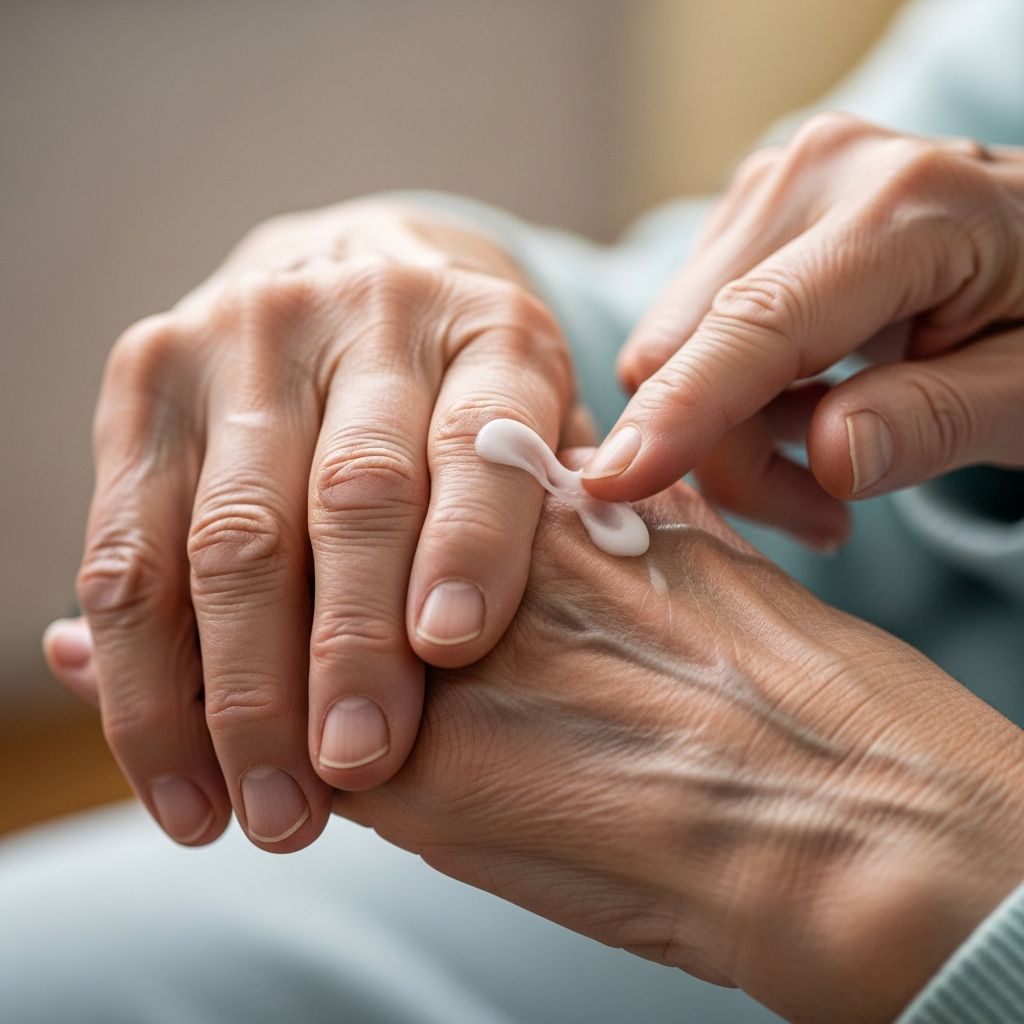
Itching, medically termed pruritus, represents a frequent yet challenging symptom in palliative care, often diminishing patients’ quality of life through relentless discomfort, disrupted sleep, and emotional strain. This article delves into the underlying mechanisms, common triggers, and multifaceted treatment options tailored for those in advanced illness stages.
Understanding the Nature of Pruritus
Pruritus arises from specialized nerve endings in the skin, primarily thin C-fibers, which transmit signals to the brain via the spinothalamic tract. Unlike pain, itch prompts a scratching reflex that can perpetuate a damaging cycle: scratching wounds the skin, heightening sensitivity and worsening the sensation.
Key pathways include histamine-dependent mechanisms, responsive to certain antihistamines, and non-histamine routes involving serotonin, opioids, cytokines, and neurotransmitters. In palliative contexts, histamine-independent pruritus predominates, explaining limited antihistamine efficacy.
Primary Causes in End-of-Life Scenarios
Several factors contribute to pruritus among patients receiving palliative support. Identifying the root cause guides targeted interventions.
- Dry Skin (Xerosis): The most prevalent trigger, exacerbated by aging, dehydration, frequent washing, or low-humidity environments. It affects nearly all patients and amplifies other itch sources.
- Cholestasis-Related Itch: Linked to liver dysfunction, where bile acid buildup and endogenous opioids activate central itch pathways. Often generalized and nocturnal.
- Uremic Pruritus: Common in kidney failure, stemming from toxin accumulation and altered neural signaling.
- Neuropathic Itch: Results from nerve damage, such as postherpetic neuralgia, spinal metastases, or tumors compressing neural pathways, producing localized or dermatomal patterns.
- Malignancy-Associated: Paraneoplastic syndromes in lymphomas or polycythemia vera, involving cytokine release or tumor infiltration.
- Opioid-Induced: More frequent with spinal administration, mediated by mu-opioid receptors; less common systemically.
- Infections and Allergies: Scabies, candida, or drug reactions, though less dominant in advanced stages.
- Psychogenic Factors: Stress, anxiety, or delusions amplifying perception via central nervous system changes.
Comprehensive Assessment Strategies
Effective management begins with thorough evaluation. Clinicians should:
- Examine skin for dryness, excoriations, or lesions.
- Review medications for pruritogenic effects (e.g., opioids, antibiotics).
- Assess systemic conditions via labs (liver/kidney function, bile acids).
- Consider neuropathic signs like distribution patterns.
- Evaluate psychological contributors through patient history.
A multidisciplinary team—including palliative specialists, dermatologists, and psychologists—enhances outcomes, addressing clustered symptoms like pain or insomnia.
Non-Pharmacological Interventions
Foundational care focuses on skin protection and environmental adjustments, applicable universally.
| Approach | Benefits | Implementation Tips |
|---|---|---|
| Moisturizers | Restores barrier, reduces transepidermal water loss | Apply emollients like Aquaphor or petrolatum post-bath, 2-3 times daily |
| Cool Compresses | Numbs nerve endings, breaks itch-scratch cycle | Use for 10-15 minutes on affected areas |
| Mentholated Preparations | Counterirritant effect | Low-concentration (0.5-1%) lotions |
| Environmental Controls | Prevents exacerbation | Maintain 40-60% humidity, loose cotton clothing, avoid irritants |
| Bathing Practices | Minimizes drying | Lukewarm water, emollient-added baths, pat dry |
These measures often suffice for mild cases and augment pharmacotherapy.
Pharmacological Treatment Ladder
Treatments escalate based on severity and etiology, prioritizing cause elimination where feasible (e.g., infection treatment, opioid adjustment).
First-Line Options
- Topical Corticosteroids: Ointments for inflamed, dry skin (e.g., hydrocortisone 1%).
- Antihistamines: Sedating types like diphenhydramine for histamine-mediated itch; non-sedating cetirizine otherwise. Limited broad utility.
Systemic Therapies for Refractory Cases
For Cholestasis/Uremia:
- Serotonin modulators: Paroxetine (10-20mg), mirtazapine (15mg nightly).
- Opioid antagonists: Naltrexone or naloxone infusions if opioid implicated.
- Ondansetron (8mg) for serotonin pathways.
For Neuropathic Itch:
- Gabapentinoids: Gabapentin (300-900mg TID), pregabalin (75-300mg BID).
- Anticonvulsants: Carbamazepine (200mg BID).
Antidepressants: Mirtazapine or sertraline for paraneoplastic or renal/cholestatic origins.
Related Stories



Opioid-Induced: Rotate agents, add low-dose naloxone, or use 5-HT3 antagonists.
Advanced: UVB phototherapy for cholestasis; topical capsaicin or EMLA cream for localized itch.
Special Considerations by Condition
Liver Failure and Cholestasis
Bile acid sequestrants like cholestyramine (4g daily) bind pruritogens; combine with sertraline if persistent.
Hematologic Malignancies
SSRIs or aspirin for polycythemia; steroids for lymphoma flares, alongside disease-directed therapy.
Psychogenic Overlay
Cognitive behavioral therapy, anxiolytics; address delusions if present.
Holistic and Supportive Care
Integrate psychological support, as itch heightens anxiety, depression, and isolation. Educate families on avoiding irritants and monitoring skin. Multidisciplinary input optimizes relief, with regular reassessment.
Frequently Asked Questions (FAQs)
Why do antihistamines often fail in palliative pruritus?
Most cases involve non-histamine mediators like opioids or serotonin, bypassing typical allergic pathways.
Can moisturizers alone resolve severe itch?
They form the base but often require adjuncts for systemic causes.
Is pruritus a sign of disease progression?
Not always; it may reflect treatable factors like dryness or medications.
How quickly do treatments work?
Topicals offer rapid relief; systemic agents may take days. Individual responses vary.
Should patients scratch?
Avoid to prevent cycle; redirect to patting or cool cloths.
Patient Outcomes and Prognosis
With systematic management, 70-80% achieve significant relief, enhancing comfort and sleep. Persistent cases benefit from specialist referral.
References
- Treating Pruritus at End of Life — Crossroads Hospice. 2023-01-14. https://www.crossroadshospice.com/hospice-palliative-care-blog/2023/january/14/treating-pruritus-at-end-of-life/
- The Management of Pruritus in Palliative Care — Oncology Nurse Advisor. N/A. https://www.oncologynurseadvisor.com/uncategorized/the-management-of-pruritus-in-palliative-care/
- Pruritus in Palliative Care: Getting up to Scratch — PMC – NIH. 2011. https://pmc.ncbi.nlm.nih.gov/articles/PMC3173420/
- Pruritus in the Hospice Patient: Causes and Management — ProCare HospiceCare. N/A. https://www.procarehospicecare.com/pruritus-in-the-hospice-patient-causes-and-management
- Pruritus — Palliative Care Network of Wisconsin. N/A. https://www.mypcnow.org/fast-fact/pruritus/
- Pruritus — BC Centre for Palliative Care. 2019-03. https://bc-cpc.ca/wp-content/uploads/2019/03/4-BCPC-Clinical-Best-Practices-colour-Pruritus.pdf
Similar Articles








Read full bio of Sneha Tete