Managing Light Sensitivity Post-Eye Injury
Discover effective strategies and treatments for photophobia after eye trauma, from home remedies to urgent medical interventions.
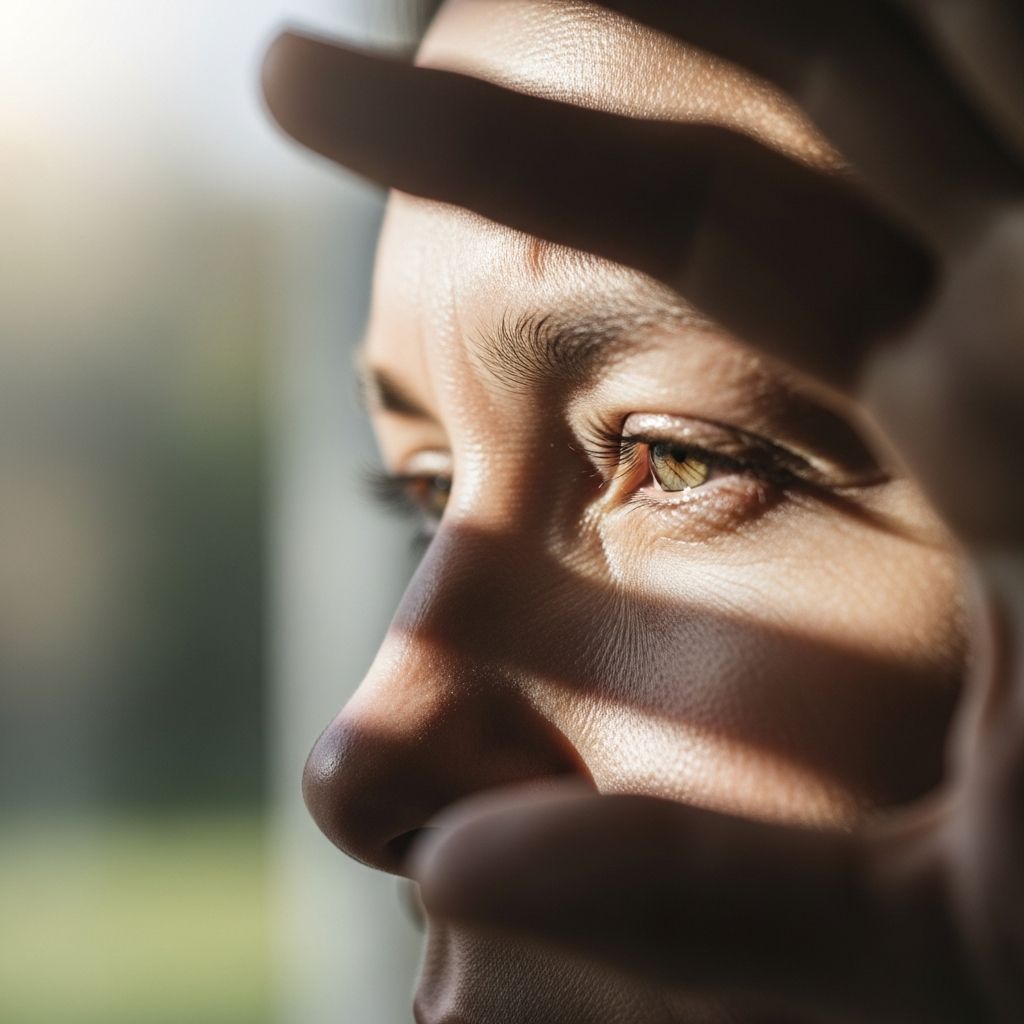
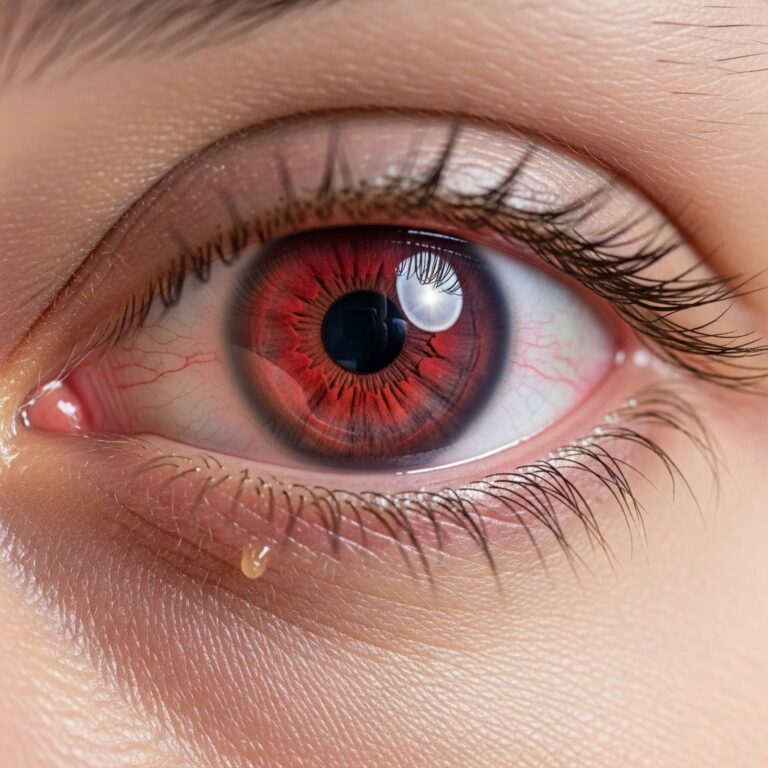
Light sensitivity, medically termed photophobia, often emerges as a prominent symptom following an eye injury, ranging from superficial scratches to deeper inflammatory responses. This discomfort arises when the eye’s structures become irritated or inflamed, making even normal lighting intolerable. Prompt recognition and appropriate management are essential to prevent complications and restore comfort.
Understanding Photophobia in the Context of Eye Injuries
Photophobia triggers a reflexive squinting or aversion to light due to heightened nerve sensitivity in the cornea, iris, or other ocular tissues. After trauma, this can stem from direct damage or secondary inflammation. While temporary cases may resolve with rest, persistent symptoms warrant professional evaluation to exclude vision-threatening issues.
The eye’s surface and internal layers are highly sensitive; any disruption amplifies light perception painfully. Factors like injury severity, location, and individual healing response influence duration and intensity. Early intervention typically shortens recovery and minimizes risks such as infection or scarring.
Primary Causes of Light Sensitivity Following Trauma
Eye injuries vary widely, but several common mechanisms lead to photophobia. Identifying the trigger guides effective treatment.
- Corneal Abrasions: Scratches on the cornea’s outer layer from foreign objects, contact lenses, or blunt force cause sharp pain, tearing, and intense light aversion. These heal quickly but risk infection if debris remains.
- Traumatic Iritis: Blunt impacts inflame the iris, producing aching pain, blurred vision, and photophobia. Microscopic inflammatory cells in the anterior chamber, visible via slit-lamp exam, confirm this.
- Chemical Burns: Exposure to acids or alkalis damages ocular surfaces, prompting immediate irritation and sensitivity. Alkalis pose greater long-term threats due to deeper penetration.
- Flash Burns (Photokeratitis): Ultraviolet exposure from welding, sun reflection, or tanning lamps mimics a sunburn on the cornea, with symptoms peaking hours later including gritty sensation and light intolerance.
- Foreign Bodies or Uveitis: Embedded particles or deeper inflammation from infection/trauma exacerbate sensitivity, often with redness and vision changes.
| Injury Type | Key Symptoms | Urgency Level |
|---|---|---|
| Corneal Abrasion | Pain, tearing, foreign body sensation | High if persistent >24 hrs |
| Traumatic Iritis | Aching pain, blurred vision | Emergency |
| Chemical Burn | Burning, redness, haze | Immediate |
| Flash Burn | Delayed pain, watering | Moderate to high |
Recognizing When It’s an Emergency
Not all photophobia requires rushing to the ER, but certain signs demand immediate attention. Sudden onset with severe pain, vision loss, profuse discharge, or nausea suggests conditions like angle-closure glaucoma or retinal detachment.
- Recent trauma with worsening symptoms
- Halos around lights or extreme pressure sensation
- Persistent redness beyond 24 hours
- Accompanying headache or systemic illness
Recent injury paired with photophobia should prompt specialist consultation within hours to avert permanent damage.
Home Care Strategies for Mild Cases
For minor irritations, supportive measures alleviate discomfort while healing progresses.
- Rest in dim environments; avoid screens and bright lights.
- Apply cold compresses to reduce swelling and soothe nerves.
- Use over-the-counter pain relievers like ibuprofen or paracetamol, following dosage guidelines.
- Lubricate with preservative-free artificial tears to combat dryness.
- Wear polarized sunglasses outdoors for UV and glare protection.
Avoid rubbing eyes or contact lenses until cleared by a doctor. Most superficial issues improve in 24-48 hours.
Professional Diagnostic Approaches
Eye specialists employ targeted exams to pinpoint causes.
- Slit-Lamp Examination: Reveals abrasions via fluorescein dye or inflammation via cell/flare.
- Intraocular Pressure Check: Rules out glaucoma.
- Fundoscopy: Assesses retina and optic nerve.
- Imaging: CT/MRI for suspected neurological links.
Related Stories



These confirm extent and guide therapy, ensuring no hidden threats.
Treatment Options Tailored to Injury Type
For Corneal Abrasions
Antibiotic drops prevent infection; bandage lenses protect during healing. Pain eases as epithelium regenerates in 24-48 hours.
For Inflammatory Conditions like Iritis
Cycloplegic drops dilate pupils, relieving spasm; corticosteroids curb inflammation. Resolution occurs in days to a week.
Chemical and Flash Burns
Urgent irrigation precedes patching or dilating agents. Follow-up ensures no scarring.
Severe cases may need surgery, like foreign body removal or transplants.
Recovery Timeline and Monitoring
Healing varies: mild abrasions mend swiftly, while burns or iritis take weeks. Regular check-ups track progress; complications like hyphema (blood in anterior chamber) require vigilant oversight.
Post-treatment, gradual light reintroduction prevents relapse. Protective eyewear becomes a staple.
Preventing Future Incidents
- Wear safety goggles during high-risk activities like welding or sports.
- Use UV-protective eyewear in bright environments.
- Handle chemicals with eye protection; irrigate immediately if exposed.
- Follow contact lens hygiene to avoid abrasions.
Special Considerations for Children and Vulnerable Groups
Pediatric cases mirror adults but may involve infections or migraines. Dry eye exacerbates symptoms in all ages; medications like antibiotics can induce photophobia.
Frequently Asked Questions
What triggers light sensitivity after injury?
Common culprits include abrasions, inflammation, burns, or infections. A full exam identifies the source.
Should I seek care for sudden photophobia?
Yes, especially with pain, vision changes, or trauma. Delays risk complications.
Can dry eyes cause this?
Absolutely; poor lubrication irritates surfaces, heightening sensitivity.
How long until recovery?
Days for minor issues, weeks for severe. Follow-ups ensure healing.
Are medications a factor?
Certain drugs like tetracyclines increase risk; consult providers.
Long-Term Outlook and Vision Protection
Most recover fully with timely care, though scars or opacities may persist in grave cases. Ongoing lubrication and sun protection safeguard eyes. Consult ophthalmologists for tailored advice.
References
- Sudden Light Sensitivity: When Is It an Eye Emergency — Refocus Eye Doctors. 2023. https://cheshire.refocuseyedoctors.com/article/sudden-light-sensitivity-when-is-it-an-eye-emergency/
- Eyes – flash burns — Better Health Channel (Victorian Government). 2023-10-24. https://www.betterhealth.vic.gov.au/health/conditionsandtreatments/eyes-flash-burns
- Everything You Should Know About An Eye Injury — 2020 Detroit. 2023. https://www.2020detroit.com/everything-you-should-know-about-an-eye-injury/
- Eye emergencies — MedlinePlus (U.S. National Library of Medicine). 2024-01-30. https://medlineplus.gov/ency/article/000054.htm
- Eye Injury (Corneal Abrasion) — Nationwide Children’s Hospital. 2023. https://www.nationwidechildrens.org/conditions/eye-injury-corneal-abrasion
- Corneal abrasion — American Optometric Association. 2024. https://www.aoa.org/healthy-eyes/eye-and-vision-conditions/corneal-abrasion
Similar Articles








Read full bio of Sneha Tete