Managing Low Blood Glucose: 5 Daily Prevention Strategies
Understand the risks, spot the signs early, and master prevention and treatment strategies for low blood glucose to stay safe and healthy.
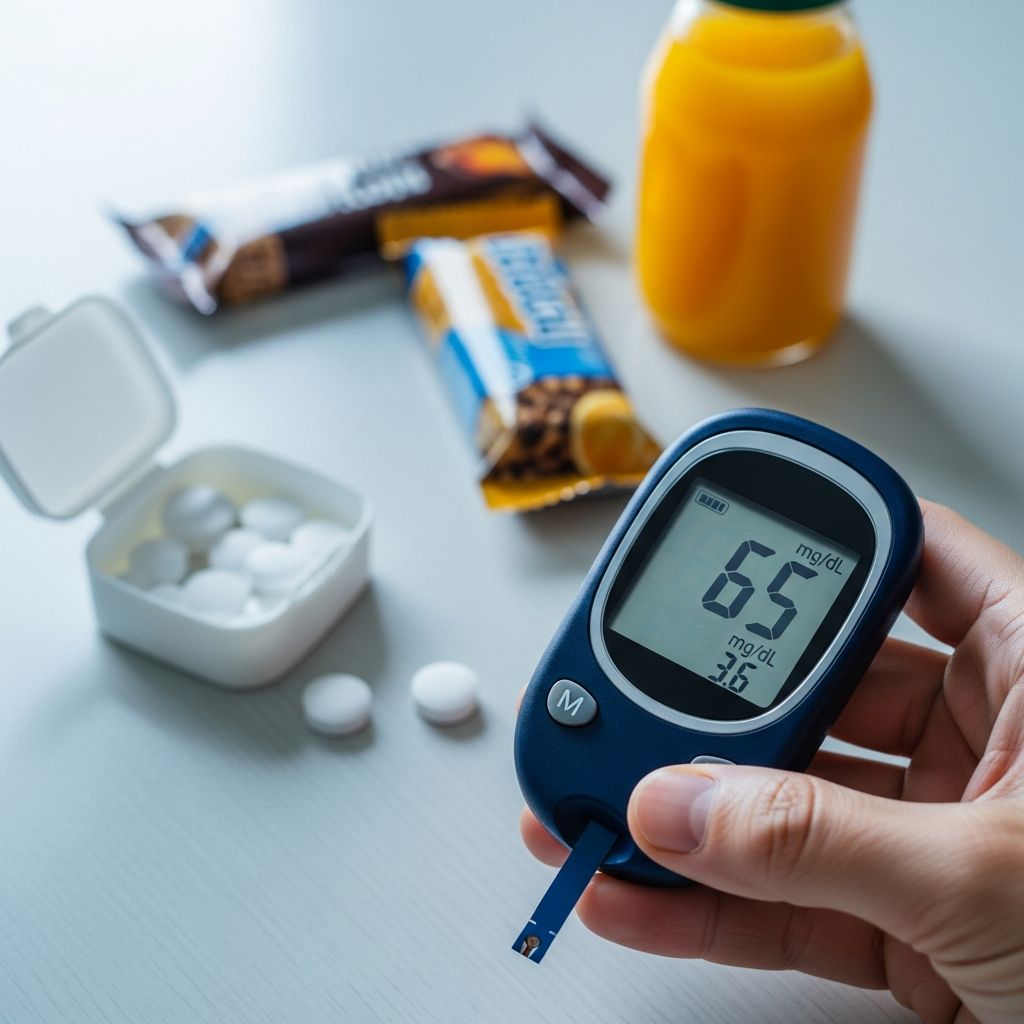
Low blood glucose, known as hypoglycemia, happens when blood sugar drops below healthy levels, typically under 70 mg/dL for those managing diabetes. This condition demands prompt action to prevent serious health risks, especially since the brain relies heavily on glucose for energy.
Why Blood Glucose Matters for Your Body
Glucose from carbohydrates fuels every cell, with the brain depending on it most. In healthy individuals, hormones like insulin and glucagon balance levels naturally. For diabetes patients, medications or insulin can disrupt this, leading to drops.
Without quick intervention, symptoms escalate from mild shakiness to confusion, seizures, or unconsciousness. Recognizing patterns early empowers better control.
Primary Triggers in Diabetes Management
The most frequent cause stems from diabetes treatments. Insulin injections or pills like sulfonylureas and meglitinides boost insulin production, potentially overshooting and lowering glucose too much.
- Excess insulin or medication: Too high a dose relative to food intake.
- Skipping meals: Not consuming enough carbs after dosing.
- Intense exercise: Burns glucose faster without adjusted intake.
Other factors include alcohol without food, hot weather, hormonal shifts like puberty or menstruation, and even high altitudes.
Non-Diabetes Related Causes
Beyond diabetes, reactive hypoglycemia post-bariatric surgery or certain metabolic issues can occur. The body overproduces insulin after rapid sugar absorption, causing rebounds.
| Common Triggers | Diabetes-Related | Other Causes |
|---|---|---|
| Medication overdose | Yes | No |
| Meal skipping | Yes | Possible |
| Exercise | Yes | Yes |
| Alcohol | Yes | Yes |
| Surgery aftermath | No | Yes |
Spotting the Warning Signs
Early detection hinges on knowing symptoms, which vary by person and severity. Mild cases bring shakiness, sweating, hunger, or rapid heartbeat. As levels fall further, confusion, blurred vision, weakness, or pale skin emerge.
- Shakiness or trembling
- Excessive sweating
- Intense hunger pangs
- Headaches or dizziness
- Irritability or anxiety
- Blurred vision or coordination issues
Severe signs include seizures, loss of consciousness, or inability to swallow—emergencies requiring immediate help.
How Symptoms Progress
Mild symptoms signal levels around 55-69 mg/dL; moderate adds cognitive fog. Below 54 mg/dL, risks skyrocket. Always verify with a glucometer if symptoms appear.
Immediate Action: The 15-15 Rule
For conscious individuals able to swallow, the American Diabetes Association’s 15-15 rule is standard: Consume 15-20 grams of fast-acting carbs, wait 15 minutes, then recheck. Repeat if below target.
Effective options include:
- Glucose tablets or gel (15g)
- 4-5 ounces fruit juice
- 1 tablespoon honey or sugar
- Hard candies (check labels for 15g)
Avoid chocolate or fat-heavy foods—they slow absorption. Once stable above 70 mg/dL, follow with a protein-carb snack to sustain levels.
Special Cases with Slow-Digesting Meds
Drugs like those slowing carb digestion require pure glucose sources, as regular foods won’t act fast enough.
Handling Severe Episodes
If unconscious or unable to swallow, glucagon is vital. This hormone prompts liver glucose release, raising levels quickly. Available as injections or nasal sprays, it’s prescription-only.
Steps for glucagon use:
- Administer per kit instructions (thigh/arm injection or nasal puff).
- Person typically revives in 15 minutes.
- Follow with carbs once awake; seek medical care.
Related Stories



Train family, friends, or coworkers on its use and keep kits accessible at home, work, school, and during travel.
Daily Prevention Strategies
Proactive habits minimize risks:
- Consistent routines: Regular meals with balanced carbs.
- Medication adjustments: Consult doctors for exercise or schedule changes.
- Monitoring: Frequent checks, especially pre-activity or bedtime.
- Activity planning: Extra carbs before workouts; monitor post-exercise.
- Alcohol caution: Pair with food; limit intake.
Carry fast-acting carbs everywhere. Use apps or alarms for reminders.
Long-Term Management Tips
Work with healthcare teams to fine-tune insulin ratios, explore continuous glucose monitors (CGMs) for real-time alerts, and review logs regularly. Education empowers independence.
When to Seek Professional Help
Consult doctors if hypos recur despite treatment, symptoms persist post-correction, or for glucagon prescriptions. Frequent episodes may signal dosing issues or other conditions.
Frequently Asked Questions (FAQs)
What is a normal blood glucose range?
Typically 70-140 mg/dL fasting or before meals; targets vary by individual.
Can non-diabetics get low blood sugar?
Yes, from fasting, alcohol, or post-surgery, but rarer.
How soon after eating carbs should levels rise?
15 minutes; recheck then.
Is glucagon safe for regular use?
Only for emergencies; side effects like nausea possible, but life-saving.
What snacks prevent nighttime hypos?
Protein-carb combos like cheese and crackers before bed.
Empowering Yourself Against Hypoglycemia
Knowledge and preparation turn potential crises into manageable moments. Regular education, vigilant monitoring, and emergency readiness ensure safety. Partner with providers for personalized plans, and share info with your circle for support.
References
- Low Blood Glucose (Hypoglycemia) — National Institute of Diabetes and Digestive and Kidney Diseases (NIDDK). 2023. https://www.niddk.nih.gov/health-information/diabetes/overview/preventing-problems/low-blood-glucose-hypoglycemia
- Low Blood Sugar (Hypoglycemia): Symptoms and Treatment — Breakthrough T1D. 2024. https://www.breakthrought1d.org/t1d-basics/symptoms/low-blood-sugar/
- Hypoglycemia (Low Blood Sugar): Symptoms & Treatment — Cleveland Clinic. 2023-10-20. https://my.clevelandclinic.org/health/diseases/11647-hypoglycemia-low-blood-sugar
- Hypoglycemia – Symptoms and causes — Mayo Clinic. 2023-05-07. https://www.mayoclinic.org/diseases-conditions/hypoglycemia/symptoms-causes/syc-20373685
- Treating Low Blood Sugar — UCSF Health. 2024. https://www.ucsfhealth.org/education/treating-low-blood-sugar
- Low blood sugar (hypoglycaemia) — NHS. 2023-02-21. https://www.nhs.uk/conditions/low-blood-sugar-hypoglycaemia/
- Treatment of Low Blood Sugar (Hypoglycemia) — Centers for Disease Control and Prevention (CDC). 2024. https://www.cdc.gov/diabetes/treatment/treatment-low-blood-sugar-hypoglycemia.html
Similar Articles








Read full bio of Sneha Tete