Medication Adherence: Practical Strategies For Better Health
Practical strategies to ensure consistent medication use and better health outcomes
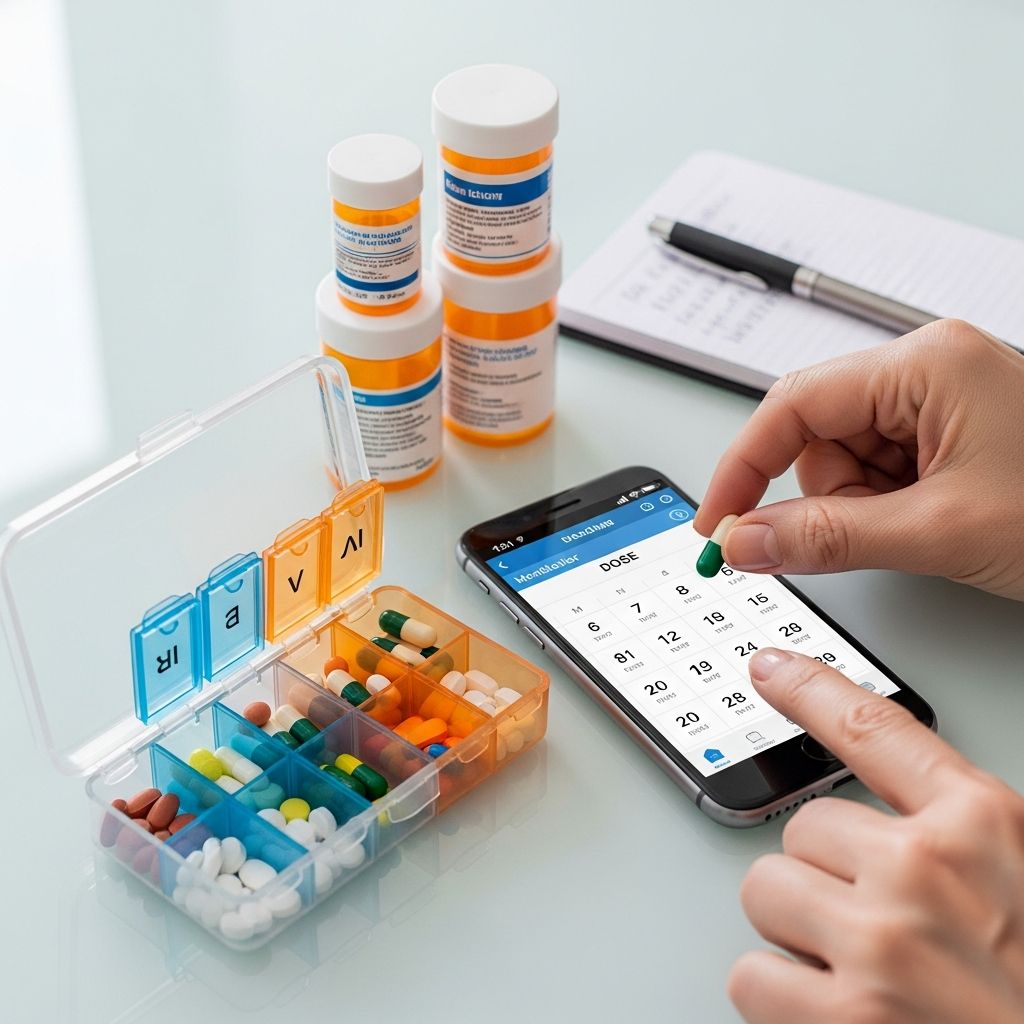
Taking medications as prescribed is one of the most important steps you can take to manage your health and prevent serious complications. Yet many people struggle with medication adherence—the practice of taking medications exactly as directed by their healthcare provider. Whether you’re managing a chronic condition, recovering from an illness, or taking preventive medications, developing effective strategies to remember and consistently take your medications can significantly improve your treatment outcomes and overall well-being.
Understanding Medication Adherence and Why It Matters
Medication adherence means taking your medications at the right times, in the correct doses, and for the full duration prescribed by your healthcare provider. This includes refilling prescriptions on time and following all directions on your prescription label. When you follow your medication regimen correctly, your medications work as intended, helping you manage symptoms, prevent disease progression, and achieve your health goals.
Many people underestimate how often they miss doses or skip medications. Research shows that medication non-adherence is a significant barrier to effective treatment, particularly for chronic conditions like high blood pressure, diabetes, and heart disease. The consequences of inconsistent medication use can include worsening symptoms, increased hospital visits, emergency room trips, and higher overall healthcare costs.
Organizing Your Daily Medication Routine
One of the simplest yet most effective ways to manage your medications is to establish a clear, organized system. Many people find that without a visual organization method, they forget whether they’ve taken their medications, leading to either missed doses or accidental double doses.
Using Pill Organizers
A weekly pill organizer, also called a pill box or medication planner, is a practical tool that eliminates the uncertainty of whether you’ve taken your medications. These organizers have labeled compartments for each day of the week. Some even have compartments for different times of day (morning, noon, evening, bedtime), which is especially helpful if you take multiple medications at different times.
To use a pill organizer effectively:
- Set aside time once weekly to fill your organizer with the correct medications for each day
- Place all medications you take on a given day in that day’s compartment
- Keep the organizer in a visible location where you’ll see it regularly
- Consider using a compartment-labeled organizer if you take medications at different times of day
Selecting Appropriate Packaging Options
Pharmacies now offer several packaging innovations designed to improve medication adherence. Compliance packaging, which sorts all pills into easy-to-manage packages that detail frequency and time of day to take medications, can be particularly beneficial for people taking multiple medications or complex drug regimens. Ask your pharmacist whether this option is available for your prescriptions.
Anchoring Medications to Daily Habits
Your brain is more likely to remember tasks when they’re linked to existing routines. By pairing your medication routine with an activity you already do every day, you create a natural reminder system that requires no extra effort or technology.
Related Stories



Common Medication-Activity Pairings
Consider linking your medications to habitual activities such as:
- Taking morning medications while brewing your coffee or tea
- Taking evening medications immediately after brushing your teeth
- Taking medications with a meal (if your medications can be taken with food)
- Taking medications before or after your morning shower
- Placing your medication bottle next to something you use every morning, like your toothbrush or hairbrush
The key is choosing an activity you genuinely do every single day without fail. The more automatic and consistent the activity, the more likely you’ll remember your medications through this association.
Strategic Medication Placement
Our brains operate on the principle of “out of sight, out of mind.” If your medications are hidden away in a medicine cabinet or closet, you’re more likely to forget about them. Instead, place your medications in a highly visible location where you’ll encounter them during your daily routine.
Optimal Placement Strategies
- Store your pill organizer on your kitchen counter, breakfast table, or bathroom counter
- Keep medications next to items you use daily, such as your coffee maker, toothbrush, or vitamins
- Use a medication reminder box or caddy that’s designed to be visible and accessible
- Avoid storing all medications in a locked cabinet where you won’t see them regularly
Technology-Based Reminder Systems
For people who prefer digital solutions or need additional support, several technology options can help you remember your medications:
Alarm and Timer Reminders
Setting a timer or alarm on your smartphone, watch, or dedicated device is a straightforward approach. You can set alarms for the specific times you need to take your medications. Many people find that a phone alarm is most effective because they’re more likely to respond to it immediately.
Medication Tracking Apps
Numerous smartphone applications are designed specifically for medication management. Popular options include MyTherapy and MediSafe, which offer features such as:
- Automatic reminders at scheduled medication times
- Dose tracking to record when you’ve taken medications
- Medication interaction checking
- Refill reminders
- Health metric tracking (blood pressure, blood glucose, etc.)
Automated Pill Dispensers
For people with significant adherence challenges, automatic pill dispensers represent a more advanced technology solution. These devices store multiple medications and automatically dispense the correct doses at programmed times, alerting you when a dose is ready. Some models can even lock out access to medications until the scheduled time arrives.
Building a Sustainable Schedule
Successful medication adherence depends on creating a schedule that fits realistically into your life. Your healthcare provider creates a treatment plan designed to minimize risk factors, but you must create a daily schedule that you can actually follow.
Elements of an Effective Medication Schedule
When developing your medication routine, consider these factors:
- Timing consistency: Taking medications at the same time each day helps your body maintain steady medication levels and makes the routine automatic
- Frequency preferences: Discuss with your healthcare provider whether less-frequent dosing options are available, such as extended-release formulations or once-weekly medications
- Activity integration: As mentioned earlier, link medications to existing daily activities
- Meal considerations: Understand whether each medication should be taken with food, on an empty stomach, or has no specific requirement
- Storage requirements: Note any special storage needs, such as refrigeration
Reducing Practical Barriers to Adherence
Beyond memory and organization, several practical obstacles can prevent people from taking medications consistently. Identifying and addressing these barriers significantly improves adherence rates.
Accessibility and Transportation
For people living in rural areas or without reliable transportation, visiting a pharmacy monthly to refill prescriptions can be challenging. Several solutions exist:
- Request longer prescriptions (such as 90-day supplies) from your healthcare provider, reducing pharmacy visits to quarterly
- Use mail-order prescription services, which deliver medications directly to your home
- Arrange medication synchronization with your pharmacy so all prescriptions refill on the same date each month, requiring only one pharmacy visit
- Ask family members or caregivers to pick up prescriptions on your behalf
Physical Limitations
Vision problems, arthritis, dexterity issues, or other physical limitations can make opening bottles and managing pills difficult. Solutions include:
- Asking your pharmacist for bottles with easier-to-open caps instead of child-proof containers
- Using pill organizers so you don’t need to open multiple bottles daily
- Requesting pre-sorted compliance packaging from your pharmacy
- Asking family members or home health aides to help with medication management
Cost Considerations
Financial barriers significantly impact medication adherence. If cost is preventing you from refilling prescriptions, discuss this openly with your healthcare provider or pharmacist. They can help you identify generic alternatives, patient assistance programs, or lower-cost options covered by your insurance.
Understanding Your Medications
Taking time to fully understand your medications enhances adherence by helping you appreciate why they’re important and how to take them correctly.
Creating a Personal Medication Reference
When you receive a new prescription, review the label and any accompanying information. Jot down important notes about each medication, including:
- What the medication treats and expected benefits
- Proper dosage and timing
- Whether it should be taken with food or on an empty stomach
- Any special storage requirements (refrigeration, light protection)
- Potential side effects to expect
- Any foods, supplements, or other medications to avoid
Keep this information in one place for easy reference and share it with family members or caregivers who might assist you.
Building a Strong Relationship With Your Healthcare Team
Research demonstrates that patients who have strong relationships with their healthcare providers experience significantly better medication adherence. In a notable 2018 study, over 80% of patients improved their medication adherence after their healthcare practice invested in better physician-patient relationships and patient education.
Communicating Effectively With Your Provider
- Ask questions: Don’t hesitate to ask your doctor or pharmacist anything you don’t understand about your medications
- Report side effects: If you’re experiencing side effects that interfere with taking your medications, discuss them immediately—alternatives may be available
- Share adherence challenges: Be honest about any difficulties you’re having taking medications as prescribed
- Discuss your preferences: Let your provider know if you prefer fewer doses per day or other medication characteristics that matter to you
Working With Your Pharmacist
Pharmacists are medication experts who often see patients more frequently than physicians. They can:
- Explain how to take each medication correctly
- Identify potential drug interactions
- Recommend adherence tools and strategies tailored to your situation
- Monitor your progress and address emerging concerns
- Provide one-on-one counseling about your medications
Seeking Additional Support
If you continue struggling with medication adherence despite implementing these strategies, additional support is available:
- Family involvement: Ask family members or friends to help remind you to take medications or to provide encouragement
- Professional assistance: If you’re unable to manage medications independently, discuss options such as home health aides or assisted living programs where nurses administer medications
- Counseling services: Many pharmacies offer comprehensive medication reviews and motivational interviewing sessions designed to improve adherence
- Healthcare provider consultation: Schedule a dedicated appointment to discuss adherence barriers and develop personalized solutions
Tracking Your Medication Use
Monitoring your actual medication-taking behavior provides accountability and helps identify patterns related to missed doses. Several tracking methods exist:
- Paper calendars: Mark off each day when you take your medications
- Medication tracking apps: Digital versions of paper tracking that often include additional features
- Pharmacy records: Your pharmacy maintains records of prescription refill dates, which indirectly reflects adherence
- Health provider monitoring: Some healthcare systems now use technology to track patient adherence patterns and identify non-adherent patients for intervention
Frequently Asked Questions
Q: What should I do if I miss a dose?
A: It depends on your medication and when you realize you missed the dose. Generally, take the missed dose as soon as you remember unless it’s almost time for your next dose. Never double up on doses to make up for a missed one. Contact your pharmacist or doctor if you’re unsure about what to do.
Q: Can I adjust my medication schedule to make it more convenient?
A: Always discuss any schedule changes with your healthcare provider first. Some medications must be taken at specific times or intervals, while others offer more flexibility. Your provider can help you find a timing that works with your lifestyle while maintaining effectiveness.
Q: Are there medications available in extended-release formats that require less frequent dosing?
A: Many medications now come in extended-release or long-acting formulations that reduce dosing frequency. Ask your healthcare provider or pharmacist whether such options are available for your medications, particularly if you struggle with multiple daily doses.
Q: What if I experience side effects that make me want to stop taking my medication?
A: Contact your healthcare provider immediately rather than stopping medication on your own. Many side effects resolve after an adjustment period, and alternatives may be available. Your provider can help you weigh the benefits and risks.
Conclusion: Creating Your Personal Medication Success Plan
Effective medication management isn’t one-size-fits-all. The strategies that work best depend on your personal preferences, lifestyle, health conditions, and support systems. Start by identifying which barriers most significantly impact your adherence—whether memory-related, practical, financial, or related to side effects—then implement strategies specifically targeting those barriers. Be patient with yourself as you develop new habits; research shows that consistent behaviors typically require several weeks to become automatic. Remember that your healthcare team is your partner in this process; maintaining open communication and asking for help when needed significantly improves your chances of long-term medication adherence and better health outcomes.
References
- 9 Ways to Stick to Your Medication Schedule — Oak Street Health. 2024. https://www.oakstreethealth.com/9-ways-to-stick-to-your-medication-schedule-1586690
- Nine Tips for Improving Medication Adherence — AmerisourceBergen. 2024. https://www.amerisourcebergen.com/insights/pharmacies/nine-tips-for-medication-adherence
- Medication Adherence and Compliance: Recipe for Improving Patient Outcomes — National Center for Biotechnology Information (NCBI). 2022. https://pmc.ncbi.nlm.nih.gov/articles/PMC9498383/
- Medication Plan Adherence — NAMI (National Alliance on Mental Illness). 2024. https://www.nami.org/treatments-and-approaches/mental-health-medications/medication-plan-adherence/
- Pharmacy-Based Interventions to Improve Medication Adherence — Centers for Disease Control and Prevention (CDC). 2024. https://www.cdc.gov/cardiovascular-resources/php/medication-adherence/index.html
- Optimizing Medication Adherence: Strategies for Physicians — Chen Med. 2024. https://www.chenmed.com/blog/optimizing-medication-adherence-strategies-physicians-senior-care
Similar Articles








Read full bio of Sneha Tete